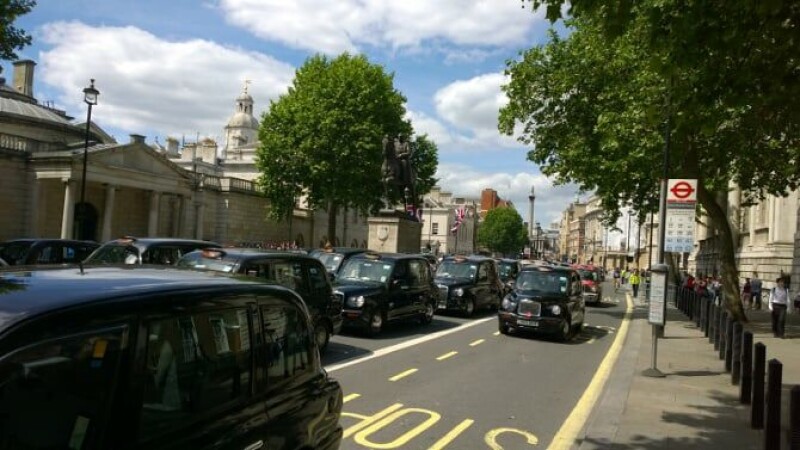
Лондон хотын захиргаанаас гаргасан шинэ тайлан нь автомат жолоодлоготой тээврийн хэрэгсэл нэвтрүүлэхэд бэлэн бус байгааг сануулсны дараа жолооч нарын үйлдвэрчний эвлэл үйлчилгээг зогсоохыг шаардлаа
Их Британийн Бие даасан ажилчдын үйлдвэрчний эвлэл (IWGB) Лондон хотын тээврийн газраас (TfL) робот-таксины үйлчилгээг нэвтрүүлэх үйл явцыг зогсоохыг шаарджээ. Лондонгийн Ассемблейн Тээврийн хорооноос даваа гарагт гаргасан 66 хуудас бүхий тайланд дурдсанаар, Лондон хот автомат жолоодлоготой зорчигч тээврийн үйлчилгээг хүлээн авахад хангалттай нотлох баримт одоогоор алга байна. Google-ийн Waymo, Британийн стартап Wayve болон Хятадын технологийн аварга Baidu компаниуд уг үйлчилгээг зах зээлд нэвтрүүлэхээр бэлтгэж байгаа юм.
Waymo компани Лондонд туршилтаа үргэлжлүүлж байгаа бөгөөд зохицуулалтын зөвшөөрөл авсны дараа энэ онд хэдэн зуун робот-такси бүхий арилжааны флотыг ажиллуулахаар төлөвлөж байна. Uber болон Wayve компаниуд хүний хяналттай автомат жолоодлоготой такси үйлчилгээ үзүүлэх TfL-ийн тусгай зөвшөөрлийг аль хэдийн авсан бол Freenow болон Baidu 2027 он гэхэд бүрэн автомат жолоодлоготой үйлчилгээг нэвтрүүлэх зорилт тавьжээ. Гэвч 105,000 орчим хувийн тээврийн лицензтэй жолооч нар ажлын байраа алдахаас болгоомжилж, гэр бүлээ тэжээх чадваргүй болох вий хэмээн санаа зовниж байна.
Тээврийн хорооны тайланд тусгагдсан аюулгүй байдлын асуудлууд нь олны анхаарлыг татаж байна. Тухайлбал, дөрөвдүгээр сард туршилтын тээврийн хэрэгсэл цагдаагийн хамгаалалтын бүс рүү нэвтэрсэн, зургадугаар сард нэг чигийн хөдөлгөөнтэй гудамжинд эсрэг зүг рүү эргэсэн, долдугаар сард мотоциклтэй мөргөлдсөн зэрэг хэд хэдэн осол бүртгэгджээ. Түүнчлэн робот-таксинууд нь хөгжлийн бэрхшээлтэй иргэдэд зориулагдаагүй, түгжрэлийг нэмэгдүүлэх эрсдэлтэй байгааг тайланд онцолсон байна.
YouGov судалгаагаар Лондончуудын 42 хувь нь автомат жолоодлоготой тээврийн хэрэгслийг эсэргүүцэж байгаа бол 29 хувь нь дэмжиж, мөн ижил хувь нь үйлчилгээг ашиглах сонирхолтой байгаагаа илэрхийлжээ. Хорооны зүгээс үйлчилгээг бүрмөсөн хориглохоос татгалзсан ч аюулгүй байдлын шаардлагыг чангатгах, TfL-д тээврийн хэрэгслийн тоог хязгаарлах эрх олгох, тусгай зөвшөөрлийг түр түдгэлзүүлэх механизмыг бий болгохыг зөвлөв. Автомат тээврийн хэрэгслийн тухай хууль 2027 оны хоёрдугаар хагаст бүрэн хэрэгжиж эхлэх үед TfL зөвшөөрөл олгох эрх мэдлийг бүрэн шилжүүлэн авах төлөвтэй байна.
Дэлгэрэнгүйг эх сурвалжаас харах
↓Эх сурвалжийг нээх ↓
London’s minicab drivers want Mayor Sadiq Khan to put the brakes on robotaxis before they threaten thousands of jobs, with a new City Hall report casting doubt on whether the capital is ready for driverless cars. The Independent Workers’ Union of Great Britain (IWGB) has called on Transport for London (TfL) to halt the rollout following the publication of a London Assembly Transport Committee report on Monday. The 66-page report makes uncomfortable reading for the companies hoping to unleash fleets of driverless taxis on London’s streets. “As it stands, we currently have not heard sufficient evidence to persuade us that London should welcome autonomous passenger services,” it concludes. Google’s Waymo, British startup Wayve, and Chinese tech giant Baidu are among those gearing up to bring autonomous passenger services to London. Waymo has already been testing its cars in the capital and hopes to launch a commercial fleet of “low hundreds” this year, subject to regulatory approval. Uber and Wayve have secured TfL private hire licenses for vehicles offering supervised self-driving rides, meaning a human driver remains legally in control, and Freenow and Baidu are targeting a fully driverless launch in 2027. London has around 105,000 licensed private hire drivers, many of whom have reason to worry about cars that can do their jobs without them. “Every car feeds a family, and the prospect of not being able to earn money leaves us all with a deep uncertainty as to how we will provide for them. We already struggle to get by as it is,” said Gholomreza “Rez” Kamyabi, an Uber driver and vice chair of the IWGB Private Hire Drivers union. The committee heard warnings that robotaxis could put large numbers of drivers out of work, and wants TfL to work with unions and operators to retrain, redeploy, and fund those affected. The IWGB, however, wants the rollout stopped. “The IWGB Private Hire Drivers Union opposes the rollout of driverless cars,” said union president Alex Marshall, warning the technology could put thousands out of work while benefiting tech companies and investors. Jobs aren’t the only concern. Under the government’s interim Automated Passenger Services permitting scheme, the Driver and Vehicle Standards Agency (DVSA) issues operating permits. TfL must consent before a service launches in London, but cannot independently suspend or revoke a permit once issued. TfL also has no formal say over existing driverless trials, and operators aren’t legally required to report incidents to it, although some have shared information voluntarily. The report details several incidents involving autonomous test vehicles, including a car reportedly entering a police crime scene cordon in April, another filmed turning the wrong way into a one-way street in June, and a reported collision with a motorcycle in July. It also questions how robotaxis would handle medical emergencies, passenger safety, and accessibility. None of the autonomous vehicles currently being trialed are wheelchair accessible. Then there’s congestion. Robotaxis could lure passengers away from public transportation while adding more traffic as vehicles travel empty between fares. The committee wants operators to report their empty mileage so TfL can assess the impact. Londoners aren’t exactly clamoring for the technology either. A YouGov survey commissioned by the committee found that 42 percent opposed autonomous passenger vehicles, compared with 29 percent who supported them. Just 29 percent said they would be likely to use one. The committee stopped short of calling for a ban, instead recommending tougher safety requirements, giving TfL powers to cap vehicle numbers, and a process to request the immediate suspension of permits. It also wants TfL to take over permitting when the Automated Vehicles Act is fully implemented, expected in the second half of 2027. At the time of the investigation, TfL had not yet published the criteria it would use to approve driverless passenger services. So London is preparing for robotaxis while its transport authority works out the rules, Assembly members question the benefits, and cab drivers demand the whole thing be stopped. Still, at least the cars won’t complain about their working conditions.®

