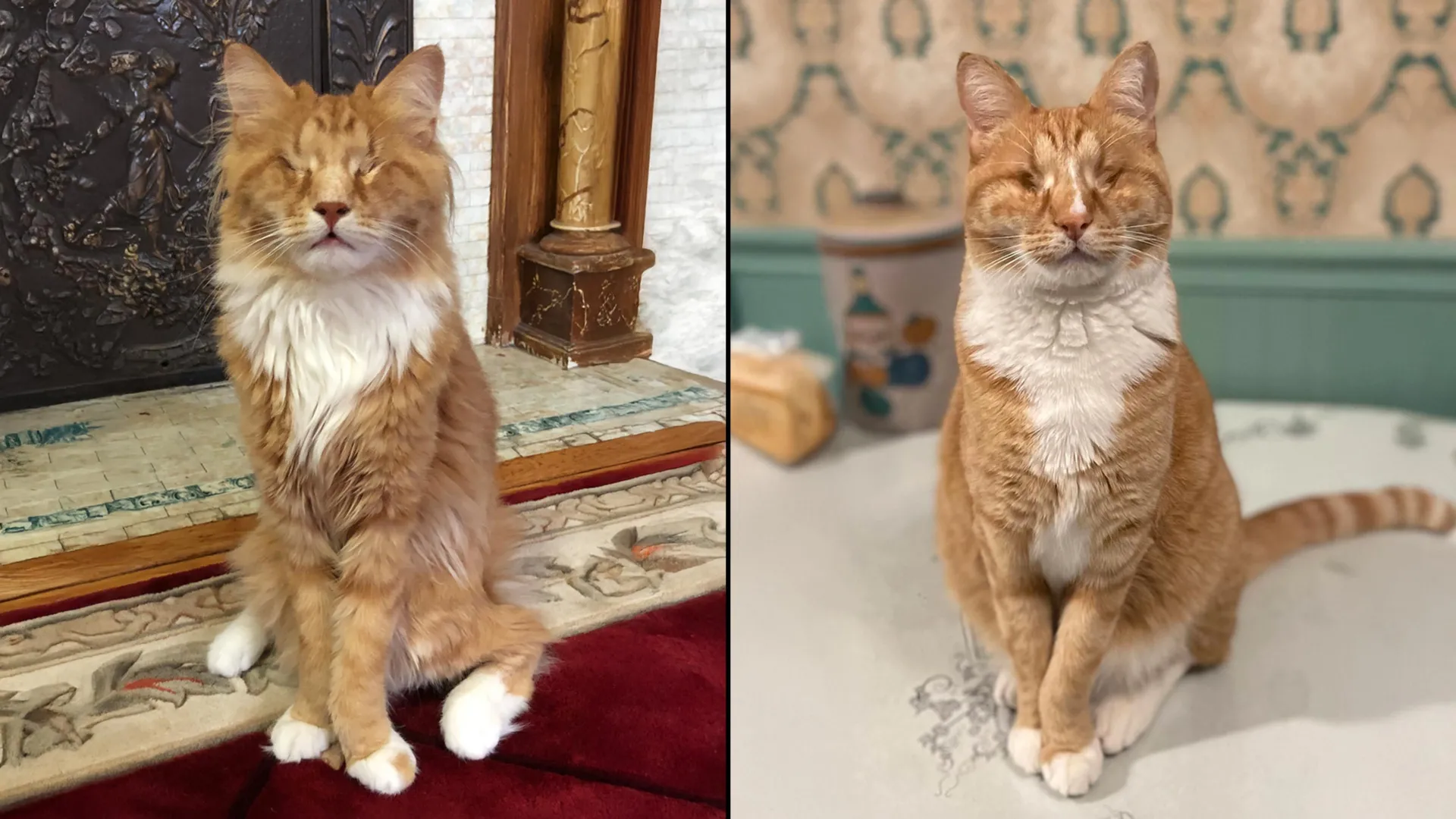
Судлаачид Гари, Шагги хэмээх хоёр муурны генетикийн шинжилгээгээр хүнд тохиолддог холбогч эдийн эмгэгийг амьтны ертөнцөд анхлан баримтжуулжээ.
Корнеллийн их сургуулийн судлаачид Гари болон Шагги нэртэй хоёр муурны биеийн бүтцийн онцлогт үндэслэн Марфаны хам шинжийг мууранд анх удаа молекулын түвшинд тодорхойллоо. Scientific Reports сэтгүүлд нийтлэгдсэн уг судалгаагаар муурны мөч урт байх, нүдний бүтэц алдагдах болон гол судасны өргөсөл зэрэг шинж тэмдгүүд нь хүнд тохиолддог энэхүү удамшлын эмгэгтэй холбоотой болохыг тогтоожээ.
Эрдэмтэд муурнуудын ДНХ-г шинжилж, холбогч эдийг бүрдүүлэхэд чухал үүрэгтэй фибриллин-1 уургийг кодлодог FBN1 генд өөрчлөлт орсныг илрүүлсэн байна. Хүнд уг өвчин нь генийн ганц хуулбарын мутациас үүсдэг бол эдгээр муур хоёр хуулбар дээрээ мутацитай байсныг тогтоожээ.
Судалгааны ахлах зохиолч, Мал эмнэлгийн коллежийн туслах профессор Жаклин Эвансын тэмдэглэснээр, энэхүү олдвор нь мал эмнэлгийн оношилгоог сайжруулах, цаашид генетикийн шинжилгээний аргуудыг хөгжүүлэхэд чухал үндэс суурь болох юм. Судлаачдын үзэж буйгаар тухайн муурнуудын FBN1 генийн мутаци нь генийн үйл ажиллагааг бүрэн зогсоогоогүй, харин хэвийн үйл ажиллагааг хэсэгчлэн хадгалж үлдээсэн нь тэднийг насанд хүртэл амьдрах боломжийг бүрдүүлсэн гэж тайлбарлаж байна.
Дэлгэрэнгүйг эх сурвалжаас харах
↓Эх сурвалжийг нээх ↓
Two brothers named Gary and Shaggy have helped Cornell University researchers make a rare genetic discovery. In a study published in Scientific Reports, scientists reported the first molecular characterization of Marfan syndrome in domestic cats, a condition primarily recognized in humans.
Gary and Shaggy first stood out as kittens because of their unusually long limbs. As they grew older, veterinarians also identified abnormalities in their eye structures and an enlarged aorta, the body’s main artery. Together, these symptoms suggested Marfan syndrome, an inherited condition that weakens connective tissues throughout the body. The disorder affects approximately 1 in 4,000 people, but these brothers represented the first known documented feline cases.
“The findings provide a foundation for improved veterinary diagnostics,” said senior author Dr. Jacquelyn Evans, assistant professor in the College of Veterinary Medicine and at the Baker Institute for Animal Health. “It can help veterinarians recognize similar cases in the future and may help develop genetic tests.”
Scientists Uncover a Surprising Genetic Twist
To determine what caused the brothers’ unusual symptoms, researchers from multiple disciplines conducted thorough medical examinations and analyzed their DNA. Their investigation identified changes in a gene called FBN1, which provides instructions for producing fibrillin-1. This protein is essential for healthy connective tissue, helping support structures throughout the body, including blood vessels, bones, ligaments, skin, and eyes.
Genetic testing revealed that Gary and Shaggy each had two altered copies of FBN1, having inherited one from each parent. This was especially notable because, in humans, a mutation in just one copy of the gene can be enough to cause Marfan syndrome. Having two altered copies is exceptionally uncommon and can severely disrupt the production of normal fibrillin-1.
Yet the brothers’ genetic changes had an unexpected effect. Further analysis showed that their particular variant did not completely disable the gene. Instead, it interfered with how the gene’s instructions were processed while still allowing some normal activity to continue. That remaining function helps explain why Gary and Shaggy were able to survive into adulthood, even though carrying two copies of such a mutation could otherwise have resulted in a much more severe form of the disorder.

