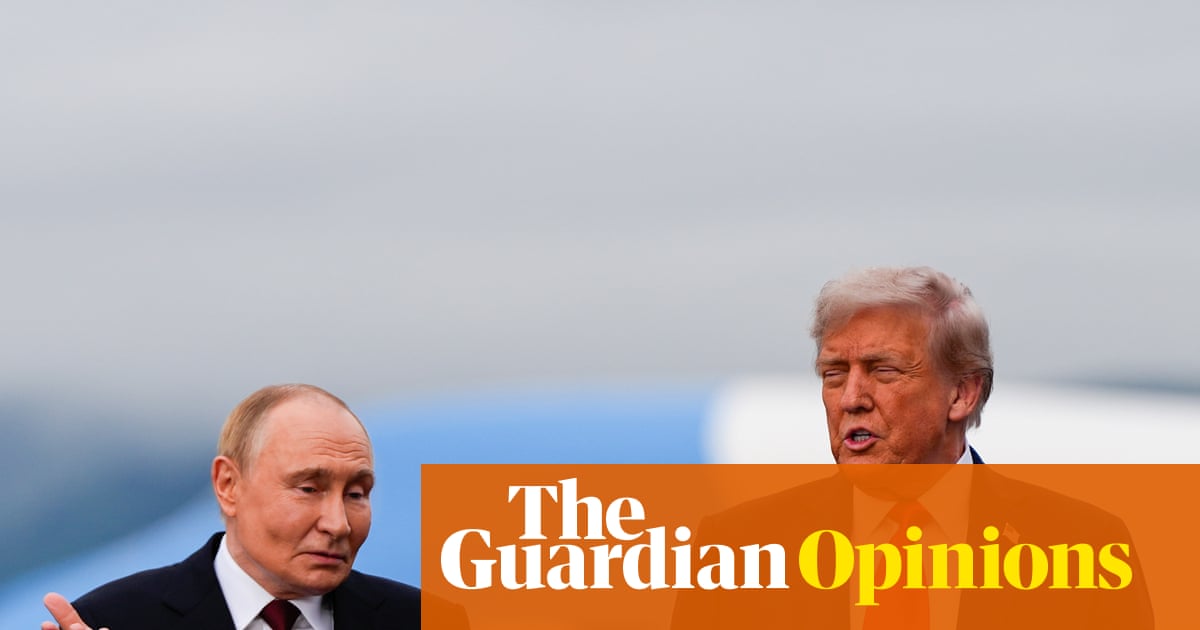
АНУ-ын Ерөнхийлөгч Дональд Трамп Украйны дайныг зогсоох амлалтаа биелүүлэхийн тулд ОХУ-тай тохиролцоонд хүрэх оролдлого хийж байгаа нь олон улсын анхаарлыг татаж байна.
Дональд Трамп Украйны дайныг нэн даруй зогсоох амлалтаа биелүүлэхийн тулд ОХУ-тай хэлэлцээр хийж байгаа нь нөхцөл байдлыг өөрчлөхөөс илүүтэйгээр Украйныг бууж өгөхөд шахалт үзүүлэх алхам болж байна гэж шинжээчид үзэж байна. АНУ-ын Ерөнхийлөгч ОХУ-аас дизель түлш импортлох тохиролцоонд хүрсэн нь олон улсын хориг арга хэмжээг зөрчсөн үйлдэл болжээ. Үүний зэрэгцээ тэрээр Украйныг ОХУ-ын газрын тос боловсруулах үйлдвэрүүдэд цохилт өгөхөө зогсоохыг шаардсан нь АНУ-ын дотоодын эрчим хүчний үнийг тогтворжуулах зорилготой гэж тайлбарлаж байна.
Украйны Ерөнхийлөгч Володимир Зеленский Их Британийн Даунинг стритэд Анди Бёрнхэмтэй уулзах үеэрээ ОХУ-ын пуужингийн цохилт эрчимжиж байгааг онцоллоо. Түүний хэлснээр, АНУ-ын тагнуулын мэдээллийн дэмжлэг суларч, Украйны цэргүүд Илон Маскийн эзэмшлийн Starlink хиймэл дагуулын сүлжээний ашиглалтад хязгаарлалттай тулгарч байгаа нь ОХУ-ын талд ашигтай нөхцөл бүрдүүлж болзошгүй гэсэн хардлагыг төрүүлж байна. ОХУ-ын зүгээс хийж буй дайралт нь Украйны тусгаар тогтнолыг хүлээн зөвшөөрөхгүй байгаа бодлоготой нь холбоотой боловч дайны зорилгодоо хүрэхэд хүндрэлтэй хэвээр байна.
Их Британийн улс төрч Анди Бёрнхэм АНУ-ын Ерөнхийлөгчийн бодлогыг олон нийтийн өмнө шүүмжлэхээс татгалзаж, харин Украйныг дэмжих байр сууриа илэрхийллээ. Тэрээр Европын ардчиллыг хамгаалах үүднээс Украйнд үзүүлэх дэмжлэгийг үргэлжлүүлэх нь чухал гэж үзэж байна. Олон улсын ажиглагчид АНУ болон ОХУ-ын хоорондох хэлэлцээр нь мөргөлдөөнийг шийдвэрлэхэд бодит үр дүн авчрахгүй гэж дүгнэж байгаа бөгөөд Украйны эсэргүүцэх хүсэл эрмэлзэл нь ОХУ-ын төлөвлөгөөг эвдэх гол хүчин зүйл хэвээр байна.
Дэлгэрэнгүйг эх сурвалжаас харах
↓Эх сурвалжийг нээх ↓
When Donald Trump pledged to end the war in Ukrainewithin 24 hours of re-entering the White House last year, no one with any depth of insight into the conflict believed him. But Mr Trump took his own words seriously enough to feel the lack of a ceasefire as an affront to his self-image as a master dealmaker. Aftera period when it seemed that Kyiv’s European allies had steered the US president away from pro‑Kremlin partisanship, he has reverted to the grotesque view that Ukrainian capitulation is a necessary precondition for peace.
These are the perilous circumstances in which President Volodymyr Zelenskyy met AndyBurnham on Wednesday in Downing Street. In recent days, the US president has called for a change of government in Ukraine. He claimed that a partial ceasefire had been agreed, while Russia escalated its bombardments. According to Mr Zelenskyy, the latest missile strikes have come without the intelligence warnings from the US that have, in the past, facilitated self-defence. There have been reports of Ukrainian soldiers losing access to the Starlink satellite network, controlled by Elon Musk, the US tech oligarch. This raises suspicion of coordinated pressure to tip the scales in Russia’s favour after many months when Mr Putin’s forces have failed to deliver significant advances and his country’s economy has been suffering from the effect of Ukrainian missile and drone counterstrikes.
Mr Trump is unhappy with Ukraine targeting Russian oil refineries. He claims that this is the cause of high energy prices afflicting American consumers and threatening Republican prospects in next month’s midterm elections. The domestic imperative to keep pump prices down led Mr Trump to do a grubby deal to import diesel from Russia, in flagrant breach of international sanctions.
The real driver of global energy prices is not Ukraine defending itself from Russian attack, but Mr Trump’s failing war against Iran. However, the US president is incapable of admitting any fault. Blaming Mr Zelenskyy enables him to deny his own culpability and, with malevolent encouragement from Mr Putin, to revive the preposterous notion that Ukrainian intransigence rather than Russian aggression is the reason why his promise to broker apeace deal remains unfulfilled.
Disrupting Mr Trump’s pro-Russian delusions is not easy, but it has been done before. It is not a gratifying diplomatic task to indulge the monstrous vanity of the US president by trying to impress upon him a view of his country’s national interest, that Mr Putin is not an ally of his country or his personal friend, which is self-evident to any rationalobserver.
Mr Burnham rightly resists invitations to denounce the US president in public. He recognises that Ukraine’s cause and, by extension, also the cause of European democracy more widely, is better served by making the case in private. Thebest response to Mr Trump’s perfidy is for MrZelenskyy’s friends to reaffirm their support, as Mr Burnham has done, thereby signalling that Ukraine will not be beaten by deals betweenthe Kremlin and the White House.
Russia is failing to achieve its war aims because the invasion was conceived in delusional hatred for the very idea of independent Ukrainian nationhood, which routinely underestimates that country’s will to resist. That is a flaw in Mr Putin’s plans that no amount of collusion with MrTrump can fix.

