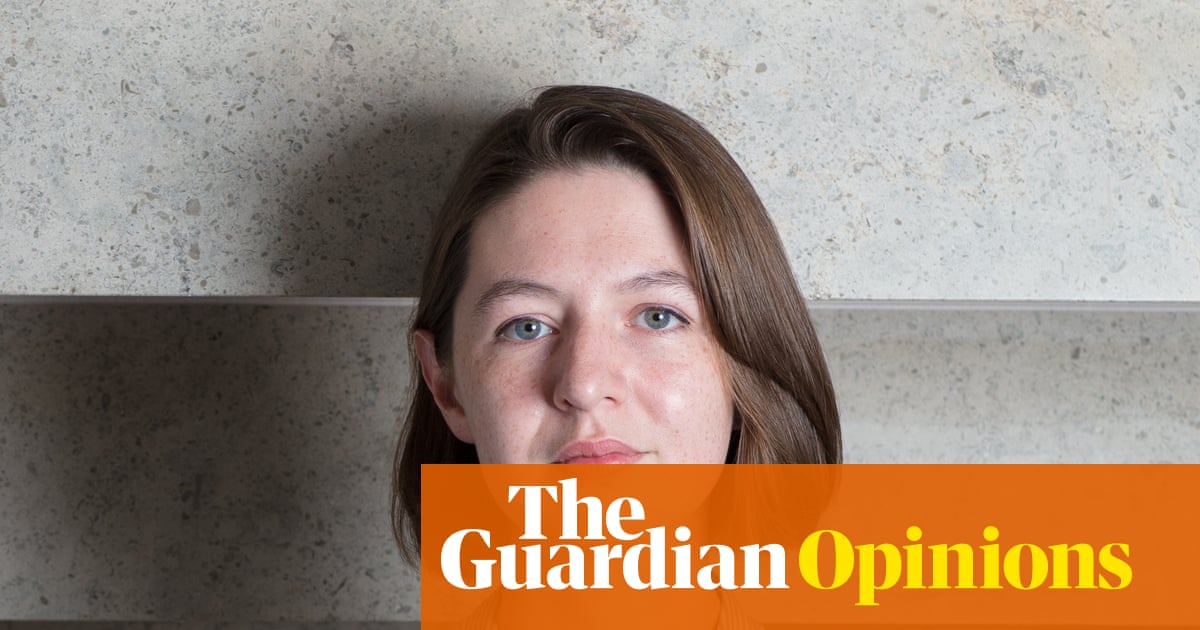
Их Британийн терроризмын эсрэг хууль тогтоомжийн хүрээнд Палестиныг дэмжсэн үйл ажиллагаа явуулж буй зохиолчийн эсрэг авч буй арга хэмжээ олон улсын анхаарлыг татаж байна.
Зохиолч Салли Рүүни өөрийн бүтээлүүд болон BBC-ийн дэлгэцийн уран бүтээлээс олох орлогоо “Palestine Action” байгууллагад хандивлах шийдвэр гаргаснаа өнгөрсөн долдугаар сард мэдэгдсэн билээ. Энэхүү үйлдлийн улмаас тэрээр Их Британид номоо худалдаалах боломжгүй болж, тус улсын терроризмын эсрэг хууль тогтоомжийн хүндрэлтэй нөхцөл байдалтай нүүр тулж байна. Рүүни өөрийн байр сууриа илэрхийлэх нь энгийн хүний ёс суртахууны хариу үйлдэл бөгөөд үүнийг терроризмтой холбон үзэх нь үндэслэлгүй гэж үзэж байна.
Их Британийн эрх баригчид 2024-2025 оны хооронд терроризмтой холбоотой баривчилгааны тоог 250-аас 3000 орчим болтол огцом нэмэгдүүлсэн нь олны шүүмжлэлийг дагуулаад байна. Эсэргүүцлийн жагсаалд оролцогчдын олонх нь өндөр настан байгаа нь энэхүү хууль тогтоомжийн хэрэгжилтэд эргэлзээ төрүүлж буй юм. Рүүнигийн энэхүү алхам нь Ирланд улсын Палестиныг дэмжих урт хугацааны түүхэн уламжлалтай дүйцэхүйц бөгөөд 1980-аад оны Өмнөд Африкийн апартеидын эсрэг жагсаал цуглааныг санагдуулж байна.
Зохиолч санхүүгийн алдагдал хүлээхээс гадна Их Британид нэвтрэх болон уран бүтээлээ түгээхэд саад бэрхшээлтэй тулгарч байгаа ч байр сууриа өөрчлөөгүй хэвээр байна. Түүний энэхүү үйлдэл нь Газын зурвас дахь нөхцөл байдалд санаа тавих нь хэвийн үзэгдэл гэдгийг нийгэмд сануулах зорилготой ажээ. Олон улсын ажиглагчид тус улсын хууль сахиулах байгууллагуудын арга хэмжээ нь хувь хүний үзэл бодлоо илэрхийлэх эрх чөлөөнд хэрхэн нөлөөлж байгааг анхааралтай ажиглаж байна.
Дэлгэрэнгүйг эх сурвалжаас харах
↓Эх сурвалжийг нээх ↓
It’s hard to think of a published author in living memory who risked arrest in the UK for their political beliefs, hard to think of one whose books could be published anywhere but here. Sally Rooney went into this debacle with her eyes open: she said last July that royalties from her books, and their BBC adaptations, would be used to support Palestine Action.
Rooney’s courage is not so much in risking imprisonment, since there is a fix for that, which is what she’s doing – avoiding the UK. Rather, she has chosen the thorniest possible path for this cause. Authors can write essays and sign letters in support of the Palestinian people; actors can voice it in interviews, musicians can say it from the stage, and there is always a cost to it, whether it’s in plain sight and they’ve been kicked off a global tour, or it’s behind closed doors and they are simply excluded from opportunities. But such actions, even if they logically suggest support for a proscribed organisation, don’t entail actively breaking the terrorism laws. Rooney had taken a financial hit anyway, by pledging support for Palestine Action with her royalties; but that’s a price at least you can count. The lost sales and opportunities that ripple out from being effectively both barred from and banned in the UK are innumerable.
Yet, speaking as not-her-accountant, but as someone living in the culture she also inhabits and has made such an impact describing, the value of her stand is similarly hard to put a price on. Her authorial voice and body of work makes this intervention distinctive in its reach. She’s never been an apolitical author. Normal People was razor sharp on class, Conversations With Friends wasn’t shy of a Marxist analysis. But the work is also intimate, often domestic, I mean, the clue’s in the name – these were always normal people. It was from a reputation of delicately challenging but everyday subtlety that Rooney assumed her outrider position, and in so doing, took on the idea that caring about Gaza is somehow a crank’s life choice; insisted that it is a human response, as natural and quotidian, as passionate and important, as friendship.
It also, come on – surely at some point we’re allowed to say this – makes an absolute mockery of the terrorism legislation thus applied. Nobody anywhere thinks Sally Rooney poses a danger to the British state, or any state, just as nobody anywhere thinks a 94-year-old human rights barrister who was a friend of Ed Miliband’s late mother does. Keir Starmer, paradoxically, given that the two things in his favour were his caution and his legal hinterland, painted himself into an absurd corner, where terrorism arrests went up between 2024 and 2025 from 250 to nearly 3,000. On demos where anyone crunched the numbers, more of them were over 80 than under 20.
The history and particularity of Irish solidarity with the Palestinian cause have been discussed a lot since the painful Ed Sheeran tour, in which the singer thought a support act could be quietly ditched over a pro-Palestine song, without losing his backing band – Beoga, founder members of Irish Artists for Palestine. More broadly, Ireland has a vibrant tradition of young women with no reason to think they have the right to opine on geopolitics sticking their oar in anyway. The Dunnes Stores strike of 1984 kicked off when 21-year-old Mary Manning refused to handle some South African grapefruit, an action that cost her £21 a week in 80s money. It reached its political crescendo less than three years later, when Ireland banned South African goods altogether in protest at apartheid. In between, though, in 1985, Desmond Tutu met Manning and her fellow strikers on his way to get the Nobel peace prize, extending as he did an invitation to visit him in South Africa – which they took him up on, only to be turned away at the border. There’s an instant echo, here, of a state showing its might at customs only to draw attention to its weakness; and of an author who, as well as that, is an ordinary citizen, whose forgone royalties are almost the least of the sacrifice, but are still a powerful emblem.

