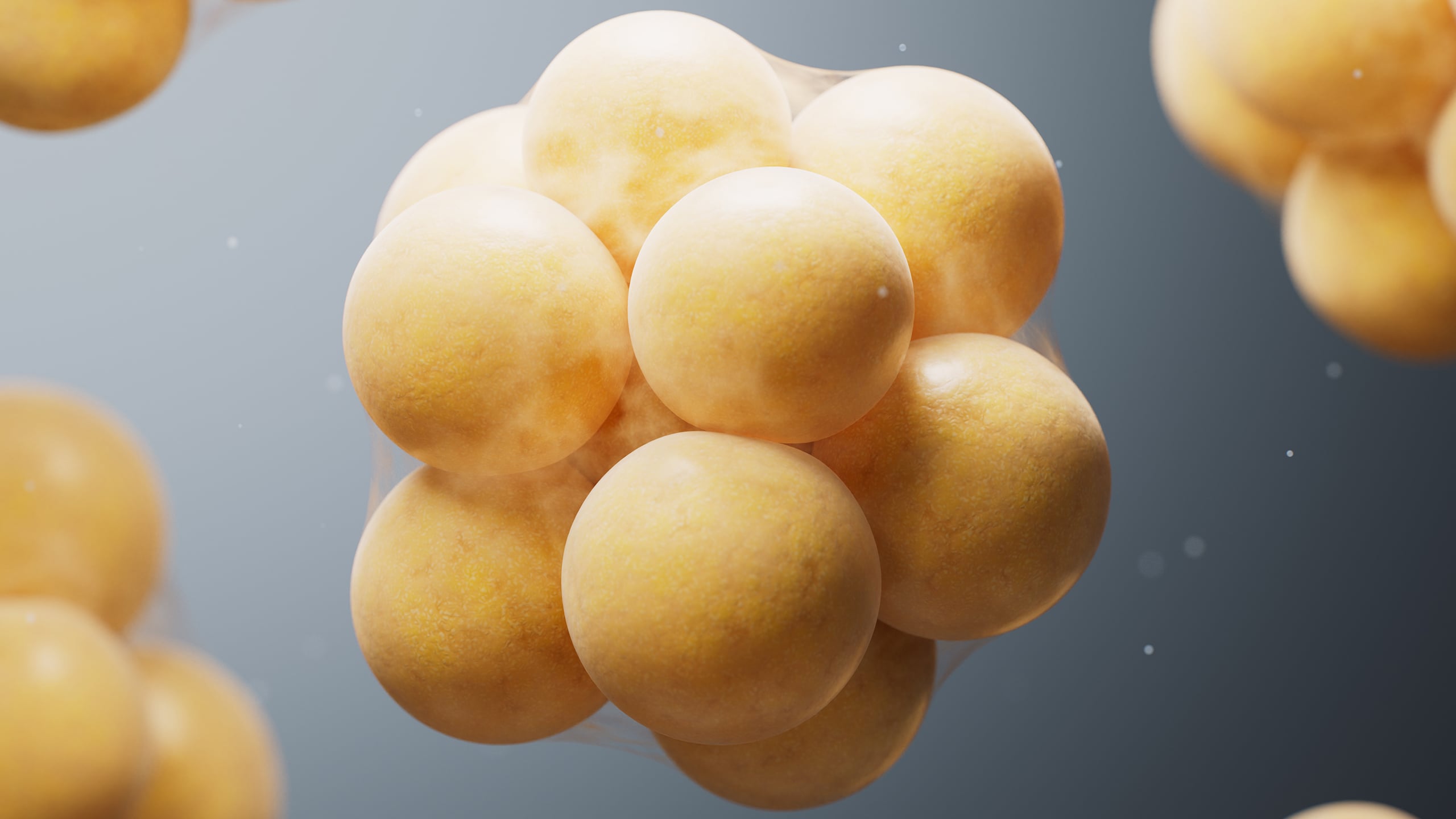
CBL-514 хэмээх тарилга нь өөхөн эсийг агшаах бус харин байгалийн жамаар устгах замаар биеийн жинг бууруулах шинэлэг аргыг туршиж байна.
Өөх тосыг хайлуулах бус устгах зорилготой CBL-514 тарилгын хоёрдугаар шатны эмнэлзүйн туршилтаар арьсан доорх болон эрхтэн бүрхсэн гүн өөхлөлт (visceral fat) буурч байгаа нь тогтоогджээ. Нийт 107 болон 173 оролцогч хамрагдсан хоёр тусдаа судалгаагаар оролцогчдын дийлэнх нь арьсан доорх өөхлөлтөөсөө салсан байна. Мөн 41 хүний мэдээлэлд хийсэн шинжилгээгээр 12 долоо хоногийн турш тарилга хийлгэсэн хүмүүсийн гүн өөхлөлт дунджаар 12.01 хувиар буурчээ.
University of Alabama at Birmingham-ийн эндокринологич Тимоти Гарвигийн тэмдэглэснээр, энэхүү эмчилгээ нь зөвхөн гоо сайхны үр нөлөө үзүүлээд зогсохгүй цусны даралт, холестерины түвшинг сайжруулах зэрэг эрүүл мэндийн ач холбогдолтой байж болзошгүй юм. Амьтны загвар дээр хийсэн туршилтаар CBL-514 нь GLP-1 төрлийн эмтэй хавсран хэрэглэхэд жин хасах үр нөлөөг нэмэгдүүлж, эмчилгээ зогссоны дараа жин буцаж нэмэгдэх эрсдэлийг бууруулж байв.
Гэсэн хэдий ч судалгааны үр дүн хараахан хянан магадлагаанд ороогүй бөгөөд зөвхөн бага хэмжээний оролцогчдод хийгдсэн тул болгоомжтой хандах шаардлагатайг мэргэжилтнүүд анхааруулж байна. Cambridge-ийн их сургуулийн эпидемиологич Мари Спрекли болон Aberdeen-ийн их сургуулийн судлаач Жастин Рочфорд нар өөх тосны бууралт нь урт хугацаанд тогтвортой эсэх, бусад эрхтэнд нөлөөлөх эсэхийг тодорхойлохын тулд илүү өргөн хүрээтэй, урт хугацааны туршилт шаардлагатайг цохон тэмдэглэв.
Дэлгэрэнгүйг эх сурвалжаас харах
↓Эх сурвалжийг нээх ↓
Early clinical trials into a new fat reduction treatment have reported promising results, and the treatment takes a more unusual approach: Rather than shrinking fat cells, as most weight loss strategies do, it safely and naturally kills them off.
The drug here is CBL-514, which is administered via injection. As well as proving effective at reducing subcutaneous fat (just below the skin), there’s evidence it can also reduce visceral fat (stored deeper around the organs).
According to the team behind the trials, CBL-514 and its unconventional strategy have the potential to reduce fat in key areas of the body – with further benefits that come with weight loss likely to follow.
“We expect that patients will be pleased by the cosmetic effects, such as the flatter stomach that can come with subcutaneous fat loss,” says endocrinologist Timothy Garvey, from the University of Alabama at Birmingham, who headed up the trial.
“But it is the reduction in body weight, loss of visceral fat and the improvements in blood pressure, cholesterol and the like that should be associated with this that will be important for health.”
To be clear, these results haven’t been peer-reviewed yet – they’re from a conference presentation and company announcements, not a published study, so they should be taken with a grain of salt for now.
There are several different components to the research. Two phase 2 clinical trials, CBL-0204 and CBL-0205, involved 107 and 173 participants respectively, and showed that CBL-514 was effective at reducing subcutaneous fat in the majority of the volunteers.
Since those trials were carried out, the records of a subset of 41 participants have been analyzed for changes in visceral fat too.
Those given CBL-514 injections for up to 12 weeks showed an average reduction of 12.01 percent in visceral fat, while those on a placebo treatment averaged a visceral fat increase of 5.68 percent four weeks after their final injection.
“These results provide encouraging early evidence that CBL-514 can reduce visceral-fat volume in the abdominal region,” says epidemiologist Marie Spreckley, from the University of Cambridge in the UK, who wasn’t involved in the research.
“Larger trials with longer follow-up will be important to establish whether the fat reduction lasts and whether it leads to improvements in health.”
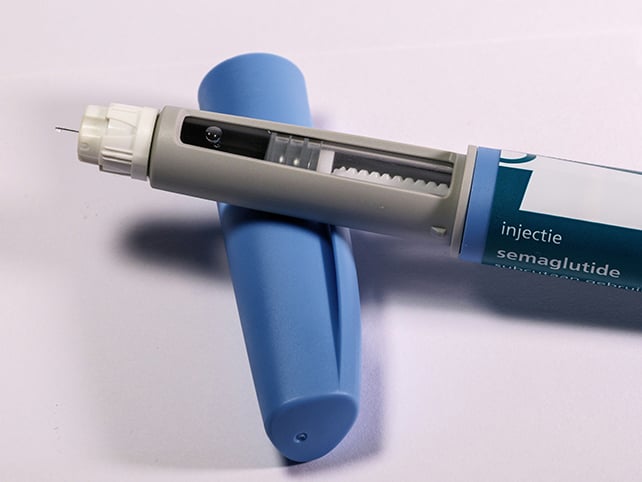
The final part of the picture so far comes from animal tests. Rats treated with the GLP-1 drug tirzepatide and CBL-514 together lost more weight on average than rats who were given doses of tirzepatide on its own.
What’s more, the rats given both medications gained less weight when the tirzepatide treatment was stopped.
GLP-1 drugs like tirzepatide are commonly prescribed for type 2 diabetes and weight loss, and are named after the glucagon-like peptide-1 they’re designed to mimic. While they can be very effective, any lost weight often returns after a GLP-1 course has finished.
It’s possible that the way CBL-514 causes fat cells to self-destruct (technically known as apoptosis) means it’s then more difficult for the pounds to pile back on – but this part of the research needs to be investigated further in tests on people, while other effects of the treatment are also assessed.
“To be a useful obesity therapy it will be critical to show that this doesn’t increase the risk of fat accumulation in other organs or poorer control of blood fat and sugar levels,” says metabolism researcher Justin Rochford, from the University of Aberdeen in the UK, who wasn’t involved in the research.
The researchers are now working towards larger trials with bigger groups of participants tracked over a longer time period, which will assess how the losses in fat might impact overall health.
CBL-514 was originally developed to remove fatty lumps under the skin called lipomas, and so far, the signs are promising that the drug’s targeted fat cell removal technique could be valuable much more broadly.
“This is a highly innovative approach to obesity pharmacotherapy that has produced some remarkable results in early human trials,” says Garvey.
This article was fact-checked by Fiona MacDonald and edited by Fiona MacDonald. While we pride ourselves on our process, we are only human. If you spot a mistake, please let us know.

