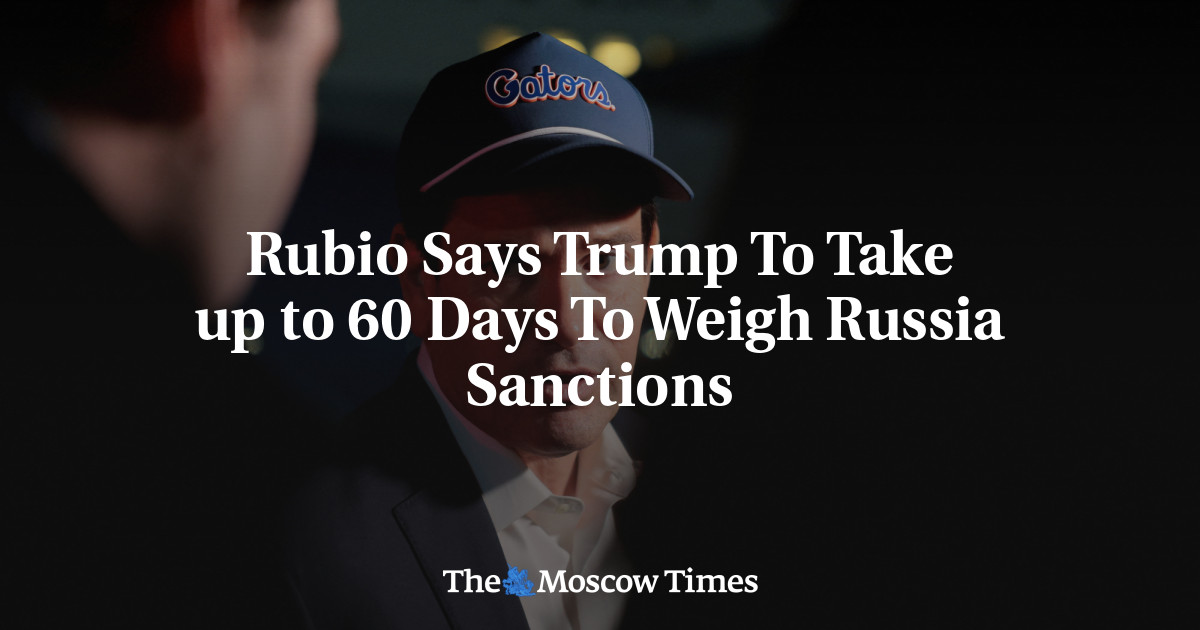
АНУ-ын Ерөнхийлөгч Дональд Трамп ОХУ-ын экспортын бүтээгдэхүүнд ногдуулсан хориг болон татварыг түр түдгэлзүүлснийхээ дараа уг асуудлыг эргэн харахад 60 хүртэлх хоногийн хугацаа зарцуулахаа мэдэгдлээ.
Ерөнхийлөгч Трамп баасан гарагт “Graham Act” хуулийн хүрээнд ОХУ-ын эсрэг авсан гол хориг болон татваруудыг түр түдгэлзүүлэх захирамжид гарын үсэг зурсан юм. АНУ-ын Төрийн нарийн бичгийн дарга Марко Рубиогийн тайлбарласнаар, энэхүү хугацааг хориг арга хэмжээний дэлхийн болон АНУ-ын эдийн засагт үзүүлэх нөлөөг нарийвчлан шинжлэх зорилгоор ашиглана. Уг арга хэмжээнүүд ирэх долоо хоногт хүчин төгөлдөр болох байсан аж.
Энэхүү шийдвэр нь арваннэгдүгээр сард болох дунд хугацааны сонгуулийн өмнө, эрчим хүчний үнийн өсөлт болон Ирантай үүссэн зөрчлийн улмаас дэлхийн газрын тосны нийлүүлэлт тасалдаж буй үед гарч байна. Мөн уг захирамж нь ОХУ-ын Украйн дахь цэргийн ажиллагаанд дарамт шахалт үзүүлэхийг зорьсон хууль тогтоогчдын шаардлагын дагуу хэрэгжиж буй хуулийг хөндөж байгаа юм.
Украйны Ерөнхийлөгч Володимир Зеленский уг шийдвэр нь ОХУ-ын Ерөнхийлөгч Владимир Путинийг зоригжуулж, дайныг сунжруулна хэмээн шүүмжилсэн байна. Сенатор Дарлин Грэм мөн Трампын шийдвэрийг дэмжихгүй байгаагаа илэрхийлж, ОХУ-д үзүүлэх шахалтыг үргэлжлүүлэх нь зүйтэй гэсэн байр суурьтай байна.
Үүний зэрэгцээ Марко Рубио АНУ-аас ОХУ-тай байгуулсан дизель түлшний нийлүүлэлтийг нэмэгдүүлэх хэлэлцээрийг өмгөөлөн ярилаа. Уг гэрээгээр ОХУ АНУ-д эхний ээлжид 300 мянга гаруй метрийн тонн дизель түлш нийлүүлэх бөгөөд энэ нь эрчим хүчний үнийн өсөлтийг сааруулах зорилготой аж. Рубио эдгээр алхам нь дэлхий дахинд өрнөж буй мөргөлдөөнүүд АНУ-ын эдийн засаг болон эрчим хүчний аюулгүй байдалд хэрхэн нөлөөлж байгааг зохицуулах сорилттой холбоотойг онцолсон байна.
Дэлгэрэнгүйг эх сурвалжаас харах
↓Эх сурвалжийг нээх ↓
The day after waiving sanctions and tariffs related to Russian exports, U.S. President Donald Trump said on Saturday he has yet to announce a final decision on the matter as Secretary of State Marco Rubio said officials want more time to evaluate the situation.
Rubio said on Saturday that the president will use up to 60 days to assess the economic impact of Russia-related sanctions and tariffs that he waived a day earlier.
“A lot of you don’t know what my decision is yet, but we’ll figure it out, and you’ll figure it out,” Trump told reporters at his Mar-a-Lago club in Palm Beach, Florida.
The waiver comes just weeks before November’s midterm elections, with Trump under pressure over high energy prices as war with Iran disrupts global oil supplies.
Trump signed an executive order on Friday waiving key sanctions and tariffs under the law known as the Graham Act, which he signed last month at the urging of lawmakers who want to pressure Moscow over its war in Ukraine.
The measures, including tariffs on Russian goods and penalties on countries buying Russian oil and gas, were due to take effect next week. Friday’s order did not specify how long the waiver would last, but Rubio said Trump opted for a 60-day review.
“I think the president wants to take the 60-day period of time to sort of analyze what imposing both sanctions and tariffs will mean to the global economy and even to the U.S. economy,” Rubio told reporters before boarding a plane for a trip to Uzbekistan.
Complicating matters is the Graham Act’s call not only for sanctions on Russia but also for tariffs on goods from countries that import Russian energy supplies. Rubio pointed to India, an important U.S. partner that has diversified its energy supplies but remains heavily dependent on Russian oil.
Friday’s executive order drew criticism from Ukrainian President Volodymyr Zelenskiy, who warned it would embolden Russian President Vladimir Putin and prolong the war.
Senator Darline Graham, a South Carolina Republican whose late brother Lindsey Graham championed the legislation that bears his name, said she disagreed with Trump’s decision and planned to discuss it with him when he campaigns for her next week.
“Personally, I would choose to keep the pressure on Russia,” she told reporters on Saturday. “Because I don’t trust Putin and I don’t trust Russia.”
Diesel Supplies
Rubio also defended a separate U.S. agreement with Russia to increase diesel supplies to global markets, aimed at easing fuel prices that have climbed amid the war with Iran and disruptions to energy supplies.
Under the agreement, Trump said Russia initially would supply more than 300,000 metric tons of diesel to the United States, followed by shipments in November and beyond.
“That diesel is going to be sold one way or the other,” Rubio said. “The only difference is how much of it the United States was going to get.”
Rubio said the diesel deal and sanctions waiver reflected the challenge of managing conflicts in the Middle East and Ukraine that have disrupted global energy supplies.
“These conflicts around the world are starting to crash into each other,” he said.
A Message from The Moscow Times:
Dear readers,
We are facing unprecedented challenges. Russia’s Prosecutor General’s Office has designated The Moscow Times as an “undesirable” organization, criminalizing our work and putting our staff at risk of prosecution. This follows our earlier unjust labeling as a “foreign agent.”
These actions are direct attempts to silence independent journalism in Russia. The authorities claim our work “discredits the decisions of the Russian leadership.” We see things differently: we strive to provide accurate, unbiased reporting on Russia.
We, the journalists of The Moscow Times, refuse to be silenced. But to continue our work, we need your help.
Your support, no matter how small, makes a world of difference. If you can, please support us monthly starting from just $2. It’s quick to set up, and every contribution makes a significant impact.
By supporting The Moscow Times, you’re defending open, independent journalism in the face of repression. Thank you for standing with us.
Continue
Not ready to support today?
Remind me later.
×
Remind me next month
Thank you! Your reminder is set.
We will send you one reminder email a month from now. For details on the personal data we collect and how it is used, please see our Privacy Policy.

