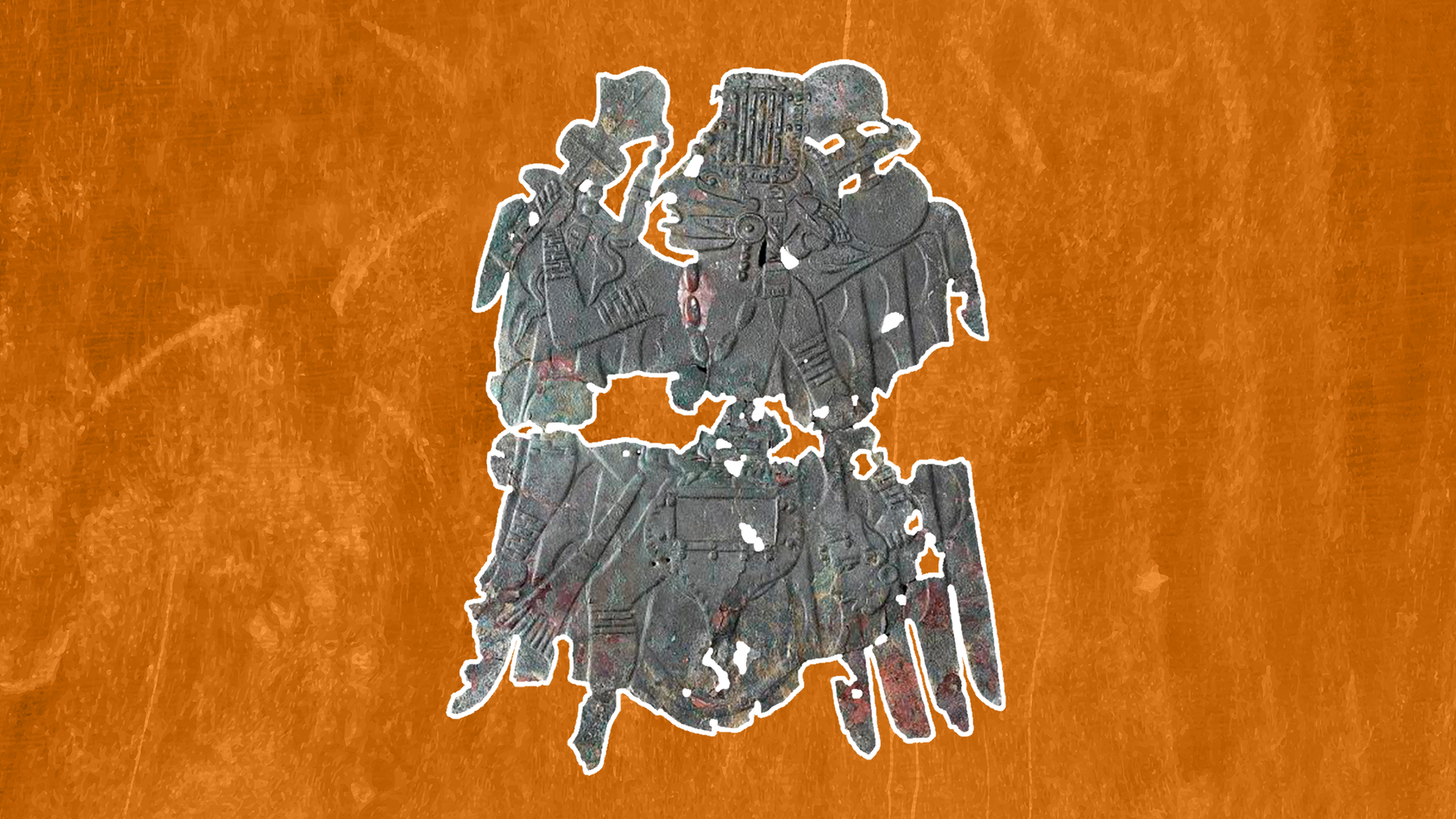
АНУ-ын Жоржиа муж дахь Этовагийн эртний суурингаас олдсон энэхүү олдвор нь Миссисипийн соёл иргэншлийн үеийн уугуул иргэдийн жендерийн өвөрмөц үүрэг гүйцэтгэдэг байсныг гэрчилж байна.
1880-аад онд археологич Жон П. Роганы малтан илрүүлсэн “Шувуун хүн” (Birdman) хэмээх зэс хавтан нь өдгөө Смитсоны байгалийн түүхийн үндэсний музейн цуглуулгад хадгалагдаж байна. МЭ XIV зууны үед хамаарах уг эд өлгийн зүйл нь анх Иллинойс муж дахь Кахокиа суурингаас гаралтай бөгөөд хожим худалдааны замаар өмнө зүгт Этовад хүрсэн гэж судлаачид үздэг. Хавтан дээр шувууны хувцас өмссөн, гартаа зэвсэг болон тасдсан толгой барьсан хүний дүрслэл байдаг бөгөөд үүнийг урьд нь эр хүйсийн дайчин гэж таамаглаж ирсэн.
Гэвч археологич Билли Фолленсби болон урлаг судлаач Кэти Бьюфорд нарын 2017 оны судалгаагаар уг дүрслэл нь эмэгтэй хүний шинжийг агуулж байгааг тогтоожээ. Судлаачдын үзэж буйгаар, энэхүү хавтан нь уугуул иргэдийн дунд түгээмэл байсан “эр зоригт эмэгтэй” буюу жендерийн хувьд эрэгтэйчүүдийн үүргийг гүйцэтгэдэг байсан хүнийг дүрсэлсэн байх магадлалтай юм.
Энэхүү олдвор нь уугуул иргэдийн соёлд жендерийн уламжлалт бус үүрэг, тэр дундаа өнөөгийн “хоёр сүнстэн” (two-spirit) хэмээх ойлголттой дүйцэхүйц статустай хүмүүсийг дээдлэн хүндэтгэдэг байсныг нотолж байна. Ийм дүр төрх бүхий эд зүйлийг өндөр зиндааны хүний булшинд дагалдуулан тавьсан нь тухайн нийгэмд эдгээр хүмүүс өндөр байр суурь эзэлдэг байсныг илтгэнэ.
Дэлгэрэнгүйг эх сурвалжаас харах
↓Эх сурвалжийг нээх ↓
Name: “Birdman” copper plate
What it is: A copper plate with a hammered decoration
Where it is from: Cahokia Mounds, Illinois
When it was made: 13th century
This copper plate was discovered in the late 19th century in a prehistoric Native American burial at the Etowah Indian Mounds archaeological site in Georgia, but it was likely made hundreds of miles away at Cahokia Mounds in Illinois. While the decorative plate showcases long-distance trade and a shared ritual culture among early Indigenous groups in the southeastern United States, the nature of the human figure depicted on the artifact has been debated for over a century.
The “Birdman” relic is one of two hammered copper plates that Smithsonian archaeologist John P. Rogan unearthed in the 1880s while digging in a burial mound at Etowah, a centuries-old village occupied by thousands of Native Americans from 1000 to 1550. Etowah was part of the “mound-building,” or Mississippian, phase of Indigenous occupation; other famous sites include Moundville in Alabama and Cahokia in Illinois. These groups had extensive trade networks and shared a common artistic and ceremonial tradition known as the Southeastern Ceremonial Complex.
This copper artifact, known as Rogan Plate 1 or the “Birdman” plate, is in the collection of the Smithsonian National Museum of Natural History in Washington, D.C. The plate is roughly 11 inches (28 centimeters) tall and had been buried with a high-status person who likely died at Etowah in the mid-14th century. But experts believe the copper plate was an heirloom made decades earlier, at Cahokia, and traded south to Etowah.
A human figure dominates the copper plate with its elaborate bird costume. The person carries a severed head by the hair in their left hand, while their right hand holds a club or mace. The figure also wears a pleated skirt or loincloth that may have been made from human scalps. This bird-human figure is commonly depicted in the Southeastern Ceremonial Complex and has been called a dancing warrior, eagle warrior, eagle dancer, hawk dancer, falcon dancer and falcon warrior. But more often, the figure is called Birdman or Morning Star, a prehistoric Mississippian hero associated with agriculture and rebirth.
Archaeologists’ interpretations of the Birdman plaque from Etowah have long assumed that the represented figure is a male warrior. In a 2004 study, for example, archaeologist Adam King wrote that “this plaque would have served as an emblem of office awarded to a chieftain, and would have accompanied him as a sign of his strength among the ancestral spirits.”
But the sex of the skeleton in the Etowah burial is unclear, and there were high-status graves of both men and women at Etowah, archaeologist Billie Follensbee and art historian Katie Buford wrote in a 2017 study. Although experts previously assumed that both Rogan Plate 1 and Rogan Plate 2 represented male warriors, Follensbee and Buford found that the figures have slender bodies with prominent right breasts, suggesting the “Birdman” may have actually been female.
“A female bird-human warrior could have represented a gender variant individual in the form of the well-known Native American phenomenon of the ‘manly-hearted woman,’ a woman who has assumed the usually male role and the garb of a combat soldier,” Follensbee and Buford wrote. In addition to the historic term “manly-hearted woman,” third-gender or gender-variant individuals in Indigenous North America are often referred to as “two-spirit,” a broad term Indigenous people coined in 1990 to describe people who take on gender-nonconforming roles.
The commemoration of a two-spirit individual on a copper artifact, as well as the use of the artifact as a high-status grave good, “not only demonstrates the Native American cultural acceptance of such gender variant roles but also further serves to celebrate the elite status and achievements of these ‘manly-hearted women,'” Follensbee and Buford wrote.
For more stunning archaeological discoveries, check out our Astonishing Artifacts archives.
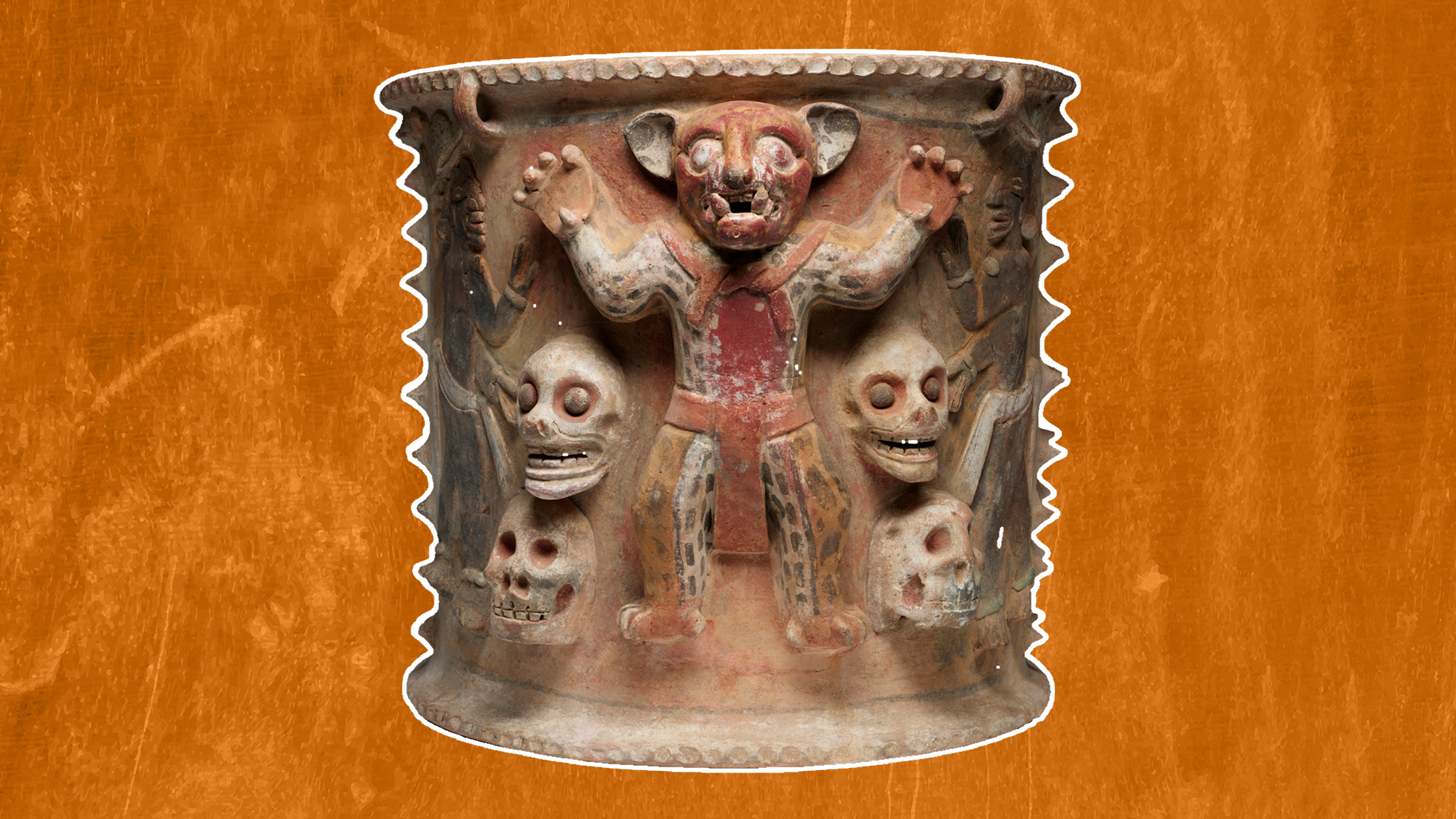
Jaguar Urn
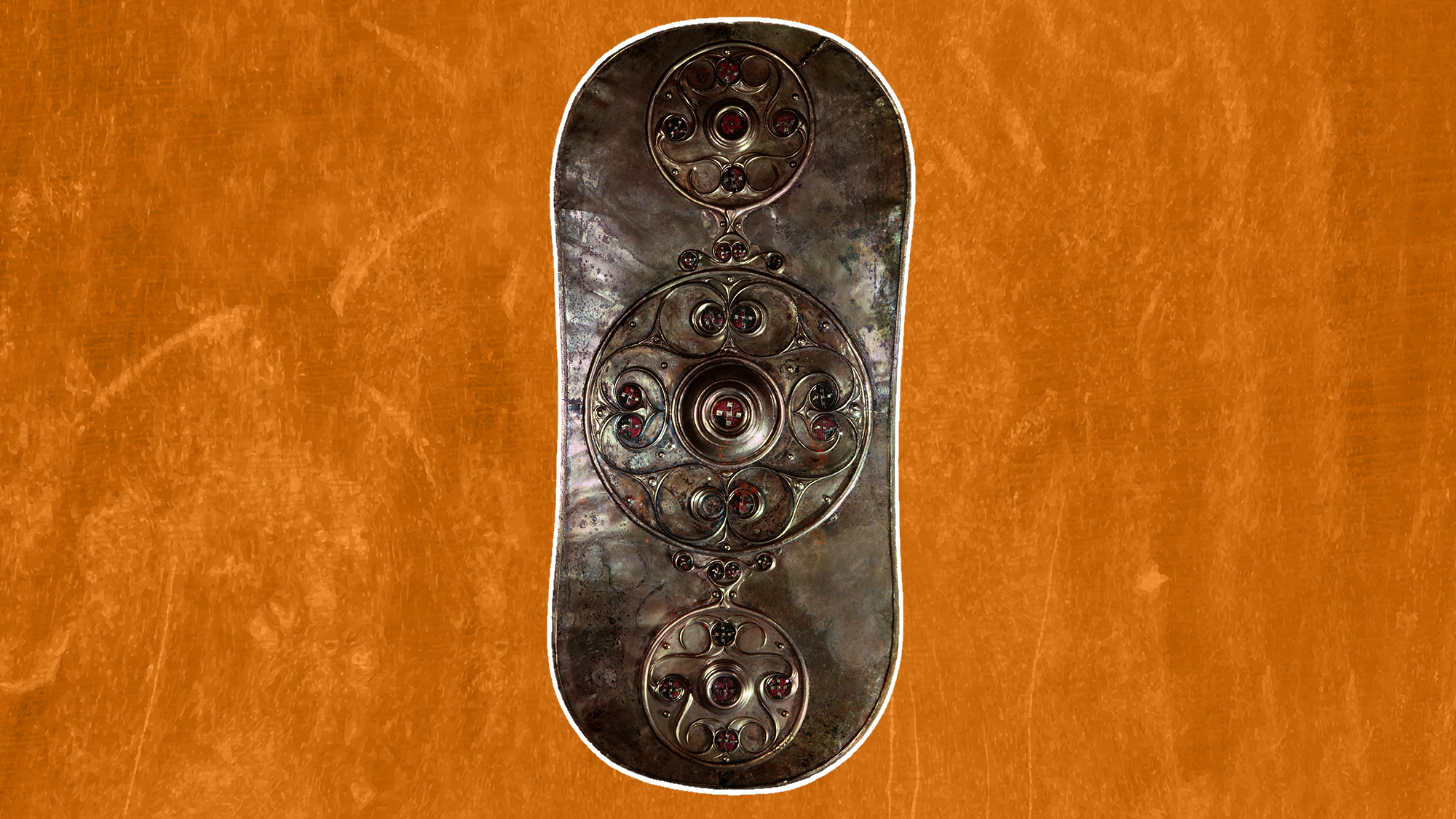
Battersea Shield
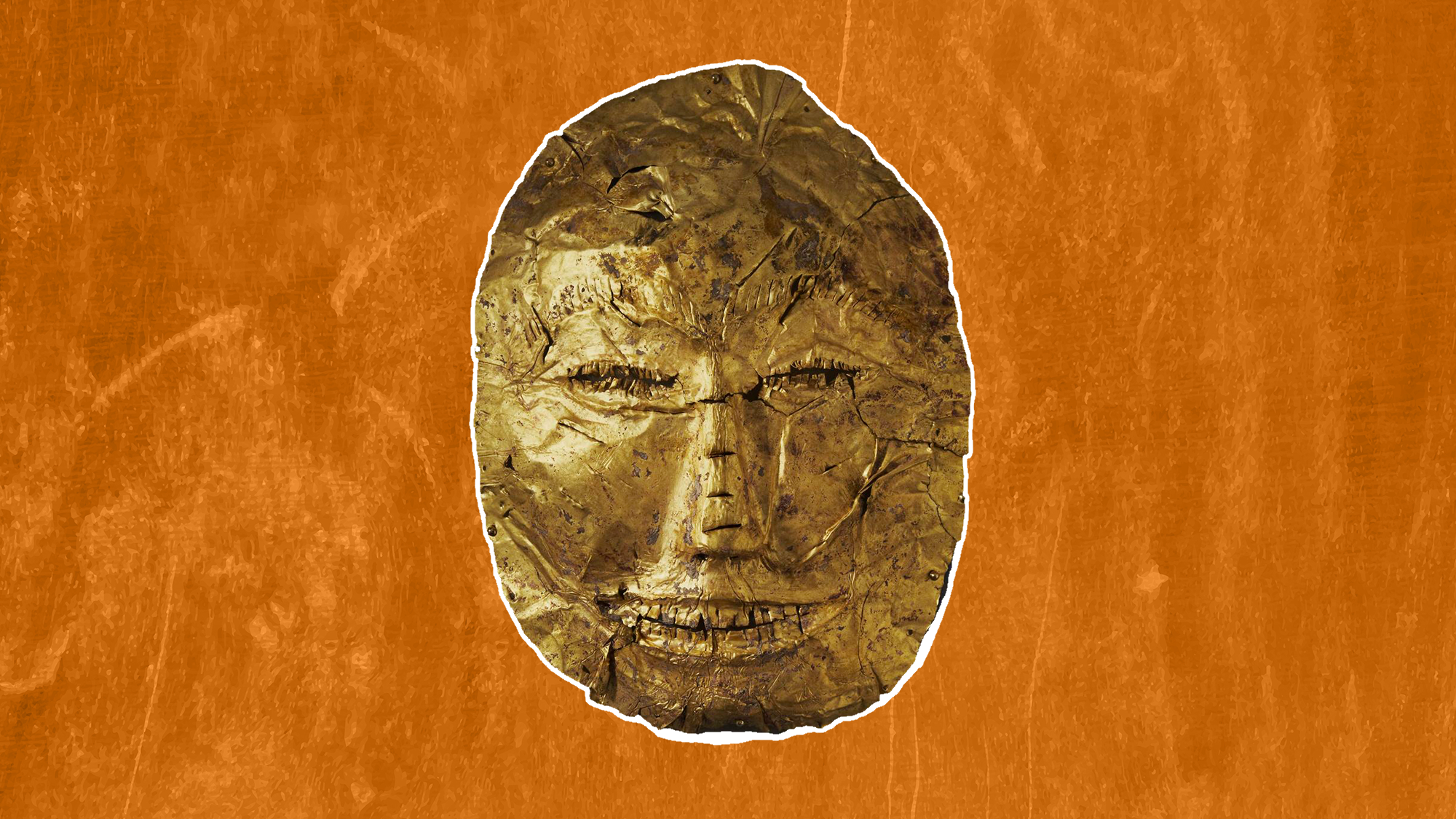
Java Mask
Can you put together last week’s Astonishing Artifact?

