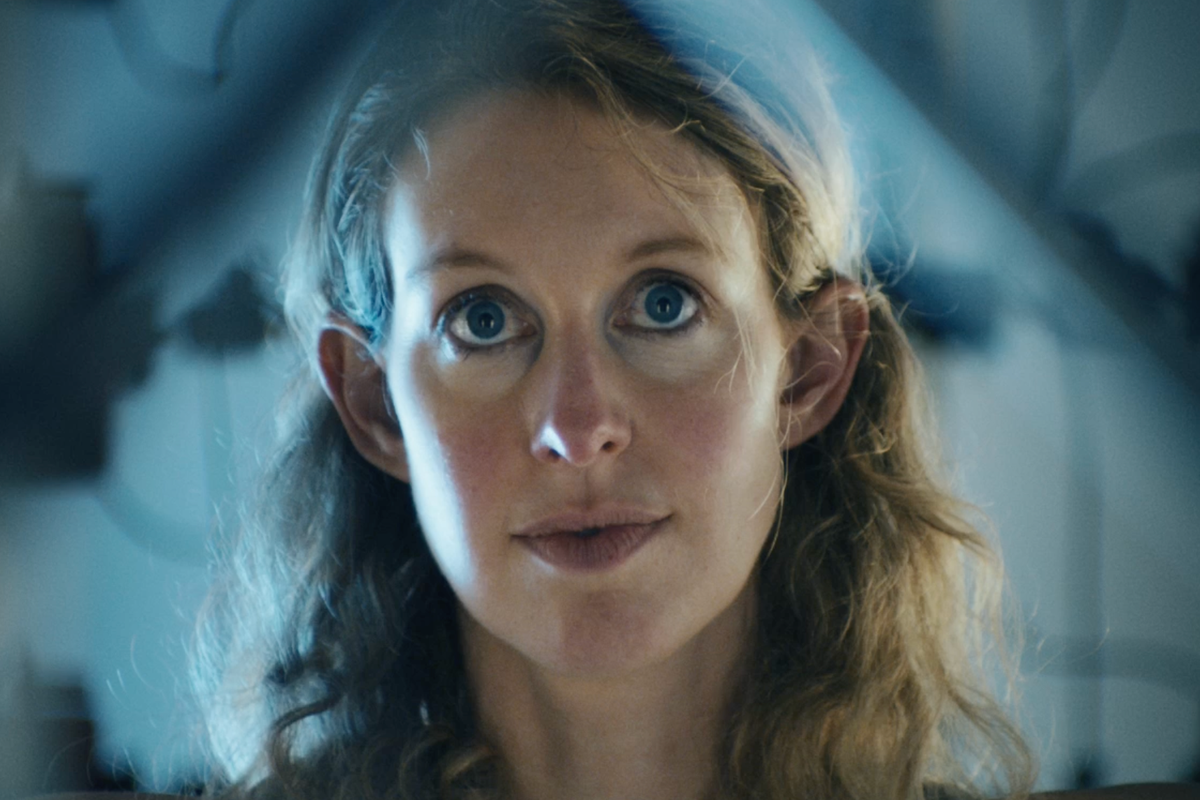
Элизабет Холмсын тухай өгүүлэх “You Can See Everything” баримтат кинонд жүжигчин Аманда Сейфрид оролцсон нь үзэгчдийн анхаарлыг татаж байна.
Натан Филдер болон Лэнс Оппенхайм нарын найруулсан “You Can See Everything” баримтат кино нь Theranos компанийг үүсгэн байгуулагч Элизабет Холмсын амьдрал болон түүний уналтын тухай өгүүлдэг. Киноны үйл явцын 90 дэх минутад “The Dropout” цувралд Холмсын дүрийг бүтээж байсан Аманда Сейфрид гэнэт гарч ирэх нь үзэгчдэд хүчтэй сэтгэгдэл төрүүлж байна. Энэхүү баримтат кинонд Холмс өөрийнх нь тухай өгүүлсэн “The Dropout” цувралыг сүйт залуу Билли Эвансын хамт үзэж буй хэсгийг багтаажээ.
Аманда Сейфрид киноны үйл явцад Холмсын сэтгэл зүйг тайлах, түүний үйлдэл болон нийгэм дэх дүр төрхийн хоорондох зөрчилдөөнийг шинжлэхэд чухал үүрэг гүйцэтгэдэг. Тэрээр Холмс болон Билли Эванс нартай нүүр тулсан уулзалтуудад оролцож, өөрийн бүтээсэн дүрийн бодит байдалтай холбоотой асуултуудыг хөндөж байна. Мөн Филдерийн найруулсан тайзны дүрслэлүүдэд Сейфрид Холмсын дүрийг дахин бүтээж, түүний хувь хүний эвдэрхий болон хиймэл төрхийг илүү гүнзгий гаргахыг зорьжээ.
Шүүмжлэгчид Сейфридийн энэхүү оролцоог баримтат киноны хүрээнд гаргасан гайхалтай гүйцэтгэл хэмээн үнэлж, түүнийг “Оскар”-ын шагналд нэр дэвших магадлалтай эсэхийг хэлэлцэж байна. Хэдийгээр Академийн дүрэмд баримтат киноны оролцогчдыг жүжигчний төрөлд нэр дэвшүүлэх асуудал бүрхэг ч, энэ нь өвөрмөц шийдэлтэй бүтээл болсон гэж үзэж байна. “You Can See Everything” кино АНУ-ын кино театруудад гарч эхэлсэн бол Их Британид 11 дүгээр сарын 20-нд нээлтээ хийх юм.
Дэлгэрэнгүй эх сурвалжийг харах
Эх сурвалжийг нээх ↓
Want to bookmark your favourite articles and stories to read or reference later? Start your Independent Membership today.
Already a member?
Nathan Fielder’s phantasmagorical new documentary about Elizabeth Holmes, You Can See Everything, is a tale of two quasi-charlatans. One is a comedy genius, who has used his powers of nonsense subterfuge to save struggling businesses and improve the airline industry via the wisdom of Evanescence lyrics. The other is a convict, who is currently sitting in a prison cell – wide-eyed and unusual – for defrauding investors in her doomed blood-testing company Theranos.
Watching them in the breathtaking You Can See Everything is like witnessing two profoundly odd con artists play mind games with one another – neither wants to blink first, otherwise their respective house of cards will fall down. The film, directed by Fielder and the suddenly ubiquitous Lance Oppenheim – whose other new movie, the Robert Pattinson starrer Primetime, is a second tale of notorious public kooks tussling with the truth – is awash in outrageous tonal shifts and plot twists, and plays at its best when you have absolutely no idea where it’ll go next. And never is that more true than in the actions of its surprise guest star, who arrives 90 minutes into the two-and-a-half-hour-long You Can See Everything like an electrical jolt. This person – who has been entirely absent from the film’s marketing – delivers one of the most thrilling, fascinating and potentially history-making performances of the year. Well, “performance” in a sense.
*Spoilers for You Can See Everything follow, so be warned*
Four years ago, Disney and Hulu released The Dropout, an eight-part drama series about Holmes and her spectacular rise and fall, from her beginnings as a chemical engineering student at Stanford University, to her ill-fated and potentially inappropriate relationship with a tech entrepreneur 19 years her senior, to her founding of Theranos. In the role was Amanda Seyfried (replacing the Saturday Night Live star Kate McKinnon – and what a Sliding Doors horror show that would have been), who played Holmes as an elusive, brilliant and damaged but undeniably strange hyperbolist. It was the greatest television performance of that year, arguably a career-high for Seyfried, and won her an Emmy and a Golden Globe.
In You Can See Everything, we learn that the show – and Seyfried’s interpretation of Holmes – has clearly weighed on Holmes herself. She believes it was damaging to her image in the public consciousness, and admits that she’s been too anxious to actually sample the show. But she finally does, here, with Fielder sitting and watching as Holmes and her equally unusual fiance Billy Evans – he of the shifty Rami Malekian eyes and deeply unerotic full-frontal nudity – watch episodes of The Dropout on their laptop. Holmes squirms, cries, and eventually begs to have it turned off.
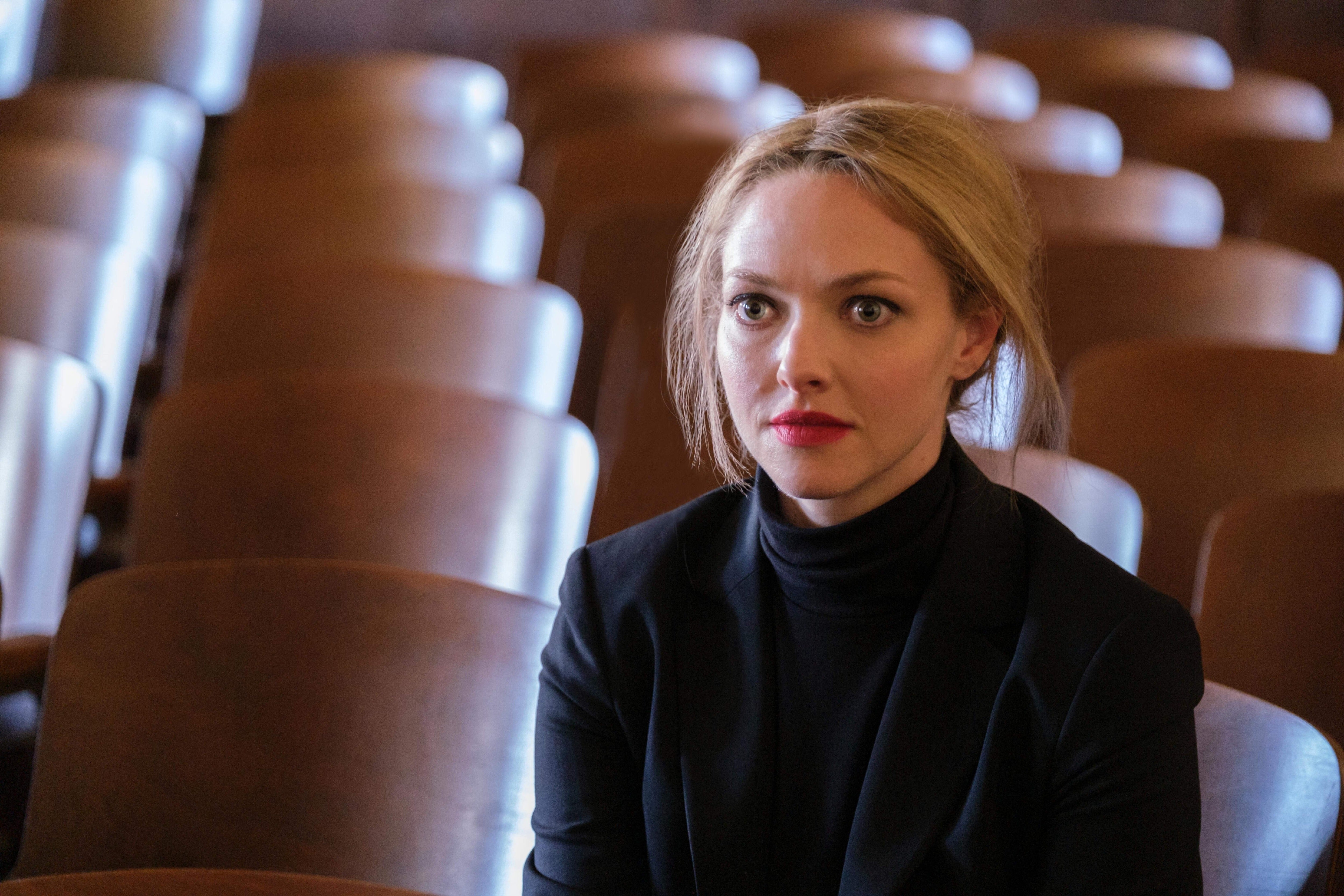
And then the actual Amanda Seyfried arrives in the film, asked by Fielder to watch Elizabeth Holmes watch Amanda Seyfried pretend to be Elizabeth Holmes. By this point it’s been two years since Fielder last saw Holmes, who allowed him and his camera crew to live in her home in the weeks before her prison sentence began. He needs a fresh perspective on her. And who better than probably the only other living person to spend this much time trying to decipher her brain? Here, Seyfried becomes a bit of a skeleton key to Holmes’s psyche, expressing empathy at her plight yet suspicion at her motives.
As the film unfurls, Seyfried becomes even more of a presence, acting as an audience surrogate daring to say the things Fielder – by turns repelled and seduced by Holmes – is too quirkily monosyllabic to say. She starts to analyse her own culpability in Holmes’s public image, and articulate the strange magic of performance. Was The Dropout entirely ripped from the truth? Does it matter that it wasn’t? What even is language and intent when language and intent is so slippery?
Seyfried is brought back again soon after, vowing to crack Evans as she and Fielder learn that he is impersonating his imprisoned fiancée online and has developed an AI version of Holmes who can say and do anything he commands it to. A dinner confrontation between Seyfried, Evans and Fielder plays like a psycho-thriller, Evans uncomfortably boasting of his sexual prowess and insulting Seyfried’s job and her worth. He jabs at an Instagram post Seyfried made criticising the hard-right agitator Charlie Kirk shortly after his murder, attempting to use it as further proof that Seyfried herself is soulless. She jabs right back, defending her thoughts on Kirk and, later, saying to Fielder what everyone watching is thinking: that Evans is really quite mad.
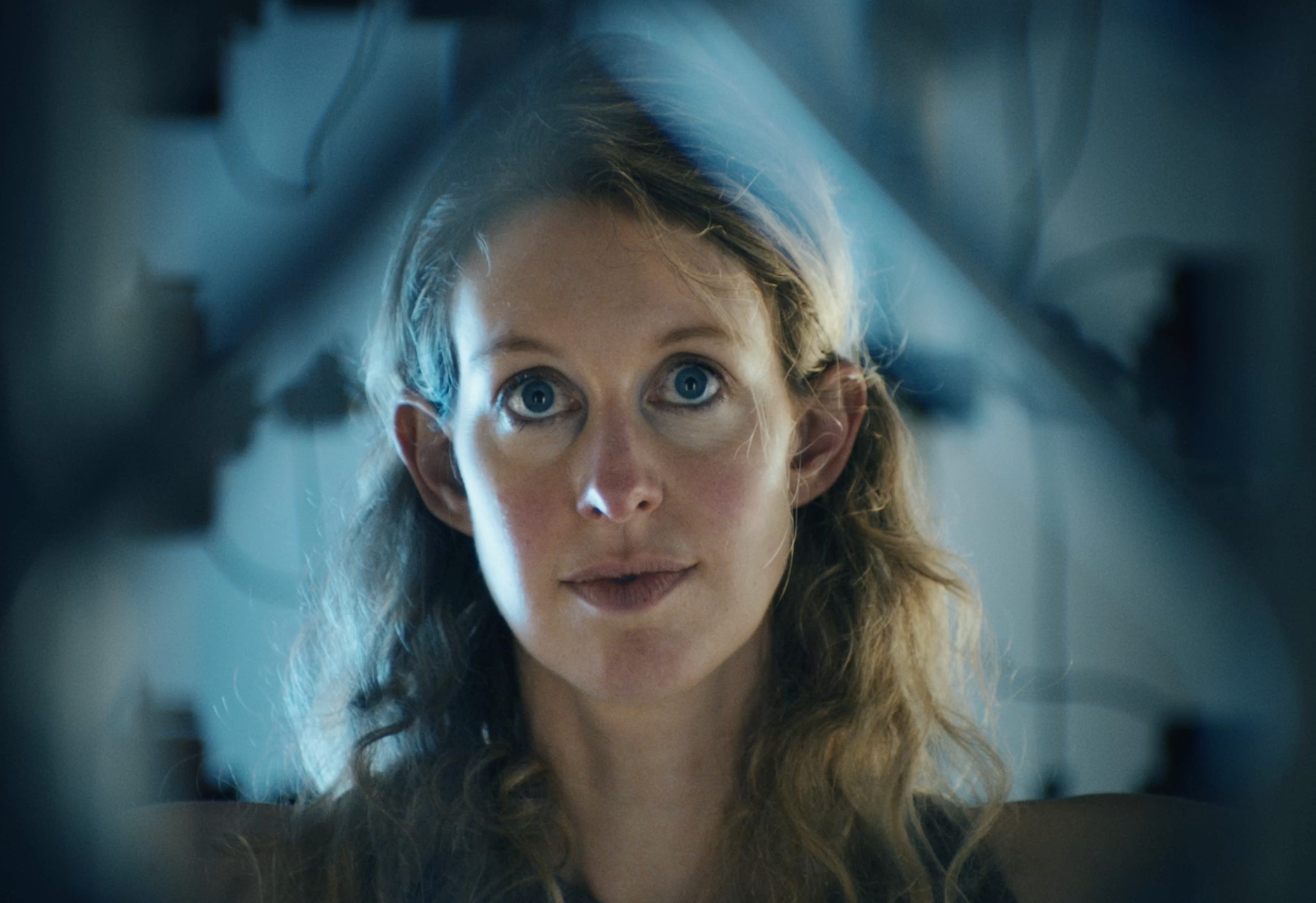
On top of all of this are the dramatic reenactments, Seyfried drafted in to play Holmes once again in conversations she had with Fielder off-camera, which Fielder has scripted from memory. (As an aside, You Can See Everything is more than anything a culmination of Fielder’s work in the docu-comedy series The Rehearsal and Nathan for You, which so elegantly fused surrealist humour and existential questioning of truth and identity.) Just as on The Dropout, Seyfried nails Holmes’s uncanny gait and curious mix of practiced artificiality and innate allure, but also the broken quality that Holmes has now – that sense of somebody vainly, desperately trying to prove their own worth with very little to back it all up.

Watch Apple TV free for 7 day
New subscribers only. £9.99/mo. after free trial.
Plan auto-renews until cancelled.
ADVERTISEMENT. If you sign up to this service we will earn commission. This revenue helps to fund journalism across The Independent.
All together it’s an absolutely thrilling piece of… if not performance, then presence, Seyfried coming off as a woman of incredible strength and emotional intelligence, who coolly rejects Holmes’s later attempts to shame her work in The Dropout as anti-feminist, and who dares to address the strange frisson that seems to have cropped up between Fielder and Holmes over the years. I had an enormous grin on my face every time she was on screen. It is delicious to behold.
As much as it’s annoying to cry Oscar whenever someone is very, very good in a film, one can’t help but ponder whether Seyfried could be nominated for an Academy Award for her work here. You Can See Everything is, technically, a documentary, but Seyfried has enough entirely legitimate acting moments in the film that we should at least entertain the prospect of awards attention. And while Academy rules stipulate that participants in documentaries aren’t eligible for consideration in acting categories, there is a backdoor route in which members of the acting branch of voters can petition a performance for consideration. It would be incredibly funny and unexpected if Seyfried did indeed go all the way. But for a film as mind-bending as You Can See Everything, it’d also feel just right, wouldn’t it?
‘You Can See Everything’ is in US cinemas, and is released in the UK on 20 November

