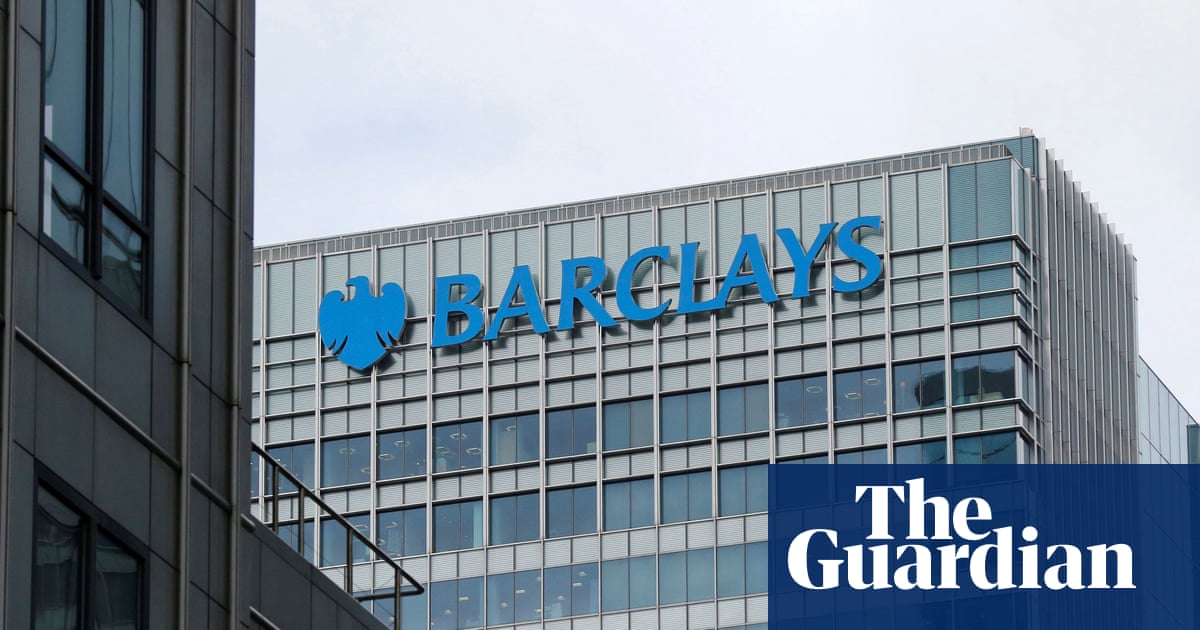
Английн банк Barclays-ийн хувийн зээлийн салбартай холбоотой санхүүгийн үйл ажиллагаанд хяналт шалгалт хийж эхэлжээ.
Английн банкны зохицуулалтын байгууллага болох Prudential Regulation Authority (PRA) энэ онд тус банкны дотоод эх сурвалжаас ирсэн мэдээллийн дагуу шалгалтыг эхлүүлсэн байна. Асуудал нь хувийн зээлийн фирмүүдэд олгосон зээлийг санхүүжүүлэхэд ашигласан “total return swaps” буюу нийт өгөөжийн своп хэлцлийг бүртгэх үйл явцтай холбоотой аж. Эдгээр деривативыг буруу багцад бүртгэж, эрсдэлийг бодит байдлаас нь багаар харуулсан байж болзошгүй гэж үзэж байна.
Энэхүү алдаатай бүртгэл нь банк болзошгүй алдагдлыг нөхөхөд шаардлагатай хөрөнгийн нөөц бүрдүүлээгүй байх, мөн ашигт ажиллагаагаа хийсвэрээр өсгөсөн байх эрсдэлтэй юм. Barclays банкны зүгээс нийт өгөөжийн своп хэлцлийг бүртгэхдээ нягтлан бодох бүртгэл болон зохицуулалтын шаардлагыг бүрэн хангасан гэж мэдэгдсэн байна. Тус банк нь хувийн зээлийн салбарт 15 тэрбум фунт стерлингийн өртэй бөгөөд үүний 300 сая фунт нь холбогдох деривативт хамаардаг гэж тайлбарлав.
Даваа гарагт Barclays-ийн хувьцааны ханш 3.5 хувиар унаж, FTSE 100 индексийн хамгийн их бууралттай хувьцаануудын нэг болжээ. Тус банкны гүйцэтгэх захирал CS Venkatakrishnan өнгөрсөн жил хувийн зээлийн салбарын эрсдэлийг удирдах хангалттай хяналтын тогтолцоотой гэж мэдэгдэж байсан ч сүүлийн үед энэ салбарын зээлийн стандарт суларсан гэх шүүмжлэл гараад байна. Ажиглагчдын үзэж буйгаар хувийн зээлийн салбарт үүсэж буй хүндрэл нь тус салбартай нягт холбоотой уламжлалт банкуудад сөрөг нөлөө үзүүлж болзошгүй юм.
skip past newsletter promotion
after newsletter promotion
Дэлгэрэнгүйг эх сурвалжаас харах
↓Эх сурвалжийг нээх ↓
The Bank of England is reportedly looking into Barclays’ handling of loans linked to the embattled private credit sector.
The Bank’s regulatory arm, the Prudential Regulation Authority (PRA), started reviewing the matter this year after concerns were raised by a Barclays insider, according to the Financial Times.
The concerns related to the way Barclays logged the derivatives, known as total return swaps, used to finance the loans it issues to private credit firms. Those derivatives – financial contracts that track the performance of an underlying asset – are said to have been logged in the wrong portfolio, indicating they were less risky than they actually were.
That could mean the bank was not holding enough capital to cover potential losses, and could have boosted its profitability.
Barclays is said to have built up billions of dollars’ worth of exposure to private credit loans using derivatives, according to sources cited by the Financial Times.
The bank said: “Barclays’ treatment of total return swaps is consistent with accounting and regulatory capital requirements.”
It added that it followed capital rules when deciding where to log certain assets. “Those conditions were met and supported by appropriate governance internally and by external advisers,” Barclays said.
The bank said its total exposure to the private credit sector was worth about £15bn, and that the relevant derivatives accounted for £300m of that total.
The Bank of England declined to comment.
Shares in Barclays fell by 3.5% on Monday, the second-biggest faller on the FTSE 100 index, amid a wider sell-off in the banking sector. The bank is due to report its latest financial results on Thursday.
The report could prove awkward for the new PRA boss, Katharine Braddick, who spent six years as Barclays’ head of strategic policy and senior adviser to its chief executive, before becoming head of the bank regulator this spring.
The Bank of England said Braddick was recused from all matters relating to Barclays until the end of 2026.
Last year, Barclays’ chief executive, CS Venkatakrishnan, insisted it had the right controls in place to manage its exposure to the private credit industry, where critics worry lending standards have slipped.
after newsletter promotion
Private credit firms – which form a core part of the shadow banking sector – use investor money to fund their loans to companies, rather than customer loans or deposits, and face less regulation as a result.
Traditional banks, worried about missing out on a booming market, started lending directly to private credit firms or their funds, and to companies that simultaneously borrowed from private credit firms. A growing number of banks have also been partnering with asset managers on private credit deals.
However, critics worry that private credit players have been too lenient in deciding who to lend to, and regulators have said any fallout could destabilise traditional banks that are now intertwined with the industry.
Growing anxieties also triggered a multibillion-pound surge in withdrawals from some private credit funds earlier this year, forcing some to cap the amount of money that clients can pull out.
The private credit industry has been trying to recover after some high-profile company failures, including two private credit-backed US automotive companies, Tricolor and First Brands, last year, both of which were hit by fraud allegations. That was followed by the mortgage lender Market Financial Solutions (MFS), which collapsed in February amid allegations of fraud.
Barclays was among the banks that suffered losses on the back of Tricolor’s collapse, alongside JP Morgan. Barclays also took a £228m hit after the MFS failure.

