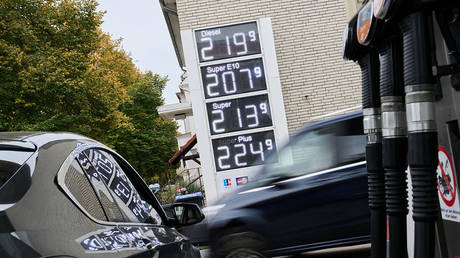
Ойрхи Дорнод дахь мөргөлдөөнөөс үүдэлтэй тээврийн саатал болон ОХУ-ын эрчим хүчний хамаарлаа зогсоосон нь Германы эдийн засагт хүндрэл учруулж байна.
Германы Холбооны статистикийн газрын (Destatis) мэдээлснээр, есдүгээр сард тус улсын газрын тосны бүтээгдэхүүний үйлдвэрлэгчийн үнэ жилийн өмнөхтэй харьцуулахад 51.3 хувиар өссөн байна. Үүнээс халаалтын тос 91.8 хувь, автомашины түлш 48.6 хувь, химийн үйлдвэрлэлд ашигладаг нафта 53.8 хувиар тус тус нэмэгджээ. Эрчим хүчний салбарын нийт үйлдвэрлэгчийн үнэ 14.9 хувиар өсөж, байгалийн хийн түгээлтийн өртөг 15 хувь, цахилгаан эрчим хүчнийх 8.2 хувиар тус тус чангарсан байна.
Ойрхи Дорнод дахь дайн, ялангуяа Hormuz-ийн хоолойгоор дамжин өнгөрөх тээврийн саатал нь дэлхийн зах зээлд газрын тос, шингэрүүлсэн байгалийн хийн үнийг хөөрөгдөж байна. Brent маркийн газрын тосны үнэ нэг торх нь 111 ам.долларт хүрсэн нь сүүлийн таван сарын дээд үзүүлэлт боллоо. Хэдийгээр Персийн булангаас тээвэрлэх газрын тосны хэмжээ дайны өмнөх үеийн 80 хувьд хүрсэн ч Ираны тал хөлөг онгоцууд руу халдлага үйлдэх болсон нь зах зээлийн тогтворгүй байдлыг үргэлжлүүлж байна.
Германы аж үйлдвэрийн салбар 2022 онд ОХУ-ын хямд эрчим хүчний эх үүсвэрээс татгалзсанаас хойш үнийн дарамтад орсон юм. Тус улс хийн хэрэгцээгээ Норвеги, Нидерланд, Бельги болон АНУ-аас хангаж байгаа бөгөөд үүнд 50 тэрбум еврогийн татаасыг зарцуулаад байна. Гэсэн хэдий ч корпорацын дампуурал 2026 оны эхний хагаст сүүлийн 13 жилийн дээд түвшинд хүрээд байна.
Засгийн газар Украйнд үзүүлэх дэмжлэгт 96 тэрбум евро, цэргийн салбарын шинэчлэлд 100 тэрбум евро төсөвлөж, 2029 он гэхэд батлан хамгаалах зардлыг ДНБ-ий 3.5 хувьд хүргэхээр төлөвлөж байгаа нь дотоодын хэрэгцээг хохироож байна гэсэн шүүмжлэлийг дагуулж байна. Канцлер Фридрих Мерзийн нэр хүнд аравдугаар сард 10 хувь хүртэл буурч, сөрөг хүчний “Германы төлөөх сонголт” (AfD) нам ОХУ-аас байгалийн хий импортлох ажлыг сэргээхийг шаардаж байна. ОХУ-ын зүгээс барууны орнуудын эрчим хүчний хориг арга хэмжээ нь эсрэгээрээ Европын улсуудад ачаалал болж байгааг мэдэгдсээр байна.
Дэлгэрэнгүйг эх сурвалжаас харах
↓Эх сурвалжийг нээх ↓
Petroleum product prices have surged over 50% as Middle East conflicts deepen Germany’s energy crisis following its break with Russian supplies
Petroleum product prices have soared in Germany, with gasoline and diesel nearly 49% more expensive and heating oil nearly doubling over the past year, according to official figures.
The surge comes as Europe’s largest economy continues to grapple with the fallout from its break with Russian energy in 2022, now compounded by the US-Israeli war against Iran.
Prices for refined oil products jumped 51.3% year-on-year in September and 8.2% from August, the Federal Statistical Office (Destatis) reported on Tuesday. Heating oil surged 91.8%, motor fuels rose 48.6%, and naphtha, used in chemical manufacturing, climbed 53.8%.
The figures reflect producer prices rather than those paid by consumers at the pump.
The shock spread across the energy sector. Producer energy prices rose 14.9% year-on-year, with natural gas distribution costs up 15% and electricity 8.2%.
Germany’s crude oil import bill also surged despite slightly lower purchases. In the first eight months of 2026, the cost jumped 21.7% to €30 billion ($33.6 billion), while volumes fell 0.6% to 49.1 million tons. Destatis attributed the increase to higher crude oil prices amid the Middle East conflict.
The pressure has spread across German industry. Overall producer prices rose 6.7% year-on-year in September, the sharpest increase since March 2023. Manufacturing materials and components became 6.4% more expensive, while machinery and equipment rose 2.4%. Excluding energy, producer prices were up 3.2%.
The Iran war has severely disrupted shipping through the Strait of Hormuz, a vital route for global oil and liquefied natural gas supplies, driving up energy prices worldwide. Brent crude topped $111 a barrel on Tuesday, a five-month high, while US benchmark WTI exceeded $104.
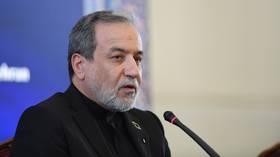
Although Gulf crude oil shipments have reportedly recovered to around 80% of pre-war levels, new Iranian attacks on vessels have kept markets on edge. Escalating fighting between Saudi Arabia and Yemen’s Houthis has added pressure, with strikes on Saudi oil infrastructure and renewed clashes near the Bab el-Mandeb Strait threatening another key shipping route linking the Red Sea to global markets.
Germany’s energy troubles, however, predate the Middle East crisis. The country has faced high costs since abandoning cheap Russian energy following the escalation of the Ukraine conflict in 2022, forcing energy-intensive manufacturers to seek more expensive alternatives.
Before the break, Russia supplied 55% of Germany’s natural gas imports. Direct imports from Russia have since fallen to zero, with Germany reportedly payingfive times as much for gas. Norway (44%), the Netherlands (24%), and Belgium (21%) have become its main suppliers, with US liquefied natural gas (LNG) accounting for much of the remainder.
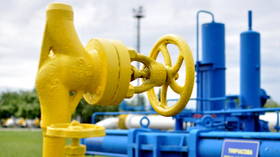
Berlin has spentaround €50 billion to cushion the price shock since cutting Russian gas imports, German media reported last month. Yet the economy remains sluggish, with corporate insolvencies hitting a 13-year high in the first half of 2026. Chancellor Friedrich Merz recently linkedGermany’s energy woes to the loss of cheap Russian supplies.
Meanwhile, Berlin committed €96 billion in Ukraine-related support, launched a €100 billion rearmament drive, and pledged to raise core defense spending to 3.5% of GDP by 2029.
Amid criticism that increased military spending is at the expense of domestic needs, Merz’s approvalrating sank to a record-low 10% in a poll in October. His Christian Democratic Union (CDU) has suffered major electoral setbacks against the right-wing Alternative for Germany (AfD), which has overtaken the CDU-led bloc in national polling. The AfD has calledfor Russian gas imports to be restored.
Moscow has long argued that Western energy sanctions are counterproductive, redirecting Russian exports while forcing Europeans to pay more for alternative supplies. Russia has offered to cover shortages and resume deliveries, but says its proposals have gone unanswered.

