АНУ-ын зүгээс үзүүлэх дэмжлэг суларч буй энэ үед Европын орнууд Украйныг үргэлжлүүлэн дэмжихээ илэрхийлж байгаа ч улс төрийн тодорхойгүй байдал нь ирээдүйд сорилт учруулж болзошгүй байна.
Украйн улс ОХУ-ын бүрэн хэмжээний түрэмгийллийн дараах тав дахь өвлөө угтаж байгаа бөгөөд Европын холбоо 2022 оноос хойш 236 тэрбум еврогийн тусламж үзүүлээд байна. Гэсэн хэдий ч АНУ-ын зүгээс үзүүлэх дэмжлэг тасалдаж, Starlink хиймэл дагуулын сүлжээ болон Patriot зенит пуужингийн системийн нийлүүлэлт хязгаарлагдсанаар Украйны батлан хамгаалах чадавхид сөрөг нөлөө үзүүлж байна.
Европын дотоод нөхцөл байдал ч мөн амаргүй байгаа бөгөөд Герман, Франц, Итали зэрэг томоохон эдийн засагтай орнуудын тусламжийн хэмжээ харилцан адилгүй байна. Ялангуяа ирэх жилүүдэд Европын томоохон орнуудад болох сонгуулиуд болон баруун жигүүрийн намуудын нөлөө өсөж байгаа нь Украйнд үзүүлэх санхүүгийн тусламжийг хуваагдалд оруулах эрсдэлтэй гэж шинжээчид үзэж байна.
Францын улс төрийн нөхцөл байдал, ялангуяа Марин Ле Пенийн тэргүүлж буй хүчний байр суурь нь Европын холбооны Украйнд үзүүлэх цаашдын тусламжийн төлөвлөгөөг эргэлзээтэй болгож байна. Хэдийгээр Европын комисс 2027 онд үүсэх санхүүжилтийн дутагдлыг нөхөх арга замыг хайж байгаа ч улс төрийн болон эдийн засгийн бодит байдал нь Европын нэгдмэл дэмжлэгийг сулруулж, ОХУ-д давуу тал олгож болзошгүй нөхцөл байдал үүсээд байна.
Дэлгэрэнгүйг эх сурвалжаас харах
↓Эх сурвалжийг нээх ↓
Europe woke up last Friday to another belligerent outburst from Donald Trump – this time berating Ukraine’s wartime leader Volodymyr Zelenskyy again. Just a few days after his diesel deal with the Kremlin, the US president said Zelenskyy was more difficult to deal with than Vladimir Putin and blamed Ukraine’s leader for rocketing oil prices – without any reference to the impact of his own war on Iran.
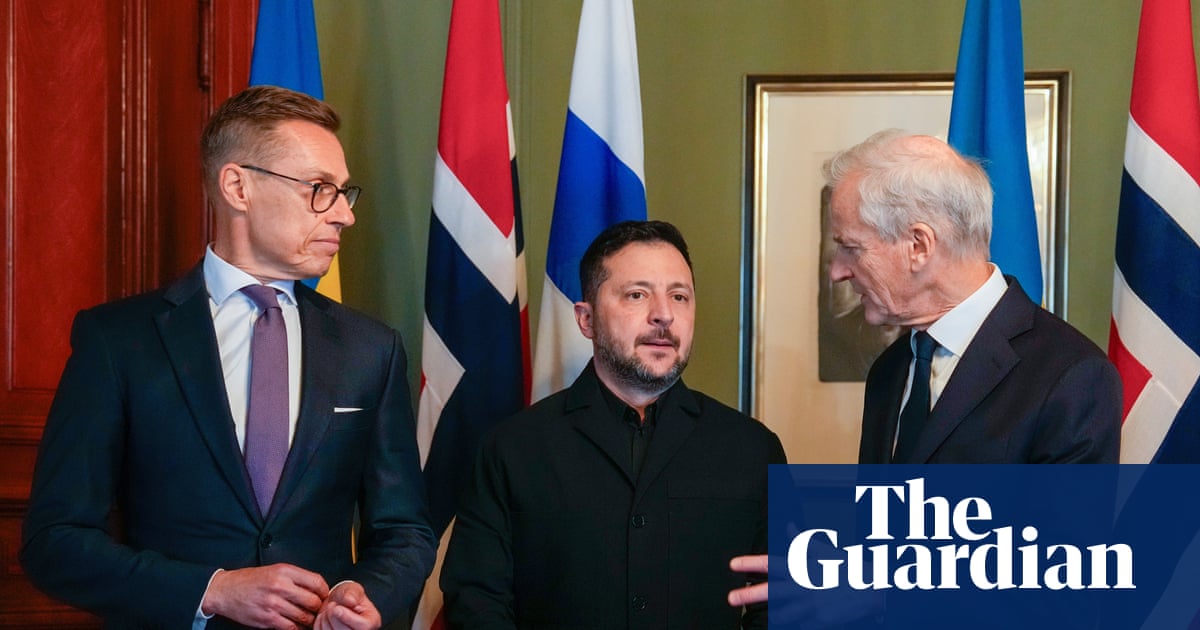
The contrast in Europe was obvious. When Zelenskyy walked into the multi-coloured summit room of the European Council headquarters in Brussels that Friday morning, the EU’s 27 leaders burst into applause, getting to their feet to offer big hugs and brisk handshakes. European Council president António Costa told Zelenskyy and the media: “This is no time to withdraw the support to Ukraine,” calling instead for increased pressure on Russia. Zelenskyy was thankful, pointedly saying he was happy to have “huge support” from “real leaders”.
The symbolism was powerful. As US support crumbles, Europe seems to be stepping up. According to the Kiel Institut’s Ukraine Support Tracker, Europe – including non-EU countries such as the UK and Norway – has spent €236bn supporting Ukraine from 2022 to April 2026, compared with a US outlay of €115bn.
While Trump is weakening sanctions, Europe is promising more. The EU has passed 21 rounds of sanctions against Russia and last year agreed to raise a €90bn loan for Ukraine – an unprecedented sum for a non-member state. Meanwhile the EU has opened accession negotiations with Kyiv and given shelter to 4.4million Ukrainian refugees.
Behind the declarations of Europe’s enduring support, the outlook is more complex and less encouraging for Ukraine, as it approaches its fifth winter since the launch of Russia’s all-out invasion.
First, Europe is not able to replace US military dominance in areas such as intelligence. This was brutally exposed by the disruption to the US SpaceX technologies that Ukraine uses in frontline drone operations and air-defences protecting civilians from Russian air attacks. Zelenskyy said the US had intentionally throttled its Starlink satellite internet access, a charge that senior figures in the Trump administration have denied.
Ukraine also depends on US-made Patriot interceptors capable of shooting down Russian ballistic missiles. Deepening the spat, Zelenskyy this week accused the Trump administration of preventing European countries from passing on their Patriot stocks to Ukraine.
Secondly, Europe’s monetary support for Ukraine is not evenly spread. Germany is the second-largest donor, having spent €54bn since the start of the war, a particularly crucial contribution since Trump ceased virtually all new US funding. But a report from the Kiel Institut describes this funding as “sizeable but not exceptional” given the scale of the German economy. Four Nordic countries together have given more than Germany, even though they total only a third of Germany’s population, the researchers note. The EU’s other big economies, France and Italy, give less than Germany.
The Nordic, Baltic and other north European states are Ukraine’s most generous donors when contributions are measured against national income, according to the Kiel Institut. Denmark, for instance, spends an equivalent to 4.17% of its gross domestic product supporting Ukraine, and Estonia 3.77%, compared with 1.49% spent by Germany, 1.1% by France, 1% by Italy and 0.86% by the UK. With Ukraine’s huge bill to defend itself growing, and Russia’s relentless attacks continuing to wreak a heavy toll, these more generous donors might arguably feel Europe’s biggest economies – and other western allies – could do more to shoulder these ever-rising costs.
Top donors to Ukraine by percentage of GDP
Thirdly, and most critically, Europe’s support for Ukraine could be reaching its limits, as Europe enters a supercycle of elections in which the far-right are expected to make gains. National votes are due in Spain, France, Poland and Italy, four of the five biggest EU member states by population. Mujtaba Rahman, managing director for Europe at the Eurasia Group, argued that the biggest risk for Ukraine is not Trump’s opinions, but the potential for European support to fragment. There is a risk 2027 will be the year “when political reality, electoral reality, policy reality, economic reality catches up with Europe and prevents it being able to go further in its support for Ukraine”, he said.
France’s elections could be the most consequential. The far-right leader and frontrunner Marine Le Pen is seeking to present herself as the candidate to restore order and security, after days of rioting and looting across French cities. She has also vowed to cease aid to Ukraine within six months of taking office “because we simply cannot do it any more”. Speaking to the Financial Times (£), Le Pen vowed to slash France’s contributions to the EU budget, which raises questions about a proposed €100bn fund for Ukraine in the upcoming 2028-34 budget cycle. Beyond Ukraine, her election could plunge the EU into a deep internal crisis that will consume political energies and attention.
Putin’s ‘strategic patience’ rewarded?
after newsletter promotion
“European support for Ukraine is already fragmenting,” argued Rahman, who points out the €90bn loan for Ukraine was agreed by only 24 EU countries (Hungary, Czechia and Slovakia opted out). But a Le Pen victory could tilt the balance, especially if anti-Ukraine parties make gains in Spain, Poland and Italy. “Le Pen is the biggest gamechanger because she will provide cover for many other countries to say: ‘enough is enough, we can’t keep funding,’” Rahman said.
That scenario paints “a really dark picture for Ukraine, a really sad picture for Ukraine” he said. “Because it’s not about Ukraine’s performance on the battlefield – Ukraine has done a remarkable job of holding the line. This is the risk Europe has been talking about for a very long time, and has promised Ukraine many times it would not allow to happen: that through strategic patience, Russia gains in the negotiating room what it has not been able to gain on the battlefield. And that is precisely the risk Ukraine is now confronting.”
To head off this risk, EU leaders will seek to shore up support for Ukraine by agreeing another funding plan. The head of the European Commission, Ursula von der Leyen, confirmed that Kyiv has a €70bn funding gap in 2027, although she expects Ukraine’s other international partners to help raise the sum.
Jana Kobzová, co-director of the European Security Programme at the European Council on Foreign Relations, said an EU leaders summit in December will be the moment when “we should have a clear idea and mechanism” on providing the €70bn for Ukraine ahead of key elections. “I think the urgency and the consciousness on the side of the European leaders is already there.”
To some extent, EU Russia policy is protected, after a recent decision to keep sanctions in place for three years, avoiding the need for divisive rollover decisions every six months.
But a Le Pen victory in six months’ time could lead to a bigger problem than financing Ukraine, suggests Kobzová. “If there is a huge shift in Europe as a result of these elections that are going to affect the way the EU itself works, then Ukraine might become collateral damage.”
Guardian live Q&A
At 3pm BST/4pm CEST on Friday 23 October, Guardian Europe columnists Rokhaya Diallo and Alexander Hurst will be live taking questions from our readers about the riots and protests in France. Click here to submit yours now, or join the discussion on Friday.
To receive the complete version of This Is Europe in your inbox every Wednesday, please subscribe here.

