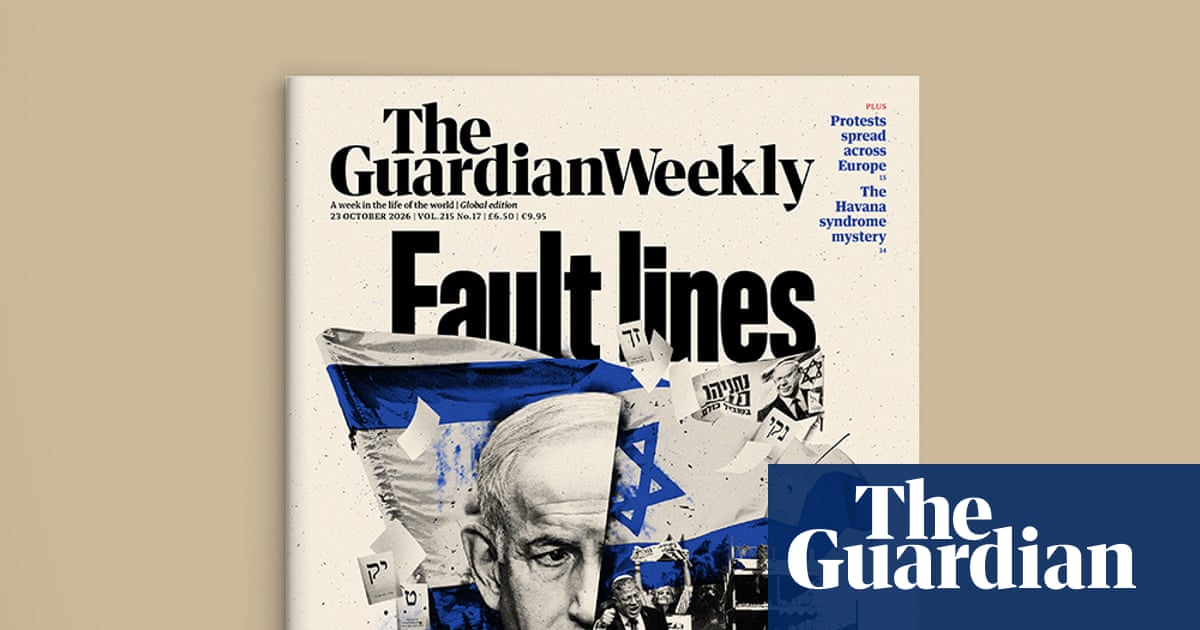
Ирэх долоо хоногт болох Израйлын үндэсний сонгууль нь 2023 оны аравдугаар сарын 7-нд ХАМАС бүлэглэл халдлага үйлдсэнээс хойш тус улсын иргэд Ерөнхий сайд Беньямин Нетаньяху болон түүний эвслийн засгийн газрын үйл ажиллагаанд үнэлэлт дүгнэлт өгөх анхны боломж болж байна.
Шинжээчдийн үзэж буйгаар, сонгуулийн үр дүнд Беньямин Нетаньяху засгийн эрхээ хадгалж үлдэх эсэхээс үл хамааран Кнессетэд баруун жигүүрийнхний нөлөө улам бүр нэмэгдэх төлөвтэй байна. Сүүлийн сонгууль болсон 2022 оноос хойш хагас сая гаруй иргэн сонгуулийн нас хүрсэн бөгөөд санал асуулгын дүнгээс харахад анх удаа саналаа өгөх гэж буй еврей сонгогчдын гуравны гурав нь өөрсдийгөө баруун эсвэл төвийн баруун үзэлтэй гэж тодорхойлжээ.
Сөрөг хүчний нэр дэвшигч, хурандаа асан Гади Эйзенкотын улс төрийн хэв маяг, зан чанар нь Беньямин Нетаньяхутай эрс ялгаатай боловч бодлогын үндсэн асуудлууд дээр тодорхой бус байр суурь баримталж байна. Улс төрийн шинжээч Далиа Шейндлиний дүгнэснээр, сүүлийн гурван жилийн хүндрэлтэй нөхцөл байдлын дараа Израйлд гүнзгий өөрчлөлт шаардлагатай байгаа бөгөөд ардчиллыг бэхжүүлж, Палестины эрхийг хүлээн зөвшөөрөхөд сөрөг хүчний тодорхой ялалт чухал үүрэгтэй юм.
Дэлгэрэнгүйг эх сурвалжаас харах
↓Эх сурвалжийг нээх ↓
Israel is holding national elections next week, giving its citizens their first chance to pass judgment on Benjamin Netanyahu and his coalition since the Hamas-led attacks of 7 October 2023.
For our big story this week, chief Middle East correspondent Emma Graham-Harrison says that whether or not the prime minister can hold on to power, a more rightwing Knesset is expected to be voted in. More than half a million Israelis have reached voting age since the last election in 2022 and, according to polls, three-quarters of first-time Jewish voters define themselves as right or centre-right.
Peter Beaumont profiles opposition candidate Gadi Eisenkot. The former general contrasts with Netanyahu when it comes to style and character, he writes, yet on key policy points retains a studied ambiguity.
Then Israeli pollster and political analyst Dahlia Scheindlin argues that after three disastrous years, Israel needs to rethink itself, but only a clear opposition victory would let the country begin to heal, strengthen democracy and establish Palestinian rights.
Get the Guardian Weekly delivered to your home address
Five essential reads in this week’s edition
Spotlight | ‘We are suffocating’
As protests that have convulsed Spain and France in recent weeks spill over to Italy and Portugal, Sam Jones reports on the rising wave of anger over the housing crisis and cost of living
Science | Taking a shot
Could a drug to prevent shingles also protect our brains against dementia? The possibility, writes Ian Sample, is driving a boom in vaccinations
Feature | The Havana syndrome mystery
Dozens of CIA officers have been afflicted by debilitating symptoms over the past decade. Are they the result of “mass hysteria” or are they from attacks with an energy weapon, asks Shaun Walker
Opinion | Another EU referendum? Not just yet
The omertà on the UK rejoining has now been broken, but it would be folly to move too soon, says Polly Toynbee
Culture | Shygirl’s slog to the top
She has opened for Beyoncé, writhed in a cubicle for Madonna – and is poised to take over the mainstream with her new rock sound. The pop auteur talks to Simran Hans about cash, class – and finding true love
What else we’ve been reading
Each week, country diary is a quiet corner of Guardian Weekly. A column tucked away at the end of the garden, inside the cosy shed, to relax and reconnect with nature over a brew (when you probably should be doing the weeding). Patrick Barkham caught up with one of our diarists, Mark Cocker, as he prepared to pen his 1,000th entry. Neil Willis, production editor
London has always been known for its inequalities. The sharp divide between the haves and have-nots that was true in Victorian times is evident in its own way today, as the housing crisis has left more than a quarter of Londoners living in poverty. Jessica Murray highlights a new exhibition charting the history of housing and poverty in the city over 200 years. Anthony Naughton, assistant editor
Other highlights from the Guardian website
Audio | ‘These risks are real’: the threat of AI bioweapons – podcast
Video | Why one of the US’s reddest counties is losing faith in Trump
Gallery | ‘You have to dance like everybody else!’ Burkina Faso in full colour
Get in touch
We’d love to hear your thoughts on the magazine: for submissions to our letters page, please email weekly.letters@theguardian.com. For anything else, it’s editorial.feedback@theguardian.com
Follow us
Get the Guardian Weekly magazine delivered to your home address

