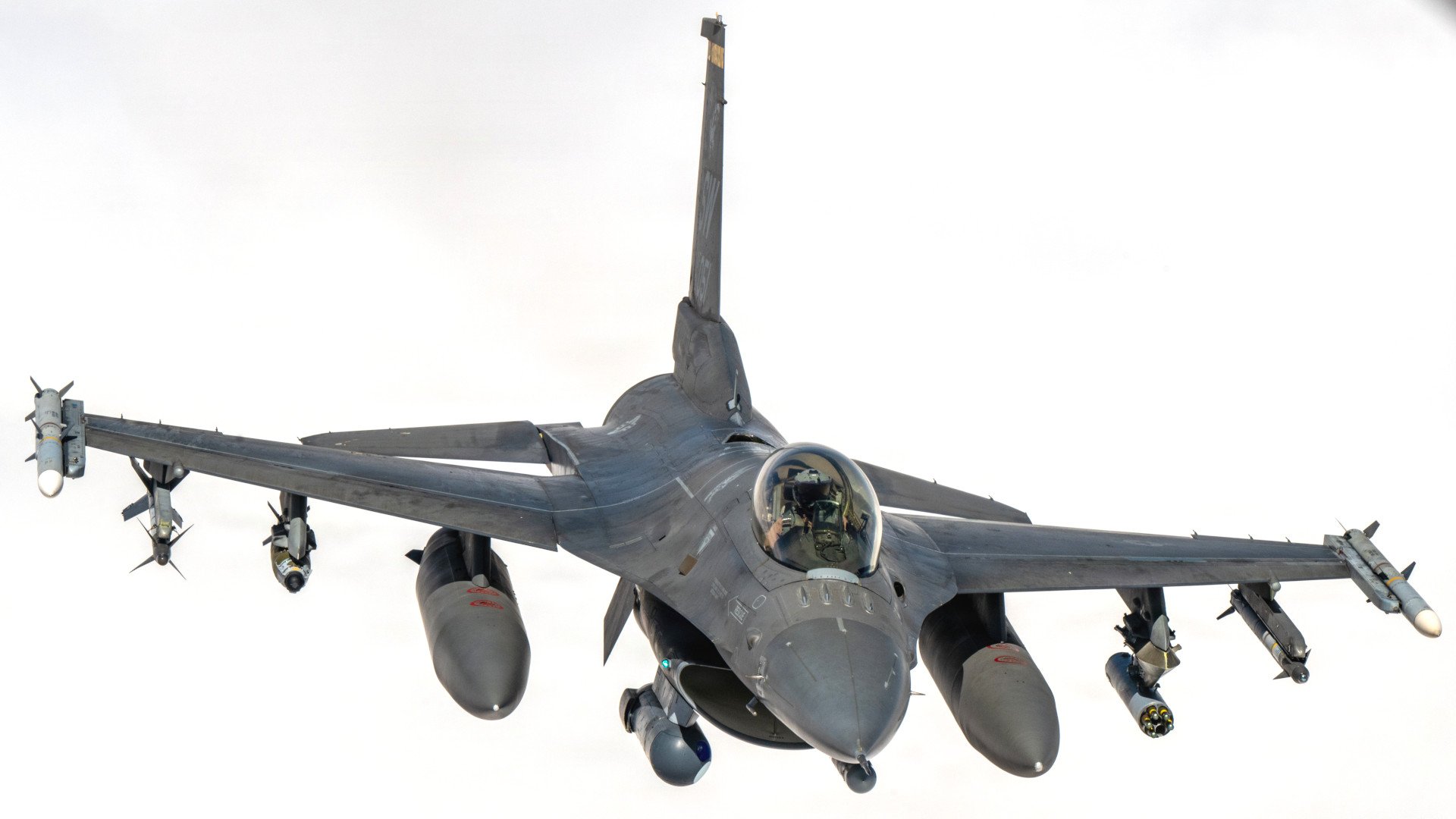
АНУ-ын Агаарын цэргийн хүчин 2035 он гэхэд 1,509 байлдааны сөнөөгч онгоцтой болох урт хугацааны төлөвлөгөөгөө танилцуулж, F-16 сөнөөгч онгоцыг шинээр үйлдвэрлэн авах асуудлыг одоогоор тэргүүн зэргийн зорилт гэж үзэхгүй байгаагаа илэрхийллээ.
АНУ-ын Агаарын цэргийн хүчний Төлөвлөлт, хөтөлбөр хариуцсан дэд дарга, дэслэгч генераль Дэвид Таборын мэдээлснээр, 2035 он гэхэд бүрэлдэхүүний 40 хувийг F-35, 40 хувийг F-15 болон F-16, үлдсэн 20 хувийг F-22 болон шинээр гарах F-47 сөнөөгч онгоцуудаар бүрдүүлэхээр төлөвлөж байна. Одоогийн байдлаар нисэх хүчний бүрэлдэхүүнд 1,168 байлдааны сөнөөгч онгоц байгаа бөгөөд A-10 Warthog загварын онгоцуудыг 2030 он гэхэд бүрмөсөн зэвсэглэлээс гаргахаар төлөвлөж байгаа юм.
Шинэ F-16 сөнөөгч онгоц худалдан авах эсэх шийдвэр ойрын нэг жилдээ гарахгүй бөгөөд Агаарын цэргийн хүчин хуучирч буй F-16-уудыг орлох “чадавхын спектр”-ийг судалж байна. Генераль Табор энэ асуудлыг яаралтай шийдэх шаардлагагүй гэж үзэж байгаа ч 2030-аад оноос эхлэн хуучин загварын онгоцуудын ашиглалтын хугацаа дуусгавар болохыг анхааралдаа авч байна.
Тус албаны зүгээс шинээр үйлдвэрлэсэн F-16-ууд нь ашиглалтын хугацаа урт, засвар үйлчилгээний хувьд илүү үр ашигтай байж болох ч аж үйлдвэрийн салбар энэ эрэлтийг хангаж чадах эсэх нь тодорхойгүй байна. Үүнээс гадна 2032 он гэхэд 500 гаруй хамтын ажиллагааны байлдааны нисгэгчгүй онгоц (CCA) бүхий флотыг бүрдүүлэх зорилт нь нисэх хүчний ирээдүйн бүтэц болон сөнөөгч онгоцны шаардлагад томоохон өөрчлөлт авчрах төлөвтэй байна.
Дэлгэрэнгүйг эх сурвалжаас харах
Эх сурвалжийг нээх ↓
The U.S. Air Force says any decision on whether or not to acquire new production F-16 Viper fighters is likely a year or more away. The service’s top officer in charge of force structure planning has also now raised the prospect of using a “spectrum of capability” to eventually supplant aging older-model F-16s. All of this comes as the Air Force has laid out a new vision to have 1,509 combat-coded fighters in inventory, hundreds more than it has now, by 2035, amid questions about whether industry and budgets can keep up.
Inside Defense and Air & Space Forces Magazine were among the first to report on the Air Force’s latest long-term fighter force structure plan late yesterday. This followed a roundtable with Lt. Gen. David Tabor, the service’s Deputy Chief of Staff for Plans and Programs. At the time of writing, an unclassified copy of the report, which was submitted to Congress last week, has not been released publicly. TWZ has reached out for more information.
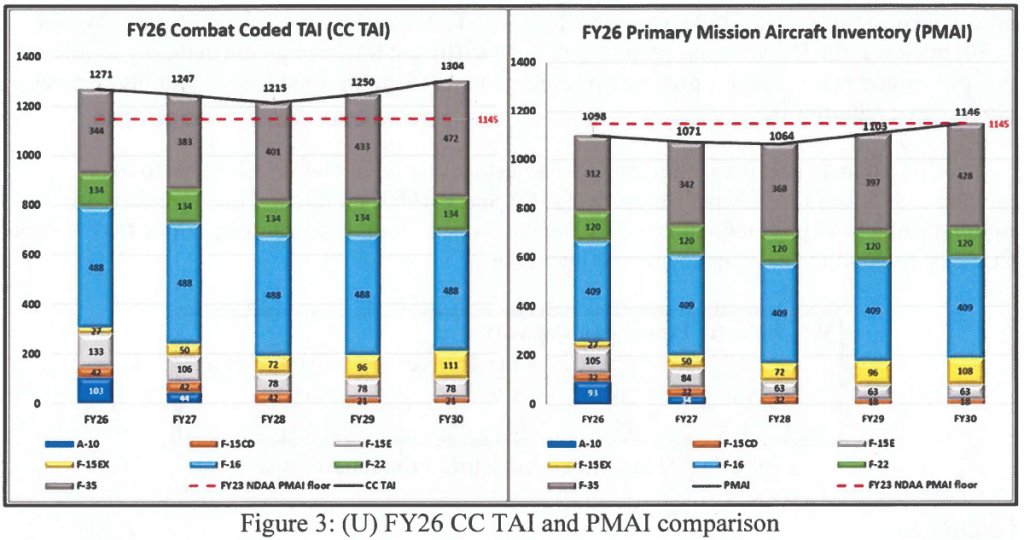
Tabor said yesterday that the target fleet of 1,509 combat-coded fighters by 2035 would be approximately 40 percent F-35s, 40 percent F-15s (inclusive of F-15E Strike Eagles and F-15EX Eagle IIs) and F-16s, and 20 percent F-22 Raptors and F-47s, according to Air & Space Forces Magazine. As an aside, the final expected F-47 fleet size remains unclear, though the Air Force continues to say it plans to acquire at least enough of those jets to replace its 185 F-22s on a one-for-one basis.
The current breakdown of the service’s fighter force structure is 45 percent F-16s, 30 percent F-35s, 15 percent F-15s, and 10 percent F-22s. Last year’s long-term fighter force structure report said the service was aiming for an eventual inventory of 1,558 combat-coded fighters and hoped to hit a milestone of 1,369 aircraft by Fiscal Year 2030. As of the start of Fiscal Year 2026, the Air Force had 1,168 combat-coded fighters, not including 103 A-10 Warthog ground attack jets, which have been part of this force structure planning in the past. The plan now is for the last of the A-10s to be retired by 2030. The new 2035 figure also does not include the hundreds of Collaborative Combat Aircraft (CCA) drones the service wants to have acquired by that time, something we will come back to later on.
Currently, the Air Force expects fighter fleet expansion to be driven by the acquisition of new F-35As, F-15EXs, and F-47s. This was also the case when last year’s fighter force structure report was released. The possibility of the Air Force also acquiring new-production F-16s has come up several times in recent years. Most recently, there were several reports last month that prime contractor Lockheed Martin had made a new pitch to the service for a version of the latest Block 70 version of the fighter, tentatively dubbed the F-16G. New Block 70 and Block 72 F-16s, which differ in what engine they use, are being actively produced at Lockheed Matins’ plant in Greenville, South Carolina. At that time, TWZ did a deep dive into the benefits that this could offer the Air Force.
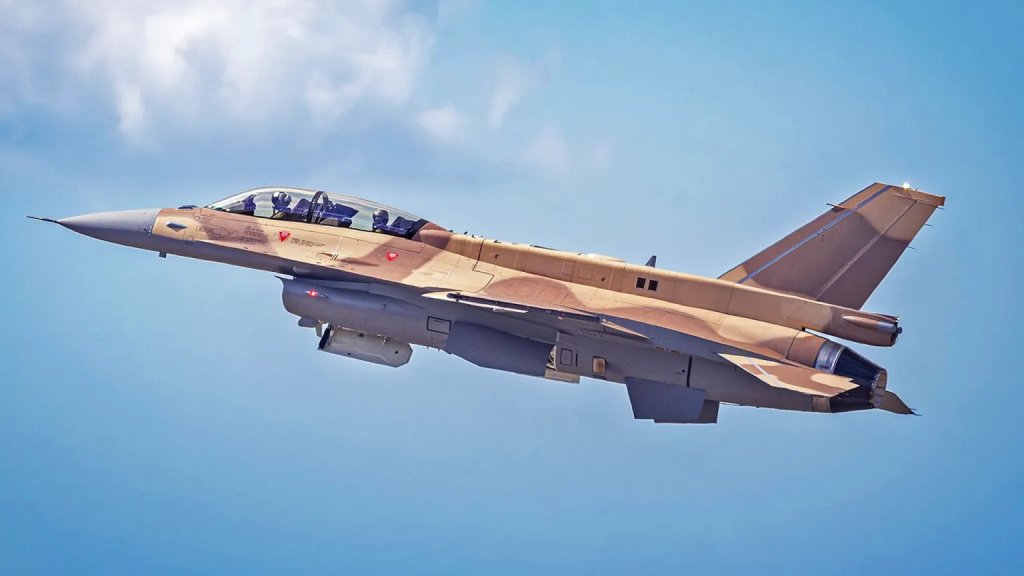
“There is a spectrum of capability that we might want to replace the F-16s with,” Lt. Gen. David Tabor said amid a discussion about the prospect of acquiring new Vipers at the roundtable yesterday, per Air & Space Forces Magazine. “It’s not urgent, frankly. What we don’t want to get to is a point where it is urgent, and we haven’t done the homework and decided ‘hey, this is really the right place to be.’ We do have time to churn through that and make sure that we have a good option going forward.”
“We’re not in a position where that decision has to be made immediately,” Tabor added, while acknowledging that “we are very conscious” that older-model F-16s are set to begin reaching the end of their lifespans in the 2030s. He also said any such planning was unlikely to be part of the process of developing the service’s Fiscal Year 2028 budget proposal, which will be released sometime early next year.
The Air Force is “in the initial phases of analyzing options for the next Future Years Defense Program,” a spokesperson for the service had told us last month without specifically mentioning any particular type of aircraft. “At this stage, we have neither defined the precise mission requirements nor the spectrum of options that could fill it.”
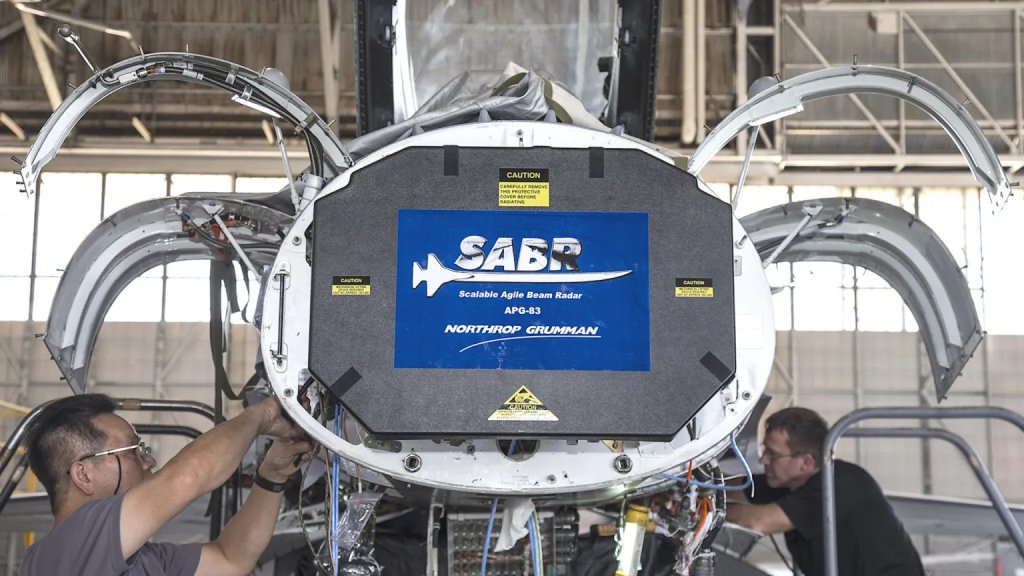
When it comes to the current F-16 fleet, the Air Force had 774 Vipers in inventory at the start of Fiscal Year 2026 and expected that number to drop to 768, according to past budget documents. This includes a mixture of subvariants, and not all of them are assigned combat-coded units. The Air Force has been substantially upgrading at least a portion of its existing F-16s, including with the addition of new active electronically scanned array (AESA) radars and electronic warfare suites, to ensure their operational relevance for years to come.
The Air Force has also already been taking newer F-16s from squadrons transitioning to the F-35 and using them to replace older Vipers in other units. Last year’s fighter force structure report explicitly highlighted plans to supplant Block 30 F-16s in five Air National Guard formations – three combat-coded squadrons and two training units – with Block 40 and 50 types in this way.
“A new F-16 offers a fresh and highly mature airframe — one with a full service-life ahead of it, on the order of 12,000 flight hours without the need for structural upgrades — double that of the original F-16. This is compared to existing F-16s in the inventory with the decades of wear and fatigue already accumulated on them, with structural upgrades keeping them in the air. That difference in remaining structural life is arguably the single biggest advantage a new-build aircraft has compared with extending an existing one.”
“Dumping more money into existing F-16s is becoming questionable. Service life extensions and technical upgrades can only go so far and supporting these jets is becoming harder as parts dry up and suppliers who made them are long gone. A new airframe would give the Guard many decades of highly efficient service and the piece of mind for future force planning that goes with it.”
…
“The new [F-16G] proposal would let some Guard and Reserve units swap their F-16s for vastly improved F-16s — the same logic that drove the F-15EX buy — while also keeping the Greenville line hot, which is a significant benefit in its own right. And it accomplishes both in the most efficient way possible: not just in acquisition cost, but in sustainment cost, which is really the more problematic burden of the two. In the end, this points to another glaring reality check for the all-stealth-force concept, a vision the Air Force has effectively already abandoned.”
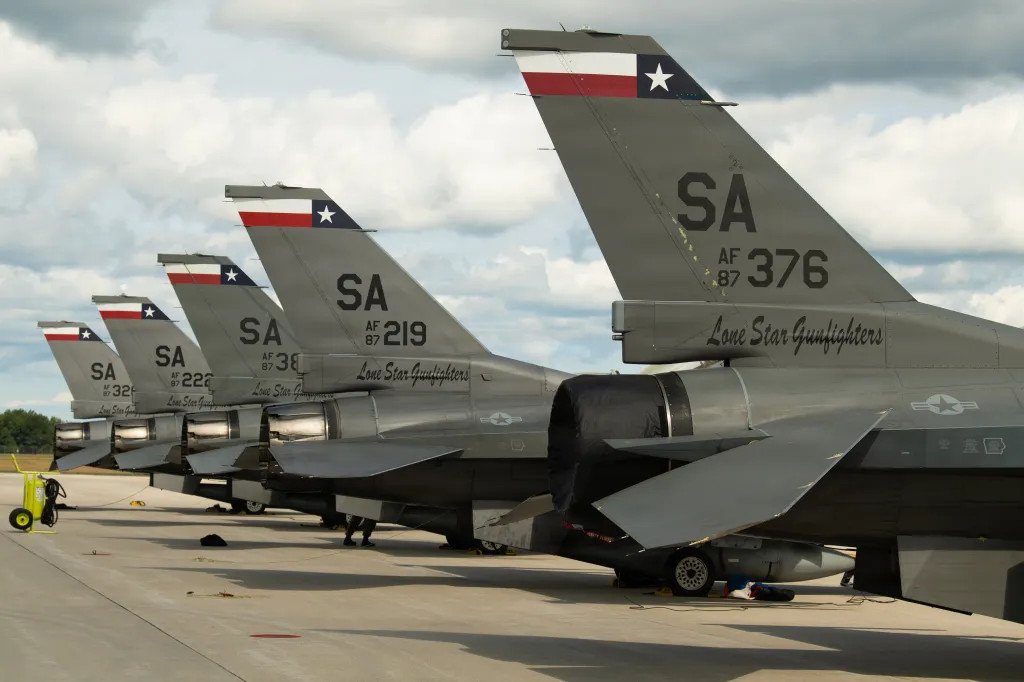
“The Air Force has spent years describing the F-35 as the replacement for its F-16 fleet, yet it now has to contend with aging F-16s, delayed or constrained fighter production, a larger stated requirement for total fighter capacity, and the lengthy transition toward the F-47 and uncrewed combat aircraft. In that environment, a new-build F-16 provides an option that sits between extending legacy aircraft and buying the most sophisticated — and expensive — fighters available.”
You can read our full prior deep analysis on this topic here.
Lt. Gen. Tabor acknowledged many of these exact same points at the roundtable yesterday. He notably described acquiring new F-16s as “maybe the lazy” option, but also one that would benefit from “practically a ready-made aircraft” that is in production now, according to Air & Space Forces Magazine.
“The question is, can industry produce at those levels?” he also said, speaking more generally. “They’ve assured us that they can, and we believe them, but we also actually need to see it manifest.”
In the context of acquiring new F-16s, especially, it is important to note here that Lockheed Martin order books are very full already as a result of demand for these fighters from U.S. allies and partners. The company’s capacity, at least at present, to add a substantial new Air Force acquisition program on top of that is a real question. This, in some ways, mirrors questions that surround Boeing efforts to meet surging Air Force demand for F-15EXs.
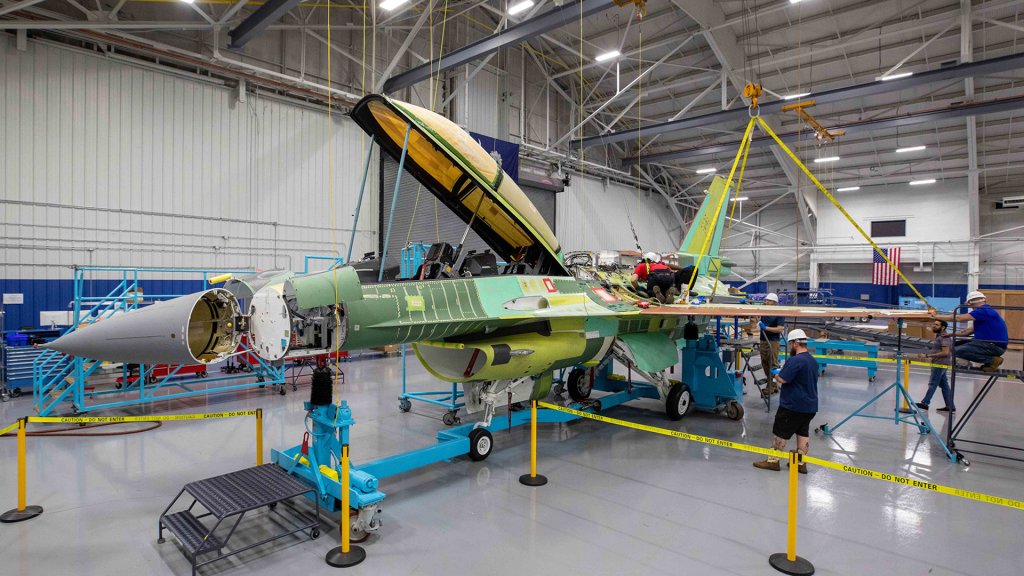
On top of all this, the Air Force’s still-evolving CCA plans remain something of a wildcard in these discussions. The Air Force has ordered General Atomics FQ-42 Vengeance and Anduril’s FQ-44 Fury CCAs into production, and is now aiming to have a combined fleet of at least 500 of these drones in inventory by 2032. The service is also still expecting to acquire additional CCAs, which could be of entirely different types, through a second iterative development cycle, or Increment 2, under this program. This is influencing the service’s crewed fighter force structure plans, but the full scale and scope of those impacts remain to be seen.
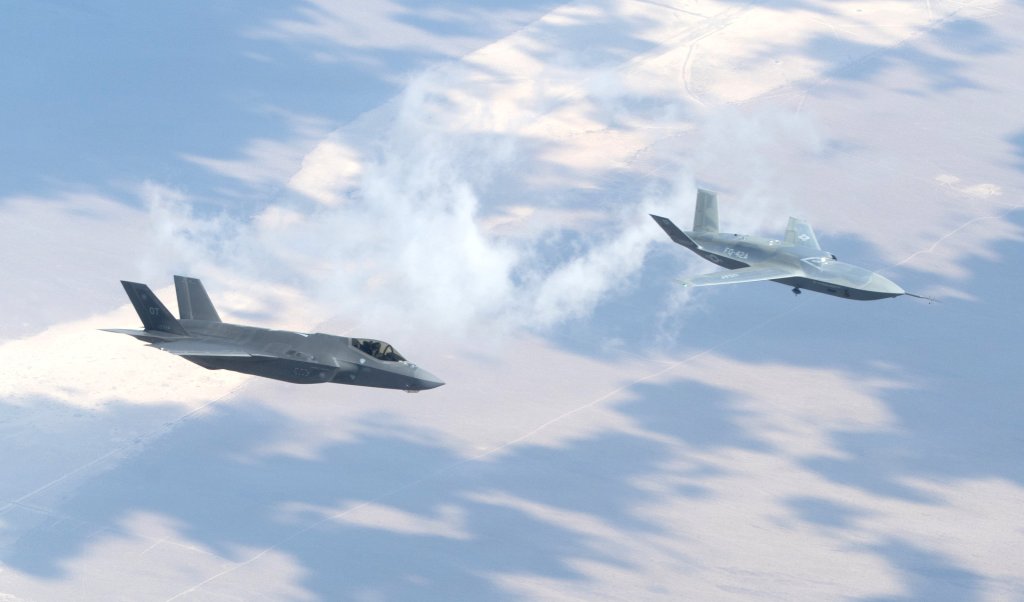
“CCA is very much a reality,” Tabor said yesterday, per Air & Space Forces Magazine. “It is going to be a part of our future, and there is absolutely a world in which the incorporation of CCAs into the force will mitigate the requirement for the number of fighters. That’s not the CCA that we have right now, but it is advancing very, very rapidly. We’re confident that it will play a major role in future versions of the fighter force structure report.”
The Air Force’s F-22s are currently set to be its first ‘aerial quarterbacks’ for CCAs, with F-35s and F-47s expected to follow. At the same time, TWZ has highlighted previously how CCA could offer particular value when paired with fourth-generation fighters like the F-16. This, in turn, could actually bolster the case for new Viper acquisitions as a more affordable force multiplier.
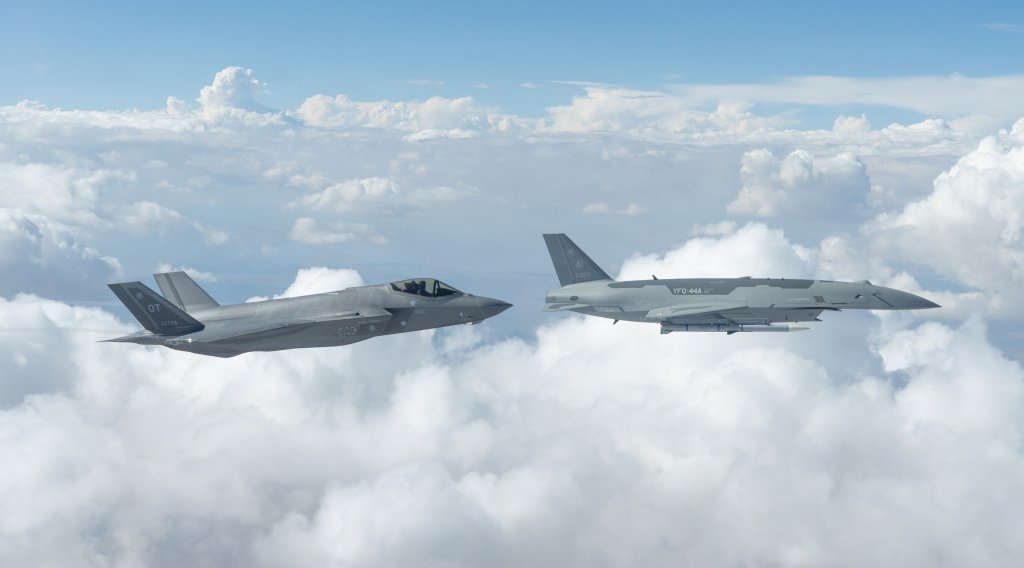
The Air Force’s ability to secure necessary funding and other factors will play in all this, too. 2035 is a long way off from a budgetary perspective. It also stretches across multiple election cycles, including the one that will decide the next presidential administration, all of which could lead to major changes in defense spending priorities. Congress can and routinely does demand that the U.S. military alter major procurement plans. Just in the past two years or so, legislators have intervened to force the Air Force to move ahead with the acquisition of new E-7A Wedgetail airborne early warning and control planes and to save the U.S. Navy F/A-XX sixth-generation fighter program.
In the meantime, the Air Force clearly faces many continued questions about how to balance the need to modernize its fighter fleets while ensuring it retains enough tactical airpower to meet current and future operational demands. Even so, the service says it sees no need to rush to make a decision about whether to choose the “lazy” route of just buying new F-16s.
Contact the author: joe@twz.com
The post Any Decision To Buy New-Build F-16s Not An “Urgent” Priority: USAF appeared first on TWZ.

