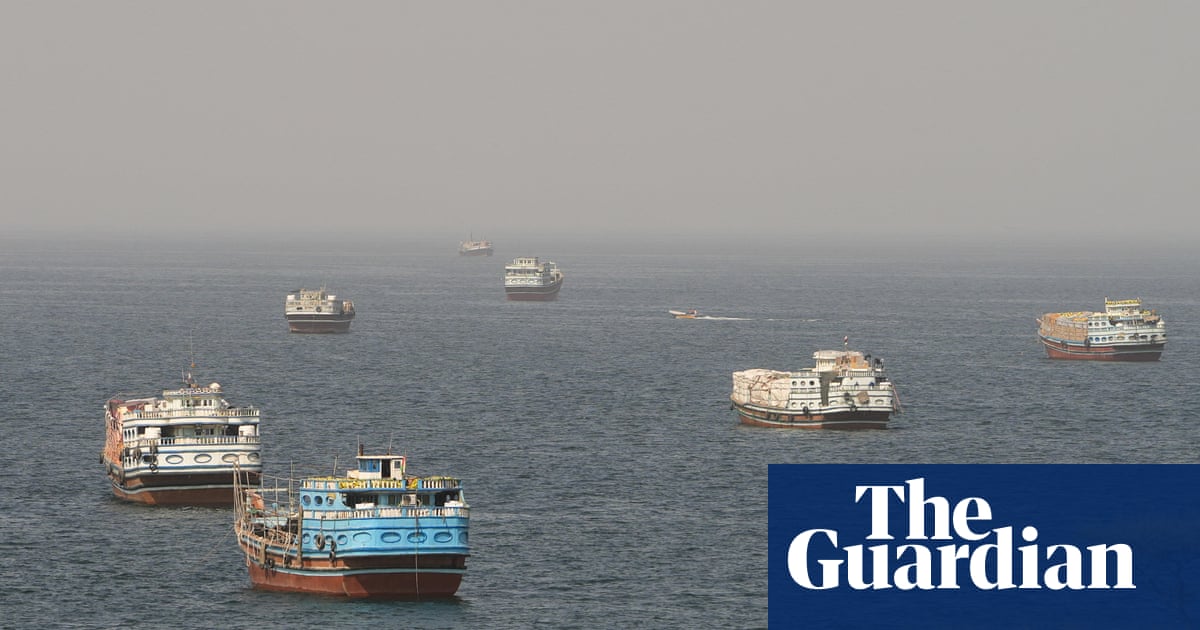
Саудын Араб болон Ормузын хоолойд гарсан халдлагууд нь дэлхийн газрын тосны нийлүүлэлтэд эрсдэл учруулж, олон улсын зах зээлд үнийн өсөлтийг өдөөлөө.
Пүрэв гарагт олон улсын зах зээлийн жишиг болох Brent маркийн газрын тосны үнэ 3 хувиар өсөж, 5-р сарын 18-наас хойш анх удаа нэг торх нь 112 ам.долларт хүрлээ. Үнийн энэхүү өсөлт нь Ирантай холбоотой Йемений Хути босогчид Саудын Арабын Даммам хотын иргэний нисэх онгоцны буудал болон газрын тосны орд газарт халдсаны дараа бүртгэгдсэн юм. Уг халдлагын улмаас хоёр хүн амиа алдаж, найман хүн шархадсан байна.
Үүний зэрэгцээ, Ираны Лалын хувьсгалыг хамгаалах корпус (IRGC) лхагва гарагт Персийн булангийн хойд хэсэгт “хууль бус” үйл ажиллагаа явуулж байсан дөрвөн хөлөг онгоцыг илрүүлэн цохилт өгч, гал гаргаснаа мэдэгдэв. Түүнчлэн Ормузын хоолойн баруун хэсэгт гурван хөлөг онгоц минтэй мөргөлдсөн гэх мэдээлэл байгаа бөгөөд Ираны зүгээс АНУ-ыг өдөөн хатгалгаа зогсоохгүй бол бүс нутаг дахь баазууд руу нь илүү өргөн хүрээтэй хариу арга хэмжээ авахаа анхаарууллаа.
Нөхцөл байдал хурцадсантай холбогдуулан АНУ Саудын Араб дахь дипломат ажилтнууд болон тэдний гэр бүлийнхнийг нүүлгэн шилжүүлэх шийдвэр гаргав. Мөн Саудын Арабын “Aramco” компани Дахран дахь төв байрныхаа ажилтнуудыг нүүлгэн шилжүүлж, алсын зайнаас ажиллахыг үүрэг болголоо.
Бүс нутагт мөргөлдөөн даамжрах вий гэсэн болгоомжлол нэмэгдэж байгаа ч Kpler компанийн мэдээллээр Персийн булангаас гаргах газрын тосны экспорт одоогоор дайны өмнөх үеийнхээс өндөр хэвээр байна. Энэ нь газрын тосыг Улаан тэнгис болон Оманы булан хүртэлх дамжуулах хоолойгоор газраар дамжуулах хэмжээ нэмэгдсэнтэй холбоотой ажээ.
Энэхүү үйл явдлын улмаас дэлхийн хөрөнгийн зах зээл тогтворгүй байдалд орж, инфляци болон зээлийн хүү өсөх хүлээлт үүсээд байна. Пүрэв гарагийн арилжаагаар Европын Stoxx Europe 600 индекс 1 хувиар, Их Британийн FTSE 100 индекс 0.7 хувиар тус тус буурлаа. Азийн зах зээлд Японы Nikkei 225 индекс 2.7 хувь, Өмнөд Солонгосын Kospi 3.5 хувь, Хонконгийн Hang Seng индекс 3 хувиар уналттай хаагдсан байна.
Дэлгэрэнгүйг эх сурвалжаас харах
↓Эх сурвалжийг нээх ↓
Oil prices jumped to a five-month high on Thursday after attacks in Saudi Arabia and hits to tankers in the strait of Hormuz threatened further disruptions to the world’s crude supply.
Brent crude, the international benchmark for oil prices, rose by 3% to hit $112 a barrel for first time since 18 May.
Yemeni Houthis, who are aligned with Iran, hit several targets in Saudi Arabia on Wednesday, with two people killed and eight more wounded in a civilian airport in Dammam, and two people killed in a drone attack on a Saudi oilfield.
Elsewhere the Iranian Islamic Revolutionary Guard Corps (IRGC) said four vessels involved in “illegal” oil transfers in the northern Gulf were hit and caught fire after being tracked by its forces on Wednesday.
It said three more vessels collided with mines west of the strait of Hormuz, and warned the US that continued provocations could lead to a wider response against its regional bases.
The US has now ordered some diplomats and family members to leave their missions in Saudi Arabia, and it plans to withdraw family members from a number of other missions in the Middle East, according to Reuters, who also reported that Saudi Aramco has instructed staff to evacuate its headquarters in Dhahran and work remotely.
Concern is growing that conflict in the region could escalate further, almost eight months after Tehran’s effective block on the strait of Hormuz triggered what many feared would bring the greatest energy supply disruption in the history of the market. In the first weeks after the US-Israeli attacks on Iran, oil surged past $100 a barrel and market observers predicted prices of up to $150 a barrel as flows through Hormuz came to a halt.
Oil peaked at $126 a barrel in April during the conflict and fell back below $100 in late May and then to lows of $71 at the start of July amid hopes of a ceasefire in the region. The price began to climb again after the memorandum of understanding between the US and Iran fell apart and fresh hostilities broke out in the Gulf.
However, data from Kpler has shown that oil exports from the Persian Gulf have now risen above their prewar levels, partly because of an increase in oil pumped overland through pipelines to the Red Sea and Gulf of Oman.
after newsletter promotion
Global stocks wobbled on Thursday amid expectations of higher inflation and borrowing costs. The Stoxx Europe 600, which tracks the biggest companies on the continent, fell by 1%, with the UK’s FTSE 100 down by 0.7%.
In Asia, Japan’s Nikkei 225 index dropped 2.7%, while the South Korean Kospi fell 3.5%. Hong Kong’s Hang Seng index shed 3%.

