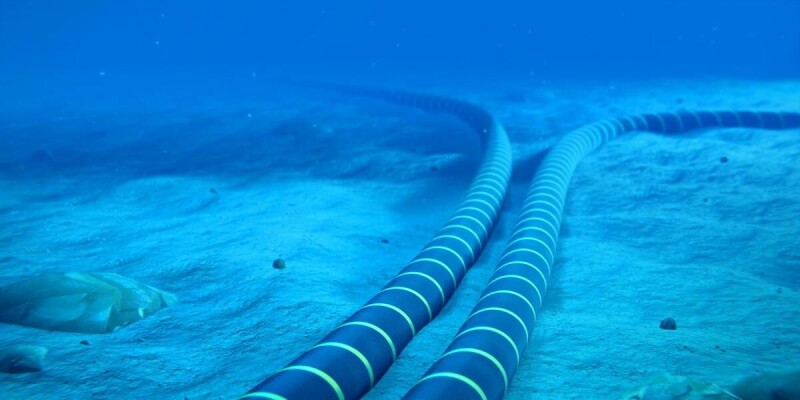
Тус улсын засгийн газар дэд бүтцийн аюулгүй байдлыг хангах зорилгоор 1885 оны хууль тогтоомжийг шинэчилж, хариуцлагыг чангатгахаар боллоо.
Их Британийн засгийн газар далайн доорх интернет болон эрчим хүчний дэд бүтцийг санаатайгаар гэмтээсэн этгээдүүдэд 14 хүртэлх жилийн хорих ял, хязгааргүй мөнгөн торгууль ногдуулах шинэ төлөвлөгөөг танилцууллаа. Өнөөгийн байдлаар тус улсын олон улсын өгөгдлийн урсгалын 99 хувь, байгалийн хийн хангамжийн 74 хувь нь далайн доорх кабель болон хоолойгоор дамждаг. Гэвч энэхүү чухал сүлжээг хамгаалах хууль нь 1885 онд батлагдсан, орчин үеийн аюул заналхийлэлд нийцэхгүй хуучирсан хэм хэмжээтэй байгааг холбогдох албаныхан онцолжээ.
Телеком харилцааны сайд Иан Мюррей аюул заналхийллийн хэлбэр эрс өөрчлөгдсөнийг дурдаад, далайн доорх дэд бүтцийн ойролцоо ОХУ-ын сэжигтэй үйл ажиллагаанууд идэвхжиж буйг анхаарууллаа. Тухайлбал, дөрөвдүгээр сард Британийн хүчнийхэн Оросын шумбагч онгоцны нууц ажиллагааг илрүүлсэн бөгөөд үүнд нэг довтолгооны шумбагч онгоц болон хоёр тусгай хөлөг онгоц Британийн кабелийн маршрутыг тандаж байсан аж. Парламентын Үндэсний аюулгүй байдлын стратегийн хамтарсан хорооноос өнгөрсөн онд гаргасан дүгнэлтэд Их Британи далайн доорх дэд бүтцэд чиглэсэн зохион байгуулалттай халдлагад хангалтгүй бэлтгэлтэй байгааг анхааруулсан байдаг.
Шинэ төлөвлөгөөний хүрээнд телеком операторууд аюулгүй байдлын эрсдэлийг тодорхойлох, удирдах хуулийн шинэ үүрэг хүлээх бөгөөд сайд нар үндэсний аюулгүй байдлыг хангах үүднээс шаардлагатай арга хэмжээ авах эрхтэй болно. Мөн далайн доорх кабель ашиглан далай дахь үйл ажиллагааг илрүүлдэг шилэн кабелийн мэдрэгч технологийг зохицуулалтад оруулахаар төлөвлөж байна. Хэдийгээр кабелийн гэмтлийн 97 хувийг загас агнуурын болон зангуу чирсэн хөлөг онгоцууд үүсгэдэг гэсэн тооцоо байдаг ч санаатай халдлагыг таслан зогсоох нь засгийн газрын нэн тэргүүний зорилт болоод байна.
Одоогийн байдлаар засгийн газар 12 долоо хоногийн хугацаатай олон нийтийн хэлэлцүүлгийг эхлүүлээд байгаа бөгөөд үүний дараа хууль тогтоомжийн эцсийн шийдвэрийг гаргах юм. 140 жилийн түүхтэй хуулийг ийнхүү шинэчлэх нь далайн гүнд үйлдэгдсэн гэмт хэргийг нотлох, хариуцлага тооцоход бэрхшээлтэй байдлыг хэрхэн шийдвэрлэх нь анхаарал татаж байна.
Дэлгэрэнгүйг эх сурвалжаас харах
↓Эх сурвалжийг нээх ↓
Britain is threatening subsea cable saboteurs with up to 14 years in prison and unlimited fines, having apparently decided that Victorian-era laws aren’t quite up to the job of keeping Russian submarines away from critical infrastructure. The government on Thursday set out plans to overhaul legislation dating back to 1885 and introduce tougher penalties for damaging the underwater cables and pipelines that keep Britain’s internet and energy supplies running. According to Whitehall, subsea cables carry around 99 percent of the UK’s international data traffic, while underwater pipelines account for 74 percent of its gas supply. Yet much of this infrastructure is protected by laws written when the telegraph was cutting-edge technology. The Submarine Telegraph Act 1885 originally imposed a £100 maximum fine for damaging a cable through culpable negligence. That might have been a reasonable deterrent back then, but it’s unlikely to give today’s would-be saboteurs much pause. Under the proposals, those who intentionally damage critical subsea energy or telecoms infrastructure could face up to 14 years behind bars. The proposals also set tougher penalties, including unlimited fines, for reckless or negligent damage. Subsea telecoms operators would face new legal duties to identify and manage security risks, while ministers would gain powers to direct companies and cable repair providers to take action where necessary and proportionate to protect national security. The government also wants to regulate fiber-optic sensing technology, which uses subsea cables to detect activity at sea but could pose a security risk if sensitive data falls into hostile hands. Unsurprisingly, Russia features prominently in Whitehall’s thinking. In April, British forces exposed a covert Russian submarine operation near critical undersea infrastructure. The operation reportedly involved an attack submarine acting as a decoy while two specialist vessels surveyed Britain’s cable routes. “The threats we face have changed dramatically, with suspicious Russian activity around critical undersea infrastructure, yet some of the laws protecting these vital connections date back more than a century,” said telecoms minister Ian Murray. The plans aren’t entirely new. In May, the government announced its intention to toughen penalties and introduce security obligations for cable operators. Thursday’s White Paper spells out the proposed penalties and how far ministers could go in directing operators to act. It also follows warnings from Parliament’s Joint Committee on the National Security Strategy, which concluded last year that Britain was insufficiently prepared for a coordinated attack on its subsea infrastructure. MPs and peers warned that government assessments focused too heavily on individual cable failures, rather than what might happen if attackers simultaneously targeted connections to Europe and across the Atlantic. Russian submarines aren’t responsible for every severed cable. Fishing boats and ships dragging their anchors do most of the damage, accounting for up to 97 percent of faults, according to previous government estimates. And even when sabotage is suspected, catching those responsible is another matter. Britain already has laws allowing life sentences for serious acts of state-backed sabotage, but they’re not much use if nobody can prove who did it. That’s rather difficult when the crime scene is at the bottom of the sea. And it might prove equally difficult to extradite suspects from enemy nation states. None of this is law yet. The government has opened a 12-week consultation on the plans, after which ministers will decide how to proceed. Whether the threat of a lengthy prison sentence will trouble Russian submariners is debatable. Even so, after 140 years, Britain’s subsea cable laws are finally getting dragged out of the Victorian era. ®

