Want to bookmark your favourite articles and stories to read or reference later? Start your Independent Membership today.
Published:
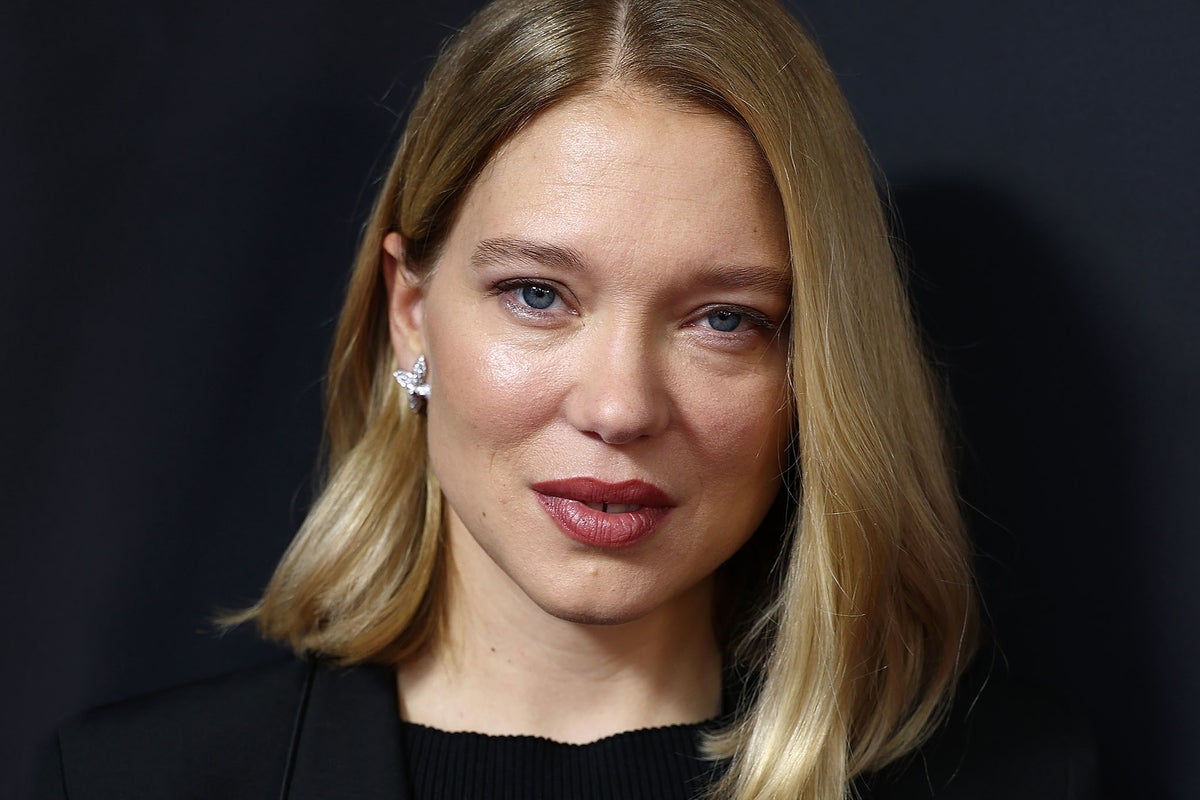
The sanctity of domestic life shatters in an instant in Gentle Monster, when the home of a French pianist (Léa Seydoux) is raided by police. They’re there, she quickly learns, to investigate her husband, the father of her child. Hard drives are seized, on which the police tell her they expect to find large amounts of child sex abuse imagery. What unfolds over the rest of the film is quiet, brutal reckoning: how do you possibly come to terms with the fact that you may have married a monster?
“My agent sent me the script and said, ‘Maybe because you have kids, you might not want to do it,” says Seydoux, sitting reservedly next to the film’s director Marie Kreutzer, in the suite of a London hotel. “I was afraid of the subject, to be honest. But then I read the script, and was actually very moved. We don’t see anything explicit; it’s subject matter that is difficult to portray, and I like the subtlety of it.”
Subtlety is an apt word to use when discussing Gentle Monster, a film that eschews the sort of histrionic confrontations you might expect from its premise. It’s a story told soberly, with a very sense of European naturalism. So naturally it’s perfect for Seydoux, who has always excelled in these sort of down-to-earth, intimately human roles, in films like Blue is the Warmest Colour and One Fine Morning. (Somehow, the 41-year-old French actor has proved no less congruous in big, stylised American vehicles – among them Inglourious Basterds, The Grand Budapest Hotel and Dune: Part Two – and is probably best known for her recurring role in the last two James Bond films.) “The most important skill of an actor is always to be in the moment,” says Kreutzer. “To just trust the other actor, and the camera, and just be there. And Léa is so very good at that.”
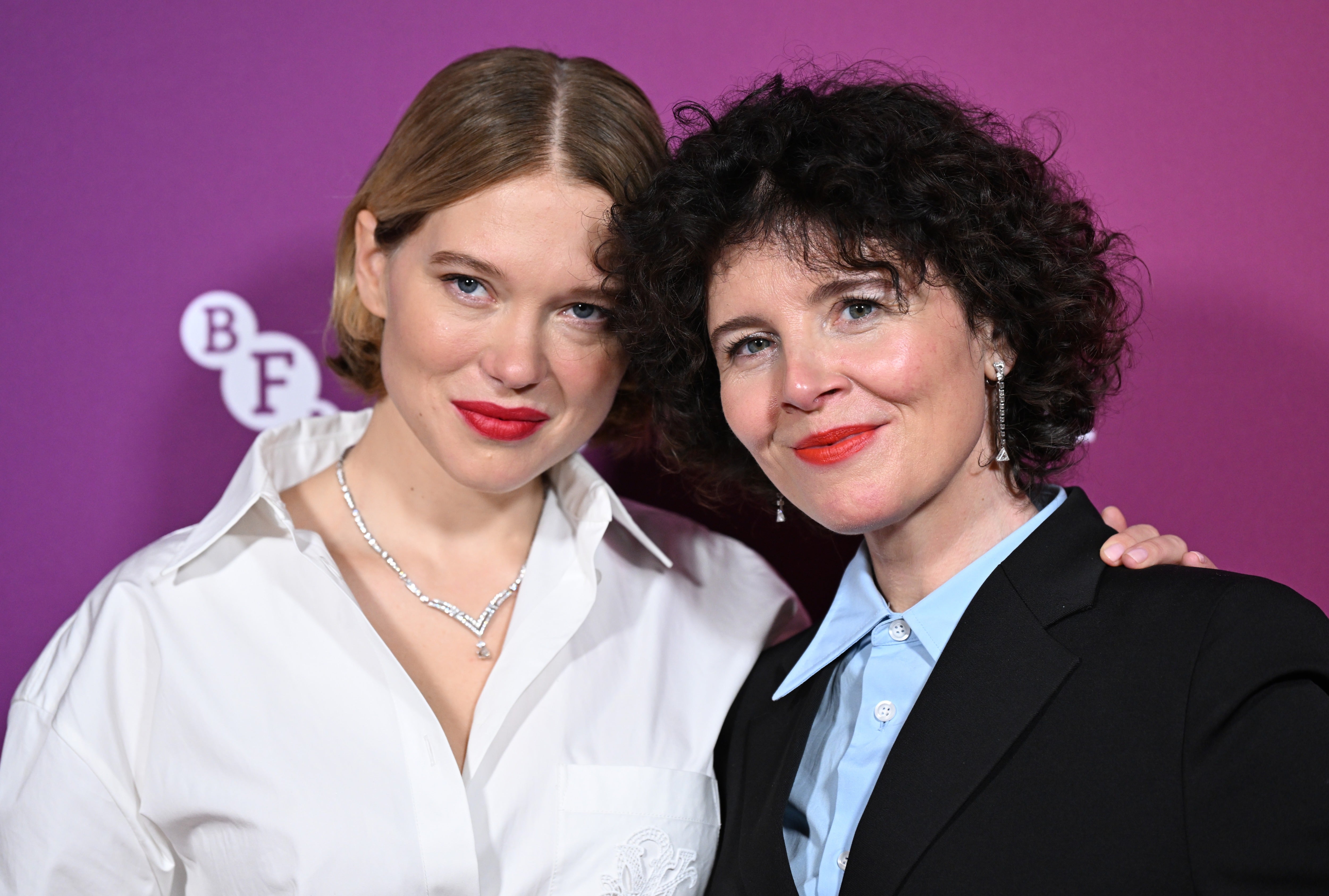
Kreutzer is an Austrian filmmaker, who got her big international breakthrough in 2022 with the Vicky Krieps-starring period drama Corsage. She got the idea for Gentle Monster back in 2020, when she read a newspaper report about an investigation into a German paedophile ring, which resulted in dozens of arrests in a large-scale series of raids. “It was a very shocking, explicit article,” she says, “which made it clear to me that the perpetrators are much closer than we want to think. The article delved into the investigation, but also the personal lives of the perpetrators. “And that was the shocking part,” she continues. “I mean, this could be someone I know. It was the first time I could really feel how close it is. Like, how would I react if that was my partner?”
Within a couple of years, Kreutzer’s work on Gentle Monster had taken on – in what she describes as a “very strange coincidence” – an added personal significance. Actor Florian Teichtmeister, one of the main stars of Corsage, was arrested for possession of more than 76,000 child sex abuse images. Kreutzer put out a statement at the time acknowledging that she had been made aware of allegations against Teichtmeister back in 2021, after filming had wrapped, and that he had “convincingly assured us (and others) of their falsity”.
“At the time, Corsage was on the Oscar shortlist, and was doing really well,” she recalls. “And there was a whole s***storm, because people wanted us to take it out of every cinema, which was impossible, because the film had sold to 92 countries. We couldn’t do anything – but also I didn’t want that. I thought it was unfair to the 350 other people who had worked on the film.
People were yelling at me on the street in Vienna. It was a huge scandal in Austria because he was a very famous actor. And I was attacked from many sides
Marie Kreutzer
“It was a whole thing,” she continues. “People were yelling at me on the street, in Vienna. It was a huge scandal in Austria because he was a very famous actor. And I was attacked from many sides.” What hurt the most, she says, was “being attacked by colleagues, for not doing the morally right thing. So that was really hard, but later I realised this was also a gift.”
The experience is alluded to at the very end of Gentle Monster: in a line towards the end of the credits, Kreutzer issues thanks to “all the haters who made me stronger in 2023, and made me want to make this film even more”.
Seydoux swivels her head amusedly when I mention this. “You thanked the haters?”

Watch Apple TV free for 7 day
New subscribers only. £9.99/mo. after free trial.
Plan auto-renews until cancelled.
ADVERTISEMENT. If you sign up to this service we will earn commission. This revenue helps to fund journalism across The Independent.
“Yes. I’ve been asked about this a lot – I’m very happy to see that so many people read until the end of the credits, actually,” says Kreutzer.
“I mean,” she continues, “I’m very happy [Teichtmeister’s crimes] were uncovered because every perpetrator uncovered is one less. But also [it meant] we were talking about it more, and it did have an impact on some child protection regulations in Austria.” (After Teichtmesiter pleaded guilty and was handed a two-year suspended sentence for possessing and processing/altering child sexual abuse images, the Austrian government brought in the “Teichtmesiter Law”, which, among other things, extended the penalties for crimes relating to child sex abuse images.)
“But also for me personally, as a filmmaker, it’s very important to learn not to care about what other people think and say. And it was an intense learning of that. And I really grew with thicker skin. And so I really mean it when I say I thank them, because they taught me something.”
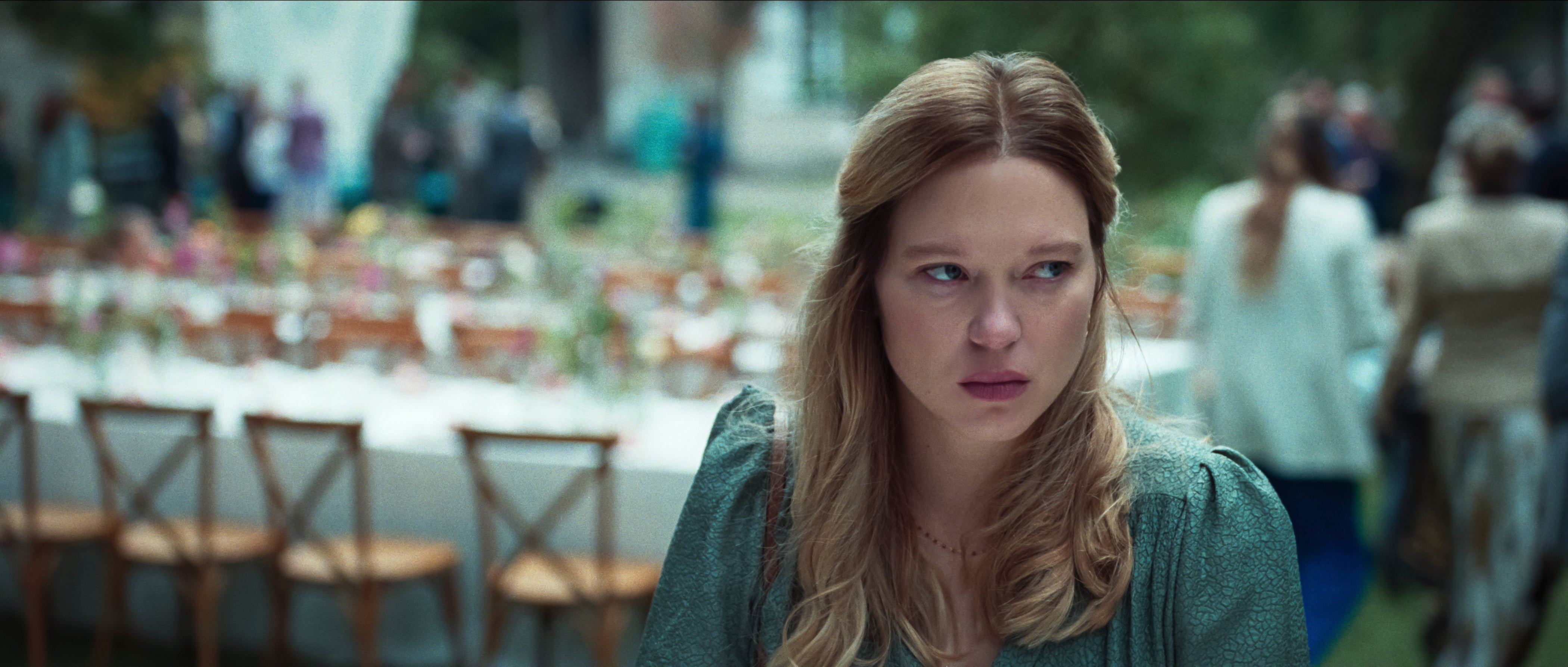
For Seydoux, Gentle Monster posed a number of challenges – including a number of scenes in German, a language she doesn’t speak, and the sequences in which her character is seen playing the piano. “I’m not very technical,” she says. “I’m very instinctive. So when it comes to doing things that are technical, it’s always difficult. I remember that I did another film where I also played piano [2023’s time-hopping drama The Beast] and he was so mad at me, the director. I had only one scene [playing the piano], and he was like, ‘No, no, we can’t tell that’s you.’ I struggled.”
In Gentle Monster, her character makes a career out of re-interpreting songs written by men – “taking their words, and questioning them”. Is this something Seydoux can relate to, I ask? Being someone who has worked with a number of prominent male writer-directors, from Wes Anderson to Quentin Tarantino to Woody Allen.
“First of all, I’ve worked with many, many female directors,” she says. “But I think it’s interesting. It’s often said that men struggle a bit more to express themselves than women. It’s true that when I work with female directors or male directors, I see the difference. When you work with the male director, often they project something on you. You are more like a fantasy. And women, they relate to you more. And she will identify more with your character.”

It’s obvious that Seydoux and Kreutzer seem to get along; both women seem smart, professional and confident in their own talent. I ask about the difficulties securing financing for a film like Gentle Monster. “It was not easy, with that subject matter,” Kreutzer says. “I don’t know if I would have been able to finance it, with that budget, if it weren’t for Corsage. Because I had had that success before, and people were excited.
“But also, I feel confident enough now, at 49 years [old], to say, it’s also because I’m a really good writer. And usually, when people read my script, they say, ‘Take the money.’ And that’s the most important thing you can have for financing. I’m so proud I’m finally allowing myself to say that.”
“You are a great writer!” says Seydoux, thawing into a smile.
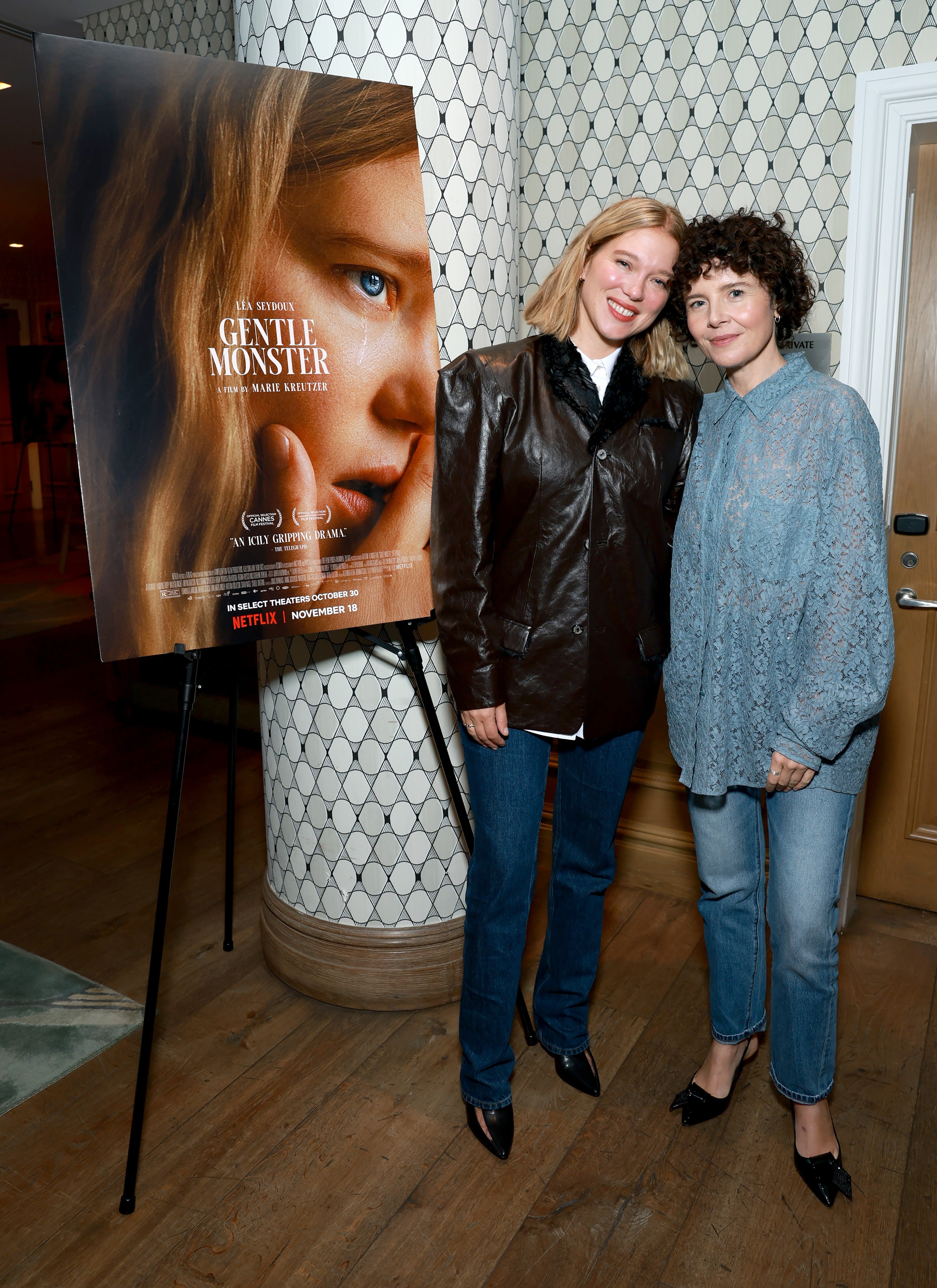
Gentle Monster was first seen by audiences back in May, when it premiered at the Cannes Film Festival; it went on to feature at a number of festivals since, ahead of a release in cinemas this month (and on Netflix in mid-November). Which is to say that Kreutzer and Seydoux already have a sense of how people respond to their film; they know they’re sitting on something worthwhile.
“When I do Q&As, people stay for a long time after the film,” says Kreutzer. “They come to me afterwards. And I got some messages on social media from people who were victims of child abuse themselves. And that’s very moving. The most beautiful thing one of these people wrote was that the film was healing for her. And you cannot expect, or control something like that.”
“I think that it has to be talked about,” says Seydoux. “And maybe because of this film, people can open up. If people can feel less alone with this, then it’s a good thing.”
‘Gentle Monster’ is in selected cinemas from 30 October, and streams on Netflix from 18 November
Дэлгэрэнгүй эх сурвалжийг харах
Эх сурвалжийг нээх ↓
Want to bookmark your favourite articles and stories to read or reference later? Start your Independent Membership today.
Already a member?
The sanctity of domestic life shatters in an instant in Gentle Monster, when the home of a French pianist (Léa Seydoux) is raided by police. They’re there, she quickly learns, to investigate her husband, the father of her child. Hard drives are seized, on which the police tell her they expect to find large amounts of child sex abuse imagery. What unfolds over the rest of the film is quiet, brutal reckoning: how do you possibly come to terms with the fact that you may have married a monster?
“My agent sent me the script and said, ‘Maybe because you have kids, you might not want to do it,” says Seydoux, sitting reservedly next to the film’s director Marie Kreutzer, in the suite of a London hotel. “I was afraid of the subject, to be honest. But then I read the script, and was actually very moved. We don’t see anything explicit; it’s subject matter that is difficult to portray, and I like the subtlety of it.”
Subtlety is an apt word to use when discussing Gentle Monster, a film that eschews the sort of histrionic confrontations you might expect from its premise. It’s a story told soberly, with a very sense of European naturalism. So naturally it’s perfect for Seydoux, who has always excelled in these sort of down-to-earth, intimately human roles, in films like Blue is the Warmest Colour and One Fine Morning. (Somehow, the 41-year-old French actor has proved no less congruous in big, stylised American vehicles – among them Inglourious Basterds, The Grand Budapest Hotel and Dune: Part Two – and is probably best known for her recurring role in the last two James Bond films.) “The most important skill of an actor is always to be in the moment,” says Kreutzer. “To just trust the other actor, and the camera, and just be there. And Léa is so very good at that.”
Kreutzer is an Austrian filmmaker, who got her big international breakthrough in 2022 with the Vicky Krieps-starring period drama Corsage. She got the idea for Gentle Monster back in 2020, when she read a newspaper report about an investigation into a German paedophile ring, which resulted in dozens of arrests in a large-scale series of raids. “It was a very shocking, explicit article,” she says, “which made it clear to me that the perpetrators are much closer than we want to think. The article delved into the investigation, but also the personal lives of the perpetrators. “And that was the shocking part,” she continues. “I mean, this could be someone I know. It was the first time I could really feel how close it is. Like, how would I react if that was my partner?”
Within a couple of years, Kreutzer’s work on Gentle Monster had taken on – in what she describes as a “very strange coincidence” – an added personal significance. Actor Florian Teichtmeister, one of the main stars of Corsage, was arrested for possession of more than 76,000 child sex abuse images. Kreutzer put out a statement at the time acknowledging that she had been made aware of allegations against Teichtmeister back in 2021, after filming had wrapped, and that he had “convincingly assured us (and others) of their falsity”.
“At the time, Corsage was on the Oscar shortlist, and was doing really well,” she recalls. “And there was a whole s***storm, because people wanted us to take it out of every cinema, which was impossible, because the film had sold to 92 countries. We couldn’t do anything – but also I didn’t want that. I thought it was unfair to the 350 other people who had worked on the film.
People were yelling at me on the street in Vienna. It was a huge scandal in Austria because he was a very famous actor. And I was attacked from many sides
Marie Kreutzer
“It was a whole thing,” she continues. “People were yelling at me on the street, in Vienna. It was a huge scandal in Austria because he was a very famous actor. And I was attacked from many sides.” What hurt the most, she says, was “being attacked by colleagues, for not doing the morally right thing. So that was really hard, but later I realised this was also a gift.”
The experience is alluded to at the very end of Gentle Monster: in a line towards the end of the credits, Kreutzer issues thanks to “all the haters who made me stronger in 2023, and made me want to make this film even more”.
Seydoux swivels her head amusedly when I mention this. “You thanked the haters?”
Watch Apple TV free for 7 day
New subscribers only. £9.99/mo. after free trial.
Plan auto-renews until cancelled.
ADVERTISEMENT. If you sign up to this service we will earn commission. This revenue helps to fund journalism across The Independent.
“Yes. I’ve been asked about this a lot – I’m very happy to see that so many people read until the end of the credits, actually,” says Kreutzer.
“I mean,” she continues, “I’m very happy [Teichtmeister’s crimes] were uncovered because every perpetrator uncovered is one less. But also [it meant] we were talking about it more, and it did have an impact on some child protection regulations in Austria.” (After Teichtmesiter pleaded guilty and was handed a two-year suspended sentence for possessing and processing/altering child sexual abuse images, the Austrian government brought in the “Teichtmesiter Law”, which, among other things, extended the penalties for crimes relating to child sex abuse images.)
“But also for me personally, as a filmmaker, it’s very important to learn not to care about what other people think and say. And it was an intense learning of that. And I really grew with thicker skin. And so I really mean it when I say I thank them, because they taught me something.”
For Seydoux, Gentle Monster posed a number of challenges – including a number of scenes in German, a language she doesn’t speak, and the sequences in which her character is seen playing the piano. “I’m not very technical,” she says. “I’m very instinctive. So when it comes to doing things that are technical, it’s always difficult. I remember that I did another film where I also played piano [2023’s time-hopping drama The Beast] and he was so mad at me, the director. I had only one scene [playing the piano], and he was like, ‘No, no, we can’t tell that’s you.’ I struggled.”
In Gentle Monster, her character makes a career out of re-interpreting songs written by men – “taking their words, and questioning them”. Is this something Seydoux can relate to, I ask? Being someone who has worked with a number of prominent male writer-directors, from Wes Anderson to Quentin Tarantino to Woody Allen.
“First of all, I’ve worked with many, many female directors,” she says. “But I think it’s interesting. It’s often said that men struggle a bit more to express themselves than women. It’s true that when I work with female directors or male directors, I see the difference. When you work with the male director, often they project something on you. You are more like a fantasy. And women, they relate to you more. And she will identify more with your character.”
It’s obvious that Seydoux and Kreutzer seem to get along; both women seem smart, professional and confident in their own talent. I ask about the difficulties securing financing for a film like Gentle Monster. “It was not easy, with that subject matter,” Kreutzer says. “I don’t know if I would have been able to finance it, with that budget, if it weren’t for Corsage. Because I had had that success before, and people were excited.
“But also, I feel confident enough now, at 49 years [old], to say, it’s also because I’m a really good writer. And usually, when people read my script, they say, ‘Take the money.’ And that’s the most important thing you can have for financing. I’m so proud I’m finally allowing myself to say that.”
“You are a great writer!” says Seydoux, thawing into a smile.
Gentle Monster was first seen by audiences back in May, when it premiered at the Cannes Film Festival; it went on to feature at a number of festivals since, ahead of a release in cinemas this month (and on Netflix in mid-November). Which is to say that Kreutzer and Seydoux already have a sense of how people respond to their film; they know they’re sitting on something worthwhile.
“When I do Q&As, people stay for a long time after the film,” says Kreutzer. “They come to me afterwards. And I got some messages on social media from people who were victims of child abuse themselves. And that’s very moving. The most beautiful thing one of these people wrote was that the film was healing for her. And you cannot expect, or control something like that.”
“I think that it has to be talked about,” says Seydoux. “And maybe because of this film, people can open up. If people can feel less alone with this, then it’s a good thing.”
‘Gentle Monster’ is in selected cinemas from 30 October, and streams on Netflix from 18 November
Холбоотой

Шинэ
