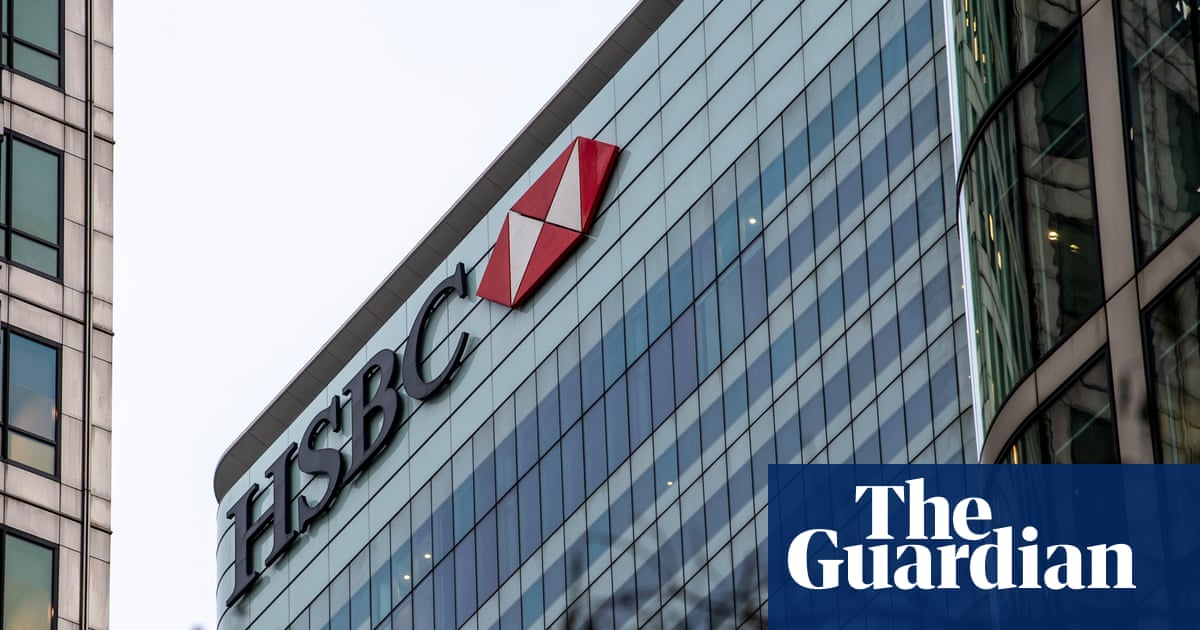
Их Британийн засгийн газар татварын бодлогоо чангаруулахаар зэхэж буй энэ үед HSBC банк төв оффисоо Лондоноос нүүлгэх тухай таамаглалыг няцаажээ.
HSBC банкны санхүүгийн захирал Пам Каур мягмар гарагт хийсэн мэдэгдэлдээ, тус банк Их Британид үйл ажиллагаагаа үргэлжлүүлнэ гэдгийг баталж, татварын нэмэгдлийн улмаас оффисоо нүүлгэх асуудал огт яригдаагүй гэв. Хэдийгээр салбарын лобби бүлгүүд татварын ачаалал ихэссэнээр томоохон банкууд үйл ажиллагаагаа хилийн чанад руу шилжүүлж болзошгүй гэж анхааруулж байсан ч HSBC-ийн зүгээс ийм дарамт байхгүй гэж үзэж байна.
Тус банк гуравдугаар улирлын цэвэр ашгаа 32 хувиар өсгөж, 9.6 тэрбум ам.долларт хүргэснээ зарласан бөгөөд хувьцаа эзэмшигчдэдээ 2.7 тэрбум ам.долларын ногдол ашиг олгохоор төлөвлөж байна. Сангийн сайд Жон Хили лхагва гарагт танилцуулах төсөвтөө банкуудад ногдуулах татварыг нэмэгдүүлж, өмнөх засгийн газрын хэрэгжүүлж байсан хөнгөлөлтийг цуцлах төлөвтэй байгаа юм.
HSBC-ийн хувьд ашгийнхаа дийлэнхийг Азийн зах зээлээс бүрдүүлдэг тул өмнө нь Их Британийн бодлогоос шалтгаалан оффисоо нүүлгэх эсвэл үйл ажиллагаагаа салгах тухай асуудал хөндөгдөж байсан удаатай. Гэсэн хэдий ч одоогийн удирдлага нь засгийн газрын эдийн засгийг өсгөх бодлогыг дэмжиж буйгаа илэрхийлж, үйлчлүүлэгчдээ үргэлжлүүлэн дэмжинэ гэдгээ мэдэгдлээ.
skip past newsletter promotion
after newsletter promotion
Дэлгэрэнгүйг эх сурвалжаас харах
↓Эх сурвалжийг нээх ↓
A top executive at HSBC has tried to quash speculation that the bank could move its headquarters out of the UK over tax increases expected to be announced in Wednesday’s budget.
HSBC’s chief financial officer, Pam Kaur, said there was “no pressure”, particularly from shareholders in its cornerstone Hong Kong market, to shift out of London despite lobbyists warning higher tax bills could drive big banks’ business abroad.
HSBC on Tuesday revealed a 32% rise in third-quarter profits to $9.6bn (£7.2bn), alongside plans to give $2.7bn to shareholders through dividends and buybacks.
Lobby groups have for months warned that banks could shift business and jobs to rival hubs if threatened with higher bills, with the JP Morgan chief executive, Jamie Dimon, saying he could even scrap plans for a new £3bn London headquarters if Britain became “hostile” to banks.
A handful of wealthy businesspeople have already said they are leaving the UK, with some criticising Labour’s tax policies.
The Guardian revealed earlier this month that the chancellor, John Healey, was planning to tax Britain’s banks in Wednesday’s budget. He is likely to reverse the previous Conservative government’s cuts to the bank surcharge.
“Irrespective of what happens on taxes, we are there to support our customers, and that is what we will do,” she told journalists during a media call on Tuesday. “We are very comfortable, we are domiciled in the UK and we remain in the UK. So that question is just not on the table,” Kaur said.
HSBC has a strong shareholder base in east Asia, where it makes the bulk of its profits, and has twice been pushed to shift or split its operations in reaction to UK policies.
That includes in 2015, when growing regulatory burdens and a new bank levy led HSBC to consider shifting its headquarters out of London to Hong Kong. The Conservative government later scaled back the levy to cover only UK-based assets, in a boon to HSBC.
HSBC later faced pressure to separate the bank’s profitable Asian business from the rest of its operations in 2022, amid anger that the UK had forced the bank to cancel its dividend during the first Covid lockdown.
Kaur gave broad backing to Healey and the prime minister, Andy Burnham, saying the bank was “very encouraged by the government’s growth agenda”, adding that the bank would “just have to see how businesses and customers react”.
The lender’s profit in the July to September quarter was boosted by higher interest rates, lower loan losses and smaller legal provisions compared with last year. However, its UK-listed shares plunged almost 6% on Tuesday morning, threatening its status as the biggest company on the FTSE 100.
Kaur speculated that investors may have expected stronger forecasts for net interest income – which is the difference between what banks charge for loans versus what they pay out in deposits.
HSBC’s net interest income rose to $9.3bn in the third quarter, up from $8.8bn a year earlier. That metric has been a flashpoint for groups campaigning for a UK bank tax, including the Trades Union Congress, which said bank profits have been driven by higher interest rates rather than their own improving performance.
after newsletter promotion
However, HSBC said its net interest income grew in the third quarter as a result of hedging strategies and a growth in deposits in Hong Kong, while UK deposits stayed flat.
The TUC general secretary, Paul Nowak, said HSBC’s results still showed banks could comfortably shoulder higher taxes. “Some in the finance lobby have tried every which way to stop tax rises in the budget. But these results make it blatantly obvious banks can afford to contribute more.”
Abhijay Sood, an economist at the New Economics Foundation thinktank, said HSBC’s strong profits would be “difficult news to swallow for households struggling with rising mortgage costs”.
He added: “Like other big banks, its profitability has depended on keeping interest rates on savings accounts low, and a stealth subsidy from taxpayers via the Bank of England due to quantitative easing.
“While the rumours of a bank tax change in the budget are welcome, it is unlikely to go far enough …
“The chancellor should go further by clawing back the stealth subsidy, and use this to fund inflation-busting investment and keep the essentials of life affordable for ordinary people.”

