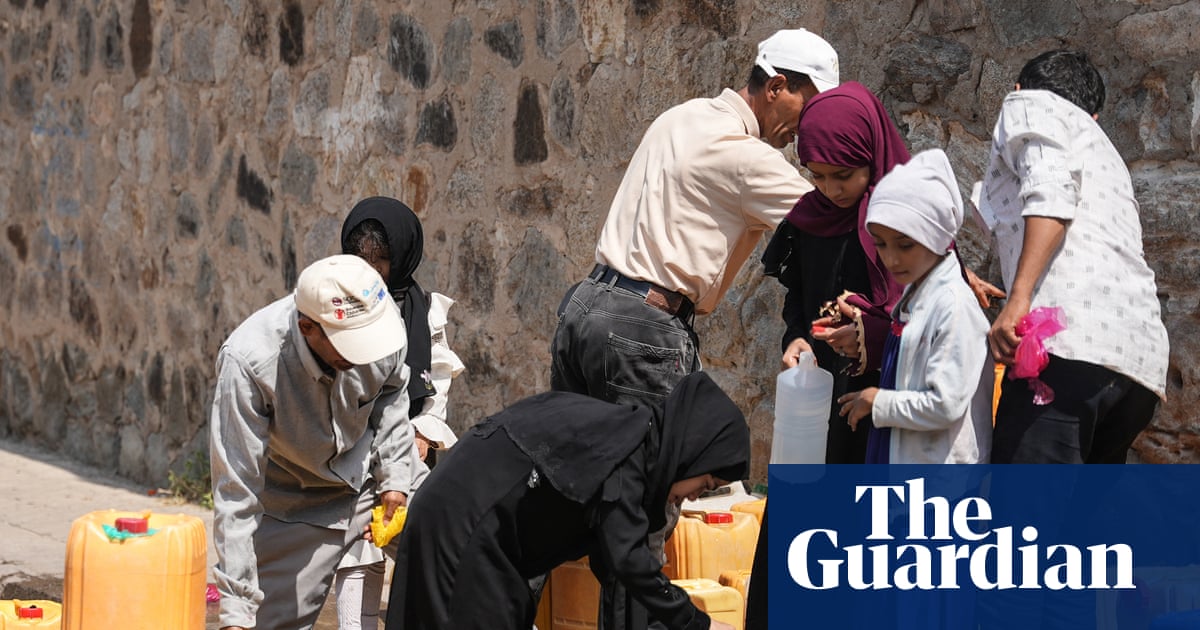
Таиз хотын захирагч Набил Шамсан Хути босогчдын удаан хугацааны бүслэлтийн улмаас тус хот сүйрлийн ирмэгт ирж, хүн амын амьдрах нөхцөл “чулуун зэвсгийн үе”-ийн түвшинд хүртэл дордсоныг мэдэгдлээ.
Бүслэлтийн улмаас ус, хүчилтөрөгч, хүнсний хангамж эрс тасарч, хог хаягдал хуримтлагдсанаар эрүүл ахуйн ноцтой нөхцөл байдал үүсээд байна. Хотын өдөр тутмын усны хэрэгцээ 35,000 шоо метр байдаг ч Хути босогчдын хяналтад байгаа замын түгжрэлийн улмаас өдөрт 1,000 шоо метрээс бага ус нэвтэрч байна. Мөн 120 эрүүл мэндийн төв үйл ажиллагаагаа зогсоож, диализийн эмчилгээ шаардлагатай 1,800 орчим иргэн эмнэлгийн тусламж авч чадахгүйд хүрээд байгааг захирагч онцолжээ.
Тус бүс нутагт 8-р сараас 10-р сарын 20-ны хооронд 64 хүн амь үрэгдэж, 173 хүн шархадсан байна. Захирагч Набил Шамсан Хути босогчдыг цэргийн ажиллагаанаас гадна иргэдийн үндэсний болон шашны үзэл баримтлалыг хүчээр өөрчлөх, хүүхдүүдийг дайны талбарт 강даар татан оролцуулах замаар “өшөө авалтын дайн” явуулж байна хэмээн буруутгав.
Хути босогчдын удирдагч Абдул-Малик Бадр аль-Дин аль-Хути тус хотыг бүслэхгүй байгаа бөгөөд хүмүүнлэгийн тусламж нэвтрэх боломжтой хэмээн мэдэгдсэн нь бодит нөхцөл байдалтай зөрчилдөж байна. Human Rights Watch байгууллагын мэдээлснээр, 12 жил үргэлжилж буй энэхүү бүслэлт нь олон улсын хууль тогтоомжийг ноцтой зөрчиж, энгийн иргэдийн амь нас, эрүүл мэндийг эрсдэлд оруулж байгааг шүүмжилжээ.
Дэлгэрэнгүйг эх сурвалжаас харах
↓Эх сурвалжийг нээх ↓
The Houthis are trying to send the city of Taiz back to the stone age, the city’s governor said in a briefing designed to urge the international community to do more to lift the month-long siege.
Nabil Shamsan said massacres were taking place in Yemen’s third city, that oxygen and water supplies were running out and that rubbish was piling up in the streets due to landfill sites being either full or inaccessible.
The city’s daily minimum water needs are estimated at about 35,000 cubic metres, he said, but no more than 1,000 cubic metres was being allowed to reach it each day and that water shipments were being stopped at Houthi roadblocks surrounding the city.
With food stocks depleted and the price of wheat soaring, he said “citizens are heading back to the stone age”. Restaurants had closed due to the lack of fuel.
Shamsan said that as many as 1,800 people were in need of dialysis treatment but were unable to access supplies, that 120 health centres had been suspended and schools had closed, affecting hundreds of thousands of children.
He said 64 people had been killed, including civilians, from August to 20 October 2026 and a further 173 injured. More than 6,400 newly displaced families, each averaging seven members, had come to the city to flee the fighting.
“We are not talking about living, just surviving,” he said.
His account contradicted one given by the Houthi leader, Abdul-Malik Badr al-Din al-Houthi, who said: “The way is open for food, medicine, and humanitarian aid to enter the city and even for Saudi-backed groups to do so. Anyone who wants to verify that there is no siege on the city of Taiz can go to the city and see.”
Shamsan said that Houthis forces had a near-total grip on the roads into the city, adding the group had issued a choice to the more than 800,000 inside the city “either to leave or to die”.
He accused the Houthis of not waging a military battle but a battle to change the identity of Yemen, with captured villages being taken over by new religious leaders with education and religious curricula being changed. “This is not a military war but a war of vengeance,” he said.
People in occupied territories were being required to show loyalty to the Zaydi religion and to sign forms affirming they had joined the Houthis. “They are not starting a war but an revolution in identity,” Shamsan said, adding that scores of children from each village were being forcibly ordered without their parents’ consent to join the frontlines in Saada and elsewhere.
Vowing the people of Taiz would resist until the end, he said statements of solidarity were of no use and that what was needed was access for aid agencies, including the UN, to deliver supplies to the city.
Shamsan was reluctant to divulge details of the state of the military campaign, but said shelling of the city was becoming more frequent and that communication between the city and rural areas had broken down. Houthis now controlled the mobile networks and were sending messages to citizens to end their resistance, while eavesdropping on all conversations, he said. Mobile networks were “completely disrupted”, he said, adding that he was speaking only 2-5km from the frontlines.
Most independent agencies agree that life inside the city is rapidly deteriorating. Niku Jafarnia, a Yemen researcher at Human Rights Watch, said: “Renewed efforts by the Houthis to cut off food, water, and medicine to Taiz show their utter disregard for civilian lives.
“Throughout the 12-year-long siege of Taiz, the Houthis have bombed, starved and denied humanitarian aid to a million residents of the city with scant adherence to international law.”

