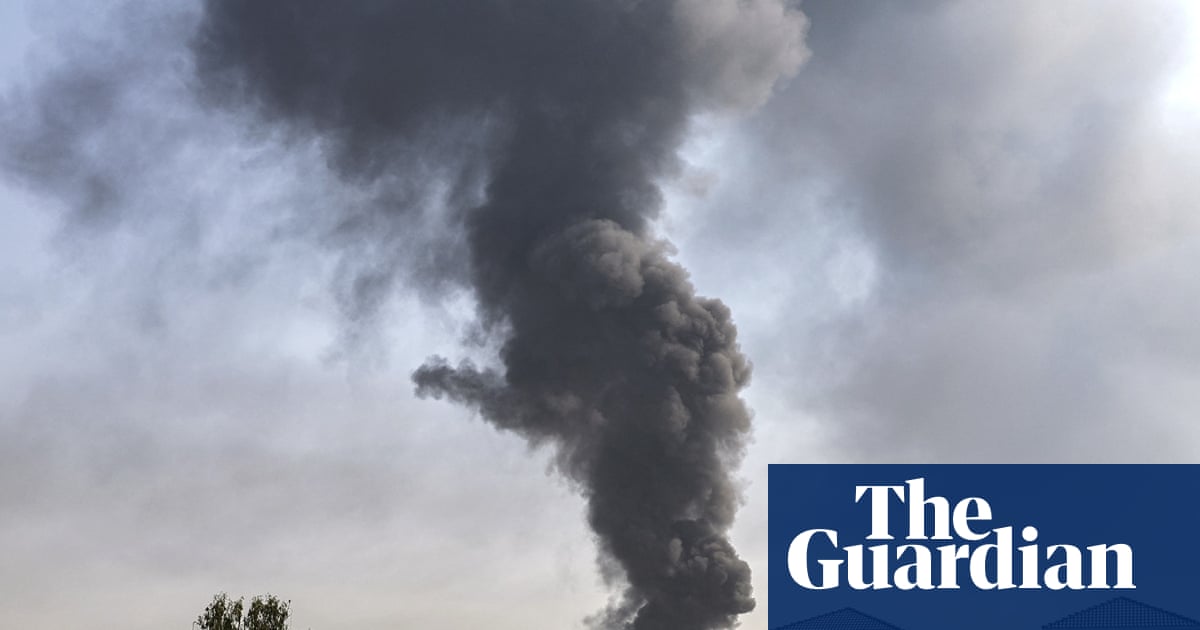
Иран улстай үүссэн зэвсэгт мөргөлдөөний дараа бүс нутгийн аюулгүй байдлын тогтолцоо болон АНУ-ын цэргийн баазуудын үр нөлөөний талаар олон улсын шинжээчид эргэлзээ төрүүлэв.
Олон улсын Стратегийн судалгааны хүрээлэнгийн тайланд дурдсанаар, дөрөвдүгээр сарын 8-ны өдөр гал зогсоох хэлэлцээр эхлэхээс өмнөх долоо хоногт Персийн булангийн орнууд Ираны 4,670 ширхэг нисгэгчгүй онгоц болон 1,400 гаруй баллистик пуужингийн довтолгоонд өртжээ. Эдгээр халдлагын дийлэнх нь Арабын Нэгдсэн Эмират улсад чиглэсэн бөгөөд эрчим хүчний дэд бүтцэд 58 тэрбум ам.долларын хохирол учирсан гэх тооцоо байна. Хэдийгээр ихэнх довтолгоог няцаасан ч тус бүс нутгийн орнууд АНУ-аас худалдаж авсан олон их наяд ам.долларын өртөгтэй зэвсэглэл нь бодит аюулын үед хангалттай хамгаалалт болж чадаагүйг тайланд онцолжээ.
АНУ-ын зэвсэглэлд хэт найдах, бүс нутгийн хамтын ажиллагаа сул, мина цэвэрлэх чадвар дутагдалтай зэрэг нь Персийн булангийн орнуудын батлан хамгаалах салбарын сул талууд болж байна. Мөн Ираны довтолгооноос хамгаалахын тулд өндөр өртөгтэй системүүдийг харьцангуй хямд нисгэгчгүй онгоцуудын эсрэг ашиглах нь эдийн засгийн хувьд дарамт болж байгааг шинжээчид шүүмжилжээ. Олон нийтийн дунд АНУ-ыг аюулгүй байдлыг хангагчаас илүүтэй “стратегийн эрсдэл” гэж үзэх хандлага нэмэгдэж байна.
АНУ-ын Сенатын Гадаад харилцааны хорооны гишүүн Крис Мөрфи тус бүс нутаг дахь АНУ-ын цэргийн баазуудын ирээдүйн талаарх хэлэлцүүлэг эхэлснийг мэдэгдэв. Тэрээр дайн эхэлснээс хойш 24 цагийн дотор устгагдах эрсдэлтэй баазуудыг дахин сэргээн босгох нь татвар төлөгчдийн мөнгийг үр ашиггүй зарцуулсан хэрэг болно гэж үзэж байна. Иймд АНУ бүс нутаг дахь цэргийн оролцоогоо багасгаж, стратегийн байршлуудаа Ираны пуужингийн тусгалаас холдуулах шаардлагатай гэсэн байр суурийг илэрхийлжээ.
Дэлгэрэнгүйг эх сурвалжаас харах
↓Эх сурвалжийг нээх ↓
Gulf states are going to have to reconfigure their trillion-dollar defences given the damage inflicted on their economies and the questionable continued value of US bases in the face of Iranian attack, according to a study by the International Institute for Strategic Studies.
The report says that in the weeks before the 8 April ceasefire, 12 regional states, overwhelmingly in the Gulf, faced 4,670 Iranian one-way attack drones and more than 1,400 ballistic missiles. Nearly half were aimed at the United Arab Emirates. Although the vast majority were repelled, one estimate of the damage to energy infrastructure cited by the report is put as high as $58bn (£43bn).
Iran would portray either a reduction or complete withdrawal of US forces from the Gulf region as “a strategic success and vindication of its steadfastness, but also use it to embarrass the Gulf states about their decades-long courtship of US protection”.
The report says the war also highlights another “uncomfortable truth for the Gulf states: not only has their trillion-dollar acquisition of US weapons not translated into US protection at the crucial time, but their respective militaries are also not adequately prepared for the new kind of attritional air war to which they are being exposed”.
Despite huge investment in mainly US armaments, the report identified significant shortcomings: “overwhelming reliance on US-supplied air- and missile-defence systems and munitions; a failure to achieve regional defence integration; a shortage of minesweeping capability; limited retaliatory options; and the prohibitive costs stemming from an over-dependence on expensive, high-end systems to take down relatively inexpensive drones and missiles”.
The report is neutral on whether the divided Gulf states should seek a new non-aggression pact with Iran, but notes that the US-Iran war has shown that longstanding defence and security partnerships with the US “have failed to ensure adequate protection against Iranian aggression …
“If anything, US military bases and defence partnerships with the US have provided Iran with another pretext for attacks against the Gulf states.”
Public opinion on the US in the Gulf has also been shifting, “from security provider to strategic liability”.
Any reduction or withdrawal of US forces from the Gulf region would be portrayed by Iran “as a strategic success and vindication of its steadfastness” and would also be used “to embarrass the Gulf states about their decades long courtship of US protection,” the report notes.
The study comes after Chris Murphy, the Democrat senator and member of the senate foreign relations committee, said a live debate was under way in the US military about the value of seeking to rebuild the damaged US bases in the Gulf.
He said the Gulf state leadership “want us to rebuild” and “to keep a presence in the region”, but said: “What good is it to have a base in the region to protect American interests if within 24 hours of a hot war starting, it is wiped off the map?
“We would be criminally incompetent as stewards of taxpayer dollars if we were to rebuild bases that are blown up within hours of the next war starting.
“So clearly, we are going to have to have a smaller footprint in the region, and the limiting principle on the footprint that we rebuild will be ‘What can we protect?’ because we clearly cannot protect the scope of our footprint today and if we can’t protect it, it is useless.”
He suggested that, at the very least, the US may need to relocate its bases in the eastern Mediterranean further away from Iranian missiles.

