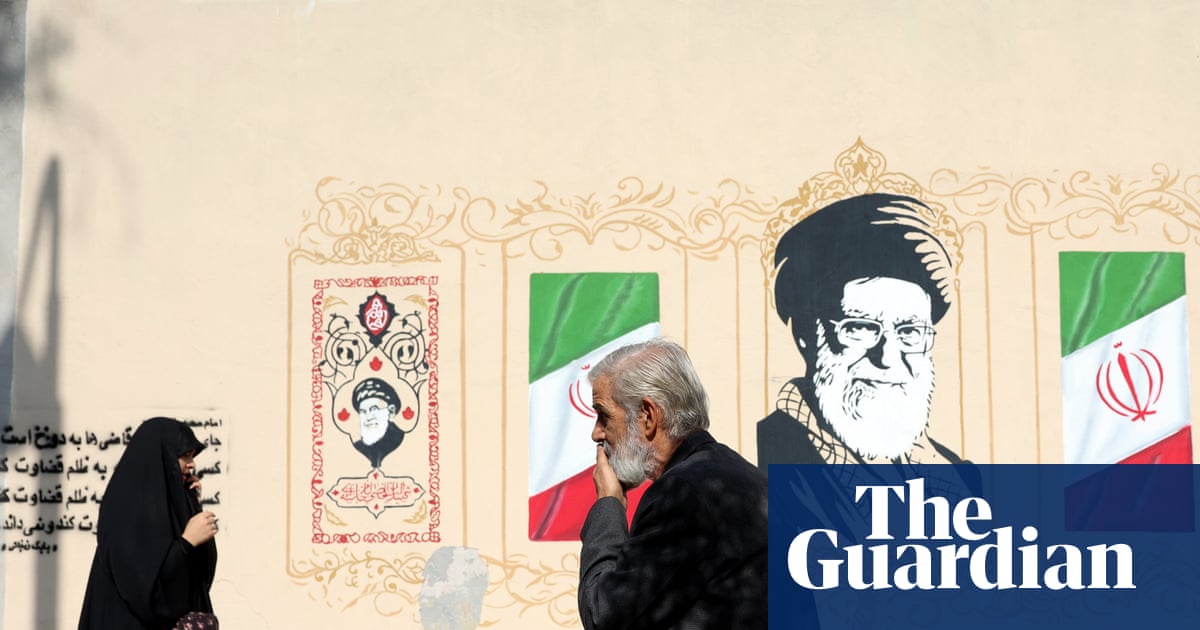
Катар улсын зуучлалтайгаар явагдаж буй хэлэлцээ үр дүнд хүрээгүй тохиолдолд нөхцөл байдал хүндрэхээс сэрэмжилж, Персийн булангийн орнууд бэлэн байдалд шилжлээ.
Доха хотноо гурав дахь өдрөө үргэлжилж буй АНУ болон Ираны хоорондын шууд бус хэлэлцээгээр Ираны 6 тэрбум гаруй ам.долларын хөрөнгийг чөлөөлөх, улмаар Гормузын хоолойг нээх, цөмийн хөтөлбөрийн талаарх яриа хэлэлцээг дахин эхлүүлэх асуудлыг хэлэлцэж байна. Арабын Нэгдсэн Эмират Улсын элч Анвар Гаргаш бүс нутагт хурцадмал байдал үүсэх нь аль ч талд ашиггүй гэдгийг онцлоод, үүсч болзошгүй хамгийн муу хувилбарт бэлэн байгаагаа илэрхийлжээ.
Катар улс хоёр талын итгэлцлийг сэргээх зорилгоор АНУ-ын зүгээс хориг арга хэмжээг цуцлах, Иран улс Гормузын хоолойг нээж, цөмийн хэлэлцээг эхлүүлэх үйл явцыг долоо хоногоос хоёр хоног хүртэл богиносгох төлөвлөгөөг боловсруулж байна. Гэвч баасан гарагт Гормузын хоолой орчимд Пакистан руу явж байсан Катарын LNG танкер пуужингийн цохилтод өртсөн нь хэлэлцээний үйл явцад сөргөөр нөлөөлж болзошгүй байна.
Ираны Гадаад хэргийн сайд Аббас Арагчи АНУ-ыг хүч хэрэглэх бус дипломат замыг сонгоно гэж найдаж буйгаа илэрхийлсэн ч одоогоор Вашингтонтой шууд хэлэлцээ хийх төлөвлөгөөгүй байгаа ажээ. АНУ-ын Төрийн нарийн бичгийн дарга Марко Рубио дипломат шийдэлд нээлттэй байгаагаа мэдэгдсэн бол Ираны Аюулгүй байдлын зөвлөлийн тэргүүн Мохсен Резаеи АНУ-ын дэд ерөнхийлөгч Ж.Д.Вэнсээс хэлэлцээг сэргээх тухай захидал хүлээн авснаа мэдээлэв.
Ираны парламентын дэд дарга Али Никзад тус улс цөмийн хөтөлбөрийн талаар ямар ч нөхцөлд, дарамт шахалт дор хэлэлцээ хийхгүй гэдгээ мэдэгдлээ. Түүнчлэн Дональд Трамп Ираны цэргийн хүчин чадлыг ихээхэн сулруулсан гэж мэдэгдсэн бол Мохсен Резаеи энэ дайн нь Вьетнамын дайнаас ч илүү олон улсын хэмжээний сөрөг үр дагавар дагуулж байгааг сануулсан байна.
Дэлгэрэнгүйг эх сурвалжаас харах
↓Эх сурвалжийг нээх ↓
Officials from the Gulf states are “braced for the worst” as they wait for Washington’s response to an Iranian proposal that could reopen the strait of Hormuz before the US midterm elections on Tuesday.
Indirect talks in Doha ran into a third day on Sunday, with Qatar trying to negotiate the release of more than $6bn in Iranian assets, which could lead to the reopening of the strait of Hormuz and the restart of negotiations on Iran’s nuclear programme.
The United Arab Emirates envoy Anwar Gargash said that another round of escalation was not in the interests of Iran or any of its neighbours. But he added: “We are also, as we have shown before, braced for the worst.”
He added: “Relations with Iran are essential, because Iran is our neighbour and we do not want to see it get caught up in a prolonged crisis.”
Qatar’s mediation continued despite unidentified missiles striking a Pakistan-bound Qatari LNG tanker near the strait of Hormuz on Friday. The attack came despite the ship receiving direct clearance and safe-passage approval from Tehran just hours earlier.
In a bid to overcome the lack of trust on both sides, Qatar has been focusing its efforts on reaching an agreement for a plan to compress the process by which the US lifts sanctions, and then Iran reopens the strait of Hormuz and starts nuclear talks. Iran has agreed to cut the timetable from seven to two days,
Iran’s foreign minister, Abbas Araghchi, said he hoped the US would choose “diplomacy over other paths”. He said Iran was ready for both defence and diplomacy, depending on Washington’s “rationality”. Araghchi said there were currently no plans for direct talks with Washington.
Araghchi has not been attending the mediation in Doha and is due to go to Turkmenistan on Monday, but other Iranian diplomats are heavily involved.
Donald Trump said on Saturday that the US had knocked out much of Iran’s military but still had to “take care of” one or two targets, as Tehran warned of reprisals if attacked.
Trump maintained that negotiations with Iran to end the war, which was started by the US and Israel in February, were “going fine but you know they’re not very reliable”.
Earlier on Saturday, the US secretary of state, Marco Rubio, said the US was open to a diplomatic solution, while Iran’s security chief, Mohsen Rezaei, disclosed that he had received a letter from the US vice-president, JD Vance, seeking to revive talks.
Rezaei noted what he described as a positive change in “tone” from the US side but said he had yet to respond.
Speaking to Al Jazeera on Saturday, Araghchi said Iran had offered to open the strait of Hormuz within two days of the US acting to lift the blockade on oil ships, stop blocking the release of Iranian assets and end sanctions on Iranian oil exports.
Ali Nikzad, the deputy speaker of Iran’s parliament, once again signalled that Tehran would be unwilling to discuss its nuclear programme, saying: “Our enemies must understand that the Iranian nation has made a decision not to negotiate on the nuclear issue under any circumstances or under any pressure. This great nation gave its enemies enough opportunity to negotiate in this area, but was faced with repeated breaches of promises and illegal bombing of part of peaceful nuclear facilities.”
Rezaei claimed Trump was being hounded by a war that he claimed was having wider international repercussions than the Vietnam war. He told Iranian TV on Saturday: “Today, wherever Trump goes, he must answer why he started the war against Iran. There is no family in America that has not endured the pressure caused by the war in Iran.”

