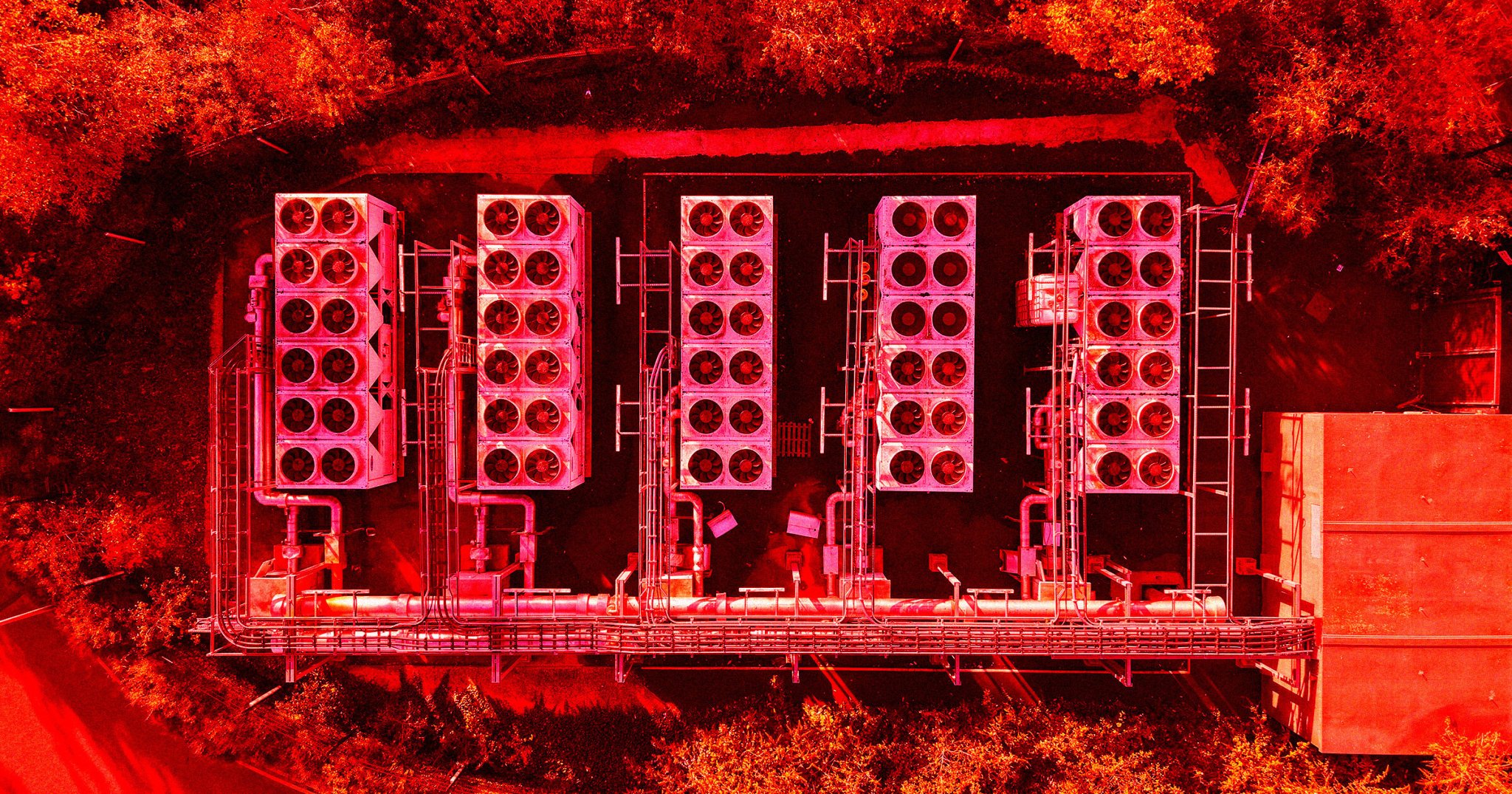
Канадын Альберта мужид баригдах аварга том дата төв нь өдөрт 23 ширхэг Хирошимагийн атомын бөмбөгтэй тэнцэхүйц дулааныг ялгаруулах эрсдэлтэй гэж шинжээчид анхаарууллаа.
Ютагийн их сургуулийн физикч Роберт Дэвисийн хийсэн шинжилгээгээр Wonder Valley нэртэй энэхүү төсөл нь өдөрт 16-18 гигаватт дулааны ачаалал үүсгэх тооцоо гарчээ. Хөрөнгө оруулагч Кевин О’Лиригийн дэмжлэгтэй, 70 тэрбум долларын өртөгтэй уг төсөл нь эрчим хүчний сүлжээнээс татгалзаж, байгалийн хийн үүсгүүрээр өөрийгөө хангах юм. Ингэснээр дата төвийн үйл ажиллагаа болон цахилгаан үйлдвэрлэлийн явцад ялгарах дулаан нэг цэгт төвлөрч, байгаль орчинд урьд өмнө байгаагүй их нөлөө үзүүлнэ гэж судлаачид болгоомжилж байна.
Түүнчлэн уг байгууламж нь жилд 30 сая тонн нүүрстөрөгчийн давхар исэл ялгаруулах төлөвтэй байгаа нь Канадын нийт ялгаруулалтын дөрвөн хувиас давж байна. Уг төслийг байгаль орчны нарийвчилсан үнэлгээнээс чөлөөлсөн нь мэргэжилтнүүдийн эсэргүүцлийг хүлээгээд байгаа юм. Sturgeon Lake Cree Nation (SLCN) үндэстний бүлэг уг шийдвэрийг эсэргүүцэн шүүхийн хяналт шалгалтын хүсэлт гаргасан байна.
Альберта мужийн Байгаль орчин, хамгаалалттай газар нутгийн яамнаас 10 дугаар сарын 30-нд гаргасан мэдэгдэлдээ, төслийн үйл ажиллагааг эхлүүлэхийн өмнө агаар, ус, хөрсөнд үзүүлэх нөлөөллийн техникийн нарийвчилсан үнэлгээг заавал гаргуулах болно гэдгийг онцолжээ. Гэсэн хэдий ч Роберт Дэвис энэхүү асар том бүтээн байгуулалтын хүрээлэн буй орчинд үзүүлэх нөлөөг зөвхөн тусгайлсан зөвшөөрлүүдээр бус, бүхэлд нь хамарсан цогц үнэлгээгээр шалгах ёстой гэж үзэж байна.
Дэлгэрэнгүйг эх сурвалжаас харах
↓Эх сурвалжийг нээх ↓
A proposed data center in northwestern Alberta will reportedly emit a staggering amount of waste heat.
According to an analysis conducted by Utah State University physicist Robert Davies, the Wonder Valley facility will dump “about 23 Hiroshima-sized atomic bombs worth of energy every single day” into the surrounding landscape.
“The effect will almost certainly be large, if not extreme,” Davies told the CBC.
Davies conducted the preliminary analysis earlier this year for the Sturgeon Lake Cree Nation (SLCN). The $70 billion project, backed by celebrity investor Kevin O’Leary, is set to be built 80 miles southwest of SLCN’s reserve. While it does not sit inside the reserve, the reporting notes, it does lie in a patch of land that’s considered the First Nation’s traditional territory.
In April, the Alberta government said it would exempt the Wonder Valley project from a more rigorous provincial environmental impact assessment due to its use of standard power and water systems — a move that disappointed, but perhaps didn’t surprise, legal and environmental experts.
Davies echoed the disappointment. “I can’t imagine allowing it to go forward without those full assessments,” he told CBC, adding that it could be the “largest single-site heat source on the entire planet.”
In all, the data center project will use about nine gigawatts of power using on-site natural gas generators per day, instead of drawing power from an energy grid. All that burning fuel, paired with the heat being generated by the data center operations themselves, totals a daily thermal load of between 16 and 18 gigawatts, Davies calculated — the equivalent of roughly two dozen atomic bombs. (If this line sounds familiar, it’s because Davies used the same analogy when he analyzed another O’Leary-backed data center project in Utah with a similar thermal load.)
It’s a sensational reference point, but it captures the unprecedented concentration of heat that the data center will purportedly pose. Since the power is being generated on site and going straight into the data center, the heat isn’t being spread out the way that a typical power plant’s output would, through the various homes and businesses it’s supplying across an entire region. In other words, the gas turbines are spewing heat as they generate electricity, and the racks upon racks of AI chips are generating heat as they use that electricity to perform calculations, all in the same spot.
The facility will also spew about 30 million metric tons of carbon dioxide per year, according to the analysis — which is more than four percent of Canada’s total emissions.
“When people talk about environmental regulations that these projects have to adhere to, those regulations were not created with anything of this scale in mind,” Davies said.
In September, the SLCN filed an application for a judicial review on the Wonder Valley’s project exemption from an environmental impact assessment, and requested another review last month.
Responding to the request, Alberta’s Ministry of Environment and Protected Areas stressed in an October 30 statement that the project will still have to obtain “all required permits, provide detailed technical assessments on impacts to air, land, and water, and demonstrate the project can be built and operated safely before any project can proceed.”
But the permitting process doesn’t gauge the big picture, Davies argued.
“Permits check the parts. An assessment checks the whole,” he told the CBC. “A project this size is exactly what assessments are for.”
More on data centers: New Data Centers in the US Set to Wipe Out 15 Years of Greenhouse Gas Reductions
The post New AI Data Center Is So Huge That It’ll Generate the Heat of 23 Atomic Bombs Every Single Day appeared first on Futurism.

