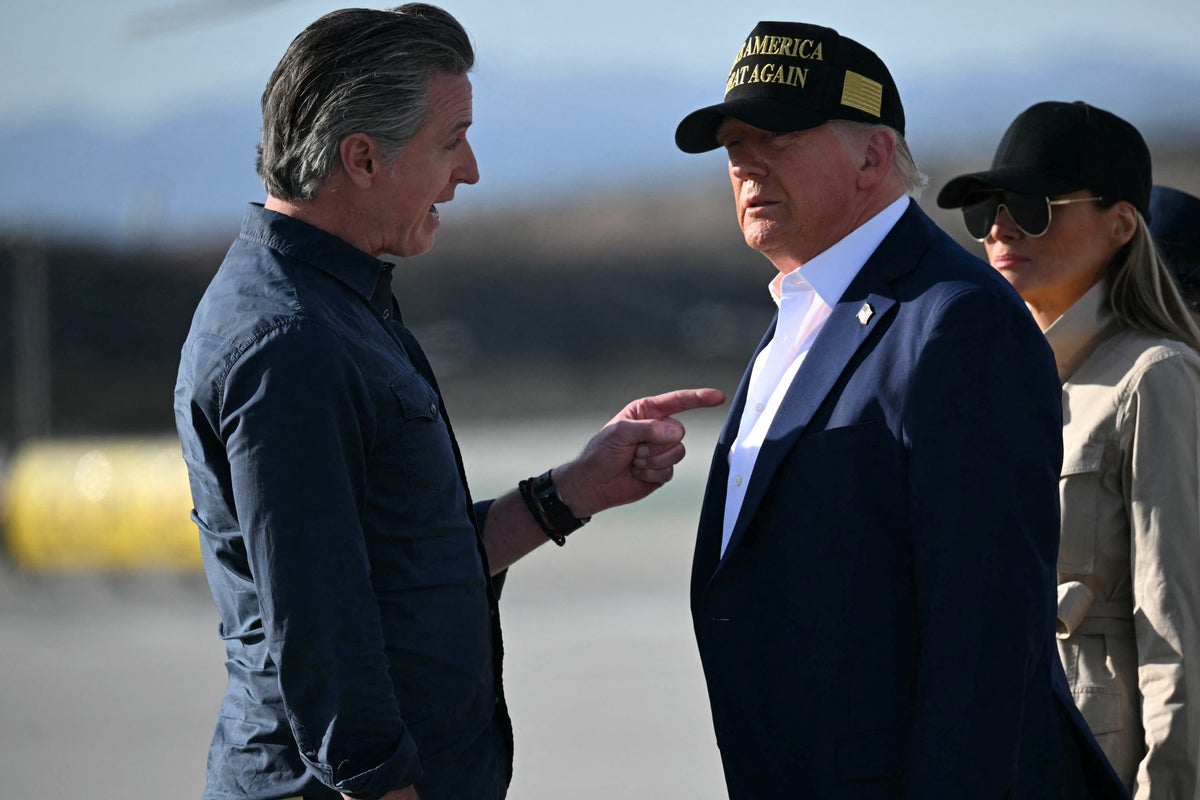
АНУ-ын Дээд шүүх Калифорнийн 20 мянга гаруй сонгогчийн саналыг тусгаарлах тухай Трампын засаг захиргааны хүсэлтийг хэрэгсэхгүй болголоо.
Даваа гарагийн орой Хууль зүйн яамны яаралтай хүсэлтийг хэлэлцсэн Дээд шүүх засаг захиргааны саналыг няцаав. Засгийн газар иргэншилгүй байж болзошгүй гэж үзсэн 20 мянга гаруй хүний саналыг тооллогоос тусгаарлахыг хүссэн бөгөөд Калифорнид зургаан сая гаруй хүн саналаа өгөөд байжээ.
Калифорнийн захирагч Гэвин Ньюсом холбооны шүүгчдэд хандан саналын хуудас, сонгуулийн баримт бичиг болон тоолох төхөөрөмжийг хураан авах зөвшөөрөл хүсэж болзошгүйд “ноцтой түгшиж” байгаагаа мэдэгдсэн. Холбооны албаныхан шаардлагыг биелүүлээгүй сонгуулийн ажилтнуудад эрүүгийн хариуцлага хүлээлгэж болзошгүйг анхааруулсан захидал илгээсний дараа Ньюсом ийм болгоомжлол төрснийг хэлжээ. Тэрбээр саналд халдсан этгээдүүдийг муж улс яллагчаар татна гэж мэдэгдсэн байна.
Трампын засаг захиргаа өнгөрсөн сард сонгогчдын иргэншлийг тогтоох хүртэл зарим саналыг тоолохгүй байхыг шаардан Калифорнийг шүүхэд өгсөн. Шүүхийн шийдвэрээр гаргуулсан 20 мянга гаруй хүний жагсаалтыг судалсан шинжээчид тэдний ойролцоогоор 9,000 нь сонгогчдын бүртгэлд байхгүй, мөн хэдэн арван хүн АНУ-ын иргэн байх магадлалтай гэж мэдээлжээ. Холбооны засаг захиргаа саналыг тусгаарлах нь иргэншлийг шалгах хугацаа олгоно гэж тайлбарласан бол Калифорнийн Ерөнхий прокурор Роб Бонта уг хүсэлтийг сонгуулийг сулруулж, хууль дээдлэх зарчмыг зөрчих оролдлого хэмээн шүүмжилсэн байна.
Өнгөрсөн долоо хоногт холбооны давж заалдах шатны шүүх засаг захиргааны саналыг хориглуулах хоёр дахь хүсэлтийг няцааж, энэ нь сонгуульд саад учруулж, эрх бүхий сонгогчдыг санал өгөх эрхгүй болгох эрсдэлтэйг анхааруулсан. Баасан гарагт өөр нэг шүүгч Хууль зүйн яам, Дотоодын аюулгүй байдлын яамны өндөр албан тушаалтнуудыг сонгуулийн ажилтнуудад дарамт, сүрдүүлэг үзүүлэхээс хоригложээ.
Дэлгэрэнгүйг эх сурвалжаас харах
↓Эх сурвалжийг нээх ↓
Want to bookmark your favourite articles and stories to read or reference later? Start your Independent Membership today.
Already a member?
{
experienceElement.style.display = ‘none’;
let checks = 0;
const maxChecks = 50;
const checkDrawerVisibility = setInterval(() => {
const drawer = document.querySelector(‘.pn-drawer–login, .pn-drawer, #login-drawer, .login-drawer-container, [class*=”login-drawer”]’);
const drawerCloseBtn = document.querySelector(‘#drawer > div > button’);
const isDrawerVisible =
(drawer &&
(drawer.offsetParent !== null ||
drawer.classList.contains(‘is-open’) ||
window.getComputedStyle(drawer).display !== ‘none’)) ||
drawerCloseBtn;
checks++;
if (isDrawerVisible) {
clearInterval(checkDrawerVisibility);
const monitorClosure = setInterval(() => {
const drawerStillHere = document.querySelector(
‘.pn-drawer–login, .pn-drawer, #login-drawer, .login-drawer-container, [class*=”login-drawer”]’
);
const innerContent = document.querySelector(‘#drawer > div’);
const isVisible =
(drawerStillHere &&
(drawerStillHere.offsetParent !== null ||
drawerStillHere.classList.contains(‘is-open’) ||
window.getComputedStyle(drawerStillHere).display !== ‘none’)) ||
innerContent;
if (!isVisible) {
clearInterval(monitorClosure);
experienceElement.style.display = ‘flex’;
}
}, 500);
if (drawerCloseBtn) {
drawerCloseBtn.addEventListener(
‘click’,
() => {
setTimeout(() => {
experienceElement.style.display = ‘flex’;
}, 100);
},
{ once: true }
);
}
} else if (checks >= maxChecks) {
clearInterval(checkDrawerVisibility);
experienceElement.style.display = ‘flex’;
}
}, 200);
};
loginTrigger.addEventListener(‘click’, (e) => {
e.preventDefault();
if (typeof window.__indyOpenLoginDrawer === ‘function’) {
window.__indyOpenLoginDrawer(‘Paywall’, ‘Bookmarks’);
}
handleLoginDrawerState();
});
})();
]]>
{
document.documentElement.classList.add(‘mos-bookmark-open’);
const el = document.querySelector(‘.bookmark-experience’);
if (el) el.style.display = ‘flex’;
document.cookie = ‘mos-plan-select=; Max-Age=0; path=/; expires=Thu, 01 Jan 1970 00:00:00 UTC;’;
el?.querySelector(‘.subscribe-link’)?.addEventListener(‘click’, (e) => {
e.preventDefault();
document.cookie = ‘mos-plan-select=; Max-Age=0; path=/; expires=Thu, 01 Jan 1970 00:00:00 UTC;’;
setTimeout(() => {
window.location.href = “https://www.independent.co.uk/subscribe/app?regSourceMethod=Bookmarks”;
}, 500);
}, { once: true });
el?.querySelector(‘.close-btn’)?.addEventListener(‘click’, () => {
document.documentElement.classList.remove(‘mos-bookmark-open’);
}, { once: true });
});
]]>
California Gov. Gavin Newsom is warning federal judges that Donald Trump’s administration could try to seize ballots in the state after the president’s legal battle over alleged noncitizen voters repeatedly struck out in court.
On Monday night, hours after the Department of Justice made an emergency request, the Supreme Court rejected the administration’s last-ditch demand to set aside ballots from more than 20,000 people the government “believes” are “likely” noncitizens who have illegally cast votes in California’s midterm elections.
More than 6 million Californians have already voted, but the administration’s Monday appeal pushed the justices to order the state to segregate the allegedly unlawfully cast ballots from the vote count. That request was swiftly denied.
cookie.trim() === ‘__DEBUG__=true’)) { console.log(‘Ad logs: “mpu1”, injectedAtParagraph: 3’); }]]>
The emergency request followed Newsom’s warning to top federal judges in the state with “grave concerns” that the Justice Department will ask for search warrants to seize ballots, election records and voting machines.
“There is no legitimate law enforcement reason to seize ballots, ballot materials, and equipment needed to process and tabulate ballots,” Newsroom wrote Saturday. “Indeed, the only reason to do so would be to interfere in a state’s lawful counting of ballots and certifying the results of the election.”
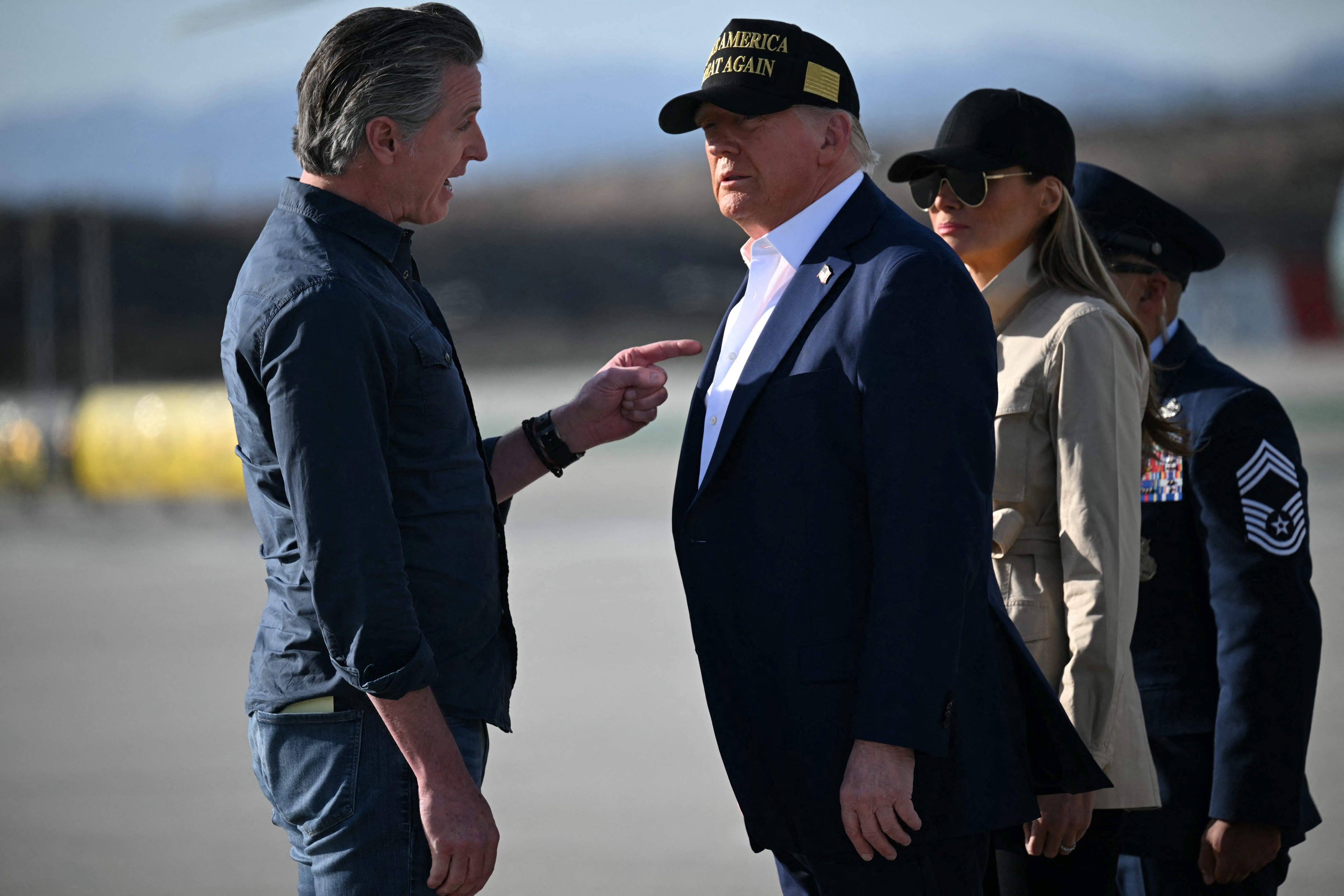
After the Justice Department sent threatening letters to election officials who could face criminal prosecution if they do not comply with the federal government’s demands, Newsom has “grave concerns” that agents will seize voting materials before results are certified, he said.
cookie.trim() === ‘__DEBUG__=true’)) { console.log(‘Ad logs: “taboola-carousel-thumbnails”, injectedAtParagraph: 6’); }]]>
“The tactics and rhetoric federal officials are using strongly suggest that, having lost repeatedly in federal civil proceedings thus far, they will quickly pivot to the criminal forum,” he added.
Newsom, in turn, said the state will prosecute anyone who tries to “meddle” with California’s ballots.
cookie.trim() === ‘__DEBUG__=true’)) { console.log(‘Ad logs: “mpu2”, injectedAtParagraph: 8’); }]]>
“California is dead serious about the security of tomorrow’s midterm elections,” Newsroom wrote Monday.
“If Trump tries to meddle with California’s ballots, you can be sure as hell that we’ll prosecute those who help him,” he added. “Californians deserve a free and fair election, and that is exactly what we’ll deliver.”
Trump’s escalating legal battle — less than 24 hours before polls open on Election Day — is an unlikely Hail Mary that would create ballot-counting chaos, according to skeptical federal judges and election experts.
cookie.trim() === ‘__DEBUG__=true’)) { console.log(‘Ad logs: “mpu3”, injectedAtParagraph: 11’); }]]>
Government attorneys argue that segregating the ballots “would not cancel any vote but would allow time to verify the eligibility of suspected noncitizens.”
“Once California commingles the challenged ballots with lawful ones, there is no way to get the challenged ballots back,” the Trump administration wrote in its appeal to the Supreme Court.
California Attorney General Rob Bonta said the request “reeks of desperation” and is merely “another attempt to undermine our elections and trample on the rule of law.”
Acting Deputy Attorney General Trent McCotter said the state has “refused” to work with the federal government to combat noncitizen voting.
“We will continue pursuing every available legal avenue to protect the integrity of our elections and ensure federal law is enforced,” he said in a statement following the government’s Supreme Court appeal.
The Trump administration sued the state last month to block election officials from counting certain ballots until they could determine whether the voters are citizens.
After a court order forced the government to hand over the list of more than 20,000 alleged noncitizens to a human rights group, data scientists working with the group reported that roughly 9,000 people on the list are not even on the state’s voter rolls. They also found dozens of instances in which people on the list are likely citizens.
Those examples “represent the tip of the iceberg of disenfranchisement in California” because there is no credible database of all U.S. citizens, making it virtually impossible to fully analyze the list, human rights group’s analysts wrote.
Last week, a federal appeals court rejected the administration’s second attempt to block California’s ballots, which judges said could “jeopardize” midterm elections and disenfranchise thousands of eligible voters.
Friday’s 2-1 decision marked the third straight loss for the administration in its battle with California. Another federal judge in the state warned that the administration’s attempts to separate ballots could “wreak havoc” on elections and threatens to endanger American democracy.
On Friday night, another federal judge blocked administration officials — including “high-ranking” Justice Department and Homeland Security officials — from a “campaign to intimidate, threaten, and coerce state and local officials and employees who are engaged in administering the ongoing midterm 2026 election.”
“Although Defendants claim that their actions are designed to halt unlawful voting by noncitizens, their actions are likely to have the effect of interfering with election administration and disenfranchising lawful voters,” Judge Trina Thompson wrote.

