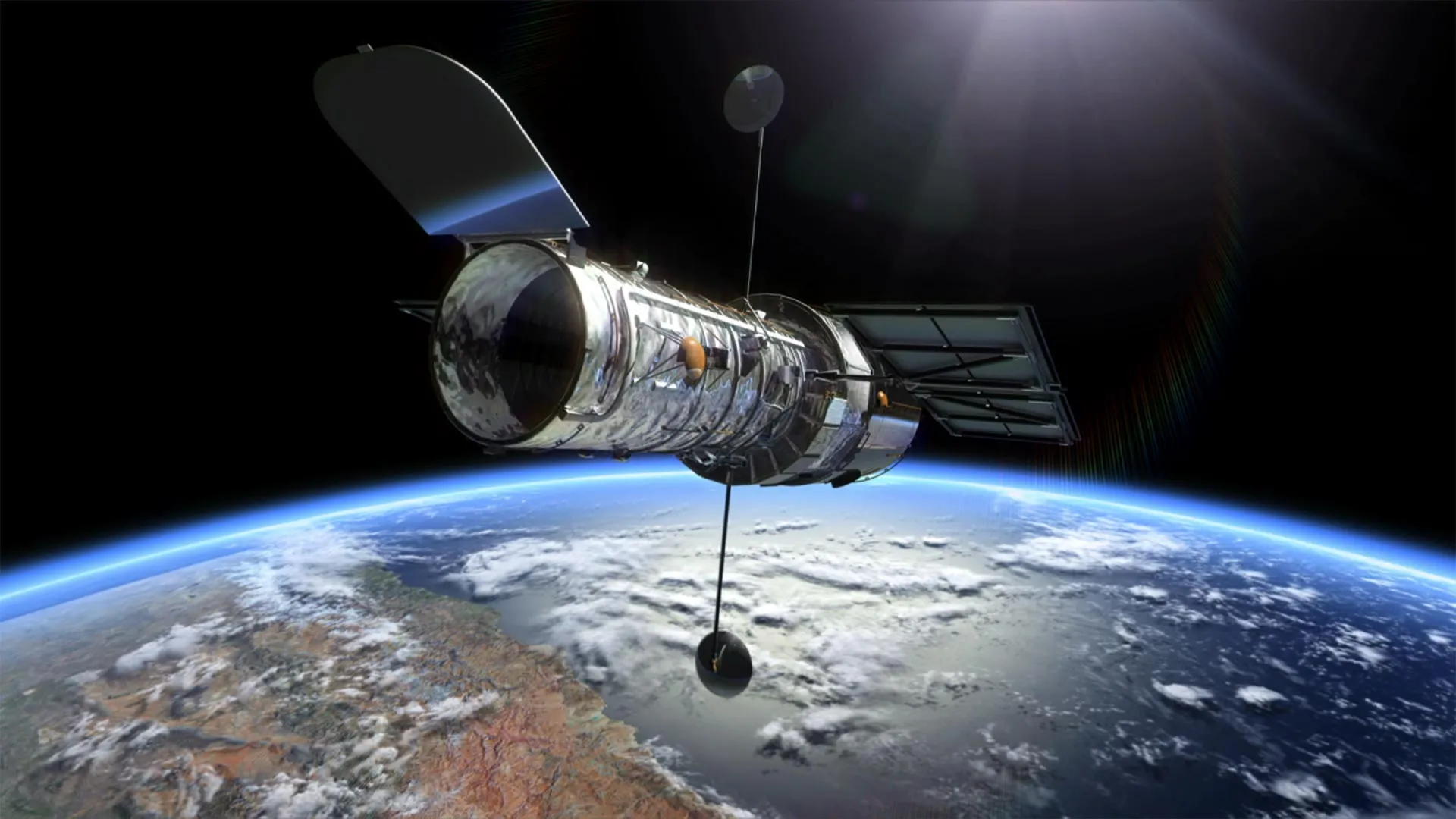
Арилжааны сансрын технологиор дурангийн ажиллагааг уртасгах, засварлах эсвэл аюулгүй ашиглалтаас гаргах хувилбаруудыг үнэлнэ.
NASA аравдугаар сарын 29-нд Hubble Space Telescope-ийг тойрог замд нь засварлахад ашиглаж болох арилжааны технологийн талаар мэдээлэл хүсжээ. Зорилго нь дурангийн ажиллагааг уртасгах, чадавхыг нь сайжруулах эсвэл шинжлэх ухааны ажлыг нь аюулгүй дуусгахад шинэ сансрын хөлгүүд хэрхэн тусалж болохыг тогтоох юм. Компаниудын хариуг даваа гарагт, арваннэгдүгээр сарын 30-ны EST цагаар 15:00 хүртэл хүлээн авна.
Судалж буй нэг хувилбар нь сансрын хөлгөөр дуранг илүү өндөр тойрог замд шилжүүлэх; мөн төхөөрөмжид засвар үйлчилгээ хийх, эсвэл ашиглалтын хугацаа дуусахад нь Дэлхийн агаар мандалд хяналттай оруулах, тойрог замд нь устгах боломжийг авч үзэж байна. Эдгээр хувилбар албан ёсоор батлагдаагүй бөгөөд NASA хэрэгжүүлэх боломж, өртгийг нь арилжааны компаниудтай хамтран үнэлэхээр зорьж байна.
Hubble Space Telescope нам тойрог замд ажилладаг тул агаар мандлын үл ялиг хий сансрын аппаратад эсэргүүцэл үүсгэж, өндрийг нь аажмаар бууруулдаг. Өөрийн тойрог замыг нэмэгдүүлэх хөдөлгүүргүй учраас дуран энэ бууралтыг бие даан зогсоох боломжгүй. NASA-гийн одоогийн тооцоогоор дуран 2033–2034 оны хооронд Дэлхийн агаар мандалд дахин орж болзошгүй бөгөөд тойрог замыг нь нэмэгдүүлэх ажиллагааг 2032 оноос өмнө хийх шаардлагатай.
35 гаруй жилийн турш ажиллахдаа Hubble Space Telescope сансар огторгуйн талаарх ойлголтыг өөрчилж, одон орны олон чиглэлд шинжлэх ухааны нээлтүүдэд хувь нэмэр оруулжээ. NASA болон ESA-гийн олон улсын хамтын ажиллагааны үр дүнд бий болсон дурангийн тойрог замыг нэмэгдүүлэх эсвэл системийг нь сайжруулах боломжийг NASA одоо үнэлж байна.
Дэлгэрэнгүйг эх сурвалжаас харах
↓Эх сурвалжийг нээх ↓
NASA is investigating whether private space companies could help extend the life of the Hubble Space Telescope, which has spent more than 35 years transforming our understanding of the universe.
On October 29, the agency issued a Request for Information seeking details about commercial technologies that could be used to service Hubble while it remains in orbit. The goal is to determine whether new spacecraft capabilities could keep the iconic observatory operating longer, improve its performance, or help bring its mission to a safe conclusion.
“Hubble still has important science ahead of it, and we should be looking at every reasonable opportunity to keep it delivering for as long as possible,” said NASA Administrator Jared Isaacman. “If there are innovative and cost-effective ways to extend the life of an asset already on orbit, we owe it to the American taxpayer and the scientific community to explore them. Extending Hubble’s life would mean more discoveries, more science, and more opportunities to expand our understanding of the universe.”
NASA Considers Raising Hubble Into a Higher Orbit
One possibility under consideration is sending a spacecraft to push Hubble into a higher orbit. This could counteract the gradual loss of altitude that threatens the telescope’s future and potentially allow it to continue making scientific discoveries for additional years.
NASA is also interested in missions that could service the telescope and improve its capabilities. Another option would focus on safely retiring Hubble when its scientific work is complete, either by guiding it through a controlled descent into Earth’s atmosphere or arranging for its disposal in orbit.
These possibilities are being explored rather than formally approved. By reaching out to commercial companies, NASA hopes to better understand what technologies are available and whether they could provide practical, affordable solutions.
“Hubble is a national icon that has fundamentally changed how humanity views our universe for more than 35 years,” said Nicky Fox, associate administrator, Science Mission Directorate, NASA Headquarters in Washington. “Commercial industry has rapidly evolved in recent years to offer new capabilities for in-space satellite capture and servicing. Given the time we have until Hubble’s anticipated re-entry, we are eager to explore the breadth of possibilities to boost Hubble to a higher orbit while we develop the flagship mission to follow.”
Companies interested in participating can review NASA’s Request for Information online. The agency is accepting responses until 3 p.m. EST on Monday, November 30.
Why Hubble Could Fall Back to Earth by 2034
Although Hubble continues to operate in space, its orbit is gradually shrinking. The telescope travels through low Earth orbit, where traces of Earth’s atmosphere create drag that slowly reduces the altitude of orbiting spacecraft.
Even hundreds of miles above the planet, the atmosphere is not completely absent. The tiny amount of remaining gas produces resistance as spacecraft move through it. Over long periods, this effect can cause satellites to lose altitude and eventually descend into denser layers of the atmosphere.
Unlike spacecraft equipped with engines that can periodically raise their orbits, Hubble has no propulsion system capable of maintaining its altitude. Without outside assistance, it cannot reverse this gradual orbital decline.
NASA’s current analysis suggests that Hubble will likely reenter Earth’s atmosphere sometime between 2033 and 2034. To prevent that outcome through an orbital boost, the agency expects that a mission would need to occur by 2032.
That timeline leaves a limited window to evaluate potential solutions, develop a mission, and carry it out before the telescope descends too far.
Extending Hubble’s Legacy of Cosmic Discoveries
Since beginning operations more than three decades ago, Hubble has become one of the most influential scientific observatories ever launched. Its observations have helped reshape astronomers’ understanding of the cosmos, and the telescope continues to produce discoveries that advance research across many areas of astronomy.
Hubble is also the product of a longstanding international partnership between NASA and ESA (European Space Agency).
NASA’s Goddard Space Flight Center in Greenbelt, Maryland, oversees the telescope and its mission operations, with additional operational support from Denver-based Lockheed Martin Space.
Scientific operations are handled by the Space Telescope Science Institute in Baltimore, which is operated by the Association of Universities for Research in Astronomy on NASA’s behalf.
With commercial spaceflight technology advancing, NASA is now evaluating whether Hubble could benefit from capabilities that were not available when it was originally designed. A successful mission to raise its orbit or enhance its systems could allow the historic telescope to continue exploring the universe well beyond its currently projected orbital lifetime.

