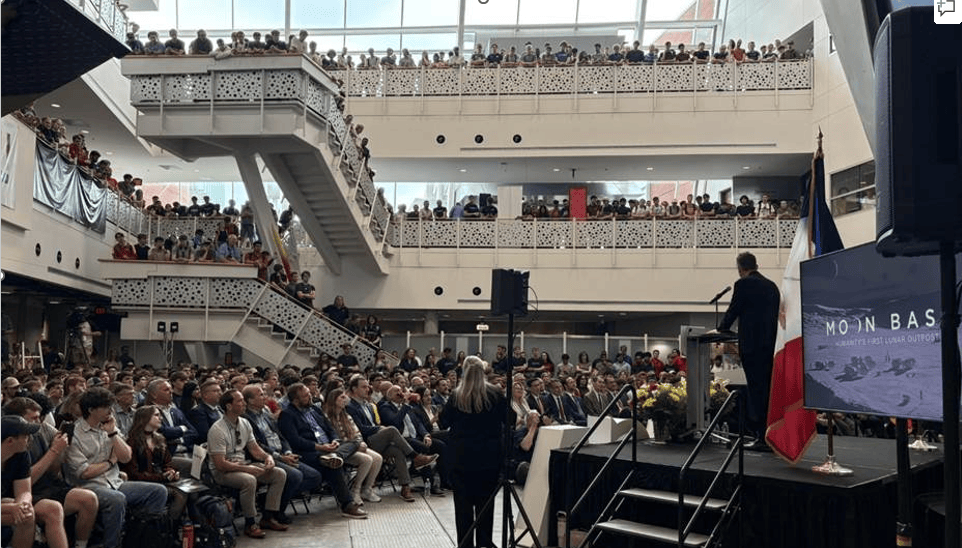
АНУ-ын хэд хэдэн их сургуулийн оюутнууд сансрын судалгаа, инженерчлэлийн төслүүдээ NASA-гийн удирдлагад үзүүлж, ирээдүйн хайгуулд оруулах хувь нэмрээ танилцуулжээ.
NASA-гийн “Inspiration Tour” аялал олон нийт, аж үйлдвэр, их сургуулийг сансар судлал, нисэхийн инновацын салбарын хүмүүс, технологи, байгууллагуудтай холбох зорилготой. Айова мужид NASA-гийн захирагч Жаред Айзекман Iowa State University-ийн Make to Innovate лабораторитой танилцаж, Iowa Space Grant Consortium-ийн “Mission Moon” хөтөлбөр болон санхүүжилттэй оюутны байгууллагуудын судалгааг үзжээ. Тус арга хэмжээний үеэр NASA-гийн мэргэжилтнүүд Сарны баазын төлөвлөгөө болон оюутнуудын ажил ирээдүйн хайгуулд хэрхэн хувь нэмэр оруулж болох талаар танилцуулсан байна.
University of Arizona-ийн оюутнууд хиймэл дагуулын холбооны туршилт, алсын сансрыг ажиглах оптик төхөөрөмж, өндөрт хөөргөдөг агаарын бөмбөлгийн ачаа болон жижиг хиймэл дагуулын төслүүдээ танилцуулжээ. Аяллын үеэр Айзекман ахлах сургууль, их сургуулийн оюутнуудын асуултад хариулсан байна. Fairbanks дахь University of Alaska-д тэрээр Poker Flat Research Range пуужин хөөргөх талбай болон Alaska Satellite Facility-г үзэж, оюутнууд ичээний үеийн биологийн судалгаа, CubeSat технологийн ахицтай танилцуулсан үзэсгэлэнд оролцжээ.
North Dakota мужид оюутнууд хиймэл дагуулын зураг ашиглан судалсан супер эсийн шуурганы нэгдэл, туйлын туяатай холбоотой геомагнит нөхцөл болон сансрын орчноос нөөц ашиглах төслүүдээ танилцуулсан байна. Мөн North Dakota Space Grant-ийн STEM элч оюутнууд “Mission Moon” хүрээнд робот, дроны үйл ажиллагаагаа үзүүлж, University of North Dakota-ийн скафандрын лабораторид Сарны гадаргууд зориулсан хувцасны загварын сайжруулалтыг танилцуулжээ. Эдгээр төслийг NASA Space Grant-ийн санхүүжилт болон их сургууль, багш нартай хамтарсан хөтөлбөрүүд дэмжиж байна.
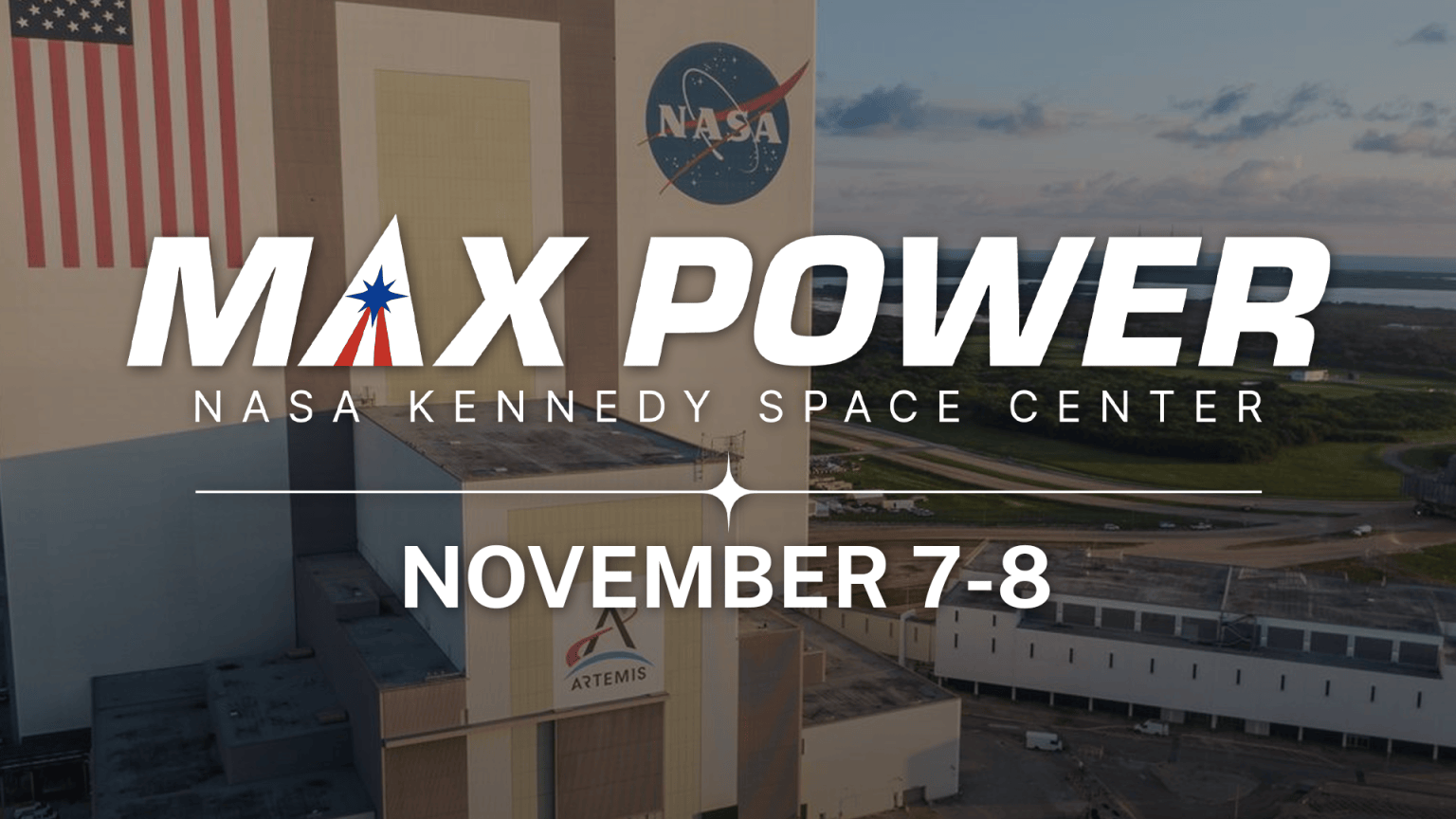
Аялал арваннэгдүгээр сарын 7, 8-нд болох агаар, сансрын инновацын олон нийтийн үзэсгэлэн MAX POWER-оор өндөрлөхөөр төлөвлөжээ. NASA-гийн мэдээлснээр, Space Grant-ийн үндэсний сүлжээ оюутнуудад судалгаа, дадлагаар дамжуулан сансар судлалын ирээдүйн ажиллах хүчинд бэлтгэгдэх боломж олгож байна.
Дэлгэрэнгүйг эх сурвалжаас харах
Эх сурвалжийг нээх ↓
4 min read
NASA’s Inspiration Tour spread the excitement of space exploration and aeronautical innovation by connecting the public, industry, and academia with the people, technologies, and organizations that drive American leadership in space. At nearly every stop across the country, NASA Space Grant has brought students into the heart of the action.
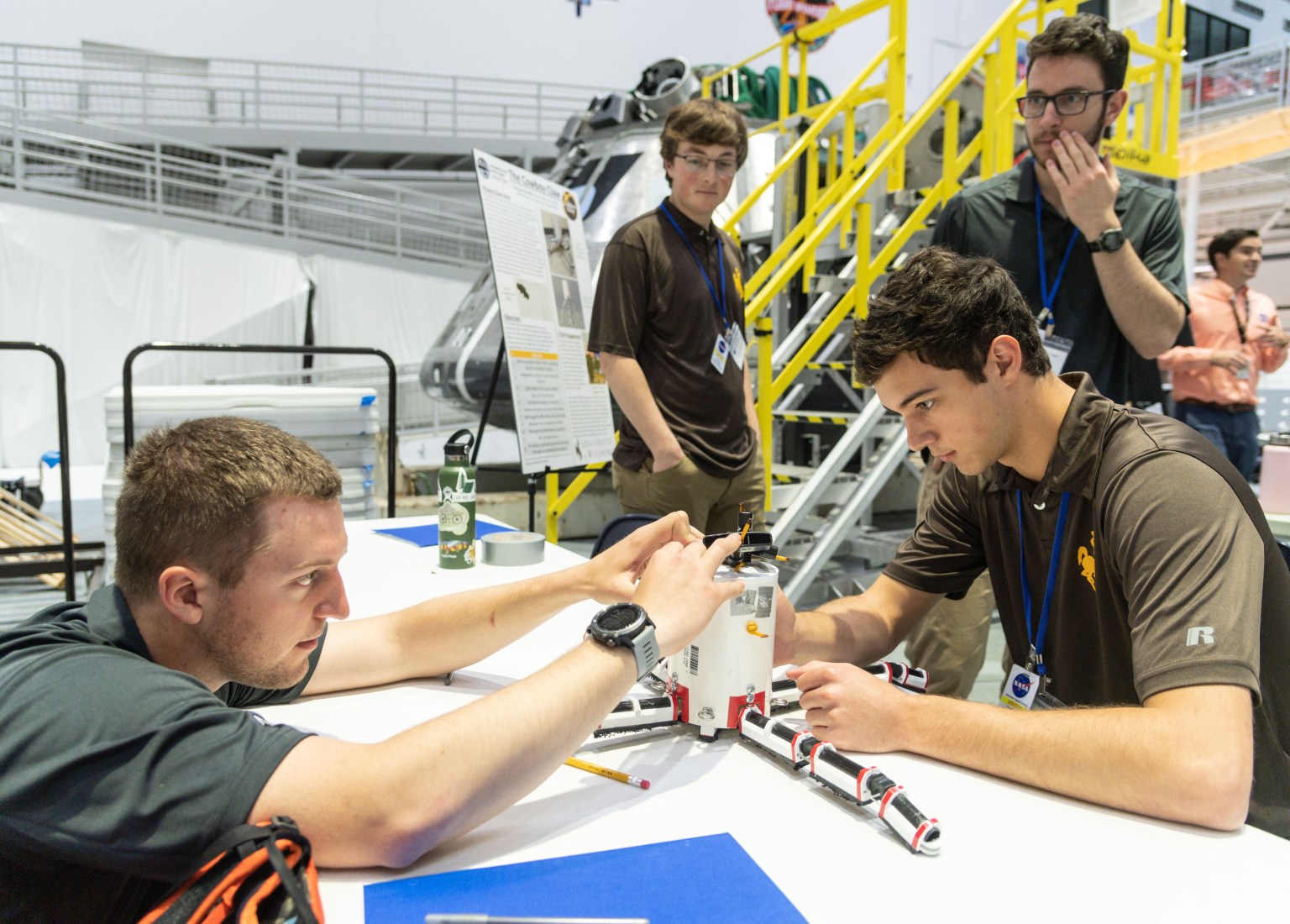
In Iowa, NASA Administrator Jared Isaacman toured the Make to Innovate program lab at Iowa State University. Students from the Iowa Space Grant Consortium’s Mission Moon program, along with consortium-funded student organizations including Cardinal Space Mining, CySat, and CyLaunch, shared research findings and demonstrated the institution’s strong connection to NASA via agency-funded projects. During a well-attended town hall event NASA experts briefed students on the agency’s Moon Base efforts and how their work can contribute to future exploration.
“We’re grateful for the opportunity to welcome NASA leadership to Iowa State,” said Sara Nelson Iowa Space Grant director. “The excitement among students was incredible, and the visit highlighted how the research and innovation happening in Iowa can help advance Artemis and NASA’s future exploration efforts.”
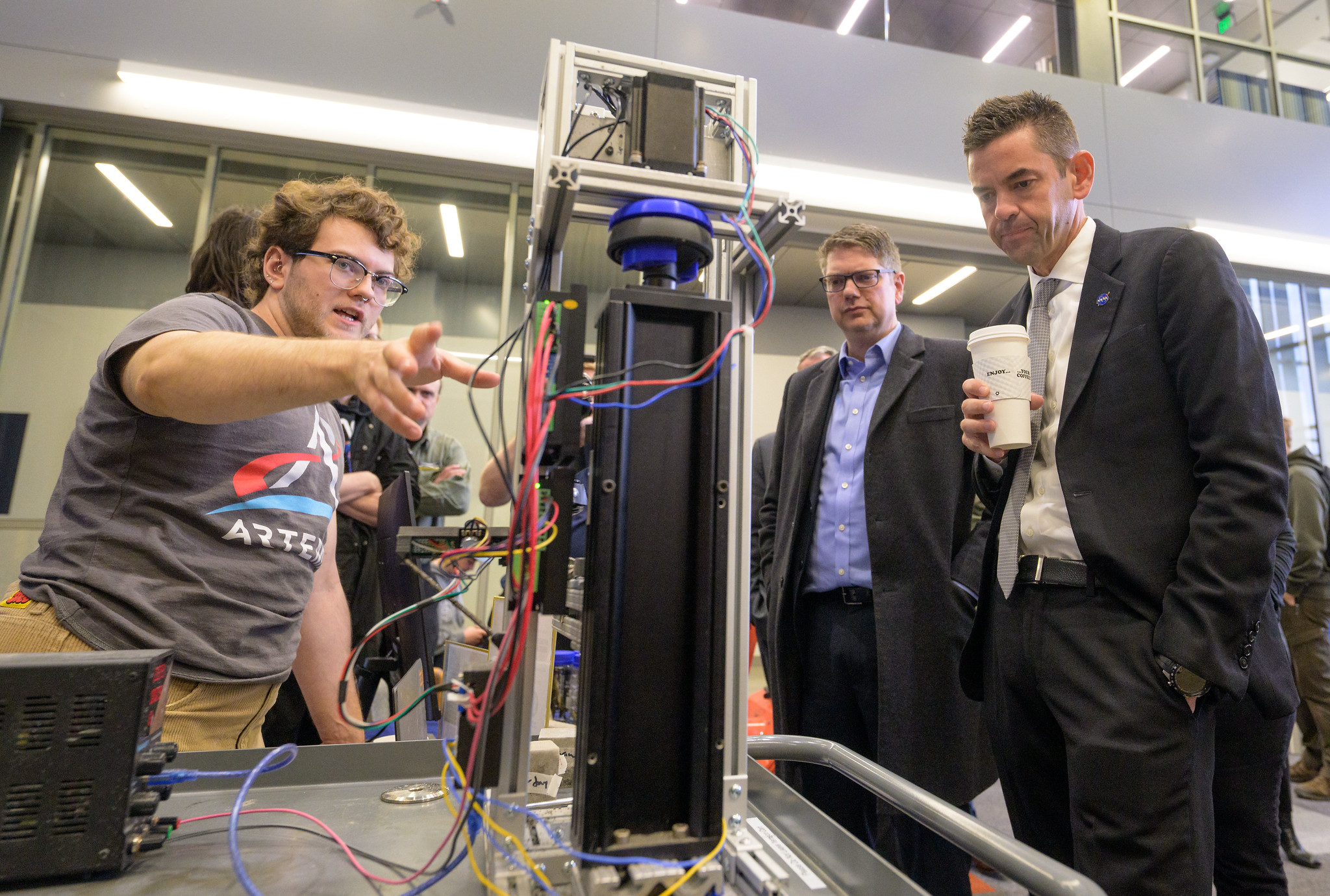
At the University of Arizona, the NASA administrator saw firsthand the space research and engineering capabilities that are enabled by the Arizona Space Grant Consortium. From satellite communications testing to complex optics for peering into deep space to student-built high-altitude balloon payloads and even small satellites, students at the University of Arizona have a long history of contributing to NASA missions and making aerospace career connections. This tour stop also included a Q&A session where the NASA administrator answered questions from local high school and college students.
“It was incredible to present the high-altitude ballooning research we do in SEDS (Students for the Exploration and Development of Space) to Jared Isaacman and those at NASA,” said Ella Miller, a junior studying mechanical engineering at the University of Arizona. “Arizona Space Grant has allowed me to get hands-on experience through an entire mission design process every semester, helping me pursue a career in space research and secure internships in this field.”
At the University of Alaska in Fairbanks, the Administrator toured two Geophysical Institute facilities: Poker Flat Research Range, the university’s scientific rocket launching facility, and the Alaska Satellite Facility. During an Alaska Space Grant science fair, students shared research in hibernation biology and showcased CubeSat technology advancements. Students were also able to learn about the agency’s Moon Base program and ask questions about opportunities available to the next generation of innovators and explorers.
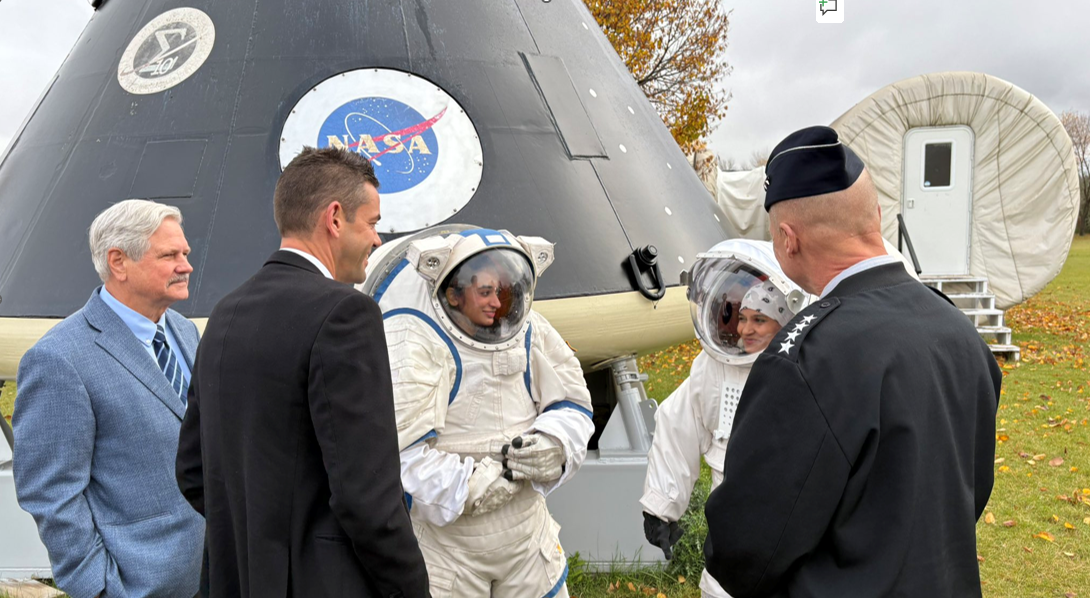
In North Dakota, the Inspiration Tour focused on future exploration capabilities. Space Grant-funded research at the University of North Dakota is helping to shape the future of exploration across STEM fields. Student fellows and NASA interns shared their projects on supercell mergers using satellite imagery, geomagnetic conditions of aurora borealis, and in-situ resource utilization, to name a few. North Dakota Space Grant STEM ambassador students also shared robotics and drone activities as part of “Mission Moon”, which centers Artemis initiatives in statewide collaborations with educators and other North Dakota colleges and universities.
“Getting to speak with the NASA Administrator was an amazing opportunity!” said research fellow and STEM ambassador Malissa Reinhardt. “He genuinely cared about what we students had to say and the research we’re working on, which makes all the hard work we put into our research and North Dakota Space Grant Consortium so rewarding.”
NASA’s Inspiration Tour will culminate in MAX POWER, a public showcase of air and space innovation on Nov. 7 and 8, highlighting the agency’s commitment to preparing the next generation of innovators and explorers for humanity’s next giant leap. As NASA enters a Golden Age of innovation and exploration, the national network of Space Grant consortia is expanding opportunities for students to lead the way in an aerospace workforce that is evolving and growing. At learning institutions from coast to coast, today’s Space Grant students are launching America’s future in space.
To find ways to engage with NASA’s exciting missions, broad range of careers, and unique learning opportunities, visit: