Artemis III-ийн тойрог замын туршилтаар ирээдүйн сарны буултын системүүдийг шалгаж, Artemis IV-ийн нислэгийг бэлтгэнэ.
NASA-гийн захирал Жаред Айзекман болон агентлагийн удирдлагууд аравдугаар сарын 23-нд Artemis хөтөлбөрийн явцыг танилцуулж, 2028 онд сансрын нисэгчдийг Сарны гадаргад буцаах төлөвлөгөөгөө шинэчилжээ. Artemis III туршилтын нислэгийг 2027 онд, Artemis IV буултыг 2028 онд хэрэгжүүлэхээр зорьж байна. NASA салбарын түншүүдтэйгээ хамтран чухал системүүдийг туршиж, эрсдэлийг бууруулан, Сар дээр тогтвортой хүн байлгах суурийг бүрдүүлэхээр ажиллажээ.
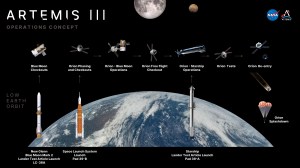
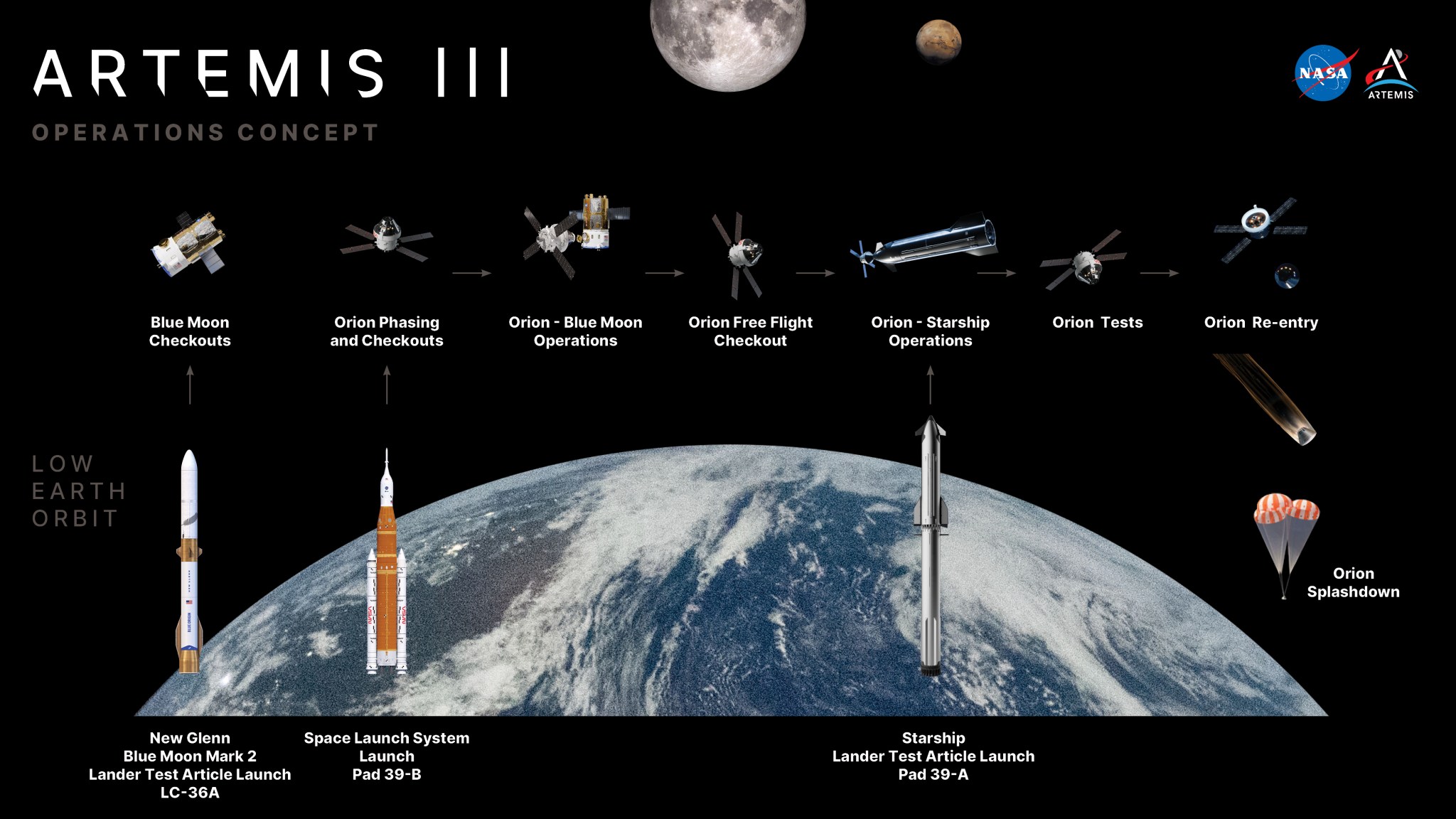
Artemis III-ийн хүрээнд дөрвөн нисэгчийг SLS пуужингаар Orion хөлгөөр дэлхийн тойрог замд хүргэж, 14 хоногийн нислэгээр SpaceX болон Blue Origin-ийн сарны буултын төхөөрөмжүүдтэй ойртох, залгах ажиллагааг шалгана. Эхлээд Blue Origin-ийн Blue Moon туршилтын төхөөрөмжийг тойрог замд гаргаж, Orion түүнтэй залгана; дараа нь SpaceX-ийн Starship-ийн туршилтын төхөөрөмж хөөрсний дараа Orion Blue Moon-оос салж, Starship-тэй залгах дараалалтай. Энэ туршилт Artemis IV-ийн сарны буултын өмнөх эрсдэлийг бууруулах зорилготой.
Artemis III-ийн техник хэрэгслийн бэлтгэл төлөвлөгөөний дагуу үргэлжилж, боловсруулах хугацааг ойролцоогоор хоёр дахин багасгасан гэж NASA мэдээлэв. Түүнчлэн агентлаг чухал түлш дамжуулах хоолойн эд ангийг таван сарын дотор өөрөө шинэчлэн зохион бүтээж, үйлдвэрлэн, туршсан нь гаднын нийлүүлэгчийн өмнөх тооцоолсон зардлын аравны нэг орчим байжээ. Artemis IV-д SLS пуужингийн одоогийн дээд шат эсвэл илүү их түлш тээвэрлэх ULA-гийн Centaur V шатны уртасгасан хувилбарыг ашиглах хоёр хувилбарыг зэрэг судалж байна.
Artemis IV-ийн нисэгчид Флорида дахь Кеннедигийн сансрын төвөөс Orion хөлгөөр хөөрнө; SpaceX-ийн Starship тойрог замд түлшээ нөөцлөн Orion-той уулзаж Сар руу явах бол Blue Origin-ийн Blue Moon Mark 2 буулгагч шилжүүлэх шатны тусламжтай Сар хүрч, нам орбитод Orion-той уулзсаны дараа гадаргад буухаар төлөвлөжээ. Хоёр компани хоёулаа 2028 онд багийнхантай буулт хийх боломж бүрдүүлэхээр зорьж байна. NASA мөн Axiom Space-тэй хамтран эхний сарны алхалтад зориулсан, үндсэн хувцаснаас ойролцоогоор хоёр дахин хөнгөн Sortie suit бүтээхээр төлөвлөж, цаашид Сарны өмнөд туйлд улам нарийн төвөгтэй нислэг үйлдэн, урт хугацааны хүний оршихуй бий болгохыг зорьжээ.
Дэлгэрэнгүйг эх сурвалжаас харах
Эх сурвалжийг нээх ↓
4 min read
In an update on Oct. 23, NASA Administrator Jared Isaacman and other agency leaders shared the agency’s path to returning Americans to the lunar surface in 2028.
Agency leadership provided updates on the previously announced acceleration plans for the Artemis program, advancing toward the agency’s Artemis III test flight in 2027 and Artemis IV Moon landing mission in 2028. Building on the priorities announced at Ignition earlier this year, NASA leadership shared the agency’s significant progress across its missions, working with industry partners to test critical capabilities, reduce risk, and build toward a sustained American presence on the Moon.
“This is a very energized NASA, and these updates are only a small part of that story. We are bringing extreme focus to the mission to ensure delivery of world-changing outcomes as quickly, safely, affordably, and successfully as possible,” said Isaacman. “NASA is driving outcomes to make Moon missions a reality, and we’re not waiting for others to bring their plans to us — the campaign must move with urgency as strategic competitors pursue a permanent presence beyond Earth.”
The agency shared details of the Artemis III mission, which will test rendezvous, docking, and operations between NASA’s Orion spacecraft and lunar lander test vehicles from SpaceX and Blue Origin in Earth orbit. Four astronauts will fly aboard Orion, launched on NASA’s SLS (Space Launch System) rocket, for a planned 14-day mission in Earth orbit to reduce risk ahead of the Artemis IV moon landing mission.
The Artemis III mission will unfold in sequence: Blue Origin will launch a Blue Moon lander test article into Earth orbit, SLS will launch Orion and its crew, docking with the Blue Moon lander test article, then SpaceX will launch a Version 3 Starship lander test article while Orion will undock from Blue Moon and dock with Starship.
The Oct. 23 updates follow other recent updates about the Artemis missions. Hardware for Artemis III is on track, with processing timelines sharply reduced by about half. NASA also redesigned, built, and tested a critical fuel-line component in-house in five months, at roughly a tenth of the cost of an earlier outside-vendor estimate.
“NASA should be expected to do this kind of work, and we have some of the best technical knowledge in the world on rocket hardware and operations to do it,” said Jeremy Parsons, the agency’s Artemis program manager. “It’s an example of how we are rebuilding our core competencies and developing centers of excellence in technical functions instead of continuing to outsource expertise.”
Artemis IV: Pursuing multiple paths to Moon landing
For the agency’s Artemis IV mission in 2028, astronauts will launch aboard Orion on the SLS rocket from NASA’s Kennedy Space Center in Florida. NASA is working with SpaceX and Blue Origin to develop lunar landers to carry those astronauts to the Moon’s surface. Both companies have redesigned their approaches to simplify the missions and make them more efficient and flexible as compared to previous mission designs.
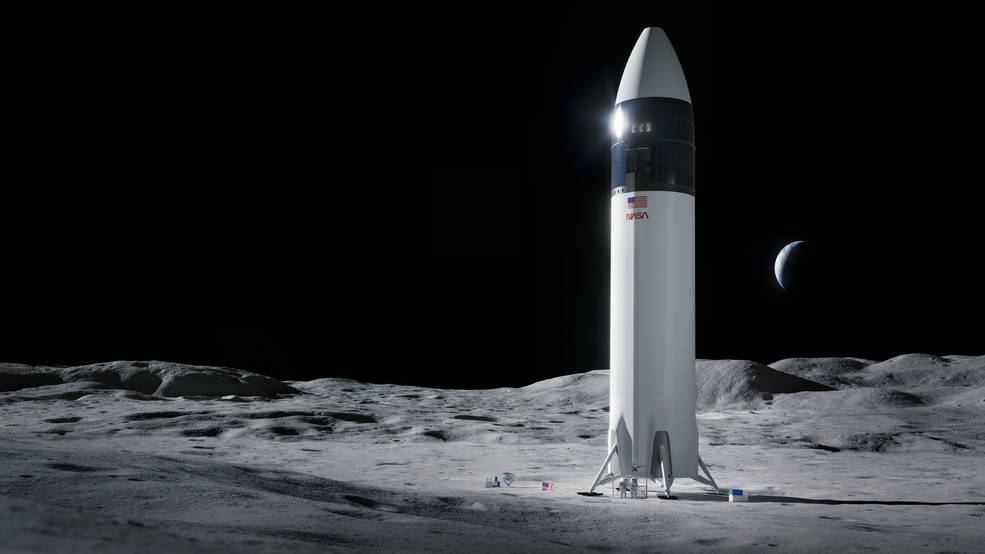
SpaceX’s Starship will refuel in Earth orbit, rendezvous with Orion, and then carry the spacecraft toward the Moon. Blue Origin’s approach involves transfer stages in Earth orbit to push its Blue Moon Mark 2 lander toward the Moon, where it will meet Orion in a closer lunar orbit before descending to the surface.
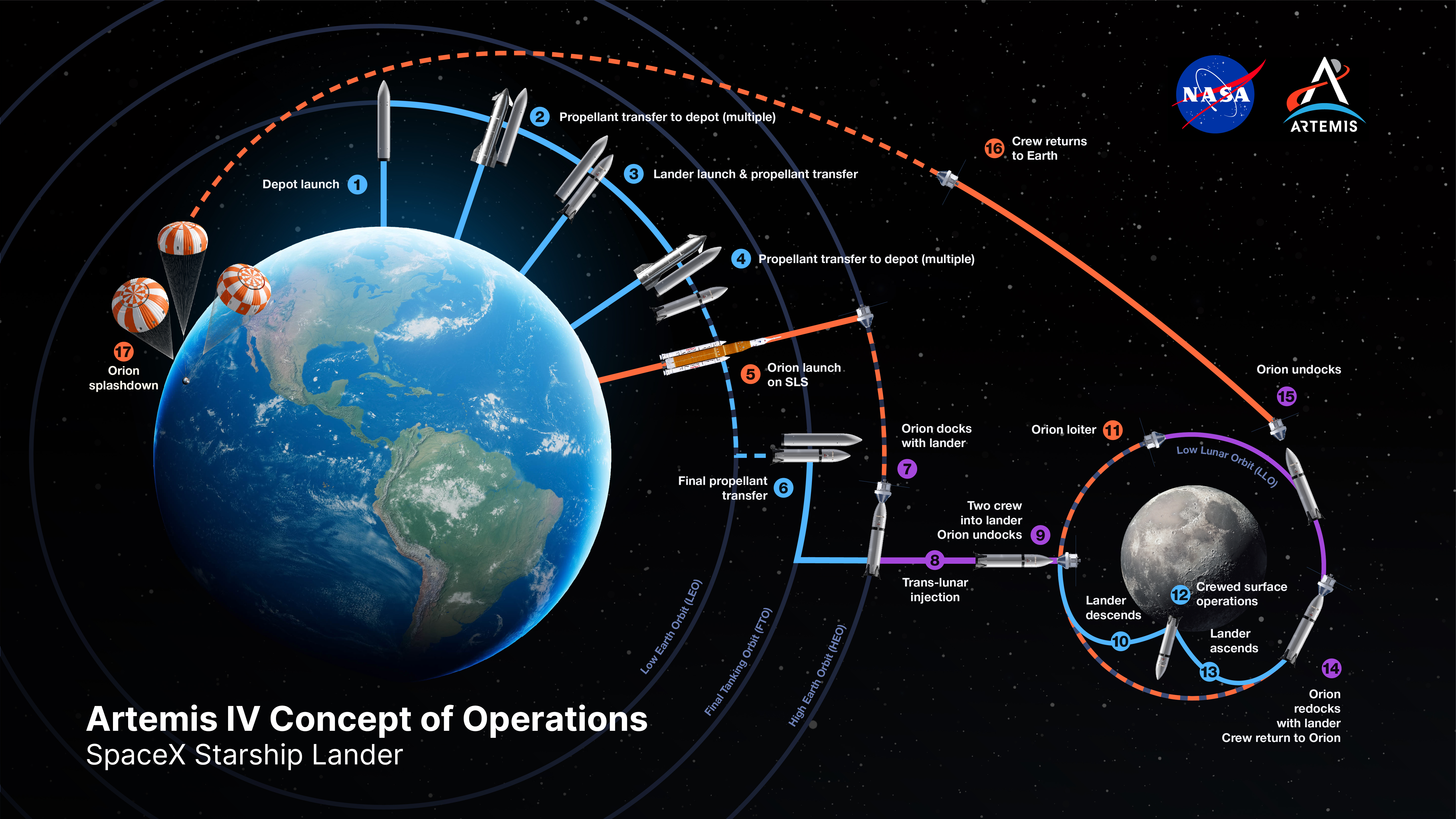
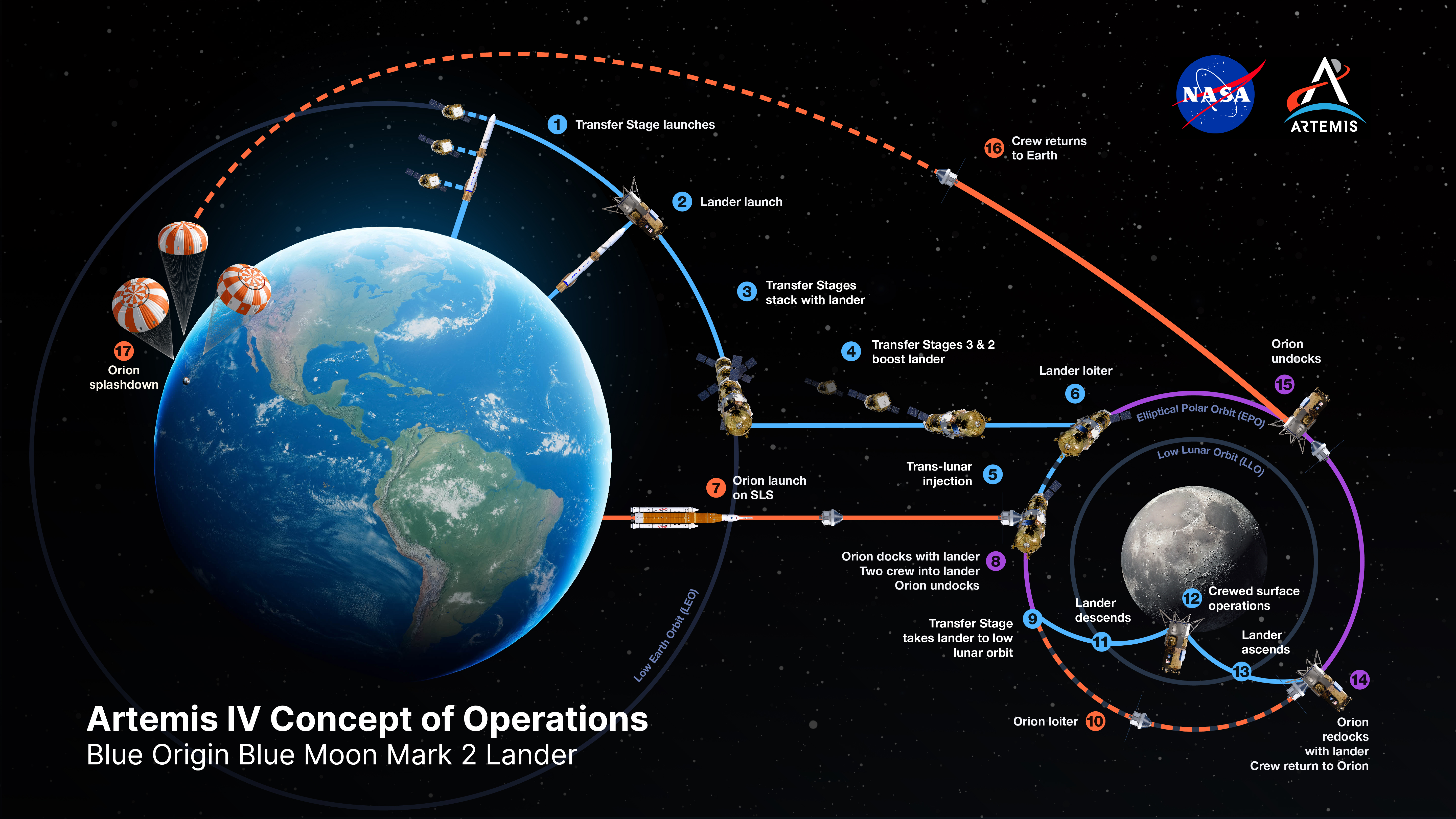
Both SpaceX and Blue Origin are targeting to be able to support a crewed lunar landing in 2028.
For Artemis IV, NASA is pursuing two upper-stage options for the SLS rocket: its current stage, the interim cryogenic propulsion stage; and a stretched version of ULA’s Centaur V which can carry more propellant. Pursuing both options ensures NASA is maintaining flexibility and preventing single-point dependency.
NASA also announced plans with spacesuit provider Axiom Space to develop a second, lighter suit design called the “Sortie suit” to enable the first moonwalks. The Sortie suit will not replace Axiom’s primary suit, which will be used for longer, more demanding missions in the future. The Sortie suit is roughly half the weight of the larger suit and lets NASA move faster on the earliest surface missions.
As part of a Golden Age of innovation and exploration, NASA will send Artemis astronauts on increasingly difficult missions at the lunar South Pole to explore more of the Moon than ever before. In addition to providing economic benefits and advancing scientific discovery through its Moon missions, NASA will establish an enduring human presence on the lunar surface and build on the agency’s foundation for the first crewed mission to Mars.
Learn more about Artemis:
About the Author
Jonathan Deal