
Нью-Йоркийн давж заалдах шатны шүүх пүрэв гарагт бизнесийн бүртгэл хуурамчаар үйлдсэн хэргээр Трампыг буруутгасан шийдвэрийг хэлэлцэнэ.
Трампын өмгөөлөгчид 34 зүйл ангиар буруутайд тооцсон шийдвэрийг хүчингүй болгуулахаар Нью-Йорк мужийн шүүхэд ханджээ. 2024 оны тавдугаар сард гарсан уг шийдвэр Трампыг гэмт хэрэгт ял шийтгүүлсэн АНУ-ын анхны ерөнхийлөгч болгосон ч тэр Цагаан ордонд эргэн ирж, шийтгэл хүлээгээгүй. Трамп пүрэв гарагийн шүүх хуралд оролцохгүй гэж мэдээлжээ.
Хэрэг 2016 оны сонгуулийн өмнөхөн насанд хүрэгчдийн киноны жүжигчин Стормй Дэниэлст өгсөн 130 мянган ам.долларын төлбөртэй холбоотой. Трампын тухайн үеийн өмгөөлөгч Майкл Коэн төлбөрийг хийж, Трампын компани 2017 онд түүнд нөхөн төлөхдөө уг мөнгийг хуулийн үйлчилгээний зардал гэж бүртгэжээ. Прокурорууд үүнийг сонгогчдоос таагүй мэдээлэл нуух, сонгуулийн санхүүжилтийн хууль зэрэг бусад хуулийг зөрчих зорилготой хуйвалдаан гэж үзсэн бол Трампын тал түүнийг Коэний үйлдлийг мэдэж байсан гэх нотолгоо сул, төлбөр нь хууль ёсны зардал байсан хэмээн маргаж байна.
Трампын өмгөөлөгчид хэрэг улс төрийн дарамтаар үүссэн, прокурорын хууль зүйн үндэслэл болон нотлох баримт хангалтгүй, тангарагтны шүүгчдэд өгсөн заавар буруу байсан гэж давж заалдах баримт бичигтээ дурджээ. Мөн Цагаан ордны ажил хэргийн талаар хийсэн зарим мэдүүлэг, Трампын нийгмийн сүлжээний нийтлэлийг шүүхэд ашиглах ёсгүй байсан бөгөөд ерөнхийлөгчийн албан үүрэгтэй холбоотой үйлдэл халдашгүй эрхээр хамгаалагдана гэж үзэж байна. Харин Манхэттэний дүүргийн прокурорын газар нотлох баримт болон шүүгчийн зааврыг хууль ёсны гэж тайлбарлан, хувийн асуудлаар хийсэн яриа ерөнхийлөгчийн албан үйлдэлд хамаарахгүй гэж мэдэгджээ.
Трамп мөн хэргийг холбооны шүүхэд шилжүүлж, ерөнхийлөгчийн халдашгүй эрхийн үндэслэлээр хэрэгсэхгүй болгуулахыг оролдсон ч холбооны шүүх наймдугаар сард гурав дахь удаагаа хүсэлтийг нь няцаасан байна. Түүний өмгөөлөгчид уг шийдвэрийг давж заалдсан бөгөөд маргааныг арваннэгдүгээр сарын 16-нд хэлэлцэхээр товложээ.
Дэлгэрэнгүйг эх сурвалжаас харах
↓Эх сурвалжийг нээх ↓
Want to bookmark your favourite articles and stories to read or reference later? Start your Independent Membership today.
Already a member?
{
experienceElement.style.display = ‘none’;
let checks = 0;
const maxChecks = 50;
const checkDrawerVisibility = setInterval(() => {
const drawer = document.querySelector(‘.pn-drawer–login, .pn-drawer, #login-drawer, .login-drawer-container, [class*=”login-drawer”]’);
const drawerCloseBtn = document.querySelector(‘#drawer > div > button’);
const isDrawerVisible =
(drawer &&
(drawer.offsetParent !== null ||
drawer.classList.contains(‘is-open’) ||
window.getComputedStyle(drawer).display !== ‘none’)) ||
drawerCloseBtn;
checks++;
if (isDrawerVisible) {
clearInterval(checkDrawerVisibility);
const monitorClosure = setInterval(() => {
const drawerStillHere = document.querySelector(
‘.pn-drawer–login, .pn-drawer, #login-drawer, .login-drawer-container, [class*=”login-drawer”]’
);
const innerContent = document.querySelector(‘#drawer > div’);
const isVisible =
(drawerStillHere &&
(drawerStillHere.offsetParent !== null ||
drawerStillHere.classList.contains(‘is-open’) ||
window.getComputedStyle(drawerStillHere).display !== ‘none’)) ||
innerContent;
if (!isVisible) {
clearInterval(monitorClosure);
experienceElement.style.display = ‘flex’;
}
}, 500);
if (drawerCloseBtn) {
drawerCloseBtn.addEventListener(
‘click’,
() => {
setTimeout(() => {
experienceElement.style.display = ‘flex’;
}, 100);
},
{ once: true }
);
}
} else if (checks >= maxChecks) {
clearInterval(checkDrawerVisibility);
experienceElement.style.display = ‘flex’;
}
}, 200);
};
loginTrigger.addEventListener(‘click’, (e) => {
e.preventDefault();
if (typeof window.__indyOpenLoginDrawer === ‘function’) {
window.__indyOpenLoginDrawer(‘Paywall’, ‘Bookmarks’);
}
handleLoginDrawerState();
});
})();
]]>
{
document.documentElement.classList.add(‘mos-bookmark-open’);
const el = document.querySelector(‘.bookmark-experience’);
if (el) el.style.display = ‘flex’;
document.cookie = ‘mos-plan-select=; Max-Age=0; path=/; expires=Thu, 01 Jan 1970 00:00:00 UTC;’;
el?.querySelector(‘.subscribe-link’)?.addEventListener(‘click’, (e) => {
e.preventDefault();
document.cookie = ‘mos-plan-select=; Max-Age=0; path=/; expires=Thu, 01 Jan 1970 00:00:00 UTC;’;
setTimeout(() => {
window.location.href = “https://www.independent.co.uk/subscribe/app?regSourceMethod=Bookmarks”;
}, 500);
}, { once: true });
el?.querySelector(‘.close-btn’)?.addEventListener(‘click’, () => {
document.documentElement.classList.remove(‘mos-bookmark-open’);
}, { once: true });
});
]]>
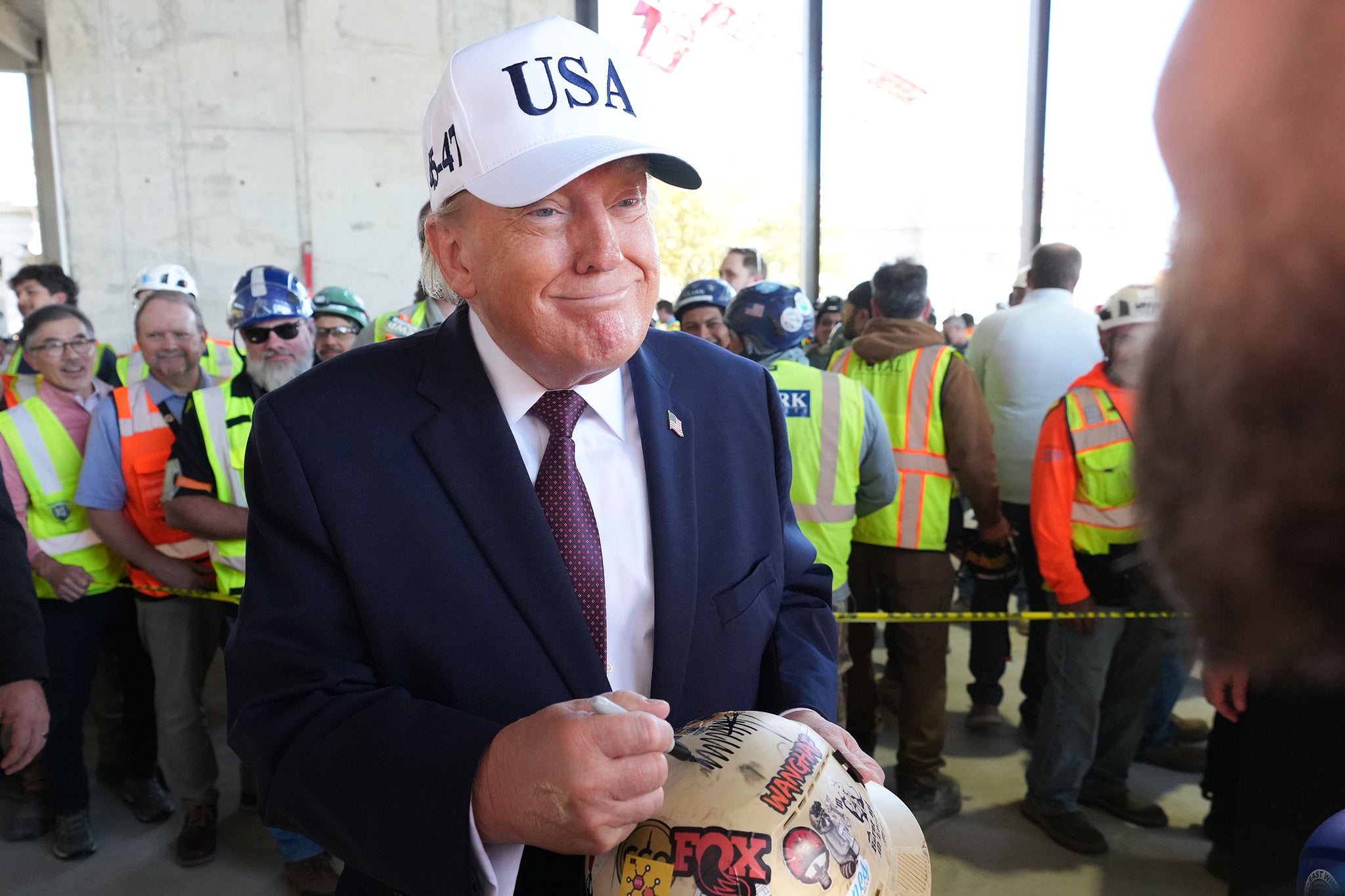
A New York appeals court will be asked on Thursday to throw out Donald Trump‘s conviction on 34 felony counts of falsifying business records. The case made history in May 2024, when the verdict turned Trump into the first former, and now current, US president with a criminal conviction. The historic ruling did not stop him from returning to the White House, and it brought no punishment.
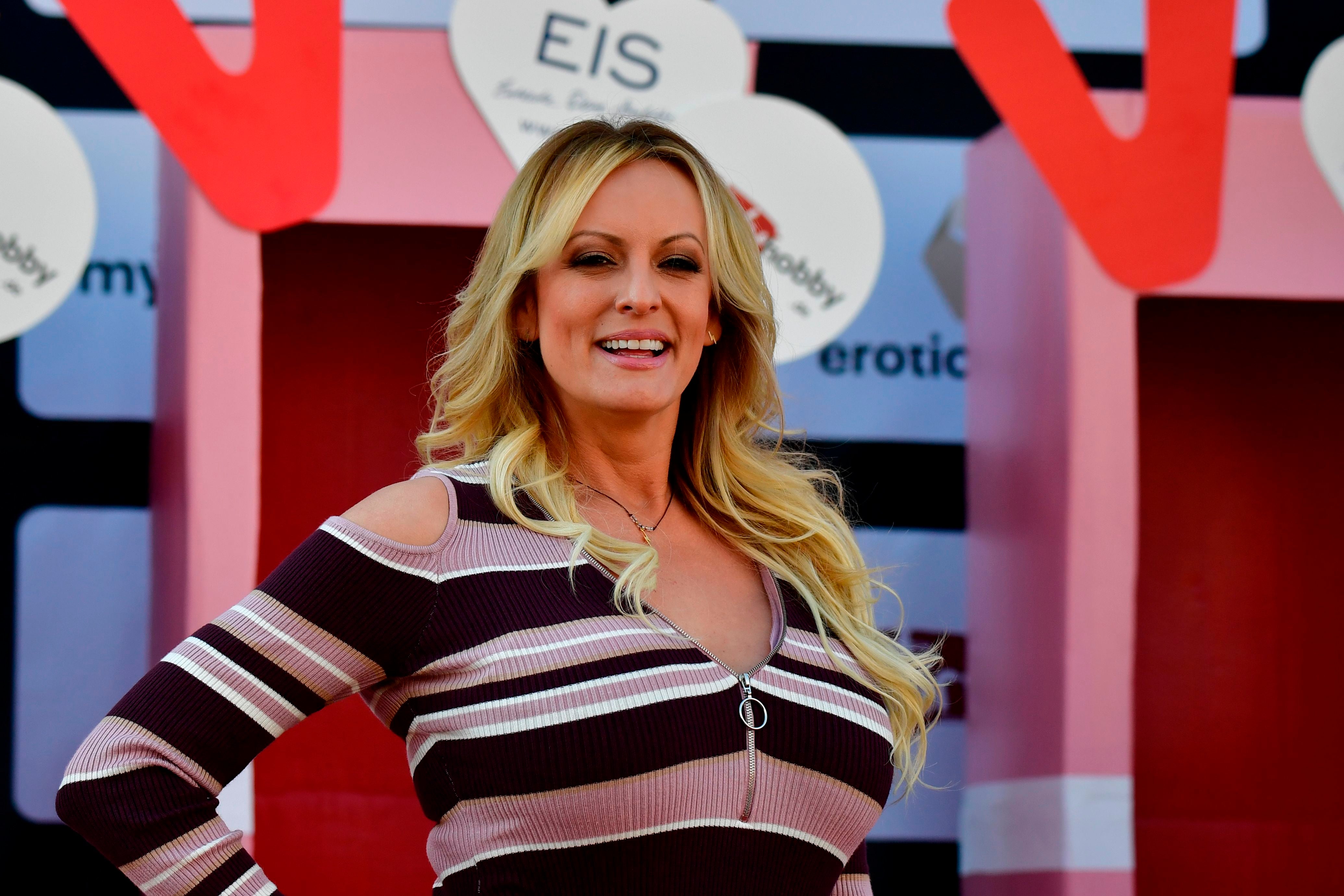
The charges centered on a $130,000 payment to adult film performer Stormy Daniels, made to obscure the money’s true purpose.
Trump denies any wrongdoing, and has turned to state and federal courts in hopes of unwinding the verdict. He is not expected to attend Thursday’s court session. The appeal turns on complex legal disputes, but the political overtones are hard to miss.

The very first paragraph of one of the Trump team’s court filings contends the case was the flimsy product of “immense political pressure” on a Democratic prosecutor to go after Trump — rhetoric that echoes the Republican president’s own oft-repeated claims in the court of public opinion.
In court papers, Trump’s attorneys have assailed prosecutors’ legal theory as “a house of cards” built on a shaky combination of alleged state and federal offenses, with “clearly insufficient” evidence and problematic jury instructions.
cookie.trim() === ‘__DEBUG__=true’)) { console.log(‘Ad logs: “mpu1”, injectedAtParagraph: 5’); }]]>
The appeal also concerns whether jurors should have been allowed to hear testimony about supposed White House conversations, workflow and even Trump social media posts during his first term.
cookie.trim() === ‘__DEBUG__=true’)) { console.log(‘Ad logs: “taboola-carousel-thumbnails”, injectedAtParagraph: 6’); }]]>
His lawyers cite presidential immunity for official acts, and they argue his official conduct included responding to the Daniels drama once it became public in 2018.
“When a president addresses the nation to defend himself from allegations of personal misconduct (as all presidents do), or discusses such communications with his aides, he is carrying out his constitutional duties and is protected by immunity,” lawyer Robert Giuffra Jr. wrote in a filing this October.
cookie.trim() === ‘__DEBUG__=true’)) { console.log(‘Ad logs: “mpu2”, injectedAtParagraph: 8’); }]]>
Manhattan District Attorney Alvin Bragg’s office counters that the legal theory and jury instructions were legitimate and that the White House-related evidence was fair game.
Some was public record, some described general office practices, and the conversations were “unofficial conduct,” prosecutors say.
cookie.trim() === ‘__DEBUG__=true’)) { console.log(‘Ad logs: “mpu3”, injectedAtParagraph: 10’); }]]>
“A president’s discussions about a purely private matter, even with a White House advisor, do not constitute ‘official acts for which the president is immune,’” Bragg’s appeals chief, Steven Wu, wrote in a filing in July.
Besides, he said, there was “a mountain” of other evidence against Trump.
The trial involved $130,000 that Daniels got from Trump’s then-fixer and lawyer, Michael Cohen, weeks before the 2016 election. The money bought, for a time, her silence about an alleged sexual encounter with the married Trump a decade earlier. He says that nothing sexual happened between them.
Trump’s company reimbursed Cohen in 2017 and logged those payments as legal expenses. Saying the transactions all were meant to keep unflattering information about Trump away from the electorate, prosecutors argue that he “orchestrated a conspiracy” that violated federal campaign finance laws, among others.
Trump’s lawyers argue there’s only “weak” evidence that he even knew about Cohen’s dealings at the time. His trial attorneys also said that payments to Cohen were indeed legal expenses, and that any hush money expended on Trump’s behalf wasn’t hidden campaign spending, just an effort to avoid embarrassing his family.
The distinction matters because, under New York law, falsifying business records isn’t a felony unless it’s done with an intent to commit or conceal a separate crime.
While pursuing his state appeal, Trump has also been trying to shift the case to federal court and have it dismissed on immunity grounds. A federal judge said no — for the third time — in August. Trump’s attorneys are appealing that decision, and arguments are set for Nov. 16. The conviction still nettles Trump enough that he denounced it on social media as recently as September.

