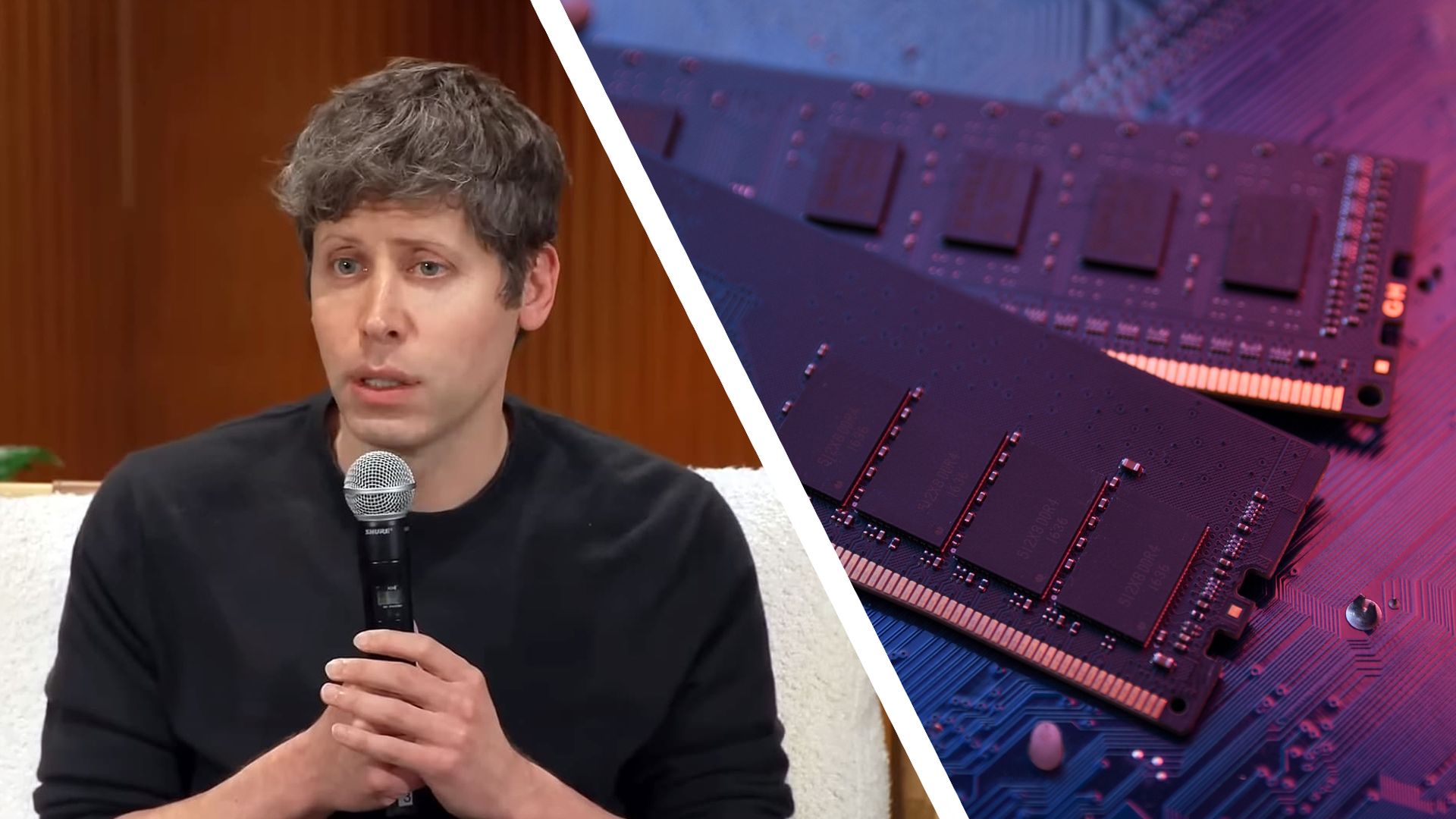
Тэр өмнөх үгээ буруу ойлгосон гэж мэдэгдэж, санах ойн үйлдвэрлэлийг нэмэгдүүлэхийг олон жил дэмжсэнээ хэлжээ.
OpenAI-ийн тэргүүн Сэм Олтман “Cheeky Pint” подкастад дэлхийн DRAM-ийн хязгаарлагдмал нөөцийг хүн бүр хувийн компьютертээ хадгалах нь зохимжгүй, хомсдолтой үед үүлэн орчны нөөцийг аль болох ашиглах хэрэгтэй гэж ярьсан нь шүүмжлэл дагуулсан. Үүний дараа X хэрэглэгч түүнээс RAM-ийг нь яагаад хүсэж байгааг асуухад Олтман “Та нарыг маш их RAM-тай байгаасай гэж хүсэж байна” хэмээн хариулжээ.
Олтман өмнөх үгээ контекстоос нь таслан ойлгосон гэж үзэж, дэлхий даяар санах ойн үйлдвэрлэлийг нэмэгдүүлэхийг удаан хугацаанд дэмжиж ирснээ мэдэгдсэн байна. Гэвч ярилцлагын тэмдэглэлд тэрээр компьютертээ хиймэл оюуны загвар ажиллуулдаг хүмүүсийн тухай ярьж байгаад, дата төвүүдэд нөөц хуваарилах асуудлыг хөндсөн нь харагддаг тул түүний үгийг гэрийн компьютерт RAM суурилуулахыг шүүмжилсэн гэж ойлгоход бэрх биш юм.
Хиймэл оюуны дата төвүүдийн эрэлт дэлхийн санах ойн нөөцөд ихээхэн дарамт учруулж, хэрэглэгчдэд хүртээмжтэй RAM-ийг багасгаж буй асуудалд OpenAI зэрэг компаниудын хэрэгцээ нөлөөлж байна. Үйлдвэрлэлийн хүчин чадлыг нэмэгдүүлэхэд шинэ үйлдвэрүүд барьж, ашиглалтад оруулах хугацаа шаардагдах бөгөөд зарим шинжээч, компаниуд хомсдол олон жил үргэлжилж болзошгүй гэж үзжээ.
Дэлгэрэнгүйг эх сурвалжаас харах
↓Эх сурвалжийг нээх ↓
- Sam Altman says he wants there to be enough RAM for everyone
- He argues his past comments were taken out of context
- Altman previously criticized people using RAM sticks in their home PCs
When OpenAI chief Sam Altman said that it was “quite terrible” that everyday folks were using RAM sticks in their computers when there wasn’t enough for all the data centers his company wants to build, it went down just as badly as you’d expect. Now, Altman has tried to walk back his comments and say it was all just a misunderstanding.
For full context, Altman’s original remarks were made on the Cheeky Pint podcast, where he said: “From a global allocation perspective, actually, it’s quite terrible to have everybody have a bunch of the world’s limited supply of DRAM sitting in their own computer… You want maximum utilization in the cloud if you’re trying to deal with this very supply constrained environment. And somehow many people’s intuition is the opposite of that.”
Posting on X, Altman agreed to a user’s request to change his name to “Ram Altman” in reference to his earlier statements. Altman then commented that he would make the name change “but only because I actually do want the world to have tons of memory and people to put as much as they want in their computers, and it is f*cking annoying that this was taken out of context. I have been arguing for the world to ramp up memory production for a long time.”
Replying to a different X user who asked “why u want my RAM then,” Altman stated: “I want you to have so much RAM.”
A problem of OpenAI’s own making
Some readers might find Altman’s claim that his quotes from the Cheeky Pint podcast were taken out of context to be somewhat disingenuous. As can be seen in the interview transcript, Altman was speaking about people running local AI models on their computers who might feel that these models are the future and that data centers are unnecessary. It was then that his quote starting “From a global allocation perspective” began.
It’s therefore hard to see his comments as being anything other than a criticism of people having memory sticks in their home computers, because it’s bad for data centers.
Part of the problem is that Altman’s own company is one of the foremost reasons why RAM stocks are severely depleted in the first place. The global rush for memory is almost entirely due to the needs of AI data centers, leaving everyday consumers with next to nothing.
Altman’s solution — “I have been arguing for the world to ramp up memory production for a long time” — also feels like an underwhelming answer to the problem, as it will take time for new fabrication plants to come online, with some analysts and firms predicting that the current shortages could continue for years.
Altman’s latest comments will therefore probably do little to endear him in the eyes of PC users — despite his protestations.

