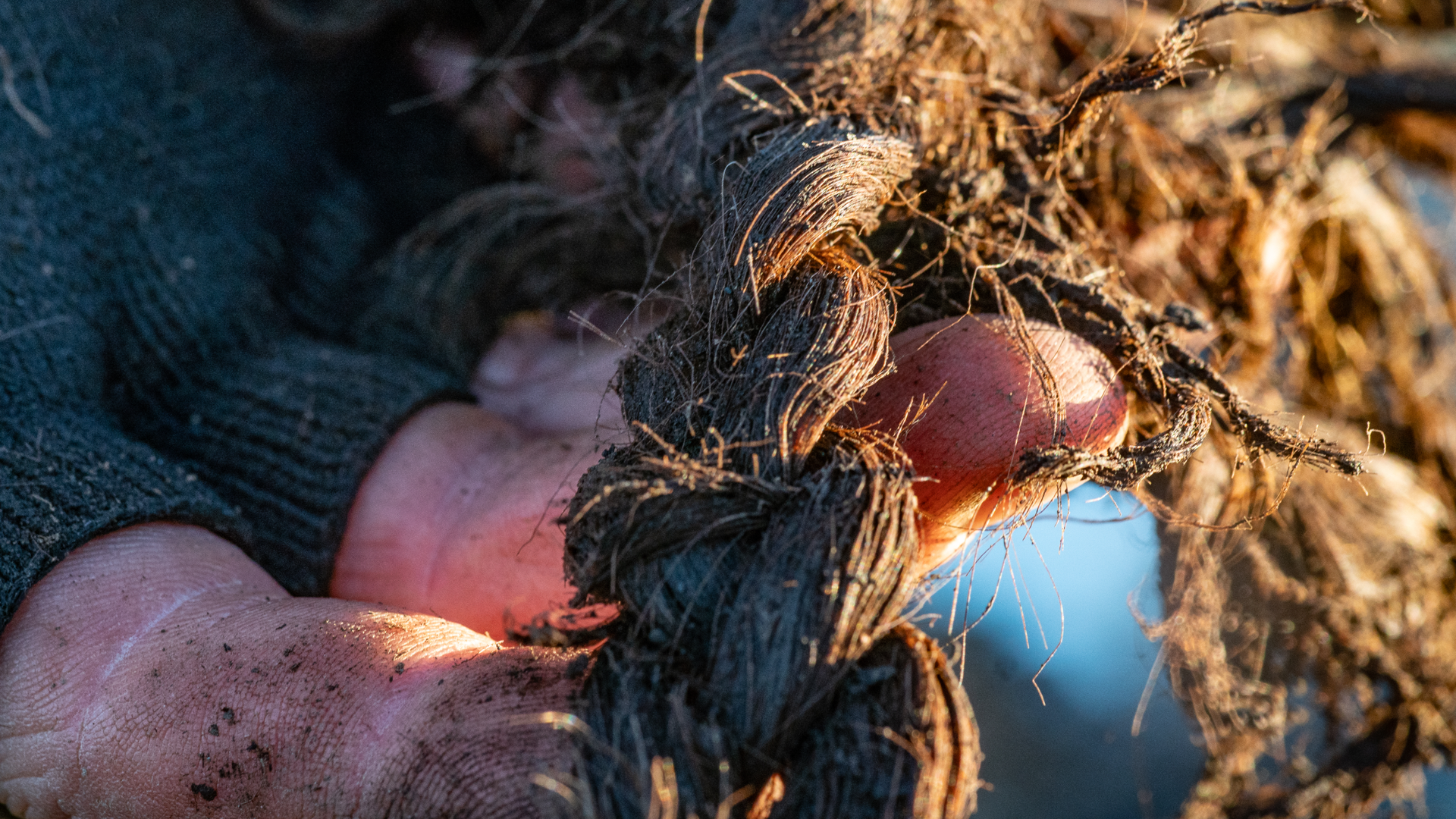
Археологичид 2800 жилийн настай булшнаас олдсон каннабисын үр болон мумийн үснээс илэрсэн химийн ул мөр нь тухайн үед тахилгын зан үйлд мансууруулах бодис ашиглаж байсныг нотолж байна.
Өмнөд Сибирийн Уюк хөндийн Туннуг археологийн дурсгалт газраас олдсон энэхүү булш нь Скифүүдийн оршуулгын уламжлалыг хадгалсан “хааны булш” болохыг тогтоожээ. Модон байгууламж дотроос олдсон Cannabis ruderalis буюу зэрлэг каннабисын 1000 гаруй үр болон хүний үсний дээжид хийсэн шинжилгээгээр каннабинол болон ТНС (тетрагидроканнабинол) илэрсэн байна. Радиокарбоны шинжилгээгээр эдгээр олдворыг МЭӨ 800-760 оны үед хамаарахыг тогтоосон нь өмнө нь мэдэгдэж байсан баримтуудаас 300 жилээр эрт гэсэн үг юм.
Макс Планкийн геоантропологийн хүрээлэнгийн археологич Жино Каспари болон түүний багийнхан энэхүү булшинд морь болон хүнийг тахидаг байсан нь тодорхой байгааг онцолжээ. Судлаачдын үзэж буйгаар, тахилгын зан үйлд оруулах хүмүүсийг тайвшруулах, мансууруулах зорилгоор каннабис ашигладаг байсан байх магадлалтай аж.
Энэхүү нээлт нь Төв Азид каннабисыг оршуулгын зан үйлд ашиглаж байсныг батлахын зэрэгцээ түүнийг соёлын нөлөөгөөр тархсан түүхийг судлахад чухал ач холбогдолтой юм. Цаашид эрдэмтэд ургамлын дээжүүдэд ДНХ-ийн дараалал тогтоох шинжилгээ хийж, таримал ургамлын гарал үүсэл, тархалтын талаар илүү гүнзгий судлахаар төлөвлөж байна.
Дэлгэрэнгүйг эх сурвалжаас харах
↓Эх сурвалжийг нээх ↓
Archaeologists have unearthed the oldest evidence of cannabis use from a 2,800-year-old monumental tomb in Siberia. The presence of plant seeds in the grave and chemical traces of the drug in mummy hair suggest people practiced a funeral ritual that may have involved a grim practice: calming human sacrifice victims with cannabis.
In a study published Thursday (Nov. 5) in the journal Science, researchers investigated the contents of a “royal mound” burial at the Tunnug archaeological site in the Uyuk valley of southern Siberia. Archaeologists discovered four wooden structures containing several log coffins in the middle of the mound. On top of the wooden burial structures were the skeletons of horses that once formed a “spectral cavalcade,” a Scythian funeral tradition that involved sacrificing horses and humans. And inside the burial structures, the archaeologists discovered piles of tiny seeds from the plant Cannabis ruderalis, a wild type of cannabis or marijuana.
Cannabis likely originated in Asia and was cultivated thousands of years ago for various purposes, including for ropes and textiles, and 6,000 years ago as an oilseed crop, according to the study. But it’s unclear when people learned about the psychoactive properties of the plant. In the fifth century B.C., the ancient Greek historian Herodotus wrote that the Scythian nomads inhaled the fumes from burning hemp seeds. And evidence of cannabis use was previously discovered in a cemetery in China dated to about 500 B.C. The new study, however, pushes back this date by three centuries.
Researchers discovered more than 1,000 whole cannabis seeds and around 500 partial seeds in the Tunnug burial mound, and they carbon-dated them to between 800 and 760 B.C. They also recovered several human hair samples from the grave. An analysis of the hair revealed signals matching cannabinol and THC (tetrahydrocannabinol), psychoactive chemical compounds found in cannabis. The tests could not determine how much of the drug people consumed, however.
“The molecular traces in the hair and the cannabis seeds come from the same grave and suggest that cannabis was used for its intoxicating properties,” study first author Gino Caspari, an archaeologist at the Max Planck Institute of Geoanthropology in Jena, Germany, said in a statement.
But given the burial context of the discovery, the use of cannabis may have had a darker purpose.
“In this princely tomb, the burials were accompanied by extensive horse sacrifices and, most likely, human sacrifices as well,” Caspari said. The tradition of human sacrifice, in particular, “would have potentially made the plant a useful agent to calm individuals who were to be included in the rituals,” the researchers wrote in the study.
The new study confirms the ancient use of cannabis in funerals in Central Asia and extends the date back to 2,800 years ago, the researchers noted. Future work is planned but will focus on other aspects of ancient cannabis.
“We have already begun sequencing some of the plant samples,” Caspari said. “This will help us learn more about the history of the domestication and spread of the crop soon.”

