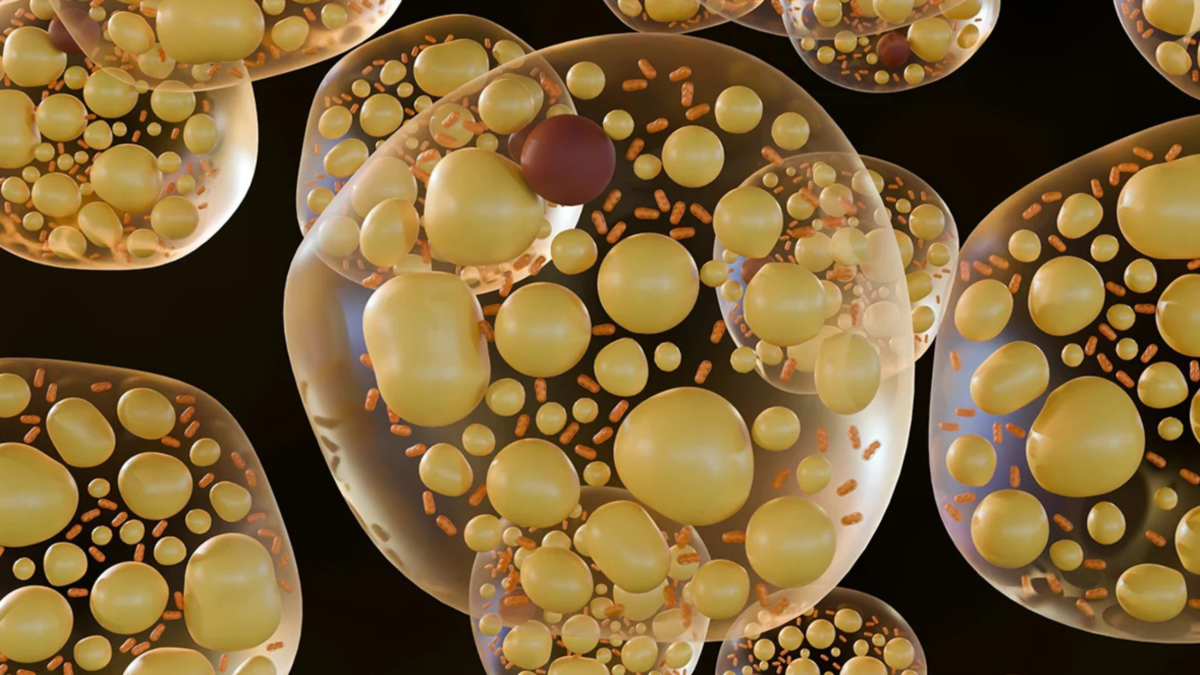
Хорт хавдрын төвийн 100 мянга гаруй өвчтөний мэдээлэлд хийсэн судалгаа бор өөх ба сэтгэцийн эмгэгийн оношийн хооронд холбоо байгааг харуулсан ч шалтгаант хамаарлыг нотлоогүй.
Хүзүү, эгэмний орчим болон суганд байрладаг бор өөх хүйтэнд идэвхжихдээ дулаан ялгаруулдаг бөгөөд зарим дүрс оношилгоонд хэрэглэдэг цацраг идэвхт сахарын мөрдөгчийг шингээдэг тул зурагт харагддаг. 2021 оны өмнөх судалгаагаар бор өөх чихрийн шижин, зүрх судасны өвчний түвшин багатай холбоотой байсны дараа судлаачид илүү олон төрлийн оношийг хамруулжээ. Тэд Нью-Йорк дахь Memorial Sloan Kettering Cancer Center-ийн 100 мянга гаруй өвчтөний эмнэлзүйн зорилгоор авсан PET/CT зураг, онош болон эмийн бүртгэлийг судалсан байна.
Бор өөх зурагт илэрсэн болон илрээгүй өвчтөнүүдийг нас, хүйс, биеийн жингийн индекс, гадаах температурын үзүүлэлтээр харьцуулахад сэтгэл гутралын үеийн онош бор өөх илэрсэн хүмүүсийн 5.4 хувь, илрээгүй хүмүүсийн 8.2 хувьд бүртгэгджээ. Түгшүүрийн эмгэгийн онош ч бор өөх илэрсэн бүлэгт цөөн байв. Тамхидалтын түүх, хавдрын төрөл ба үе шат, эмчилгээ зэрэг хүчин зүйлийг тооцсон ч энэ холбоо хадгалагдсан байна.
Бор өөх илэрсэн 8,700 орчим өвчтөнд хиймэл оюунд суурилсан аргаар эдийн эзлэхүүн болон глюкоз шингээлтийг хэмжиж, биеийн зургаан хэсэг дэх идэвхийг тооцжээ. Суга орчмын бор өөхний идэвх өндөр байх нь зүрх судасны болон бодисын солилцооны эрүүл мэндийн үзүүлэлтүүдтэй илүү холбоотой байсан бол сэтгэцийн эрүүл мэндийн үр дүнг оношийн бүртгэлийг тусад нь харьцуулж гаргасан байна. Бор өөх илэрсэн өвчтөнүүдийн цусан дахь сахарын хэмжээ, тэр дундаа урт хугацааны түвшнийг илтгэх үзүүлэлт бага байжээ.
Зарим төрлийн сэтгэл гутрал, түгшүүрийн эсрэг SSRI эм хэрэглэдэг хүмүүсийн зурагт бор өөх илрэх нь бага байсан бөгөөд энэ холбоо сэтгэцийн оношийг тооцсоны дараа ч хэвээр үлджээ. Харин зарим даралт бууруулах эм хэрэглэдэг хүмүүст бор өөх илрэх нь түгээмэл байсан; тэдгээрийн нэг болох лозартаныг лабораторид ургуулсан бор өөхний эс болон хулганад туршихад эдийн идэвх, хулганын энерги зарцуулалт нэмэгдсэн ч сэтгэл гутрал, түгшүүрийг үнэлээгүй байна. Судалгаа хорт хавдрын төвийн өвчтөнүүдэд хийгдсэн бөгөөд харьцуулсан бүлгүүдийн дөрөвний гурваас илүү нь эмэгтэй байв; хавдрын төрөл, эмчилгээний ялгаа үр дүнд нөлөөлсөн байхыг үгүйсгэх боломжгүй. Судалгаа ретроспектив тул үр дүн нь холбоо хамаарлыг харуулж, шалтгааныг нотлохгүй бөгөөд бор өөх идэвхжүүлэх аргын туршилтаар сэтгэл түгшилт, сэтгэл гутралын өөрчлөлтийг мөн бүртгэх шаардлагатай гэж судлаачид үзжээ.
Дэлгэрэнгүйг эх сурвалжаас харах
↓Эх сурвалжийг нээх ↓
When we think about body fat, the number on the scale or an expanding waistline often comes to mind.
Research on brown fat is drawing attention to a different connection: patients whose scans showed this tissue had fewer recorded diagnoses of anxiety and depression.
Found in areas including the neck, near the collarbones, and the armpits, brown fat produces heat when activated by cold. It takes up the radioactive sugar tracer used in certain medical scans, making it visible in the images.
“What surprised us the most is that there are no previous studies documenting a potential connection between brown fat and mood,” endocrinologist and Rockefeller University researcher Nicolás Gómez-Banoy told ScienceAlert.
The team’s2021 researchlinked brown fat to lower rates of diabetes and cardiovascular disease. Followingthat study, covered by ScienceAlert, the researchers broadened their investigation to hundreds of diagnoses.
For the research published inNature, they examined records from more than 100,000 patients at Memorial Sloan Kettering Cancer Center in New York. PET/CT scans taken for clinical reasons were assessed alongside patients’ diagnoses and medication records.
The team matched patients with and without detectable brown fat on age, sex, body mass index, and outdoor temperature. In these matched groups, depressive episode diagnoses were recorded for 5.4 percent of patients with detectable brown fat and 8.2 percent of those without it. Anxiety disorder diagnoses were also less common in patients with detectable brown fat.
The associations persisted after the analysis accounted for smoking history, cancer type, cancer stage, treatment, and other factors.
The researchers also wanted to know whether the amount and location of active brown fat mattered, so they used artificial intelligence.
A machine learning tool helped measure brown fat volume and glucose uptake in about 8,700 patients with detectable brown fat.Together, these measurements were used to estimate brown fat activity across six body regions.
Higher brown fat activity around the armpits was particularly associated with better cardiovascular and metabolic health. The psychiatric findings came from the separate comparison of recorded diagnoses.
Patients with detectable brown fat also had lower blood sugar measurements, including a marker reflecting longer-term blood sugar levels.
“The most plausible explanation is that patients with brown fat show an improved metabolic profile, healthier fat distribution, and lower inflammatory markers,” Gómez-Banoy explained. “All of these things have been linked to improved psychiatric outcomes.”
Patients taking certain antidepressants in the SSRI class, used to treat depression and anxiety, were less likely to have detectable brown fat. The association remained after the researchers adjusted for relevant psychiatric diagnoses and was consistent with earlier human research showing that these medications can reduce brown fat activity.
The team also searched medication records for drugs that might activate brown fat. Patients taking certain blood pressure medications were more likely to have detectable tissue. The researchers tested one of them, losartan, in laboratory-grown brown fat cells and mice.
Losartan increased brown fat activity, and treated mice expended more energy. These experiments did not evaluate anxiety or depression.
“Given that our study is retrospective, it is important to note that these findings are associations and do not demonstrate causation,” Gómez-Banoy said.
The study drew on patients at a cancer center, and more than three-quarters of those in the matched groups were women. The paper also notes that tumor types and cancer treatments differed between the groups. Their influence on the findings cannot be ruled out despite statistical adjustments.
Gómez-Banoy said trials of drugs or other methods to activate brown fat should also record whether patients’ anxiety or depression changes.
The research has been published in Nature.
This article was fact-checked by Fiona MacDonald and edited by Fiona MacDonald. While we pride ourselves on our process, we are only human. If you spot a mistake, please let us know.

