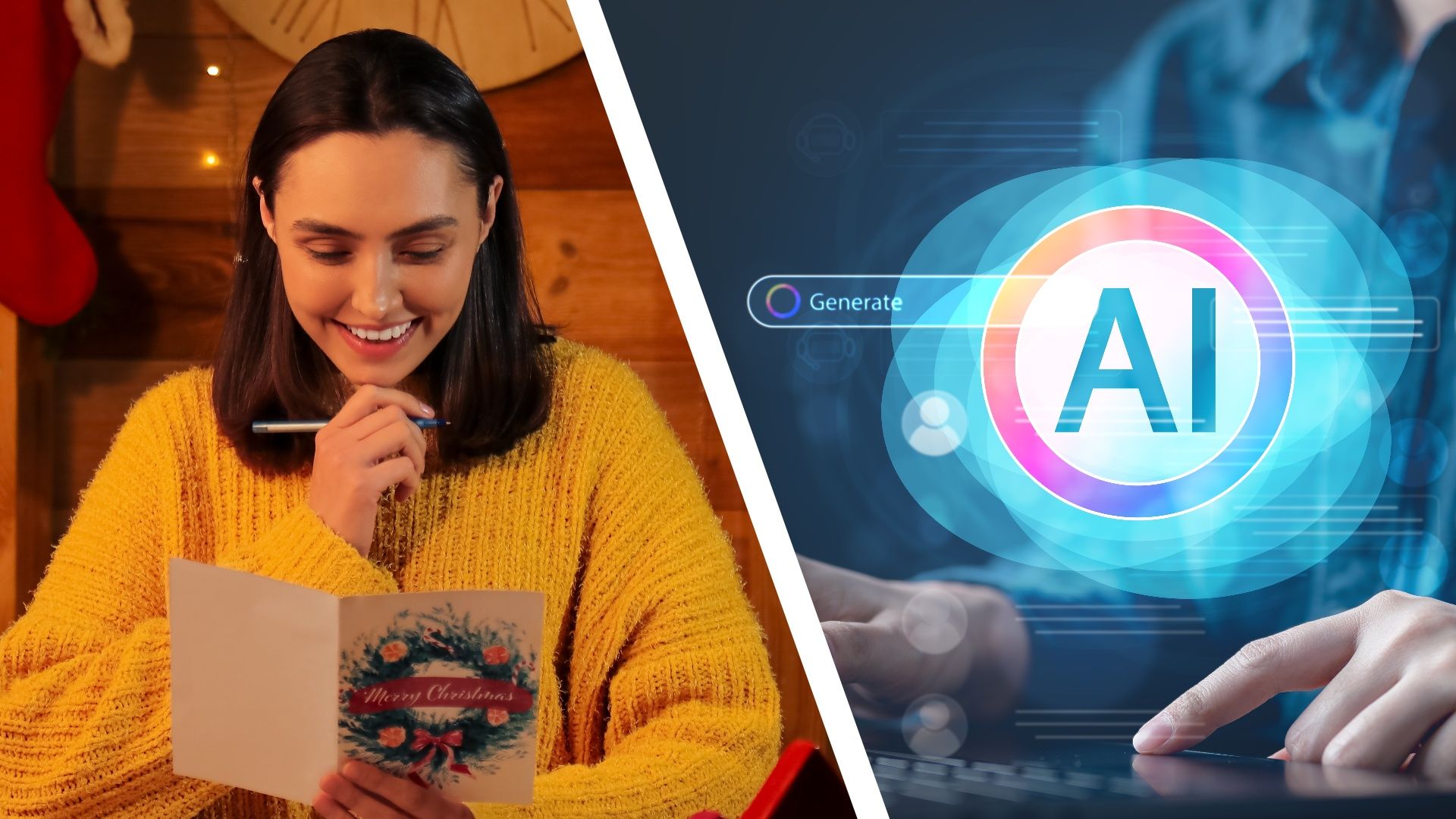
Судалгаанд оролцогчдын олонх нь гар бичмэл картыг цахим мэндчилгээнээс илүү дотно гэж үзсэн байна.
Их Британийн 2,000 насанд хүрэгчийг хамруулсан судалгаагаар найман хүн тутмын нэг нь зул сарын картынхаа сэтгэлд хүрсэн мэндчилгээг бичихэд хиймэл оюун ухааны хэрэгсэл ашиглажээ. Энэ нь ойролцоогоор 8.3 сая хүн гэсэн тооцоо юм.
Сэтгэл судлаач Элоиз Скиннер хиймэл оюун ухаанаар санаа авах, мэндчилгээг бүхэлд нь бичүүлэх хоёр ялгаатайг онцолжээ. Өөрийн өнцгөөс чин сэтгэлийн үг бичих нь илүү утга учиртай бөгөөд зул сарын дурсамж, гэр бүлийн уулзалтыг эргэн санахад тусалдаг гэж тэр үзсэн байна.
Santa’s Lapland-ийн хийсэн судалгаагаар британичуудын 66 хувь нь өмнөхөөсөө цөөн зул сарын карт бичдэг болсон бол 46 хувь нь нийгмийн сүлжээ, мессеж эсвэл цахим шуудангаар цахим мэндчилгээ илгээх магадлал өндөр гэжээ. Гэсэн ч 80 хувь нь гар бичмэл картыг цахим мессежээс илүү онцгой санагддаг гэж хариулсан бөгөөд 61 хувь нь карт бичих нь баярын уур амьсгалд оруулдаг гэж үзсэн байна.
Скиннер мэндчилгээндээ хэлэхийг хүссэн зүйлсээ эхлээд жагсааж, хамгийн чухлыг нь сонгохыг зөвлөжээ. Мөн картад буулгахаасаа өмнө тэмдэглэлийн апп эсвэл дэвтэрт ноороглох нь бодлоо цэгцлэх боломж олгоно гэжээ.
Дэлгэрэнгүйг эх сурвалжаас харах
↓Эх сурвалжийг нээх ↓
- 1 in 8 Brits have used AI to write their Christmas cards
- A psychologist warns that there’s a big difference between using AI to spark an idea and getting it to write the whole message
- 80% of Brits say a handwritten card feels more special than a digital message
There’s something undeniably special about receiving a handwritten Christmas card at this time of year; but according to a new survey of 2,000 adults, around one in eight Brits (that’s an estimated 8.3 million people) say they’ve used AI tools to help them write sentimental messages in their cards.
The question is, should we really be handing over such a personal task to AI? While I agree that rituals like writing Christmas cards can help to get you in the festive mood, and some people find writing them calming and stress reducing, it’s also a bit of a chore for some; so I can sympathize with people wanting to outsource the job to AI. However, it does feel like there’s something inherently wrong with using AI for this task.
Psychologist Eloise Skinner warns that there’s a big difference between using AI to spark an idea and getting it to write the whole message. “Challenging oneself to write a heartfelt, emotional message from their own perspective is much more rewarding and meaningful”, she says. “Many of us will have strong memories of childhood Christmas activities, and it might also make us remember previous family gatherings or positive associations we had in past years.”
Christmas is coming
The study, from festive family holiday specialist Santa’s Lapland, also found that even though the tradition of writing Christmas cards is becoming less popular, with 66% of Brits admitting that they write fewer cards than they used to, there’s a new trend for sending a digital Christmas card, with 46% saying they’re more likely to send an electronic greeting either by social media, text or email.
Once you’re sending a digital message at Christmas, it becomes so much easier to get AI involved, since you’re only a copy and paste away from a message you don’t need to devote mental headroom to thinking of yourself. Perhaps that’s another good reason for continuing to send handwritten cards this year — it makes it so much less tempting to turn to AI for help.
Further evidence
If you need any further evidence that you should be writing your own Christmas cards by hand, the study also revealed that four in five (80%) say a handwritten card feels more special than a digital message, while more than six in 10 (61%) say writing cards helps them get into the festive spirit.
If you need some tips, then Skinner recommends starting by listing the things you genuinely want to say to someone, then identifying the ideas that matter most. She also suggests drafting the message in a notes app or journal before writing it in the card, arguing that taking your time is part of what makes the experience meaningful.
After all, if you’re getting ChatGPT to express in words how you genuinely feel, how is that different to simply signing your name under the prewritten message in a card?

