
Нэг удаагийн эмчилгээний дараа хөшүүн хүний хам шинжтэй хоёр оролцогчийн өдөр тутмын хөдөлгөөн, үйл ажиллагаа сайжирчээ.
АНУ-д Майо клиникийн удирдсан клиникийн туршилтаар CAR-T эсийн эмчилгээ хийлгэсэн хоёр хүн өмнө нь өвчний улмаас алдсан зарим чадвараа сэргээсэн байна. Дархлааны системийг өвчин үүсгэгч эсийг таньж устгахад чиглүүлдэг энэ эмчилгээг NHS зарим өвчин, тэр дундаа тодорхой төрлийн хорт хавдрын үед хэрэглэхийг зөвшөөрсөн ч судалгаа үргэлжилж буй.
Туршилтад оролцсон Жонатан Уолден эмчилгээний дараа ажилдаа эргэн орж, өдөр тутмын үйл ажиллагаагаа бие даан хийх болсон гэжээ. 2021 онд оношлогдсон Шари Сент-Жермений хөл хүчтэй татаж, алхахад хүндрэлтэй байсан бөгөөд шинж тэмдгүүд нь хүндэрсний дараа гэнэтийн дуу чимээнээс болж булчин нь хөшиж, унадаг байв; CAR-T эмчилгээний дараа тэр гүйлтийн зам дээр алхаж чадсан байна.
Ховор, даамжрах явцтай мэдрэлийн эмгэг болох хөшүүн хүний хам шинж нь биеийн булчин хөших, хөдөлгөөнд саад учруулах шинжтэй бөгөөд дэлхий даяар ойролцоогоор 8,000 хүнд тохиолддог гэж тооцоолдог. Канадын дуучин Селин Дион 2022 оны арванхоёрдугаар сард уг өвчнөөр оношлогдсоноо зарлаж, энэ нь өдөр тутмын амьдралынх нь бүхий л талд, тэр дундаа дуу хоолойд нь нөлөөлснийг хэлж байв.
Jama Neurology сэтгүүлд нийтлэгдсэн судалгааны үр дүн илүү өргөн хүрээний туршилт хийх боломж нээж магадгүй. Судалгааг ахалсан мэдрэлийн эмч Анастасия Зекериду зарим өвчтөний биеийн байдал мэдэгдэхүйц сайжирсан ч үр дүн урт хугацаанд хадгалагдах эсэхийг тогтоох шаардлагатайг онцолжээ. Мөн CAR-T эмчилгээ хөшүүн хүний хам шинжээс гадна дархлааны тогтолцоотой холбоотой бусад мэдрэлийн өвчнийг эмчлэх боломжтой эсэхийг судлах шинэ чиглэл болж байгааг Майо клиникийн мэдрэлийн тасгийн эрхлэгч Шон Питток тэмдэглэсэн байна.
Дэлгэрэнгүй эх сурвалжийг харах
Эх сурвалжийг нээх ↓
Want to bookmark your favourite articles and stories to read or reference later? Start your Independent Membership today.
Already a member?
A form of immunotherapy has shown significant success in treating patients with stiff person syndrome (SPS), the progressive condition affecting singer Celine Dion.
Participants in a recent clinical trial received CAR-T cell therapy, a treatment that trains the body’s immune system to identify and destroy disease-causing cells.
Currently approved by the NHS for treating specific health conditions, including certain cancers, CAR-T remains the subject of continuing medical research.
Receiving the single-dose treatment allowed two trial subjects to recover essential everyday capabilities previously lost to SPS.
The rare neurological disorder gradually worsens over time, causing physical stiffness throughout the body, spine, arms and legs.
In the recent US trial, participant Jonathan Walden had previously become reliant on his family for help with walking and routine daily tasks.
After receiving CAR-T, he has successfully resumed working and participating in his favourite activities once again.
“I can go to work every single day. I can do everything I did before. I go hunting; I can go fishing,” he said.
“I have not had one episode since receiving treatment.”
He added that when offered the trial, he almost talked himself out of it.
“But realising the outcome of either direction, I was better off going ahead and taking the risk for the trial, which has so far been the best thing I’ve ever done.”
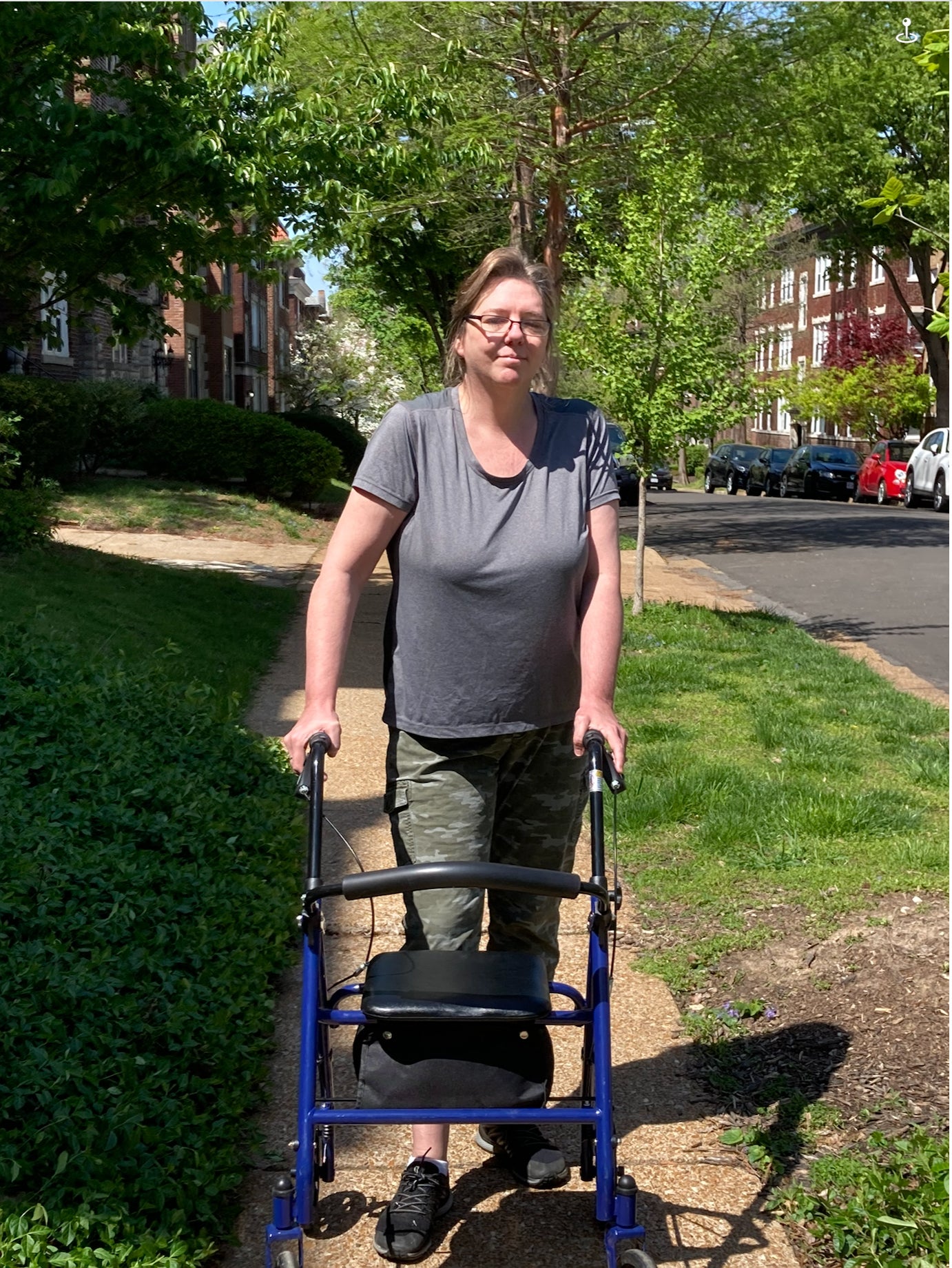
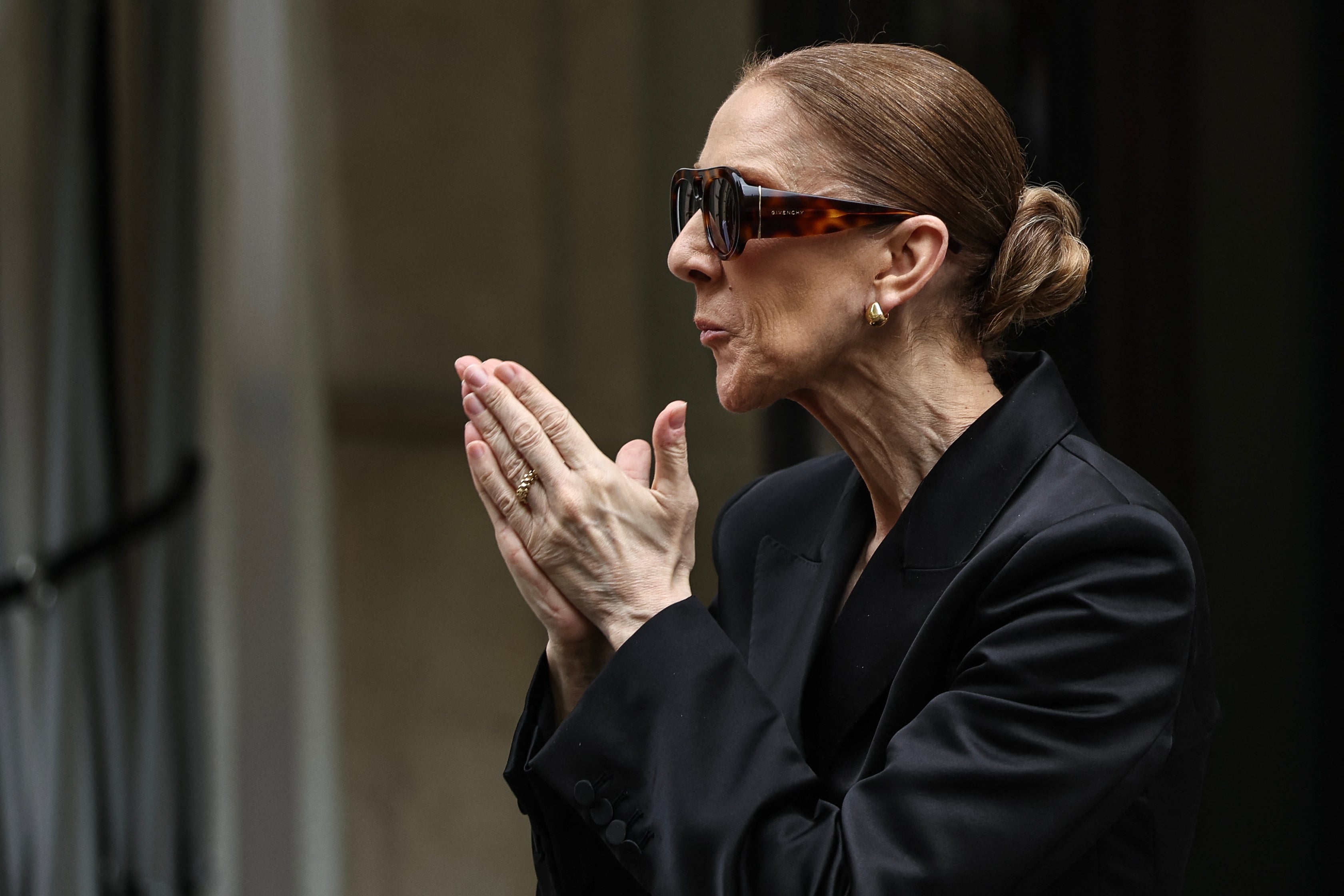
Meanwhile, Shari St Germain, who was diagnosed in 2021, had been suffering symptoms such as severe leg cramps and difficulty walking.
As her disease progressed, sudden noises led to muscle rigidity and falls.
By 2024, standard treatments were no longer controlling her symptoms, but in the months after receiving CAR-T, she began noticing improvements, such as being able to walk on a treadmill again.
She said: “After the treatment, I got up one day and I’m like ‘I’m feeling really good’, and I went to walk on the treadmill.
“My husband comes running in because I’m crying and he’s like ‘Are you OK?’ And I’m like ‘I just walked for seven minutes on the treadmill’.
“..So every day, it just gets better and better.”
The new study, published in Jama Neurology, could now lead to larger trials in people with SPS.
Dr Anastasia Zekeridou, a neurologist and researcher at Mayo Clinic in Rochester in the US, which led the trial. said: “What was most striking was the degree of improvement we saw in some patients.
“With existing treatments, we may be able to improve symptoms, but we very rarely see patients return to their previous level of function.
“These early results are very encouraging, and the key question now is whether those improvements will be sustained over time.”
Dr Sean Pittock, chairman of the department of neurology at Mayo Clinic, said: “CAR-T therapy has already transformed the treatment of some cancers, and we are now beginning to see its potential in autoimmune neurologic diseases.
“The results in stiff person syndrome offer tremendous hope, not only for people living with this disease but potentially for patients with other immune-mediated neurologic conditions where effective treatment options remain limited.
“There is still much we need to learn, but this opens an exciting new avenue for the field.”
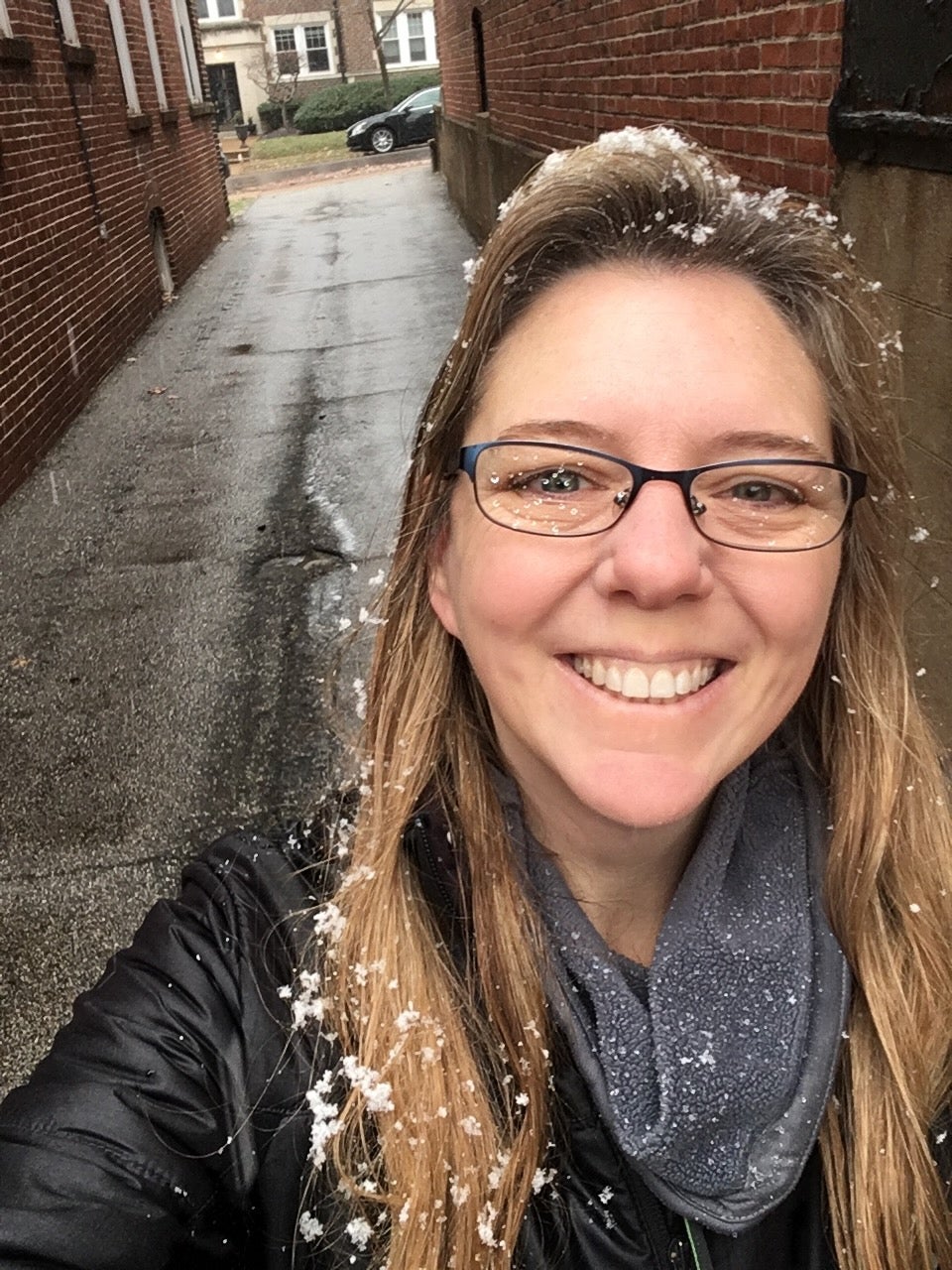
Canadian singer Dion announced she had been diagnosed with stiff person syndrome in December 2022.
In an emotional Instagram video, she told fans the condition had affected “every aspect of my daily life”, including harming her voice.
SPS affects an estimated 8,000 people worldwide.
Scientists believe it can become a widespread syndrome that affects multiple parts of the body and involves the brain, brainstem and spinal cord.
SPS is also thought to be an autoimmune condition, which happens when the immune system attacks healthy cells by mistake.
It affects twice as many women as men and most people develop symptoms between the ages of 20 and 60.
Yasmin Sheikh, head of policy and public affairs at Anthony Nolan, said: “CAR-T cell therapy can be life-changing.
“At Anthony Nolan, we’ve seen first hand the transformative impact it can have for people with blood cancer.
“This research is an exciting development, providing more evidence that CAR-T cell therapies could have applications beyond blood cancer and offer new hope to people living with other conditions, including SPS.
“As research continues to push the boundaries of innovation in medicine, we must consider how treatments like this can be delivered in practice.
“This means ensuring the right specialist workforce, infrastructure and resources are in place so that patients can benefit from them without unnecessary delay.”

