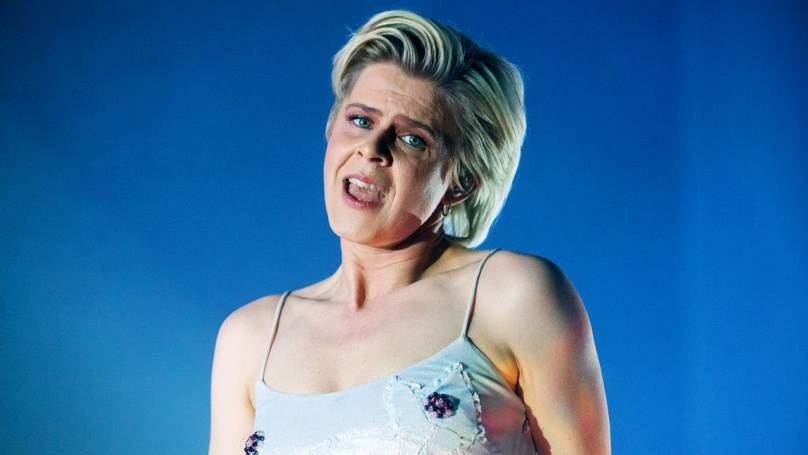
Дуучин Эми Полерын подкастад ярилцахдаа дууныхаа ганцаардлаас хүч олох санааг шинээр ойлгосноо ярив.
Шведийн дуучин Робин 2010 онд гаргасан “Dancing on My Own” дуугаа ганцаар ээж болсныхоо дараа өөр өнцгөөс хардаг болсон тухайгаа Эми Полерын “Good Hang” подкастад ярьжээ. Попын гунигт хайрын дууны гол төлөөлөгч хэмээн тодорхойлогдохоос олон жил ичдэг байсан ч уран бүтээлүүддээ харамсаж байгаагүйгээ тэр хэлсэн байна.
Робины тайлбарласнаар, дуу нь ганцаардал, арга мухардсан мэдрэмжээс өөрийн хүчээр гарах тухай аж. Үр шилжүүлэн суулгах аргаар хүүхэдтэй болж, ээжийн үүргээ ганцаар хариуцах үедээ тэр уг дууг төрүүлсэн эмзэг мэдрэмжтэйгээ дахин нүүр тулжээ. Ингэснээр хүнд мэдрэмжийг эерэг зүйл болгон хувиргах чадвараа өөрийн давуу тал гэж харах болсон байна.
Ээжээрээ ганцаар байх нь Робины хувьд бага насны айдастайгаа нүүр тулах том сорилт байв. Аав нь түүнийг бага байхад ээжийг нь орхисон явдал энэ айдсын үндэс болсон гэж дуучин тайлбарлажээ. Дотнын найзуудынх нь дэмжлэгээр тэр ганцаар хүүхэд өсгөх замаа хүлээн авч, айдас нь арилсан хэмээн ярьсан байна.
Дэлгэрэнгүй эх сурвалжийг харах
Эх сурвалжийг нээх ↓
For over a decade, Robyn’s 2010 electropop masterpiece ‘Dancing on My Own’ has reigned as pop music’s quintessential sad-banger—an anthem defined by alienation, unrequited longing, and watching an ex move on from the shadows of a crowded room.
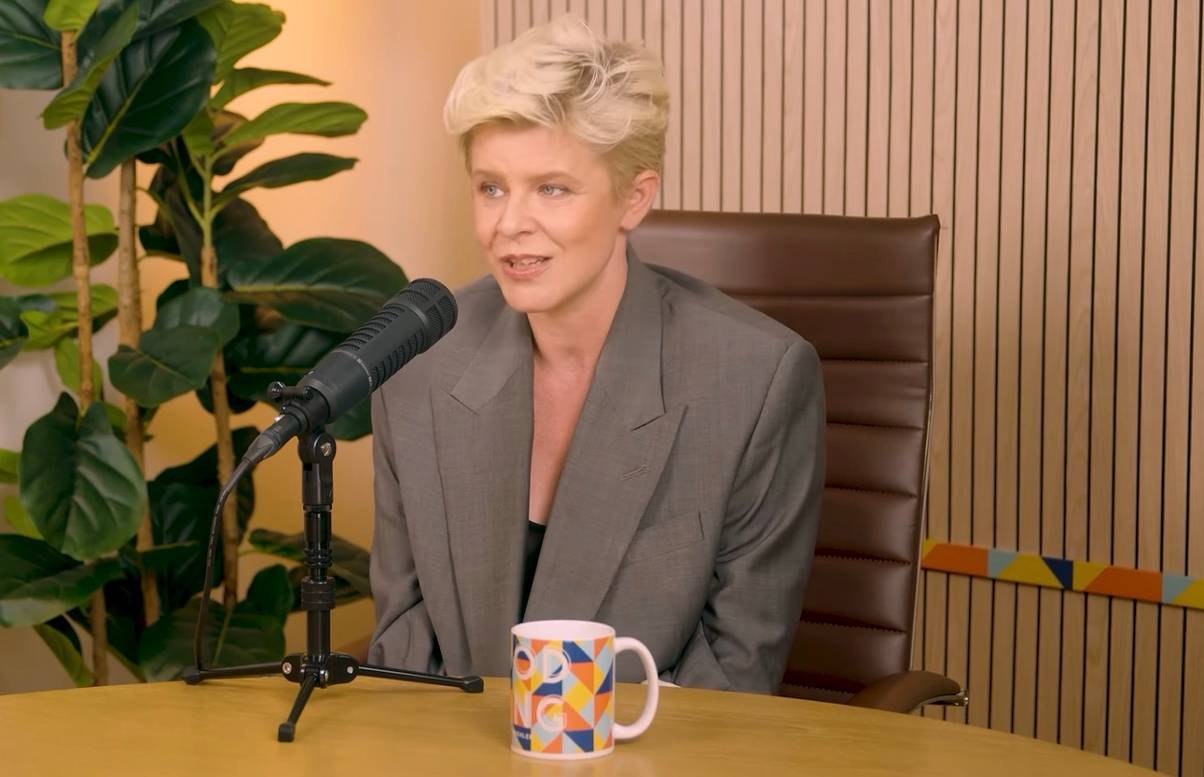
Appearing on the latest episode of Amy Poehler’s Good Hang podcast, the Swedish pop pioneer revealed that becoming a mother completely revolutionized how she views her defining hit.
Speaking candidly with Poehler, the singer admitted she spent years feeling humiliated by the heartbroken persona the world attached to her—until having a child as a single mother made her realize the vulnerability behind the track was actually a superpower.
From ’embarrassment’ to asset
Reflecting on the legacy of Body Talk and her trademark melancholy dance tracks, Robyn confessed she used to harbor deep insecurity over being pigeonholed as pop’s reigning tragic heroine.
“I used to hate it. I used to feel really embarrassed… by like the fact that I could only write really sad love songs. Like, ‘Grow up, like, get over it,’” Robyn told Poehler. “I always loved ‘Dancing on My Own.’ I always loved all of those songs. I never regretted any of it. It was just more like I found myself just sad bangers, just gravitating to that all the time.”
The singer explained that the track was born from a place of raw emotional survival.
“Dancing on My Own is really… written from this place where it’s like a place that is very real to me and it makes me do things that are pretty good sometimes, but it’s not a comfortable place,” she said. “It’s a sad place, and it’s like where I have nowhere else to go. And when there’s nowhere to go, I have to find myself out of this sticky situation with like my own machine. And that’s what that song is about: like reveling in this feeling of loneliness and finding power in it.”
Reclaiming the ‘sad little girl’
Everything shifted when Robyn chose to embark on single motherhood via IVF. While navigating parenthood solo, she found herself reconnecting with the very same emotions that originally sparked the song.
“When I had a child on my own, I found myself—even if I had made up with the sad little girl that wrote that song—I found myself in that situation again,” she shared. “And I started looking at ‘Dancing on My Own’ very differently. Like, that’s actually a really good skill. I’m happy that I know how to do that. I knew how to turn something that felt very heavy into like a good thing.”
Poehler agreed, noting that music at its best helps listeners tolerate uncomfortable spaces—especially when experienced as a collective.
Facing her greatest fear
Robyn went on to detail the emotional hurdle of deciding to pursue motherhood alone, admitting it meant directly confronting the deepest fear rooted in her childhood.
“Really being on my own as a mother… that was the biggest fear,” Robyn admitted, noting that her father had left her mother when she was young. “I think it has to do that my dad left my mom, so that was like a very inherent fear… like a shameful place to be.”
However, the singer revealed that after working through it, the dread completely dissipated. With encouragement from close friends who pointed out the creative freedom and singular clarity that comes with solo parenting, she embraced the journey with open arms.
“I just got over it. It was like totally fine,” she smiled. “It wasn’t a big thing at all.”

