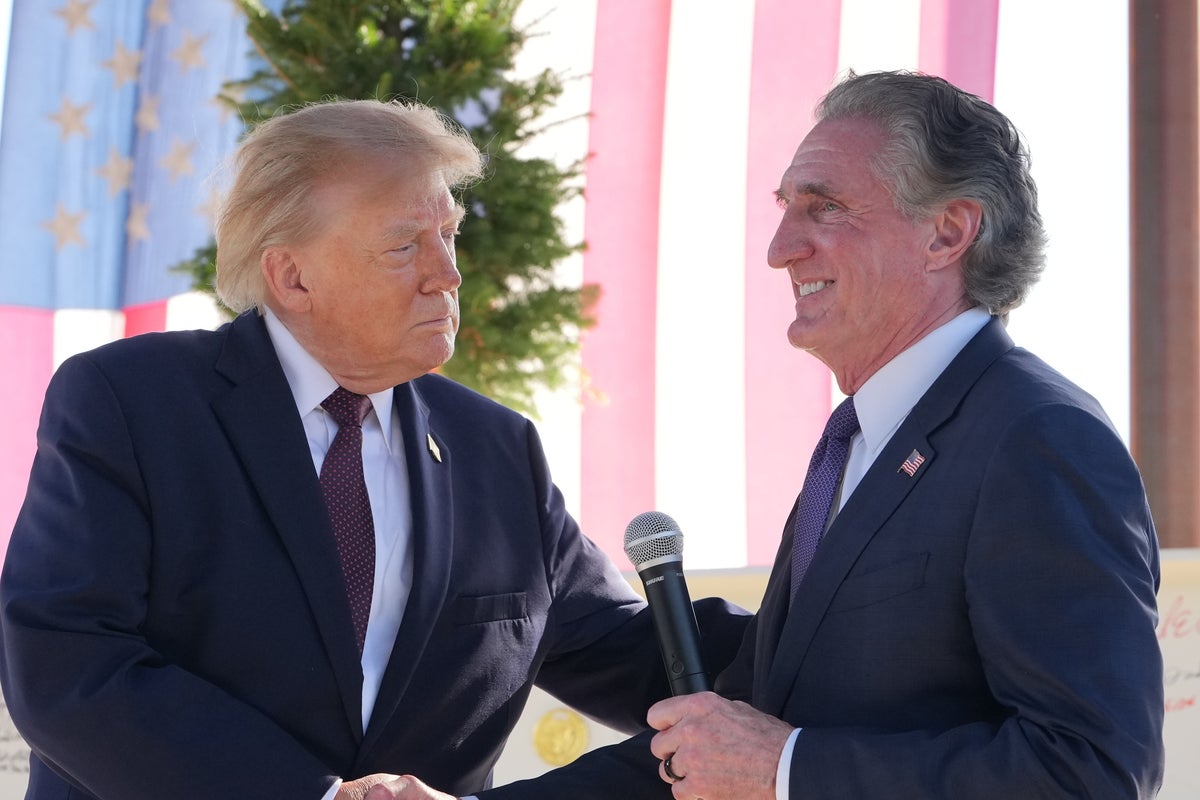
АНУ-ын Дотоод хэргийн яам холбооны эзэмшлийн газрын хэмжээг багасгах таван жилийн стратегидаа нийтийн газрыг муж, уугуул иргэдийн овог аймаг болон орон нутгийн захиргаанд худалдах санал тусгажээ.
Яамны мэдээлснээр, ингэснээр засгийн газар улсын хэмжээнд чухал ач холбогдолтой газруудад нөөцөө төвлөрүүлэх боломжтой. Харин ямар газар, ямар хэмжээтэй талбайг худалдах талаар тодорхой мэдээлэл өгөөгүй байна.
Стратегид мөн дотоодын эрчим хүчний үйлдвэрлэлийг нэмэгдүүлэхийн тулд газар солилцох, шилжүүлэх арга хэмжээ санал болгожээ. АНУ-ын Дотоод хэргийн яам 1.9 сая орчим хавтгай дөрвөлжин километр газар, газрын хэвлийн ашигт малтмалын нөөцийг хариуцдаг бөгөөд нийтийн газрыг хамгаалах уу, эдийн засгийн зориулалтаар ашиглах уу гэсэн маргаан олон жил үргэлжилж байна. Нийтийн газрын ихэнх нь баруун бүсийн мужуудад оршдог бөгөөд Невада мужийн газар нутгийн бараг 80 хувь холбооны харьяанд байдаг.
Саналын эсрэг байр суурийг Бүгд найрамдах намын төлөөлөгч Райан Зинке илэрхийлж, нийтийн газрыг худалдах, шилжүүлэх аливаа арга хэмжээг эсэргүүцэж, санал хураалт болбол эсрэг санал өгөхөө мэдэгджээ. Сенатын Байгалийн нөөцийн хорооны Ардчилсан намын гол төлөөлөгч Мартин Хайнрих ч холбооны газрыг хувьчлах, худалдах оролдлогыг эсэргүүцэхээ мэдэгдсэн байна.
Газар худалдах орлогоос тодорхой хэсгийг өөр газар байгаль хамгаалахад зориулан худалдан авагчдад буцаах хувилбар стратегид тусжээ. Гэвч Конгрессын дэмжлэггүйгээр Дотоод хэргийн сайд Даг Бургум төлөвлөгөөг хэрэгжүүлж чадах эсэх нь тодорхойгүй байна. 2026-2030 оны үйл ажиллагааны зорилтыг тодорхойлсон баримт бичиг нь дараагийн ерөнхийлөгчийн засаг захиргааг үүрэгжүүлэхгүй.
Дэлгэрэнгүйг эх сурвалжаас харах
↓Эх сурвалжийг нээх ↓
Want to bookmark your favourite articles and stories to read or reference later? Start your Independent Membership today.
Already a member?
{
experienceElement.style.display = ‘none’;
let checks = 0;
const maxChecks = 50;
const checkDrawerVisibility = setInterval(() => {
const drawer = document.querySelector(‘.pn-drawer–login, .pn-drawer, #login-drawer, .login-drawer-container, [class*=”login-drawer”]’);
const drawerCloseBtn = document.querySelector(‘#drawer > div > button’);
const isDrawerVisible =
(drawer &&
(drawer.offsetParent !== null ||
drawer.classList.contains(‘is-open’) ||
window.getComputedStyle(drawer).display !== ‘none’)) ||
drawerCloseBtn;
checks++;
if (isDrawerVisible) {
clearInterval(checkDrawerVisibility);
const monitorClosure = setInterval(() => {
const drawerStillHere = document.querySelector(
‘.pn-drawer–login, .pn-drawer, #login-drawer, .login-drawer-container, [class*=”login-drawer”]’
);
const innerContent = document.querySelector(‘#drawer > div’);
const isVisible =
(drawerStillHere &&
(drawerStillHere.offsetParent !== null ||
drawerStillHere.classList.contains(‘is-open’) ||
window.getComputedStyle(drawerStillHere).display !== ‘none’)) ||
innerContent;
if (!isVisible) {
clearInterval(monitorClosure);
experienceElement.style.display = ‘flex’;
}
}, 500);
if (drawerCloseBtn) {
drawerCloseBtn.addEventListener(
‘click’,
() => {
setTimeout(() => {
experienceElement.style.display = ‘flex’;
}, 100);
},
{ once: true }
);
}
} else if (checks >= maxChecks) {
clearInterval(checkDrawerVisibility);
experienceElement.style.display = ‘flex’;
}
}, 200);
};
{
document.documentElement.classList.add(‘mos-bookmark-open’);
const el = document.querySelector(‘.bookmark-experience’);
if (el) el.style.display = ‘flex’;
document.cookie = ‘mos-plan-select=; Max-Age=0; path=/; expires=Thu, 01 Jan 1970 00:00:00 UTC;’;
el?.querySelector(‘.subscribe-link’)?.addEventListener(‘click’, (e) => {
e.preventDefault();
document.cookie = ‘mos-plan-select=; Max-Age=0; path=/; expires=Thu, 01 Jan 1970 00:00:00 UTC;’;
setTimeout(() => {
window.location.href = “https://www.independent.co.uk/subscribe/app?regSourceMethod=Bookmarks”;
}, 500);
}, { once: true });
el?.querySelector(‘.close-btn’)?.addEventListener(‘click’, () => {
document.documentElement.classList.remove(‘mos-bookmark-open’);
}, { once: true });
});
]]>
President Donald Trump‘s administration wants to sell public lands to states, tribes and local governments as part of a push to “decrease the size of the federal estate,” according to a new five-year strategy released by the Interior Department.
The agency said that selling federal property would allow the U.S. government to focus resources on “nationally significant” lands. No specifics were provided regarding which areas might be offered, nor the exact scale or geography of prospective sales.
The proposal quickly drew criticism from several legislators, including Republican Rep. Ryan Zinke of Montana who served as Interior Secretary during Trump’s first term.
cookie.trim() === ‘__DEBUG__=true’)) { console.log(‘Ad logs: “mpu1”, injectedAtParagraph: 3’); }]]>
The strategy also recommends targeted land exchanges and transfers to bolster domestic energy production, a core element of the administration’s pro-fossil fuel agenda. It underlines the administration’s belief that public grounds are economic assets to be utilized rather than set aside for conservation.
Controlling more than 750,000 square miles (1.9 million square kilometers) — an area larger than Texas and California combined — as well as massive subterranean mineral deposits, the Interior Department remains at the center of an enduring, decades-old debate regarding whether federal land ownership is excessive.
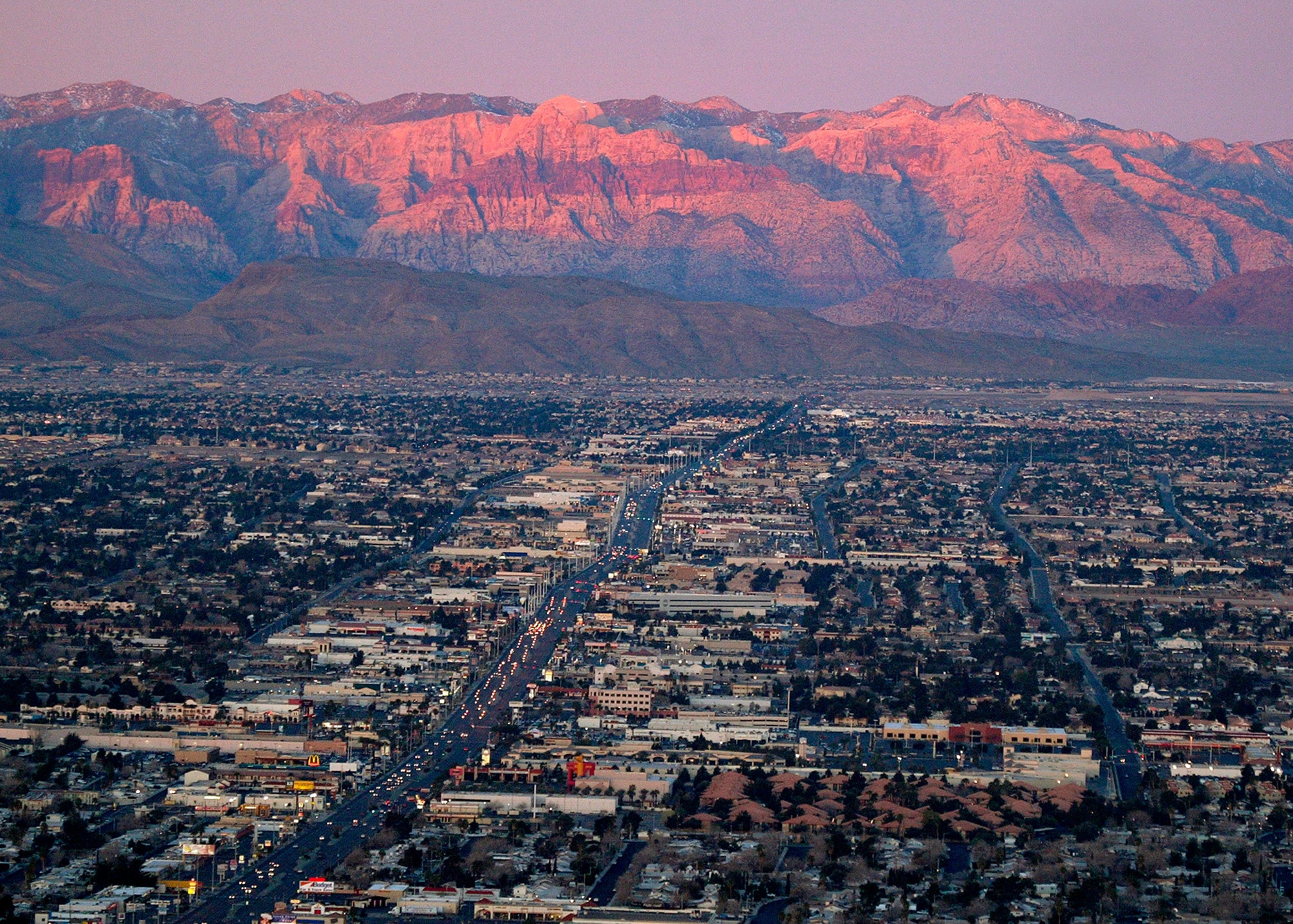
The majority of public lands lie in Western states, where high levels of government ownership shield territory from development but can also constrain economic growth. Nevada, for instance, is nearly 80% under federal jurisdiction.
cookie.trim() === ‘__DEBUG__=true’)) { console.log(‘Ad logs: “taboola-carousel-thumbnails”, injectedAtParagraph: 6’); }]]>
Under the proposed framework, a share of the revenue from land sales would be returned to purchasers to support environmental conservation elsewhere, Interior officials said.
However, it remains unclear whether Interior Secretary Doug Burgum can realize the administration’s objectives without legislative support from Congress.
cookie.trim() === ‘__DEBUG__=true’)) { console.log(‘Ad logs: “mpu2”, injectedAtParagraph: 8’); }]]>
A statement from Zinke’s office noted that he “remains firmly opposed to the sale or transfer of public lands.” The statement added that he intends to vote against any related measures should they arise before he departs Congress at the close of this term.
The leading Democrat on the Senate Natural Resources Committee likewise promised to resist any attempts to sell off or privatize federal territory.
cookie.trim() === ‘__DEBUG__=true’)) { console.log(‘Ad logs: “mpu3”, injectedAtParagraph: 10’); }]]>
“These lands belong to the American people, not private interests looking to cash in. Public lands belong in public hands,” said Sen. Martin Heinrich, a New Mexico Democrat.
Last year, several Western politicians attempted to divest large swathes of territory in Utah and Nevada, arguing it would raise capital and relieve urban expansion pressures. Among those initiatives, Utah Republican Sen. Mike Lee proposed transferring over 2 million acres (8,000 square kilometers) to states or other stakeholders.
Those proposals ultimately collapsed amid opposition from both parties.
Laying out a framework for the Interior Department’s operational goals from 2026 to 2030, the strategy document will not bind future presidential administrations.
The agency manages grazing, drilling, mining, public recreation, and other land uses that many state and local leaders desire to oversee directly. The department encompasses the Bureau of Land Management, National Park Service, Fish and Wildlife Service, and Bureau of Indian Affairs.
The strategic plan was previously revised four years ago during the administration of former Democratic President Joe Biden.

