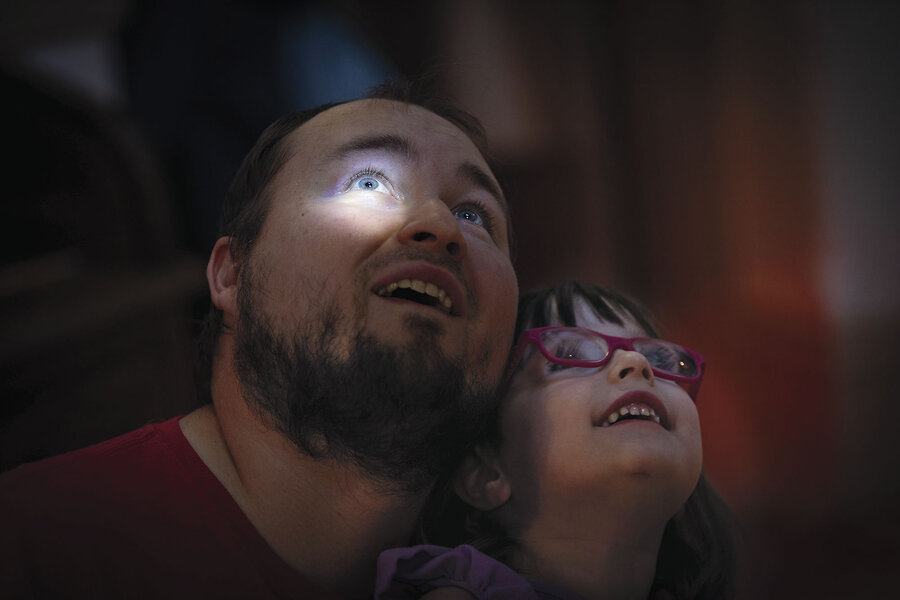
NASA-ийн Artemis хөтөлбөр Сарны гадарга дээр хүний урт хугацааны оролцоог бий болгож, Ангараг руу хүнтэй нислэг үйлдэх зорилготой.
Цинциннати дахь ажиглалтын төвд нэгэн орой сарны тухай мэдэхээр 16 хүүхэд цуглажээ. Тэдний олонх нь бага ангийн сурагч бөгөөд хөтөч, төвийн хөтөлбөрийн менежер Николь Капеллагийн асуултад бүгд гараа өргөн хариулсан байна.
NASA-гийн мэдээлснээр, өнгөрсөн дөрөвдүгээр сард Artemis II хөлгийн хөөрөлт, Сарыг тойрон ниссэн аялал болон далайд буусан мөчийг шууд дамжуулсан бичлэг 149 сая гаруй үзэлт авчээ. Энэ нь 2022 онд Artemis I хөлгийг, 2021 онд James Webb сансрын дуранг хөөргөсөнтэй холбоотой олны сонирхлын дараах амжилт болсон байна.
Цинциннати ажиглалтын төв өөрийгөө “Америкийн одон орон судлалын өлгий” хэмээн тодорхойлдог бөгөөд 1843 оны арваннэгдүгээр сарын 9-нд болсон суурийн шав тавих ёслолд Ерөнхийлөгч асан Жон Куинси Адамс оролцжээ. 1845 онд Бавариас авчирсан Мерц, Малерийн 11 инчийн хугалагч дуран тухайн үедээ Баруун хагас бөмбөрцгийн хамгийн том, дэлхийн гурав дахь том хугалагч дуран байв. Тус төвийн зорилго нь олон нийтэд одон орны мэдлэг түгээх юм.
Хүүхдүүд хар цаасан дээр цавуу түрхэж, гурил цацаад дээрээс нь чулуу унагах замаар астероидын мөргөлдөөнийг дуурайлган үзжээ. Гуравдугаар ангийн сурагч Уильям Мессер Сар, Ангараг руу явахыг хүсдэгээ аавдаа хэлсэн бол аав нь түүний үеийнхэн Ангарагт хүн хүрэхийг үзэж магадгүй гэж хариулсан байна. Капелла дурангийн өрөөний дээврийг нээхэд хүүхдүүд гайхан дуу алдаж, хоёрдугаар ангийн сурагч Ашер Майерс дурангаар хараад сансарт дуртайгаа хэлжээ.
Дэлгэрэнгүйг эх сурвалжаас харах
↓Эх сурвалжийг нээх ↓
Cincinnati
|
Nov. 12, 2026, 11:51 a.m. ET
|
2 min read
The Cincinnati Observatory is filled one evening with 16 squirmy scientists eager to learn about the moon.
It’s an exciting time for space scientists, given the ongoing Artemis space missions aimed at establishing a long-term human presence on the moon and crewed missions to Mars. Some people in this room – many still in elementary school – could well be on future Artemis missions.
“Who knows something about the moon?” asks their guide, Nicole Capella, program manager for the observatory.
Every single hand rises.
Call it the Artemis effect. As with the Apollo and Challenger missions before, NASA captured the imaginations of a new generation of children fascinated by the prospect of making the stuff of science fiction into reality. NASA says its live broadcast feed of the Artemis II launch last April set new streaming records, registering more than 149 million views of the launch, the flyby of the moon, and the splashdown. This success built on the launches of Artemis I in 2022 and the James Webb Space Telescope in 2021.
Melanie Stetson Freeman/Staff
’SCOPING FOR THE BEST: The Cincinnati Observatory, which touts itself as the “birthplace of American astronomy,” includes the Merz and Mahler telescope.
The Cincinnati Observatory touts itself as the “birthplace of American astronomy.” Former President John Quincy Adams – an ardent advocate of public astronomy – spoke at the groundbreaking on Nov. 9, 1843. When the 11-inch Merz and Mahler refractor telescope arrived from Bavaria in 1845, it was the largest refractor in the Western Hemisphere and third largest in the world.
While the U.S. Naval Observatory in Washington was created to assist in mapmaking and navigation, the goal of the “people’s observatory” in Cincinnati is educational. During the young scientists’ visit, children listen to a collection of fun facts, and then get their hands dirty: They bathe black construction paper with glue sticks, pour a dusting of flour, and drop rocks from above to mimic the impact of asteroids.
William Messer, a third grader, tells his father that he is “very interested in going to the moon and to Mars.”
Mike Messer is supportive. “When I was your age, I thought that I would get to see people on Mars, but that might have to be your generation that does it,” he says.
Deepen your worldview
with Monitor Highlights.
Politics with respect
Get political stories with respectful analysis.
There‘s a world of new ideas in every
Books newsletter.
There‘s more to life, enrich yours with
Culture & Learning weekly.
Follow humanity‘s discoveries with
Science & Nature stories in your inbox.
Gain a spiritual perspective
from the stories in your inbox.
Want to understand the deeper impact of critical events? Learn the Monitor‘s insight.
Already a subscriber?Log in to hide ads.
Ms. Capella guides the visitors into the telescope room and pulls a rope to open the roof for the Merz and Mahler refractor telescope. All the young scientists gasp. The energy in the room bears some resemblance to the hum of the cosmos. Some of the kids raise their hands and answer questions like waist-high Carl Sagans.
Asher Myers, a second grader, takes his turn to look through the telescope eyepiece and declares, “I love space.”
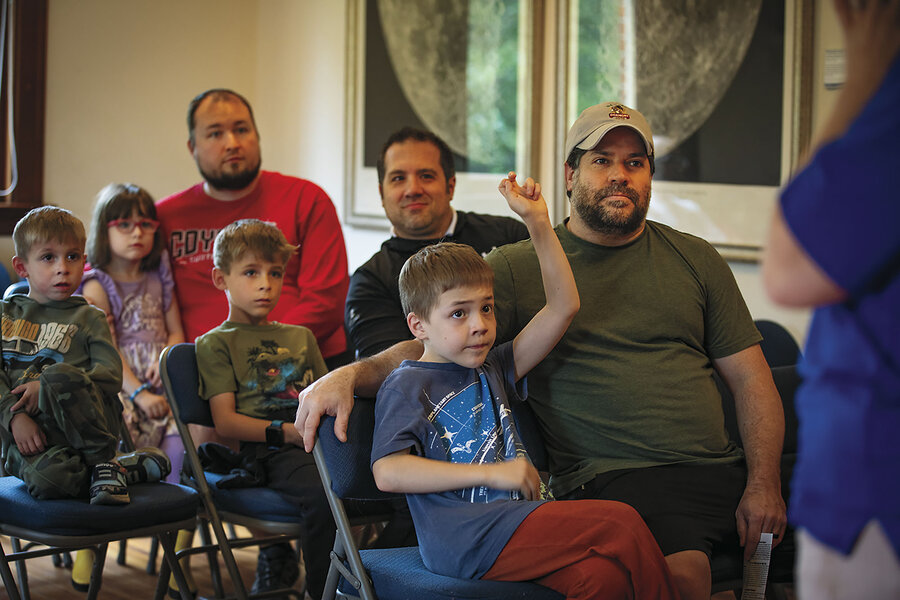
Melanie Stetson Freeman/Staff
STAR PUPIL: William Messer, with his dad, Mike, raises his hand to answer a question about the moon at the observatory.
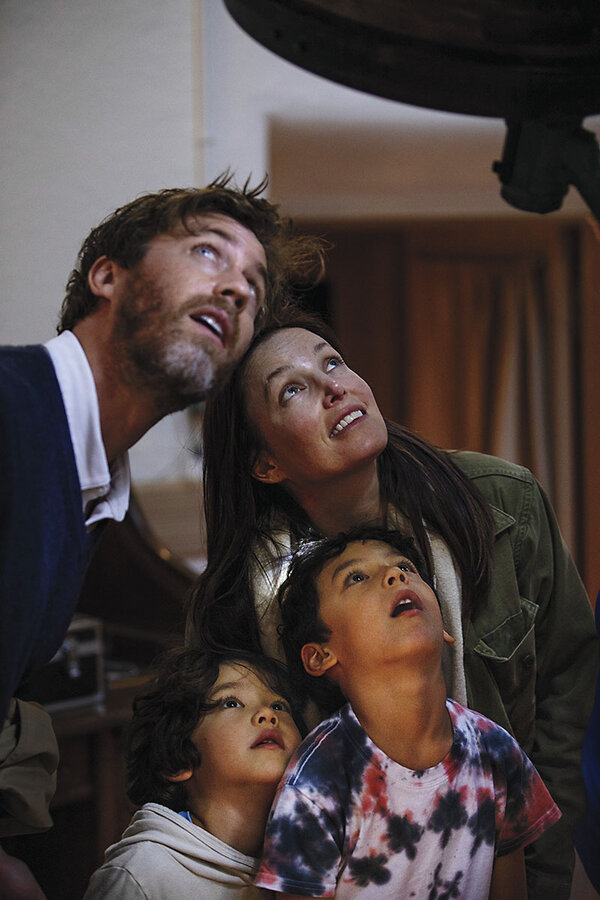
Melanie Stetson Freeman/Staff
STARRY-EYED: Jens and Megan Sutmoller and their sons Hugo (left) and Augie look into the Clark Telescope.
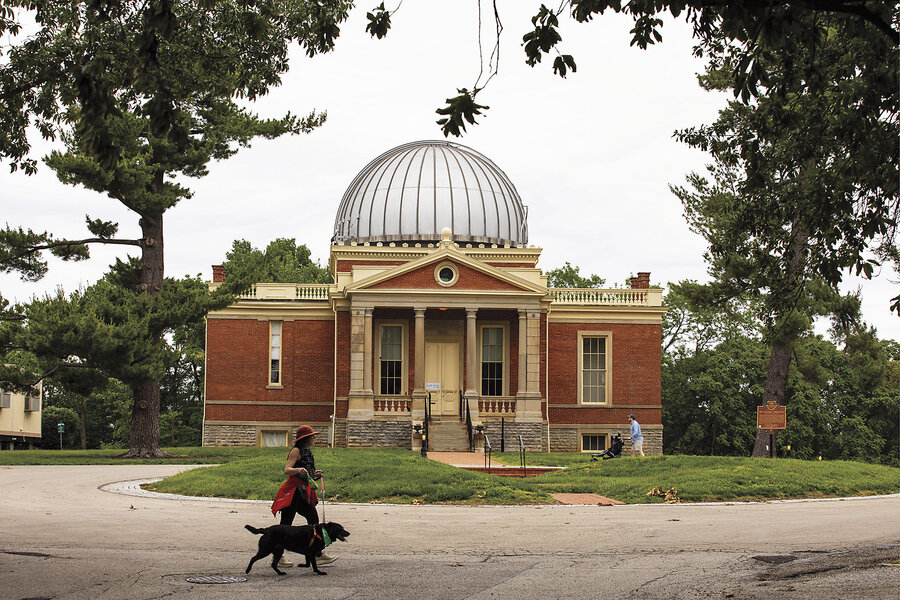
Melanie Stetson Freeman/Staff
STELLAR REPUTATION: The observatory’s domed Herget Building is a National Historic Landmark.
Melanie Stetson Freeman/Staff
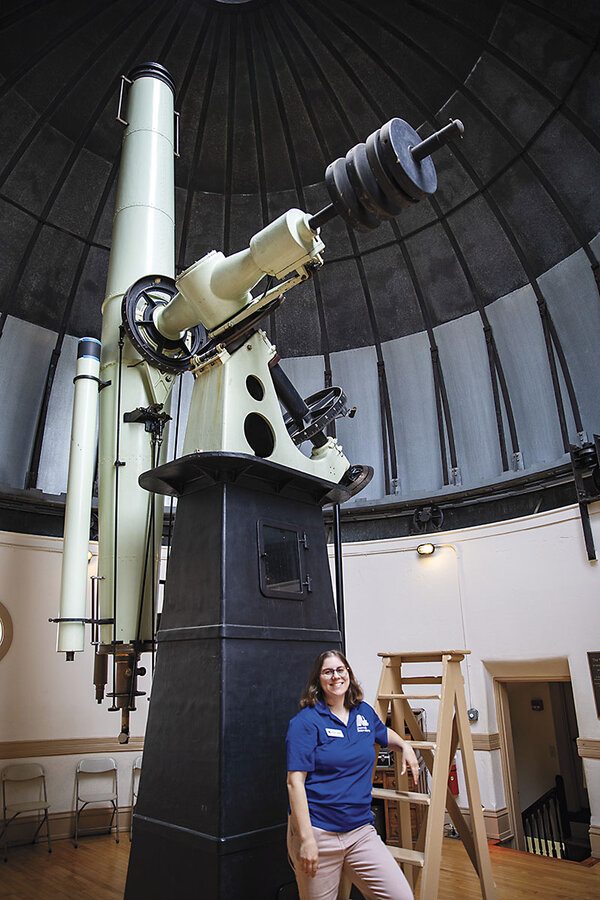
AMAZING STARGAZING: Program manager Nicole Capella poses by the Clark Telescope, which is used for public education and graduate research.
Melanie Stetson Freeman/Staff
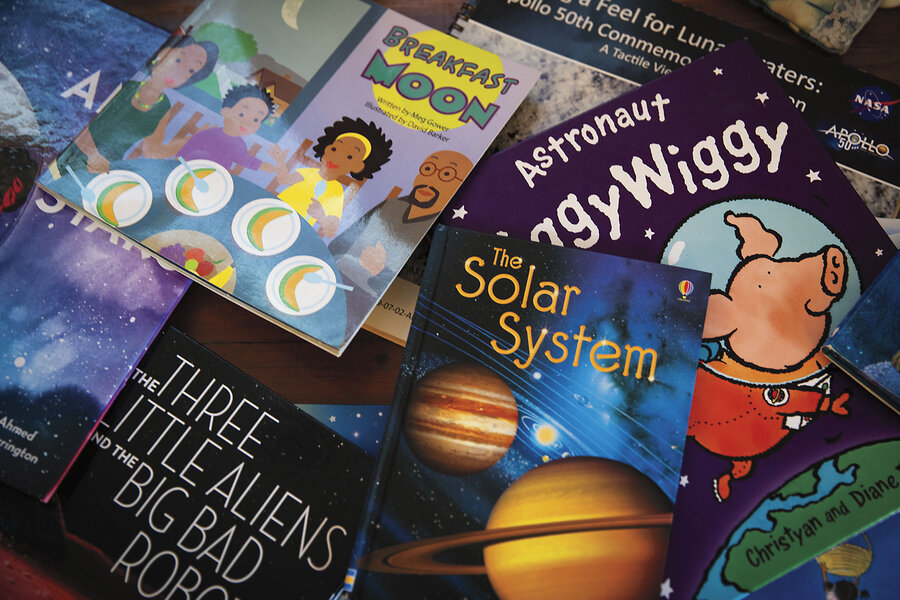
NIGHT READING: Kids’ books on the solar system are available on family night.

