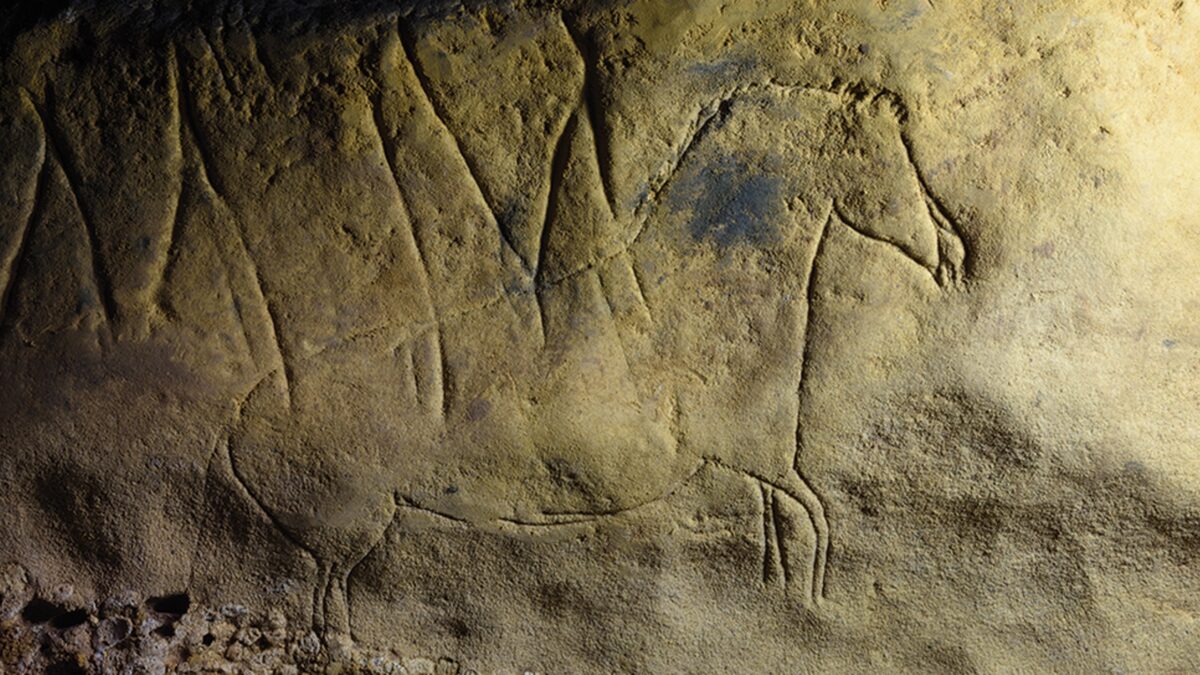
Каталонийн агуйн хананд сийлсэн дүрслэлүүд нь Газар дундын тэнгисийн Иберийн бүсийн палеолитын урлагийн томоохон цуглуулгын нэг болохыг судлаачид тогтоов.
Испанийн зүүн хойд хэсэгт орших Cova de la Font Major агуйн ханан дахь палеолитын сийлбэрүүд олон арван жилийн турш хүмүүсийн нүдэн дээр байсан ч гарал үүслийг нь 2019 он хүртэл таньж тогтоогоогүй аж. Тэр онд Catalan Institute of Human Paleoecology and Social Evolution-ийн судлаач Жозеп Мария Вергес зэрэгцээ зураас илрүүлснээр судалгааг эхлүүлжээ. Вергес болон археологич Мириам Салас-Алтес нар агуйн Гатонерес-де-Кал-Пальетес танхимд нийт 280 дүрслэл бүртгэсэн байна.
Эдгээрийн 55 нь амьтны дүрс бөгөөд адуу, буга, ямаа, үхэр, зэрлэг үхэр болон баавгайг таньжээ; зарим дүрсийг тодорхойлох боломжгүй байв. Мөн хашаа мэт эгнүүлсэн босоо зураас, олон гогцоо хэлбэртэй сийлбэр бий. Судлаачдын үзэж буйгаар тус агуй нь Газар дундын тэнгисийн Иберийн бүс дэх мөстлөгийн үеийн агуйн урлагийн мэдэгдэж буй гурав дахь том цуглуулга юм.
Сийлбэрүүд Магдалений соёлоос өмнөх үеийнх байж болзошгүй ч одоогоор насыг нь баттай тогтоогоогүй байна. Судлаачид амьтны нэг дүрсний дээр тогтсон кальцитад ураны аргаар нас тогтоохоор төлөвлөжээ. Агуйд дээд палеолитын үеийн нүүрс, чулуун ир, неолитын сүүл үеийн хүний гуяны яс олдсон бөгөөд хүрэл зэвсгийн үеийн эд өлгийн зүйлс ч бий.
Агуйн үүдийг 1957 онд цэвэрлэснээс хойш олон хүн хана мөргөж элээх, нэр огноо бичиж үлдээх зэргээр сийлбэрүүдийг гэмтээсэн тул анхны дүрслэлүүдийн зарим нь устсан байж болзошгүй гэж судлаачид үзэж байна. 1993 оноос агуйг газар доорх музей хэлбэрээр хамгаалж, сийлбэртэй хэсэгт нэвтрэхийг хязгаарлажээ. Судалгааны үр дүн Antiquity сэтгүүлд нийтлэгдсэн байна.
Дэлгэрэнгүйг эх сурвалжаас харах
↓Эх сурвалжийг нээх ↓
A trove of Paleolithic cave art has been hiding in plain sight.
People have been walking through the Cova de la Font Major, a cave system in Catalonia, northeastern Spain, very regularly in the past century.
Ever since the entrance to the cave was cleared in 1957, countless cave enthusiasts, treasure hunters looking for bronze artifacts, and more recently, tourists, have trod through its limestone caverns.
But it wasn’t until 2019 that Josep Maria Vergès, a researcher at the Catalan Institute of Human Paleoecology and Social Evolution, encountered a series of parallel lines that hinted at just how long humans have been making their subterranean marks in the cave.
Catalonia has mostly been a dead zone for rock art, next to a region that is otherwise world-renowned for its rich collections of Paleolithic relics.
The discovery at Cova de la Font Major changes that.
Vergès and his colleague, archaeologist Míriam Salas-Altès, have since documented 280 different Paleolithic motifs etched into the walls of a chamber called the Gatoneres de Cal Palletes.
Cova de la Font Major, it turns out, contains the third-largest known assemblage of ice age cave art in Mediterranean Iberia.
“For more than six decades, thousands of visitors passed directly in front of the engraved surfaces, and in some cases inscribed names and dates over them, without the Paleolithic origin of the figures being recognized,” Vergès says.
“Along the Iberian Mediterranean facade, from the Pyrenees to Gibraltar, around 75 percent of known assemblages contain no more than five zoomorphic figures, and over 90 percent contain no more than 20,” adds Salas-Altès.
“The sheer quantity of art discovered at the Cova de la Font Major is therefore particularly exceptional.”
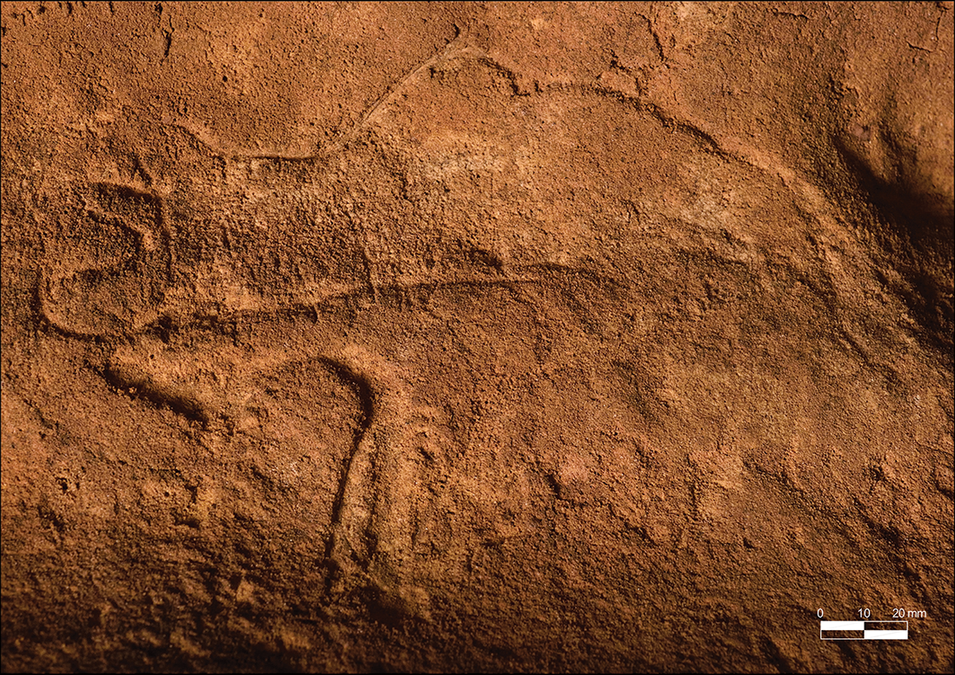
Among the 55 animal figures are horses, deer, goats, cattle, an auroch, and even a bear, though several others could not be identified.
But some of the graphics are more abstract: the fence-like rows of upright parallel lines, for instance, and an intriguing composition of intricate looped shapes that almost look like a kind of writing, though the researchers say it’s not yet clear how old these loops are.
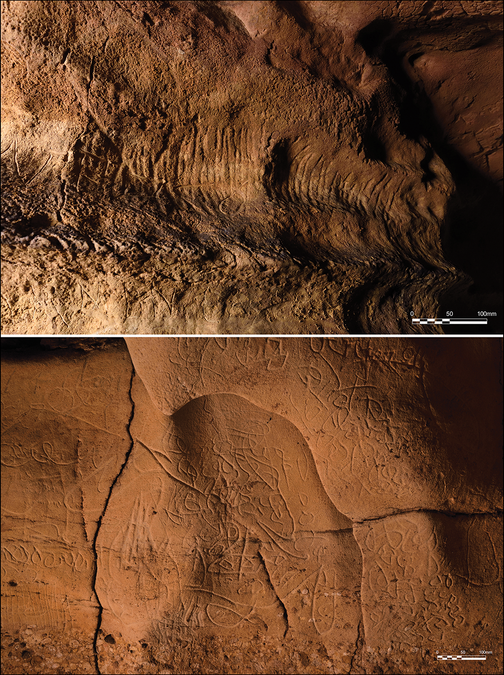
“Contrary to what was previously thought, northeastern Iberia holds first-rate Paleolithic rock art sites,” Salas-Altès says.
“The Mediterranean art of western Europe is now enriched by a new body of rock art, which allows us to characterize in greater depth a Mediterranean graphic tradition with an identity of its own, distinct from that of the Franco-Cantabrian region.”
The researchers believe the rock art could predate the Magdalenian culture, but that’s still a best guess on its age. They’re planning to undertake uranium dating using calcite deposited on one of the animal depictions.
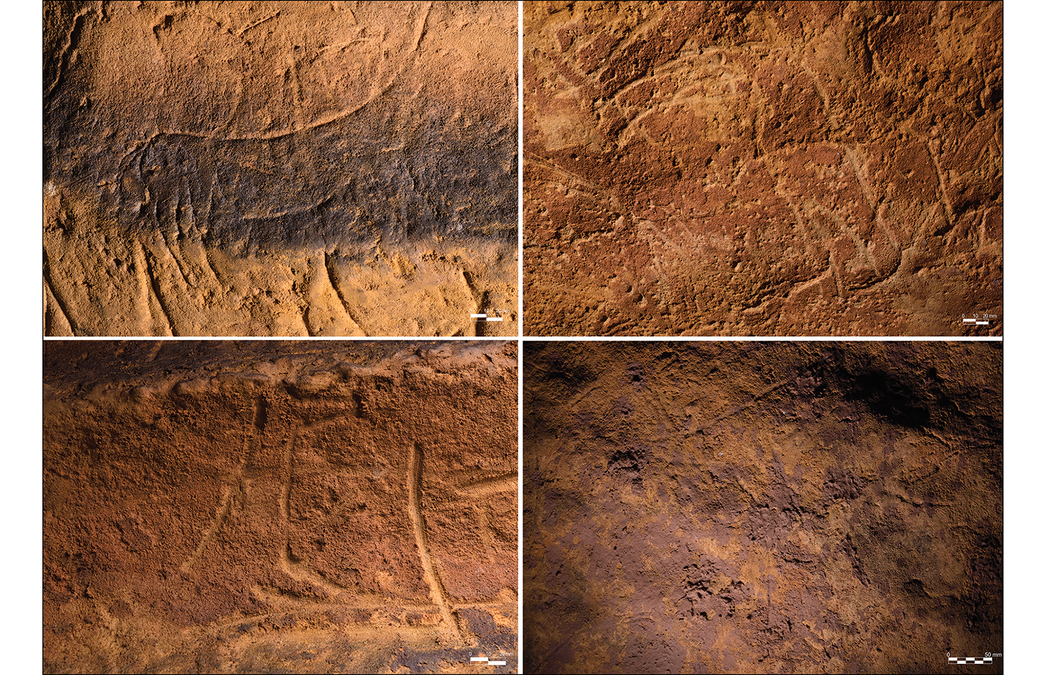
Even before the cave was rediscovered in 1853, there’s evidence humans have been in and out of the Cova de la Font Major through various periods in history.
Charcoal and a flint-backed bladelet indicate human presence in the Upper Paleolithic.
A human femur, dated to the late Neolithic, suggests one section was used for burial.
And then there was the hoard of Bronze Age artifacts sealed safely within, from the moment when a collapse closed the cave’s entrance, probably during the Roman period, until the 20th-century treasure hunters arrived.
Since 1993, the cave has been maintained as a kind of subterranean museum, restricting access to the Gatoneres.
But from 1957 onwards, modern humans had already done a fair bit of damage to the cave art.
The Gatoneres suffered significant damage in those few decades, in the form of erosion that comes from bodies brushing against the walls, and graffiti.
Vergès and Salas-Altès suspect there were once many more Paleolithic etchings that have been lost as a result.
Parts of the Cova de la Font Major remain open to the public, but the section containing the carvings is closed to protect the art from further damage.
The research has been published in Antiquity.
This article was fact-checked by Fiona MacDonald and edited by Fiona MacDonald. While we pride ourselves on our process, we are only human. If you spot a mistake, please let us know.

