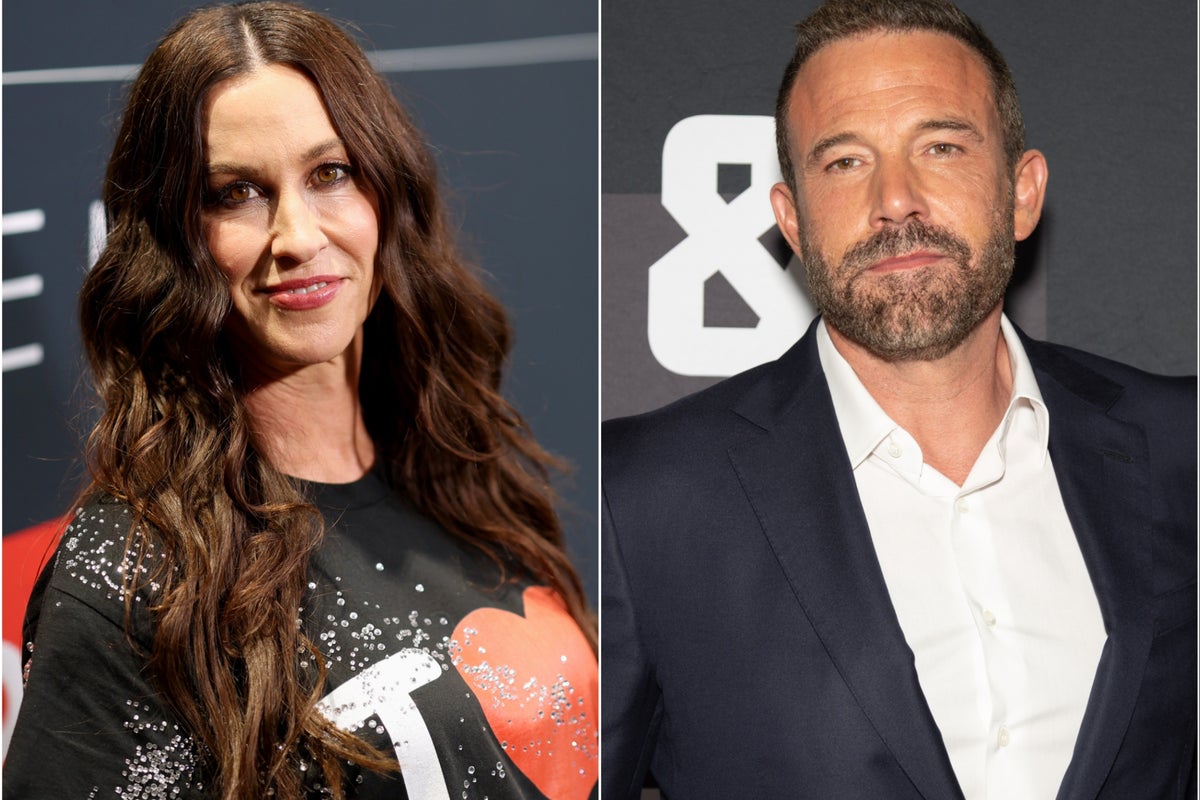
Дуучин карьерынхаа турш амссан шүүмжлэлээ ярьж, Аффлекийн түүнд тавьсан асуултыг тайзнаас дурджээ.
52 настай Аланис Мориссетт энэ долоо хоногт болсон амьд тоглолтынхоо үеэр 1999 оны Dogma кинонд хамт тоглосон Бен Аффлекийн тухай ярьжээ. Аффлек нэг удаа түүнээс бэлгийн чиг баримжаагаа яагаад ил тод ярьж эхлээгүйг асууж байсныг дурсаж, хошигнон талархал илэрхийлсэн байна. Үүний дараа Dogma-гийн Аффлекийн дүрийн толгой дэлбэрдэг хэсгийг үзүүлэхэд үзэгчид инээлджээ.
Мориссетт 1995 оны Jagged Little Pill цомгоор олны танил болсноосоо хойш дуу хөгжим, гадаад төрх, биеийн жин, үзэл бодол, үнэт зүйл, эцэг эх байх арга барил зэрэг олон зүйлээр шүүмжлүүлж ирснээ мөн ярьсан байна. Хүнд үеэр найз хайж Жонни Депптэй холбогдоход тэрээр яагаад залгаж байгааг нь асуусан гэж дурсжээ. Дуучин 1990-ээд онд өөрийн үлгэр дуурайлал гэж боддог эмэгтэйчүүдтэй харилцахад хэцүү, эмэгтэй уран бүтээлчдийн дунд өрсөлдөөн ширүүн байсан хэмээн нэмж хэлсэн байна.
Тэрээр мөн дуучин, дуу зохиогч Эллиот Смит болон реппер Тупак Шакурыг өөрт нь үргэлж сайхан ханддаг байсан уран бүтээлчид хэмээн онцолжээ. Мориссетт саяхан Handsome подкастад өөрийгөө пансексуал гэдгээ баталсан бөгөөд энэ нь хүйс, жендэрийн баримжаанаас үл хамааран хүмүүст татагдахыг хэлдэг.
Дэлгэрэнгүй эх сурвалжийг харах
Эх сурвалжийг нээх ↓
Want to bookmark your favourite articles and stories to read or reference later? Start your Independent Membership today.
Already a member?
Alanis Morissette has claimed Ben Affleck once questioned why she “didn’t lead with my sexuality”.
The 52-year-old artist appeared alongside Affleck in the 1999 fantasy comedy Dogma, and referenced him during a live show this week as she reflected on “harsh judgements” and struggles she has faced throughout her career.
In a video shared by Entertainment Weekly, she told the crowd: “I even had a guy ask me why I didn’t lead with my sexuality.
“Thank you, Ben Affleck.”
The fans could then be heard laughing as a scene from Dogma played, showing Ben’s head exploding. Morissette plays God in the film, with a voice is so powerful that it instantly kills Affleck’s fallen angel character, Bartleby.
Earlier in the segment, the “You Oughta Know” star opened up on criticism she faced after rising to fame with her 1995 album Jagged Little Pill.
“[I faced] harsh judgments about my songs, about my body, about how I look, about how I think, about how I feel, about my value system, about my weight, about how feral I am, about how feral I live, about my approach to parenting, about my approach to education, my approach to freaking anything,” she told her audience. She also spoke about facing scrutiny over “who I love”.
Elsewhere, she recalled trying to connect with Johnny Depp when she was “looking for a friend” during a tough time, but he apparently responded: “Why are you calling me?”
Morissette also spoke of having issues with women she “looked up to”, remarking: “The sisterhood I so badly needed was truly nonexistent in the Nineties. There were no girl squads then.
“The women were competitive and vicious. The scarcity message was that there was one throne, and we were all fighting for it, and whoever was in it, kill her.”

Enjoy unlimited access to 100 million ad-free songs and podcasts with Amazon Music
Sign up now for a 30-day free trial. Terms apply.
ADVERTISEMENT. If you sign up to this service we will earn commission. This revenue helps to fund journalism across The Independent.
The singer did credit singer-songwriter Elliott Smith and rapper Tupac Shakur as “outspoken brothers” who were “always very kind” to her.
Morissette recently came out as pansexual on the latest episode of the Handsome podcast hosted by comedians Tig Notaro, Mae Martin and Fortune Feimster.
As Feimster wondered whether the men who inspired her breakup songs had ever made her consider pursuing relationships with women, Morissette responded: “I’m pansexual, so, yeah.”
Surprised by the seven-time Grammy winner’s revelation, Notaro clarified: “Wait, you’re not really pansexual, are you?”
“I am,” Morissette confirmed.
Pansexuality is a sexual, romantic or emotional attraction to people regardless of their sex or gender identity.

