НАТО холбоотнуудын батлан хамгаалахын зардал, Иран болон Украины дайны асуудлаарх зөрчилтэй үед өндөр түвшний уулзалтуудаа цөөлж байна. Албанийн Ерөнхий сайд Эди Рама дээд хэмжээний уулзалт хэзээ болох талаар нэгдсэн байр суурь хараахан гараагүй, 2027 онд лав болохгүй гэж пүрэв гарагт мэдэгджээ. Харин 2028 онд уулзалт зохион байгуулагдвал Тирана хотод болно гэж тэр хэлсэн байна.
НАТО-гийн Ерөнхий нарийн бичгийн дарга Марк Рютте уулзалтын товд уян хатан хандаж, шаардлагатай үед дээд хэмжээний уулзалт хийдэг гэж Associated Press агентлагт ярьжээ. Батлан хамгаалахын сайд нарын уулзалт өнгөрсөн сард болоогүй бөгөөд 2027 оны аравдугаар сард ч товлоогүй байна. Гадаад хэргийн сайд нар ирэх онд өмнөх хоёрын оронд нэг удаа уулзахаар төлөвлөсөн нь НАТО-гийн “өөрчлөн зохион байгуулах багц”-ын нэг хэсэг аж.
Албанийг 2025 онд ирэх жилийн уулзалтыг зохион байгуулагчаар нэрлэсэн ч долоодугаар сарын дээд хэмжээний уулзалтын мэдэгдэлд тус улсын нэрийг оруулаагүй. Зарим холбоотон Албани батлан хамгаалахад хангалттай мөнгө зарцуулахгүй гэж үзэн, томоохон уулзалтыг тус улсад зохион байгуулахыг дэмжээгүй байна. Албанийн Засгийн газар энэ онд ДНБ-ийхээ 2.15 хувийг батлан хамгаалахад зарцуулах төлөвтэй бол НАТО 2035 он гэхэд үндсэн батлан хамгаалалтад ДНБ-ий 3.5 хувь, түүнтэй холбоотой дэд бүтцэд 1.5 хувийг зарцуулах зорилт тавьжээ.
Дээд хэмжээний уулзалт зохион байгуулахад их хэмжээний хөрөнгө, бэлтгэл шаарддаг бөгөөд Албанийн талаар аравдугаар сар гэхэд шийдэх хэрэгтэй байсан гэж албаныхан хэлсэн байна. Рютте 32 холбоотон болон түнш орнуудыг оролцуулсан уулзалт зохион байгуулахад зардал гардаг ч ийм уулзалт үнэ цэнтэй гэжээ. Европын бодлогын шинжилгээний төвийн ахлах судлаач Дэвид Каттлер 32 орны удирдагчийг нэг дор цуглуулах үндэслэлгүй бол уулзалт хийхгүй байж болно гэж үзсэн бөгөөд онцгой нөхцөлд НАТО виртуал уулзалт хийх боломжтойг 2022 оны хоёрдугаар сарын жишээ харуулсан байна.
Дэлгэрэнгүйг эх сурвалжаас харах
↓Эх сурвалжийг нээх ↓
Want to bookmark your favourite articles and stories to read or reference later? Start your Independent Membership today.
Already a member?
NATO is scaling back its high-level meetings and will not hold a leaders’ summit in Albania next year as previously planned amid tension within the alliance over defense spending, Iran and the war in Ukraine.
Albanian Prime Minister Edi Rama said Thursday that “there is not yet a common position on when the summit will happen, for sure not in 2027.” He said that “in 2028, if it will be a summit, it will be in Tirana,” Albania’s capital.
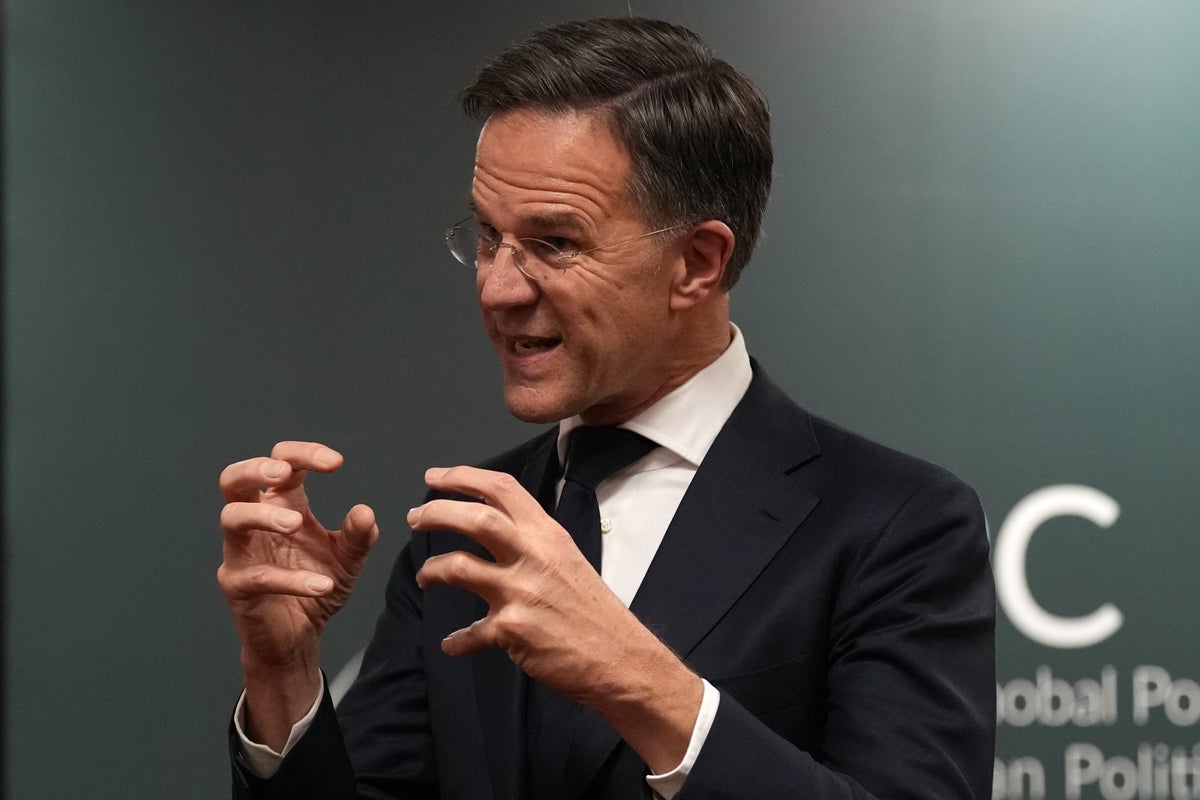
NATO Secretary-General Mark Rutte played down the issue. “We are flexible with NATO summits,” he told The Associated Press in an interview. “We have summits when we need them,” he said, and will hold the next one “when a necessity is there.”
Until about a decade ago, NATO held summits every two years.
Ministerial meetings are being cut back too
It’s not just about gatherings between U.S. President Donald Trump and his counterparts.
NATO defense ministers usually meet in October, but no talks took place last month, and none are planned for October 2027. Foreign ministers only have one scheduled meeting next year, instead of two, under what NATO describes as a “reorganization package.”
U.S. Defense Secretary Pete Hegseth and Secretary of State Marco Rubio have each skipped a NATO meeting or left before talks ended since they came to office. Hegseth has used defense ministerial gatherings to berate or cajole European allies and Canada.
Questions about Albania’s defense spending
The planned summit in Albania highlights the alliance’s challenges. Albania was appointed next year’s host in 2025, but its name was removed from a July summit declaration.
Some allies believe that Albania is not spending enough on defense and they were reluctant to reward the country with NATO’s big event. The government in Tirana is projected to spend 2.15% of its gross domestic product on defense this year.
NATO’s target is for the 32 allies to spend 3.5% of GDP on core defense by 2035, and 1.5% on defense-related infrastructure. Albania is not the worst offender among the 32 member countries. Spain, Belgium and Slovenia are faring much worse.
Summits drain resources and have political costs
But hosting a summit itself has tremendous financial and political costs. The Netherlands required a year of preparation ahead of the 2025 meeting in The Hague, and a roughly $100 million investment.
Officials said NATO would have needed to decide on Albania by October for it to have enough time to organize a summit next year.
Turkish President Recep Tayyip Erdogan, who hosted this year’s gala in his sprawling palace complex in Ankara, refurbished a military airport for leaders to arrive at, and mobilized tens of thousands of security personnel — virtually shutting down parts of the capital. Non-essential public workers were given a week off.
“There’s always a lot of security involved,” Rutte told AP. “It is a costly event to organize a meeting with 32 allies and then partner countries and the Indo-Pacific partners we have, like Japan and Korea, Australia, New Zealand.”
Asked whether it was all worth it, Rutte said: “It is.”
The challenge of keeping leaders focused
The summit in Turkey was also a political spectacle. It threatened to go off the rails even before Trump and his counterparts sat down to work.
Trump revived old talk about taking control of Greenland, a self-governing part of NATO ally Denmark, striking at the heart of the reason that the organization was formed in 1949: mutual defense.
He also demanded “loyalty,” accusing NATO of failing to back his war on Iran.
Summits are usually a sober show of resolve and unity of purpose by the member countries to dissuade any adversary that might be tempted to test NATO. European allies suspect that Russia wants to do just that.
In Ankara, Rutte led a “big reveal” defense industry splash to try to convince the American leader that allies are spending big.
Experts say a summit might not be needed
Besides the price tag, and the costs of keeping Trump on side, experts say that perhaps enough has been achieved for now. New spending goals and military capability targets have been set, and force planning was discussed in Ankara.
“There’s a strong argument to be made that if there aren’t things that merit bringing 32 leaders together, well then maybe you don’t have the meeting,” said David Cattler, Senior Fellow at the Center for European Policy Analysis think tank.
“You could go two, maybe three years,” said Cattler, a former top NATO intelligence official.
In any case, other options are available in an emergency. NATO held its first-ever virtual summit in February 2022, after Russia launched its full-scale invasion of Ukraine.

