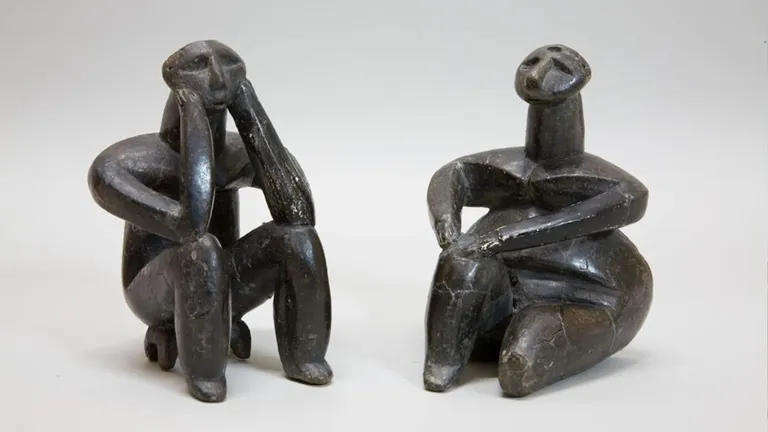
Тус улсын Чернавода хотын эртний оршуулгын газраас “Бодогч” болон “Суугаа эмэгтэй” хэмээн нэрлэгдсэн шавар баримлуудыг малтан илрүүлсэн байна.
1956 онд археологич Думитру Берчиугийн удирдсан багийнхан Румыны зүүн өмнөд хэсэгт орших Хамангиа соёлын үед хамаарах оршуулгын газраас эдгээр өвөрмөц олдворыг олжээ. Одоогоос 7000 орчим жилийн тэртээд буюу МЭӨ 5000 оны үед бүтээгдсэн гэж үздэг 11.5 см өндөр шавар баримлууд нь тус улсын соёлын өвийн чухал хэсэг юм. Одоогийн байдлаар эдгээр олдворыг Румыны Үндэсний түүхийн музейд хадгалж байна.
“Бодогч” баримал нь дөрвөн хөлтэй намхан сандал дээр суугаа байрлалтай, тохойгоо өвдөг дээрээ тавьж, гараараа толгойгоо түшсэн гүн бодолд автсан дүртэй. Харин “Суугаа эмэгтэй” нь ташаа болон цээж хэсэг нь тод, баруун хөлөө нугалж, гараа өвдөг дээрээ тавьсан байрлалтайгаар дүрслэгджээ. Эдгээр баримлыг харьцангуй бодитой бус, харин шашны эсвэл ид шидийн зориулалтаар бүтээсэн байж болзошгүй гэж судлаачид үздэг.
Зарим археологичид эдгээр баримлыг нар шүтэх зан үйлтэй холбоотой байж магадгүй хэмээн таамагладаг бол, Румыны Үндэсний түүхийн музейн судлаачид эдгээрийг эрэгтэй, эмэгтэй хүний нэгдмэл шинж чанар эсвэл гэр бүлийн нэгжийг бэлгэдсэн хос бүтээл байх магадлалтай гэж үздэг. Мөн талийгаачийг оршуулах ёслолд зориулсан гашуудлын дүрслэл байх талтай гэсэн өөр нэгэн хувилбар ч бий.
Дэлгэрэнгүйг эх сурвалжаас харах
↓Эх сурвалжийг нээх ↓
Name: Thinkers of Cernavodă
What they are: Clay figurines
Where they are from: Cernavodă, Romania
When they were made: Circa 5000 B.C.
In 1956, archaeologists unearthed two unique figurines from one grave while excavating a Stone Age cemetery in southeast Romania. The unusual figurines — known as the Thinkers of Cernavodă or the Thinker and the Seated Woman — were made by people from the Hamangia culture and may be linked to ancient astronomical beliefs.
The Thinkers of Cernavodă are in the collection of the National Museum of Romanian History and are a key part of the country’s cultural heritage. They were crafted from fired clay and measure about 4.5 inches (11.5 centimeters) tall. The two figurines may represent a man (the Thinker) and a woman (the Seated Woman), according to the museum.
The Thinker sits on a low, four-legged stool. He bends forward slightly, rounding his back and neck, and his arms are bent. He rests his elbows on his knees and his head in his hands. This pose gives him a meditative quality, according to the museum, which is why he has been named after Auguste Rodin’s famous 1904 bronze sculpture. The Seated Woman also has a long, bent neck and a small face. She has prominent hips, thighs and breasts. Her right leg is bent, and her hands rest on her knee.
The figurines are about 7,000 years old and were made by the Hamangia people, a Late Neolithic culture that stretched from the Danube River to the Black Sea. According to archaeologist Dumitru Berciu, who excavated the Cernavodă cemetery, the Hamangia culture lasted from about 5200 to 4500 B.C. The people focused primarily on sheep and goat herding, and they built defensive hilltop settlements. They also crafted spiral-decorated pottery and human-shaped figurines. But while Berciu found dozens of male and female figurines in the Cernavodă cemetery, he noted that both Thinkers were unusual for being depicted seated rather than standing.
The specific meaning of the Thinkers is unclear. Berciu suggested that the figurines were somewhat stylized, rather than realistic, because they served a magical or religious purpose. Since solar worship was common among later Bronze Age groups in Europe — as evidenced by artifacts like the Nebra sky disc from Germany and an ornate sun chariot from Denmark — Berciu interpreted the figurines as possibly connected to sun worship.
But the National Museum of Romanian History has suggested that the two figurines may have been made specifically as a pair, representing the complementary principles of masculine and feminine natures or a Neolithic family unit. Another interpretation is that the sculptures depict a pair of mourners who were buried with the deceased.
While the original meaning of the 7,000-year-old sculptures remains a mystery, people continue to be drawn to the contemplative pair, and the male Thinker figures prominently today in the logo of the National Museum of Romanian History.
For more stunning archaeological discoveries, check out our Astonishing Artifacts archives.
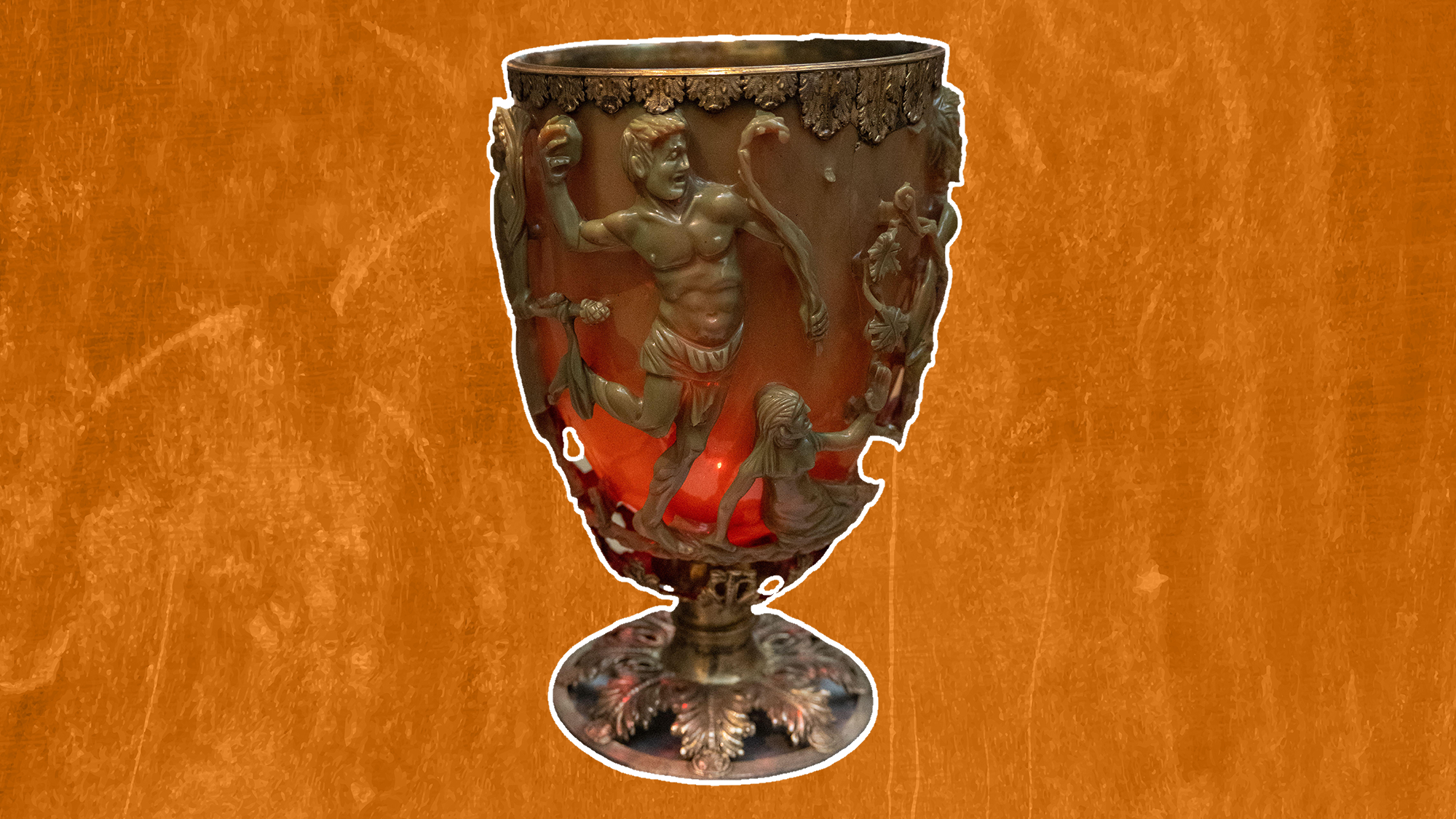
Lycurgus Cup
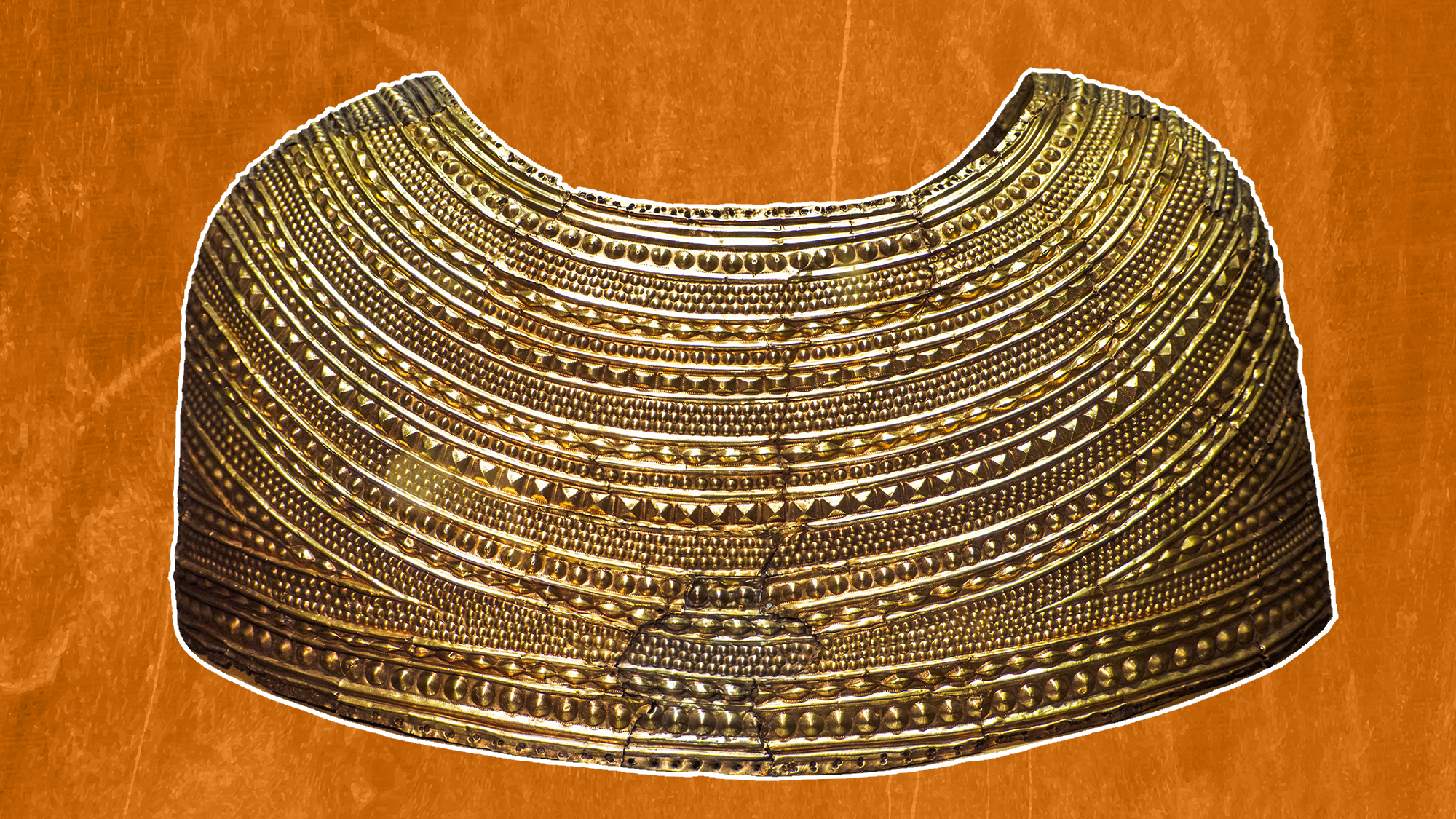
Mold Gold Cape
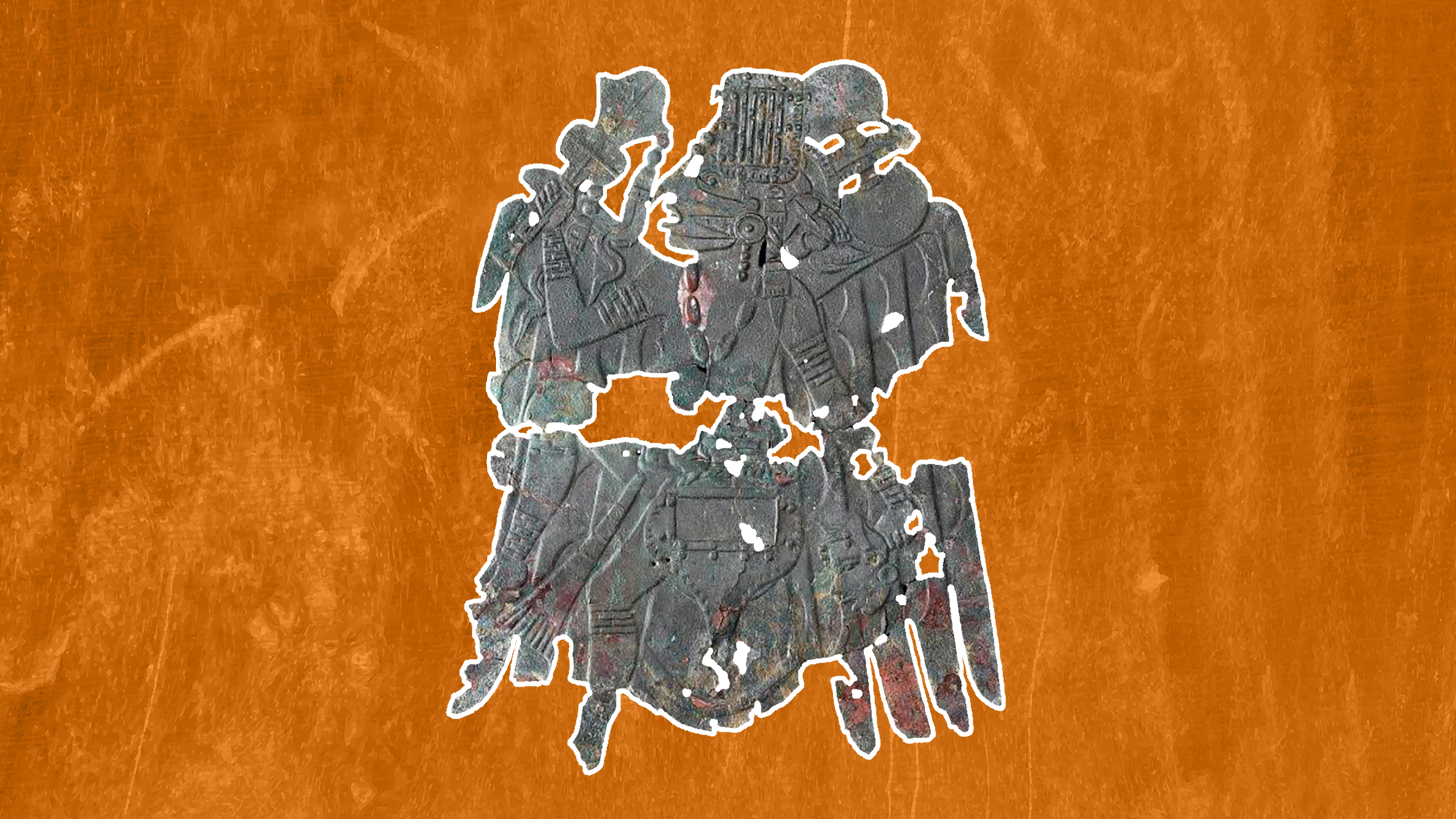
Birdman Copper Plate
Can you put together last week’s Astonishing Artifact?

