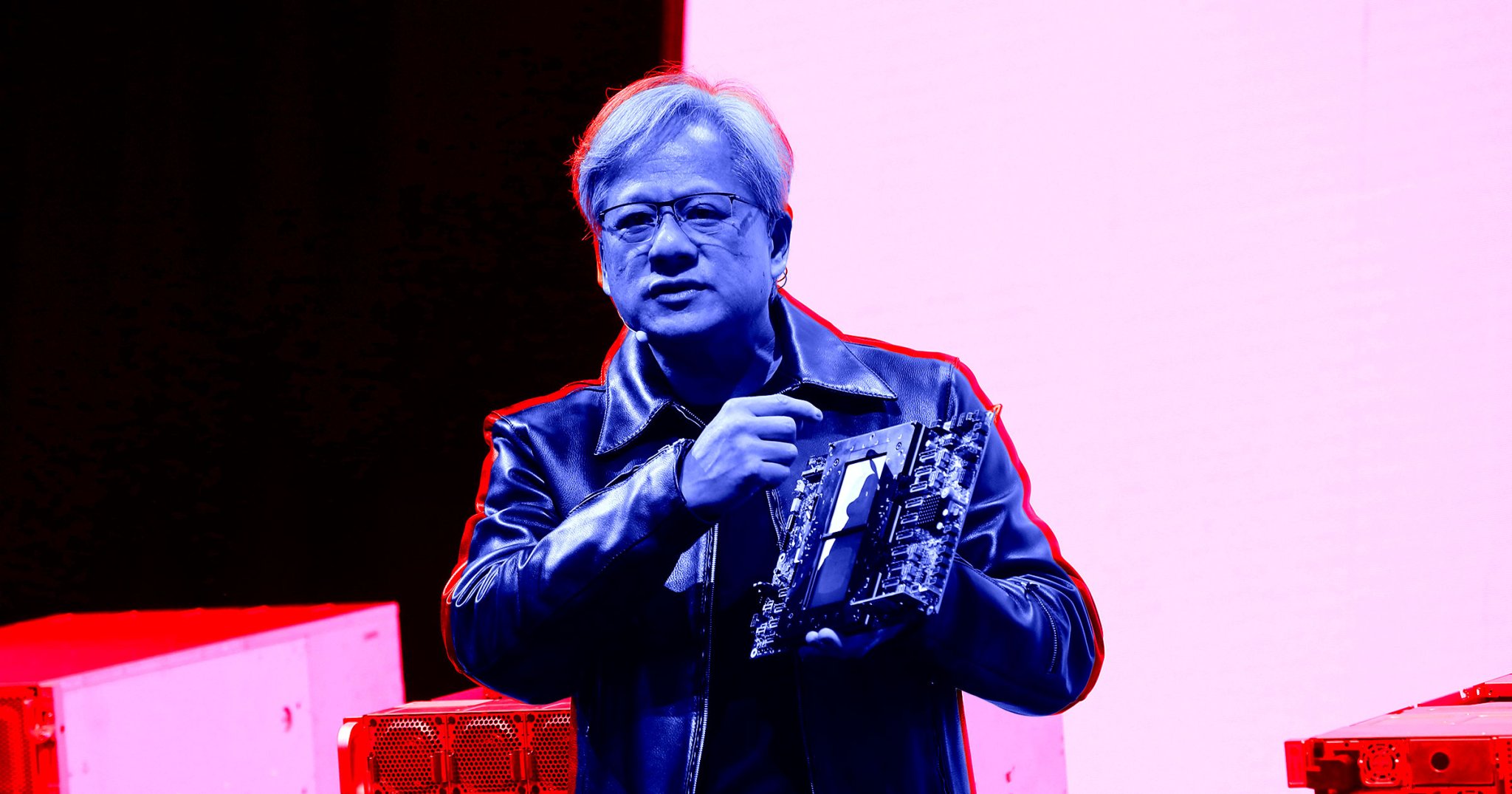
Тус компанийн гүйцэтгэх захирал асан Женсен Хуан зах зээлийн нийлүүлэлтийг хязгаарлах замаар үнийг өсгөсөн байж магадгүй гэх хардлага үүсээд байна.
Wall Street Journal-ийн мэдээлснээр, Nvidia-ийн өндөр эрэлттэй техник хангамжийн үнэ хэт өссөн нь томоохон үүлэн тооцооллын үйлчилгээ үзүүлэгчдийг өөр хувилбар хайхад хүргэжээ. Үүнтэй зэрэгцэн тус компани чип үйлдвэрлэхэд шаардлагатай эд ангиудын нөөц ихэссэн хэдий ч нийлүүлэлтийг хязгаарлаж, үнийг зориудаар өндөр байлгасан байж болзошгүй гэх таамаг дэвшүүлж байна. Энэ нь өрсөлдөгчдийг зах зээлээс шахаж, ашгаа дээд зэргээр нэмэгдүүлэх “хиймэл хомсдол” үүсгэх түгээмэл боловч хууль эрх зүйн хувьд эргэлзээтэй арга хэмжээ байж болох юм.
Шинжээчдийн үзэж байгаагаар Nvidia борлуулалтынхаа тал орчим хувийг агуулахад хадгалж, зах зээлд нийлүүлэхгүй байх замаар хомсдол үүсгэсэн байж магадгүй байна. Мөн тус компани өөрийн чипийг худалдан авдаг үйлчлүүлэгчдэд санхүүгийн дэмжлэг үзүүлэх замаар мөнгөн урсгалыг эргүүлэн өөртөө татаж, хувьцааны үнээ өсгөх “тойрог санхүүжилтийн” схем ашигласан гэх шүүмжлэл гарчээ.
Женсен Хуан хувийн амьдралтай холбоотой дуулианы улмаас албан тушаалаасаа огцорсон нь тус компанийн зах зээл дэх монополь байр суурийг ганхуулж болзошгүй байна. Ирэх оны эхээр АНУ-ын Конгресс Nvidia-ийн бизнесийн үйл ажиллагаанд хяналт шалгалт хийхээр төлөвлөж байгаа нь компанийн эргэлзээтэй үйлдлүүдийг ил болгох магадлалтай. Энэхүү өөрчлөлт нь хиймэл оюун ухааны салбарт өрсөлдөөнийг сэргээж, нийлүүлэлтийн гинжин хэлхээг төрөлжүүлэх боломж олгоно гэж салбарын шинжээчид үзэж байна.
Дэлгэрэнгүйг эх сурвалжаас харах
↓Эх сурвалжийг нээх ↓
Months before being caught for cheating on his wife with an alleged Chinese spy, Nvidia CEO Jensen Huang was faced with a crisis.
As the Wall Street Journal reported last week, the company’s extremely-in-demand hardware had become unaffordable even for major cloud providers, forcing them to look elsewhere. Meanwhile, Nvidia was about to be overwhelmed by an “avalanche” of chip wafers and memory, which are the core building blocks of its cards.
In response, Huang reportedly doubled down on financing deals with smaller cloud providers and data center developers with the hopes of capturing new loyal customers that would make a dent in its piling-up inventory.
The reporting has led to speculation that Nvidia may have artificially inflated its chip prices instead of making them more affordable as supply grew. It’s a well-known and legally dubious practice, dubbed “artificial scarcity,” in which companies use monopoly pricing structures to keep out competitors and maximize profits.
Put simply, Nvidia may have used such a scheme to create the illusion of a chip shortage that could justify sky high prices.
The news supports AI critic Ed Zitron’s claims of Nvidia keeping roughly half of its chip sales “sitting in warehouses,” representing hundreds of billions of dollars worth of hardware.
It also highlights one of the thorniest aspects of the AI industry that has economists on edge: circular financing, in which money is reinvested in such a way that it cycles back to Nvidia, which in turn sends its share price soaring.
Nvidia has long been accused of running a monopoly as hyperscalers clamor to secure its AI chips. The company has profited massively by effectively selling shovels for the AI gold rush, leaving customers with few alternatives.
However, the massive scandal surrounding Huang’s affairs and consequent resignation could challenge this status quo. Congress is already clamoring to grill the billionaire early next year, hearings that could also shed new light on Nvidia’s questionable business practices.
After Huang announced that he would be leaving the company effective immediately, shares of Nvidia’s biggest rivals soared last week, indicating investors are looking to diversify.
“This could turn what has effectively been a monopoly into a horse race again, as competitors rush to meet growing demand,” consultancy West Monroe chief AI officer Bret Greenstein told the Canadian Press. “Nvidia did not create that demand, and a shift in this part of the market could ultimately diversify the supply chain, create more choice for customers and strengthen the broader AI industry in the years ahead.”
More on Jensen Huang: Jensen Huang’s Extramarital Affairs Are Multiplying
The post Jensen Huang Was Allegedly Making Graphics Cards Hard to Obtain on Purpose to Boost Profits appeared first on Futurism.

