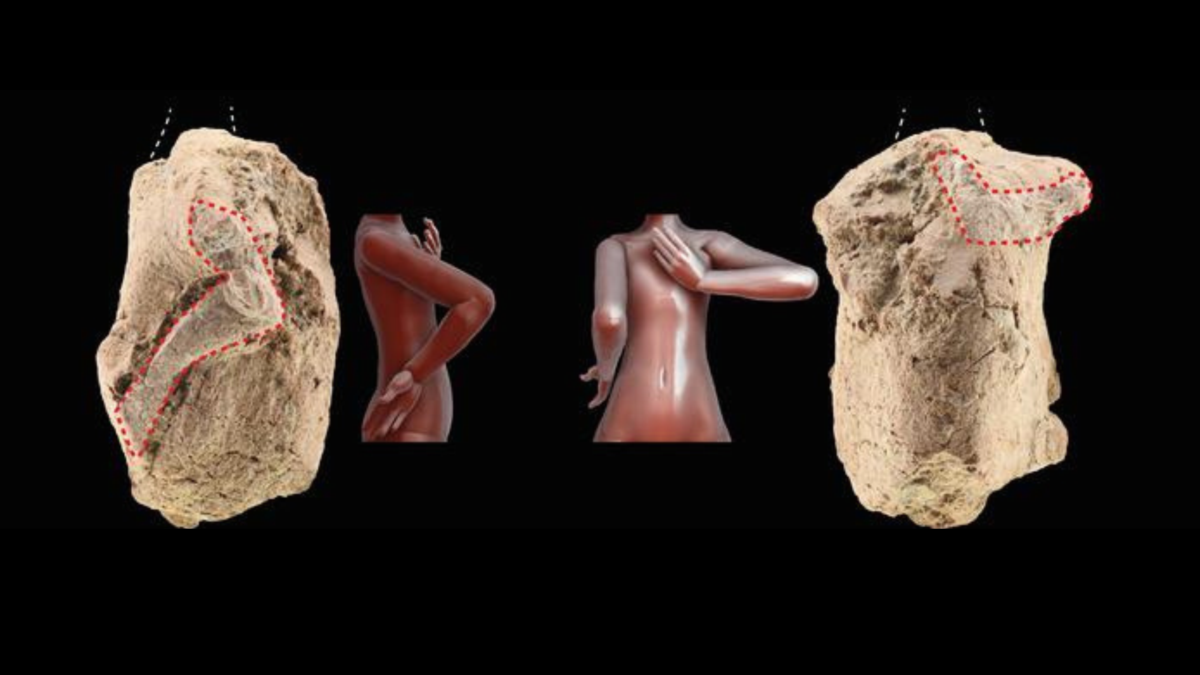
Шинэ судалгаагаар газар тариалан үүсэхээс хэдэн мянган жилийн өмнө Натуфийн соёлын хүмүүс шавраар хүн, амьтны дүрс бүтээж, урлах арга мэдлэгээ хүүхдүүдэд дамжуулж байсныг тогтоожээ.
PLOS One сэтгүүлд нийтлэгдсэн судалгаанд археологичид Өмнөд Левантын Кармел уул, Иорданы дээд хөндий, Доод Галилын гурван газраас олдсон шавар эдлэлүүдийг шинжилжээ. Эдгээр олдвор 15,000–11,650 жилийн өмнөх үед хамаарах бөгөөд Натуфийн соёлын хүмүүс газар тариалангаас өмнө суурин амьдралтай байсныг судлаачид онцолжээ.
Судалгааны баг 1950-иад оноос 2020-иод он хүртэл малтлагаар олсон, нийт 40 орчим кг жинтэй, халуунд боловсорсон шавар болон тунамал хөрсний хэдэн арван мянган жижиг хэсгийг нягтлан үзсэн байна. Ингэснээр хүн, зээр, шувууг дүрсэлсэн танигдахуйц 15 бүтээл, дүрслэл нь тодорхой бус 139 хэлтэрхий бүхий нийт 154 олдворыг тодорхойлжээ.
Танигдах 15 дүрсний 11 нь нугас зэрэг усны шувуу болон шонхор төрхтэй шувуудыг харуулдаг; заримд нь өд, үржлийн үеийн байрлал зэрэг нарийн зүйлс дүрслэгджээ. Шаврын найрлага дахь цэнгэг усны хясаа, ясны хэлтэрхий, цахиур чулуу, нүүрсний үлдэгдэл нь хүмүүс шаврыг суурингаасаа гадуур явж цуглуулсныг илтгэж болох бөгөөд судлаачдын үзэж буйгаар тэд урлахад тохирох шинж чанартай шаврыг сонгожээ.
Олдворуудын заримд илэрсэн хурууны хээ нь хүүхдүүд эдгээр зүйлсийг зүгээр барьж үзээд зогсохгүй, шаврыг хэлбэржүүлж, өнгө оруулахад оролцсоныг харуулж байна. Нэг хүний дүрстэй барималд насанд хүрсэн хүн болон хүүхдийн хурууны хээ хамт үлдсэн нь урлах мэдлэг үе дамжин хуваалцагдаж байсныг илтгэх баримт гэж судлаачид үзжээ. Судалгааны үр дүн Натуфийн хүмүүсийн дүрслэх урлагийн уламжлал газар тариалан бий болсны дараа л үүссэн гэх ойлголтыг эргэн харахад хүргэж байна.
Дэлгэрэнгүйг эх сурвалжаас харах
↓Эх сурвалжийг нээх ↓
The tortured (or at least hungry) itinerant artist is a common trope, but in some parts of the world, we humans as a whole only really kicked up our art-making abilities once we became settled.
And unlike today’s build-your-own-Bluey craft kits and the like, many ancient artistic endeavors seem to have been reserved for adults – with few but nonetheless fascinating examples of children’s creations in deep history.
Or so it generally seems, but now researchers have presented a twofer: a society that developed a clay-based figurative art form, which they directly shared with their children.
In a study published in the journal PLOS One, archaeologists and ethnologists have shifted back the “revolution of symbols,” exploring the evolution of symbolic depictions made by the Natufian culture, the first settled peoples of the Levant, circa 15,000 years ago, predating their advent of agriculture by millennia.
“These discoveries change how we understand the beginnings of artistic expression in this region,” explains Laurent Davin, a prehistory archaeologist at the Hebrew University of Jerusalem and the study’s first author.
“Thousands of years before agriculture emerged, people were already using clay to create figures, as part of their beliefs and knowledge of the natural world.”
It also appears to have been a generational bonding experience:
“What is particularly fascinating is the evidence that children were involved in making these objects, suggesting that creativity and cultural knowledge were shared across generations,” Davin adds.
The researchers identified 154 fragmented figurative clay artifacts dating from 15,000 to 11,650 years ago, unearthed from three sites in the Southern Levant, including Mount Carmel, the Upper Jordan Valley, and Lower Galilee.
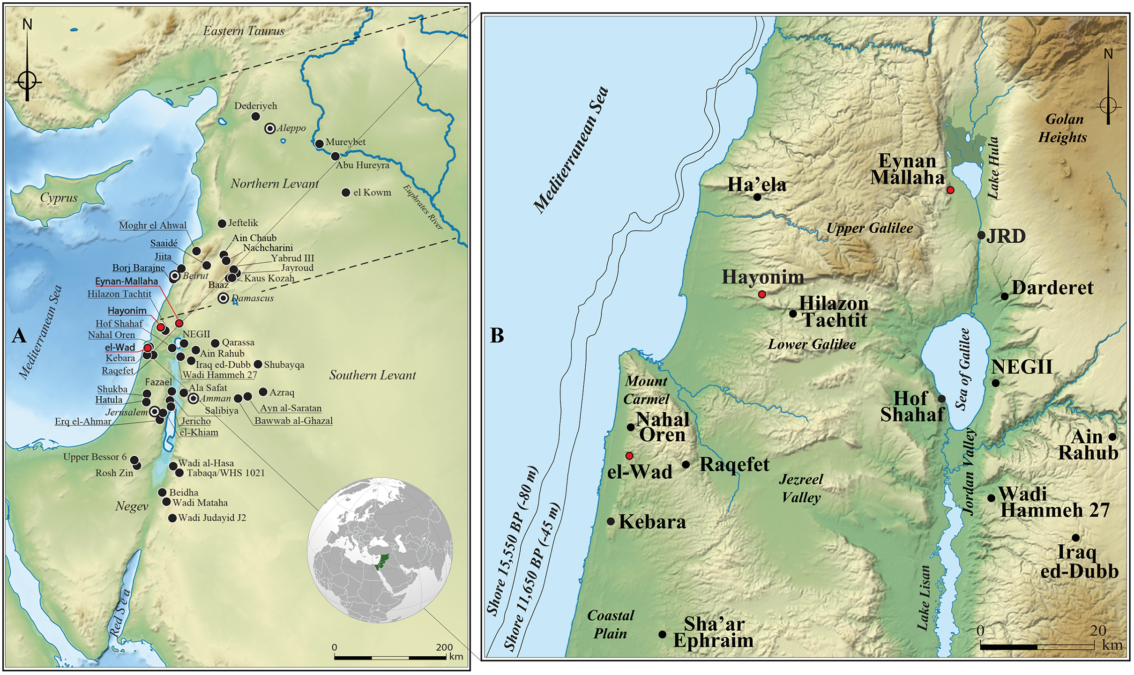
Their identification involved sorting through tens of thousands of small lumps of heated clay and sediment, many smaller than a sugar cube, totaling around 40 kilograms (nearly 90 pounds), previously excavated between the 1950s and 2020s from terraces and open-air sites.
Notably, these artifacts include 15 recognizable depictions of humans, gazelles, and birds, as well as 139 less-recognizable fragments.
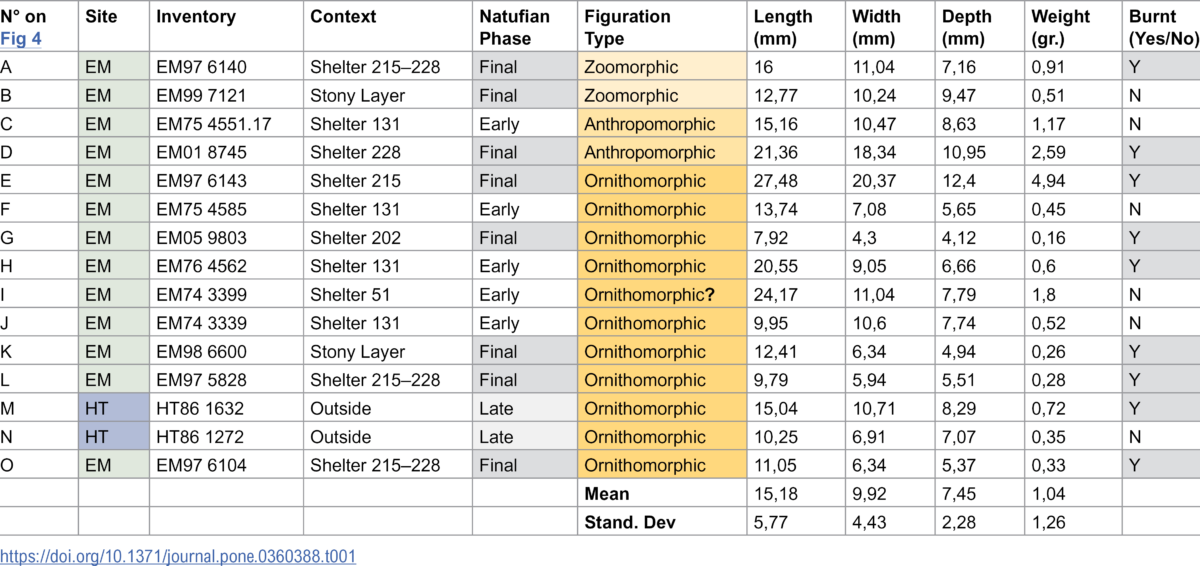
Therefore, this work overturns a couple of long-standing paradigms. First, that the Natufian peoples lacked such an artistic tradition. Secondly, that this tradition emerged alongside an agricultural economy.
The artifacts contain unintentional inclusions, such as freshwater shells, bone splinters, flint flakes, and charcoal. So the ancient artists weren’t scooping the plentiful sediment from the floors of their habitat, but traveling beyond their settlements to collect material for their burgeoning art form.
“This pattern of acquisition, shared by all three communities, suggests that the Natufians sought out clays with particular plastic qualities, grain size and possibly also colors to suit this new mode of expression,” the researchers say.
Of the 15 figurines, the majority (11) depict birds, including those that were hunted, such as ducks and other waterfowl, as well as falcon-like flyers.
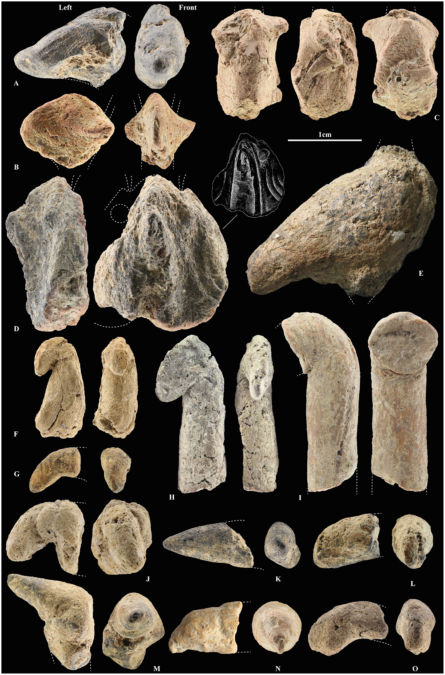
Some figurines are simple while others are more anatomically detailed, featuring feathers and seemingly posed in courtship displays, such as an end-of-winter mating practice in which male ducks spray females with water – scenes that play out poolside among humans today.
Other figures, such as those of humans, seem to have been ornamented with perishable materials, like headdresses made of grass, string, hair, or feathers.
Signs of wear and tear suggest these figurines had short lives. They were not handled daily but perhaps only on special occasions, such as in ceremonies or during specific seasons (in line with the ducks’ courtship displays), and were not passed down through generations like heirlooms.
The researchers also found fingerprints on 2 figurines, 5 cylinders, and 50 other artifacts, forming the largest such assemblage yet known from the pre-Neolithic, and revealing the caring touch of hands that have long since returned to dust.
The diversity and morphology of fingerprints suggest that, in some communities at least, all members of the society interacted with these clay depictions.
Importantly, one figurine holds the fingerprints of an adult and a child, perhaps showing a conveyance of generational knowledge, or antediluvian apprenticeship.
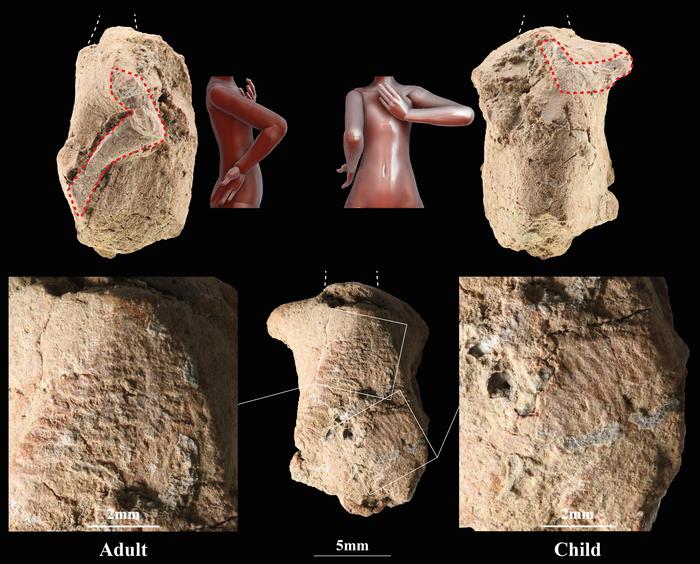
The young Natufian craftspeople seem to vary by socio-cultural factors across sites and times, but the researchers say it seems clear that children were not merely handling these objects; their fingerprints show that they were shaping and coloring them.
Overall, this work reinforces that artistic enterprises take their own timeline, are inspired by our experiences, and best shared with loved ones.
“This figurative shift in zoomorphic expression reflects developments through deep observation and accumulation of practical knowledge, possibly stored and transmitted in ritualized performance,” the researchers conclude.
The research has been published in PLoS One.
This article was fact-checked by Fiona MacDonald and edited by Fiona MacDonald. While we pride ourselves on our process, we are only human. If you spot a mistake, please let us know.

