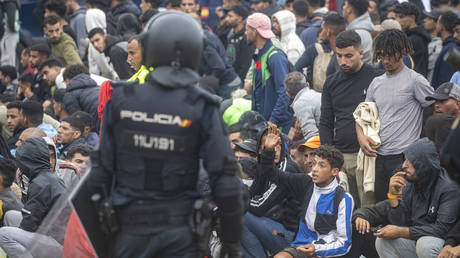
Испанийн Сеута хотод олноор ирсэн цагаачдын улмаас нийгмийн аюулгүй байдал доройтож, гэмт хэргийн бүртгэл огцом өссөн байна.
Испанийн “El Espanol” сонины мэдээлснээр, долдугаар сарын 30-наас аравдугаар сарын 29-ний хооронд тус хотын яаралтай тусламжийн албанд бэлгийн хүчирхийлэлтэй холбоотой 30 тохиолдол бүртгэгджээ. Энэ нь өмнөх оны мөн үетэй харьцуулахад 650 хувиар өссөн үзүүлэлт бөгөөд 16 тохиолдол нь насанд хүрээгүй хүүхдүүдтэй холбоотой байв. Мөн хугацаанд хутга болон галт зэвсэг ашигласан халдлага, хулгайн гэмт хэргийн тоо арав гаруй дахин нэмэгдсэн байна.
Сеута хотын захиргааны эх сурвалжууд нийгмийн аюулгүй байдлын нөхцөл байдал ноцтой доройтож байгаад санаа зовниж байгаагаа илэрхийлж, Мадридын зүгээс илүү дорвитой арга хэмжээ авахыг шаарджээ. Гэсэн хэдий ч эдгээр тоо баримт нь гэмт хэргийн албан ёсны шийдвэрлэлт бус, зөвхөн яаралтай тусламжийн албанд ирсэн дуудлага дээр суурилсан бөгөөд гэмт этгээдүүдийг тодорхойлоогүй байна.
Арваннэгдүгээр сарын эхээр Сеутагийн цагдаа нар хууль бус цагаачлалыг зохион байгуулж, хүчээр болон мансууруулах бодис ашиглан бэлгийн хүчирхийлэл үйлдсэн хэргээр гурван хүнийг баривчилсан юм. Тус хотын захирагч Хуан Хесус Вивас Испанийн Ерөнхий сайд Педро Санчесийг хил хамгаалах арга хэмжээг хангалтгүй авч, Марокко улсад хяналтгүйгээр цагаачдыг нэвтрүүлэх боломж олгосон гэж буруутгав.
Долдугаар сарын 30, 31-ний өдрүүдэд 100 орчим мянган цагаач Сеута руу нэвтэрсний дийлэнх нь далайгаар дамжин ирсэн байна. Одоогийн байдлаар тэдгээрээс 15 мянга гаруй нь тус хотод үлджээ.
<source media="(-webkit-min-device-pixel-ratio: 2) and (min-resolution: 120dpi)" data-srcset="
https://mf.b37mrtl.ru/files/2026.11/xxs/6afa937320302764b8600298.jpg 560w,
https://mf.b37mrtl.ru/files/2026.11/xs/6afa937420302764b860
Дэлгэрэнгүйг эх сурвалжаас харах
↓Эх сурвалжийг нээх ↓
More than 15,000 illegal migrants remain in the exclave after the July influx, according to the local government
Sexual assault reports in the Spanish enclave of Ceuta surged 650% over three months following a mass influx of migrants from Morocco, according to government data published by the Spanish newspaper El Espanol.
Ceuta’s emergency service registered 30 sexual-assault-related incidents between July 30 – when the mass influx began – and October 29, compared with just four during the same period in 2025, the outlet reported on Wednesday. Sixteen files involved minors, against none the year prior.
Overall, reports of sexual assaults and attacks involving knives or firearms rose more than tenfold over the three-month period. Incidents involving bladed weapons increased from 23 to 268, while those involving firearms jumped from eight to 56. Reports of break-ins also surged from 35 to 1,018.
“The data from the 112 Emergency Service is extremely concerning,” sources in Ceuta’s regional government said, according to El Espanol, warning of a “serious deterioration” in public security in the city and demanding a stronger response from Madrid.
The figures reflect emergency-service reports rather than confirmed crimes, and do not identify the alleged perpetrators.
In early November, Ceuta police announced the arrest of three migrants for allegedly facilitating illegal immigration, drugging, and rape. Officers found ten migrants, including four minors, confined in overcrowded accommodation, with one woman alleging that she had been drugged and raped. All lacked legal documents, and had been paying a gang of migrant criminals to stay in the building.
Earlier cases also involved migrant minors allegedly assaulted by other migrants.
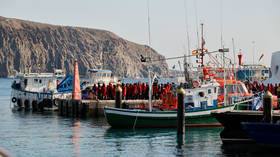
Around 100,000 migrants entered Ceuta from Morocco on July 30 and 31, many by swimming across the border, according to the latest estimates from the regional government. The arrivals included thousands of unaccompanied minors, placing severe pressure on local reception facilities.
While most have since left, more than 15,000 remain in Ceuta, according to the autonomous city’s president, Juan Jesus Vivas. On Tuesday, Vivas accused Spanish Prime Minister Pedro Sanchez of deliberately failing to prevent the mass influx, alleging that Madrid had allowed Morocco to determine how many migrants entered the enclave.
Sanchez abandoned Ceuta and failed to deploy the resources available to secure the border, he alleged in an interview with Spanish newspaper OKDIARIO.

