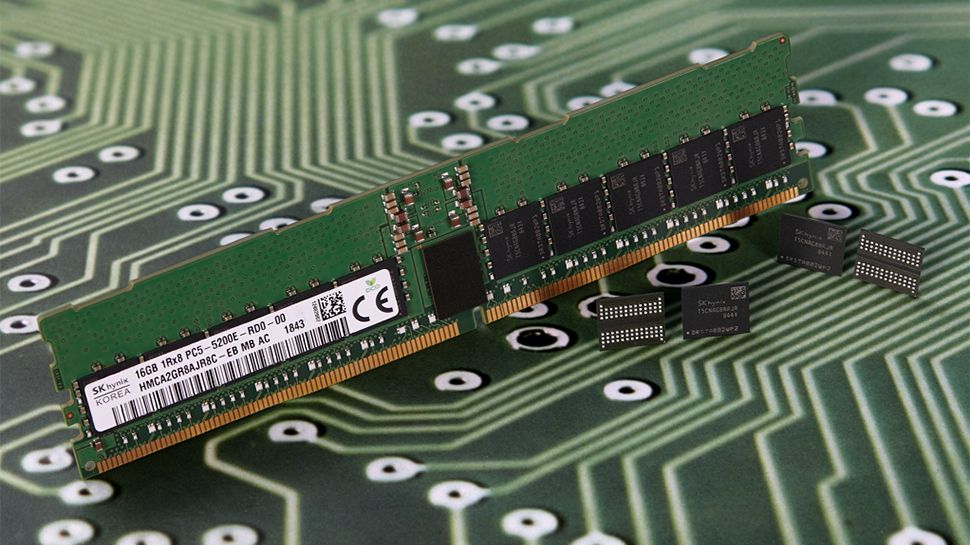
Аналитикчид хэрэглээний NAND-ийн гэрээт үнэ 2027 оны эхээр буурна гэж таамаглаж байгаа ч SSD-ийн жижиглэнгийн үнэд өөрчлөлт хожуу мэдрэгдэнэ.
2026 оны аравдугаар сарын дунд үеэс хойш NAND-ийн спот үнэ ойролцоогоор 20% буурчээ. Bank of America-гийн мэдээллээр 512Gb NAND хавтангийн үнэ долоо хоногт 12%, улиралд 32% буурч, $14.30 болсон бол 1Tb бүтээгдэхүүний үнэ 19% буурч $24.90 хүрсэн байна. Тус банк 2027 оны нэгдүгээр улиралд компьютер, утасны ерөнхий зориулалтын NAND-ийн гэрээт үнэ 5–10% буурна гэж үзэж байгаа бол TrendForce нийт NAND-ийн үнийг 0–5% буурна хэмээн таамаглажээ.
TrendForce-ийн тооцоогоор NAND-ийн битийн нийлүүлэлт 2027 онд 25–30% өсөх төлөвтэй бөгөөд салбарын хөрөнгө оруулалт 26.7% нэмэгдэж, $29.9 тэрбумд хүрнэ. Харин Хятадын үүлэн үйлчилгээ үзүүлэгчид GPU-ийн хомсдол, их нөөц болон хиймэл оюуны токены үнийн өрсөлдөөнийг шалтгаалан 2027 оны байгууллагын SSD захиалгаа танасан; хэрэглэгчийн компьютерийн борлуулалт буурч, утас болон компьютер үйлдвэрлэгчид хадгалах багтаамжийг багасгаж байна. Гэсэн ч хиймэл оюуны дата төвийн байгууллагын NAND-ийн эрэлт өндөр хэвээр бөгөөд спот үнийн бууралт гэрээт болон жижиглэнгийн үнэд хэдэн долоо хоног, сараар хожуу тусаж болзошгүй.
DRAM-ийн хувьд үнийн бууралт хараахан ажиглагдахгүй байна. 2026 оны арваннэгдүгээр сарын 17-ны долоо хоногт DDR4-ийн спот үнэ 1.43% буурч $44.25 болсон ч DDR5-ийн үнэ тогтвортой байв; гэрээт үнэ 2026 оны дөрөвдүгээр улиралд 8%, 2027 оны нэгдүгээр улиралд дахин 5% өснө гэсэн таамаг хэвээр байна. TrendForce-ийн мэдээлснээр өндөр зурвасын өргөнтэй HBM нь энгийн DRAM-аас гурав, дөрөв дахин их хавтангийн нөөц ашигладаг тул DRAM-ийн үнэ 2027 онд буурахгүй бөгөөд шинэ үйлдвэрлэлийн хүчин чадал 2027 оны сүүлээс нэмэгдэж эхэлнэ.
Иймээс NAND-ийн үнийн бууралт SSD-ийн дэлгүүрийн үнэд шууд нөлөөлөхгүй, ялангуяа борлуулагчид өндөр үнээр авсан нөөцөө борлуулж дуусах хүртэл хугацаа шаардагдана. Харин NAND-ийн эрэлт, нийлүүлэлтийн төлөв өөрчлөгдөж болох бөгөөд байгууллагын SSD-ийн үнэд АНУ-ын хиймэл оюуны салбарын эрэлт нөлөөлсөөр байна.
Дэлгэрэнгүйг эх сурвалжаас харах
↓Эх сурвалжийг нээх ↓
- NAND spot prices have fallen about 20% since mid-to-late October 2026, with 512Gb wafers down 32% on the quarter to $14.30
- BofA sees PC and phone NAND contract prices falling 5% to 10% in Q1 2027; TrendForce sees overall NAND down 0% to 5%
- Retail SSD relief will lag by months, and finished devices could still get pricier as cheap memory stockpiles run out
After more than a year in which practically every memory headline has pointed upward, the flash market has finally blinked.
New reports have claimed NAND spot prices have slid roughly 20% in a matter of weeks as Chinese traders rush to clear inventory, with analysts now penciling in contract price cuts for early 2027.
Not long ago, the conversation was about shortages lasting several more years, but there is a catch attached to the good news: NAND is turning, but DRAM, which is also a key component for SSDs, is only wobbling at best for now
Flash: The first to crack?
The sharpest numbers come from a Bank of America note reported by the Seoul Economic Daily which puts the spot price of a 512Gb NAND wafer at $14.30, down 12% in a week and 32% in the previous quarter, while 1Tb parts have dropped 19% to $24.90.
The bank says spot NAND has corrected by around 20% since mid-to-late October 2026, and it now expects general-purpose NAND, the kind found in consumer SSDs, laptops and phones, to fall a further 5% to 10% on contract in the first quarter of 2027.
TrendForce has arrived at much the same place, forecasting overall NAND contract prices to slip 0% to 5% quarter over quarter in Q1 2027, with every product category entering a downward cycle from Q2 and “quarterly price drops potentially widening as the year progresses.” It has also cut its forecast for this quarter’s contract increase to 8% to 13%, down from the 15% to 20% it projected at the end of September. Contract prices, in other words, are still rising today. The decline is a 2027 story.
Supply and demand are moving against sellers at the same time: TrendForce expects NAND bit supply to grow 25% to 30% in 2027, backed by industry capital spending of $29.9 billion, up 26.7%, as QLC adoption and higher layer counts squeeze more bits out of every wafer.
On the demand side, Chinese cloud providers have cut their 2027 enterprise SSD orders by more than US hyperscalers have added, citing GPU shortages, elevated inventory, and fierce competition on AI token pricing.
Consumers have played their part too, mostly by not buying: PC sales have been falling off a cliff in 2026, and phone and laptop makers trying to contain costs have been trimming storage specs, which shrinks NAND demand even when unit sales hold up.
One could say that the market structure explains why NAND was the first to crack: NAND has six major suppliers, against the three that control most of the DRAM market, and roughly 20% to 30% of global NAND capacity sits on older lines that are poorly suited to enterprise products and keep churning out commodity flash regardless.
One industry official told the Seoul Economic Daily that the weakness “is being led by some commodity NAND used in smartphones and PCs,” while demand for enterprise NAND in AI data centers “remains strong.”
The move might not be properly visible in retail channels yet, and with good reason: Spot prices are the fast-moving fringe of the market, and they cover only a small slice of NAND volume. Most flash is sold on contract, and contract prices trail spot by weeks or months, and retail trails further still, especially while distributors work through stock bought near the peak.
No DRAM relief yet
If NAND is the good news, DRAM is the reason to keep the celebrations short. In TrendForce’s week to November 17 2026, the mainstream DDR4 chip slipped 1.43% to $44.25 on the spot market, while branded DDR5 was “mostly stable.” Even that small dip flatters the picture: DDR4 spot had been trading above suppliers’ official quotes earlier in the month, so part of the drift is spot pricing settling back toward contract levels rather than a market in retreat.
On contract, DRAM is still climbing. Bank of America has kept its forecast of an 8% rise in Q4 2026 and another 5% in Q1 2027. TrendForce’s latest DRAM bulletin says contract prices will keep rising, albeit with gains that shrink each quarter, while mobile DRAM negotiations have stalled as brands sit on their hands. Slower increases are the closest thing to relief on offer.
The reason, once again, is AI: “HBM consumes three to four times more wafer resources than standard commodity DRAM,” TrendForce researcher Ellie Wang said at the firm’s Seoul roadshow on November 18. “That is another reason we do not expect DRAM prices to turn lower in 2027,” Wang said, adding that new capacity will only begin entering the market from late 2027, with Samsung’s Pyeongtaek P5 and SK hynix’s Yongin cluster coming online between 2028 and 2030.
The rest of the industry is still talking like it’s a seller’s market. Micron CEO Sanjay Mehrotra recently said that “75% of our 2027 [supply] is sold out,” SK hynix has warned that the shortage could persist through 2030, and Intel’s chief has reportedly said we have another two to three years of this. Apple CEO John Ternus, meanwhile, described current memory pricing as “unprecedented”. DRAM revenue rose 369% year over year in Q3, while bit shipments rose only around 4% in the quarter, suggesting the market is pricing scarcity, not volume.
For NAND, however, TrendForce lists several factors that could change the picture: how quickly Chinese cloud providers burn through their inventory, any shift in restrictions on overseas GPU procurement, and whether device makers keep shipping lower-storage specs into 2028. It also flags US policy after the midterm elections, particularly for AI data center projects planned for 2028 that are still in planning or permitting, since approvals there would drive advance buying in the second half of 2027.
Sellers have levers of their own. Some suppliers may slow expansion in response to weak consumer demand, according to TrendForce, and any cut to consumer flash wafer starts, or a wave of restocking by phone makers keen to buy low, could turn this dip into a brief one. Higher-end storage often incorporates DRAM, especially in enterprise-grade products, and it continues to command an increasing share of the total cost of storage currently being procured by hyperscalers.
Despite this, this is, without much doubt, the most encouraging memory and storage news in a long while, and it comes from more than one direction. A bank, a research firm, and the spot market itself all point the same way for NAND. If you are planning a storage upgrade and can afford to wait, patience into 2027 looks more likely to be rewarded than punished.
But the memory crisis has split in two rather than ended. Enterprise SSD pricing is still being propped up by US AI demand, and consumer flash is getting cheaper largely because Chinese cloud firms and shoppers have stopped buying, not because supply has caught up with the AI boom. DRAM has no equivalent pressure valve while HBM keeps swallowing wafers, so the best RAM buyers can hope for in 2027 is smaller increases. Anyone who cannot wait is still better off hunting for discounts, and Black Friday remains your best shot at that.

