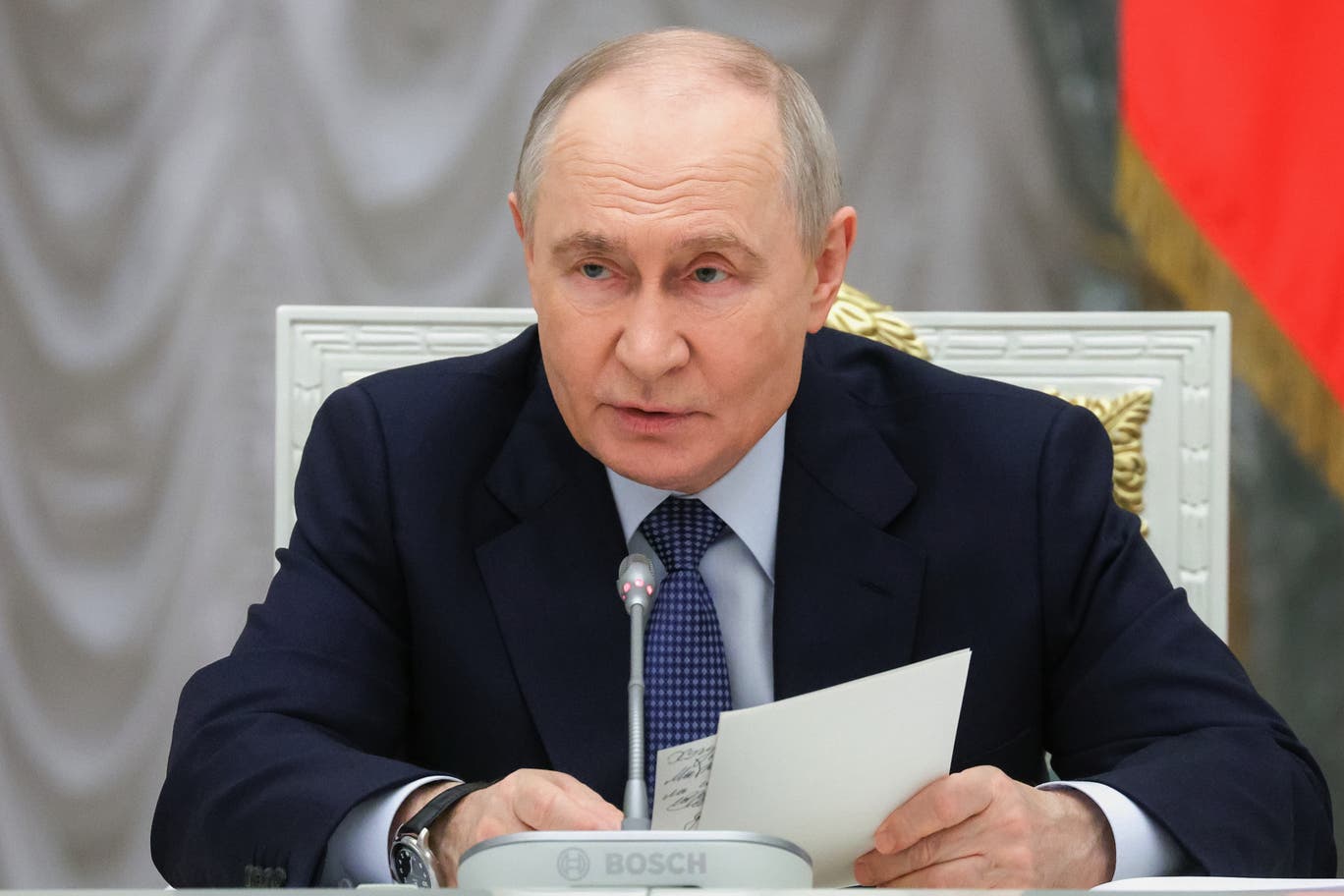
Төрийн дум 2027-2029 оны төсвийг баталж, батлан хамгаалахын зардлыг 2027 онд эрс нэмэгдүүлэхээр тусгалаа.
ОХУ-ын парламентын доод танхим болох Төрийн дум мягмар гарагт төсвийн төслийг 396 гишүүний дэмжлэгээр баталж, 37 гишүүн түдгэлзжээ. Одоо төслийг Холбооны зөвлөлөөр хэлэлцүүлэхээр шилжүүлнэ. Төсөвт 2027 онд батлан хамгаалахад 17.15 их наяд рубль буюу 208.9 тэрбум ам.доллар зарцуулахаар тусгасан нь 2026 оны 12.93 их наяд рублиэс нэмэгдсэн дүн юм.
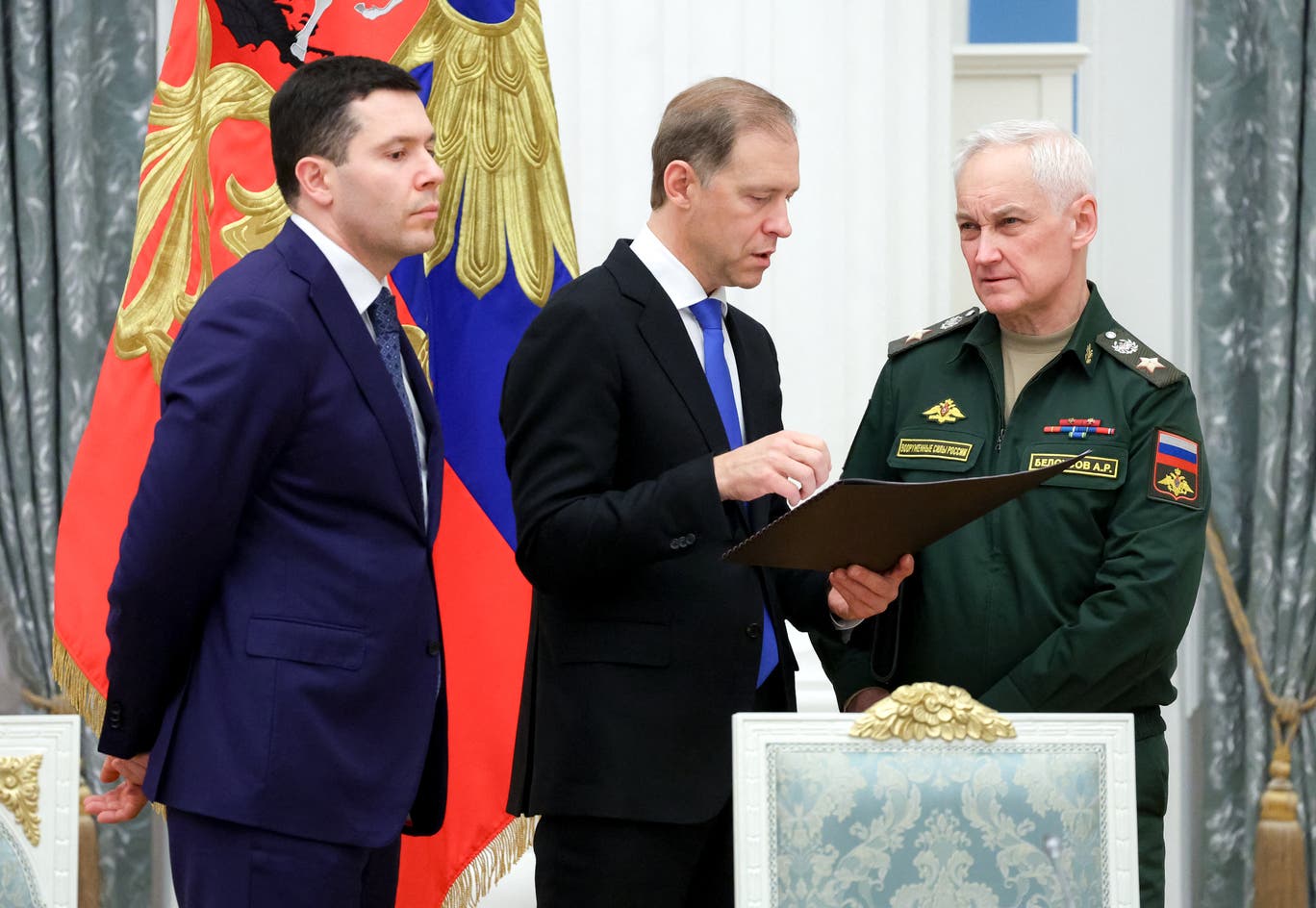
Төсөвт уул уурхайн компаниудын гэнэтийн ашгаас 20-30 хувийн татвар авах, хүү, ногдол ашиг болон үл хөдлөх хөрөнгө борлуулсны орлогод ногдуулах татварыг 13-22 хувь болгох арга хэмжээ багтжээ. Мөн нэгдүгээр сарын 1-нээс илгээмж бүрд 100 рублийн хураамж ногдуулж, 200 еврогоос бага үнэтэй гадаад барааны цахим худалдан авалтад 22 хувийн нэмэгдсэн өртгийн албан татвар авах юм. Засгийн газар цэргийн зардлын өсөлтийг нөхөхийн тулд уул уурхай болон иргэдийн хөрөнгө оруулалтын орлогоос татварын орлого нэмэгдүүлэхээр зорьж байна.

Цэргийн өндөр зардал, эдийн засгийн өсөлт саарсан зэргээс шалтгаалан төсвийн алдагдал энэ онд таамгаас давжээ. Хориг арга хэмжээ, иргэний салбарын өндөр зээлийн хүү, ажиллах хүчний хомсдол, Украины Оросын газрын тос боловсруулах үйлдвэр болон экспортын терминалуудад хийсэн цохилт эдийн засагт дарамт болж байна. Засгийн газар дотоодын эх үүсвэрээс орлого нэмэгдүүлэхээр байгаа ч зөвлөх компанийн захирал Крис Уиферийн хэлснээр төсвийн алдагдлыг нөхөх нь өрх, бизнесийн татвар болон зардлыг өсгөх өртөгтэй.
Эрх баригч Нэгдсэн Орос намын парламент дахь бүлгийн дарга Дмитрий Кобылкин уг төсвийг “ялалтын төсөв” хэмээн нэрлэж, батлан хамгаалах, ахмад дайчид болон тэдний гэр бүлд үзүүлэх тусламж, нийгмийн дэмжлэгийг санхүүжүүлнэ гэж мэдэгджээ. Төсвийн бодлого цэргийн салбарыг эдийн засгийн энгийн хөгжил, дэд бүтцээс дээгүүр тавьж байна гэж Уифер дүгнэсэн байна. Москвагийн иргэдийн зарим нь татварын өсөлт болон эдийн засгийн хүндрэлүүдийг Украин дахь дайны үр дагавартай холбон тайлбарлажээ.
Дэлгэрэнгүйг эх сурвалжаас харах
↓Эх сурвалжийг нээх ↓
Want to bookmark your favourite articles and stories to read or reference later? Start your Independent Membership today.
Already a member?
Tax rises aimed at funding Putin’s war in Ukraine have been passed by Russia‘s lower house of parliament, which also approved a state budget for 2027-2029 on Tuesday.
The new measures target mining companies and income from citizens’ investments as the government seeks to help cover rising military costs.
Deputies backed the bill by 396 votes in favor, with 37 abstentions.
It now goes to the Federation Council, Russia’s upper house of parliament, for approval.
The budget allocates approximately 17.15 trillion rubles ($208.9 billion) for national defense in 2027.
That is up from the 12.93 trillion rubles ($157.5 billion) set for 2026, and a marked increase from the 13.6 trillion rubles ($165.7 billion) forecast for 2027 expenditure in last year’s budget.
Russian President Vladimir Putin has increasingly sought to squeeze tax revenue out of businesses and consumers to support his nearly five-year war in Ukraine.
The country’s economy has increasingly skewed toward military spending at the expense of civilian needs.
Russia’s budget deficit has swelled beyond forecast this year because of heavy military spending and sluggish economic growth.
Sanctions, high interest rates for nonmilitary companies, labor shortages and Ukrainian strikes on oil refineries and export terminals have also strained the economy.
Dmitry Kobylkin, head of the parliamentary faction for the ruling United Russia party, hailed the bill as a “victory budget,” writing in a statement that it included spending on national defense and care for veterans and their families, as well as state social support.
Additional funding for veterans’ programs was added before the bill’s second reading, Russian state news agency Tass reported.
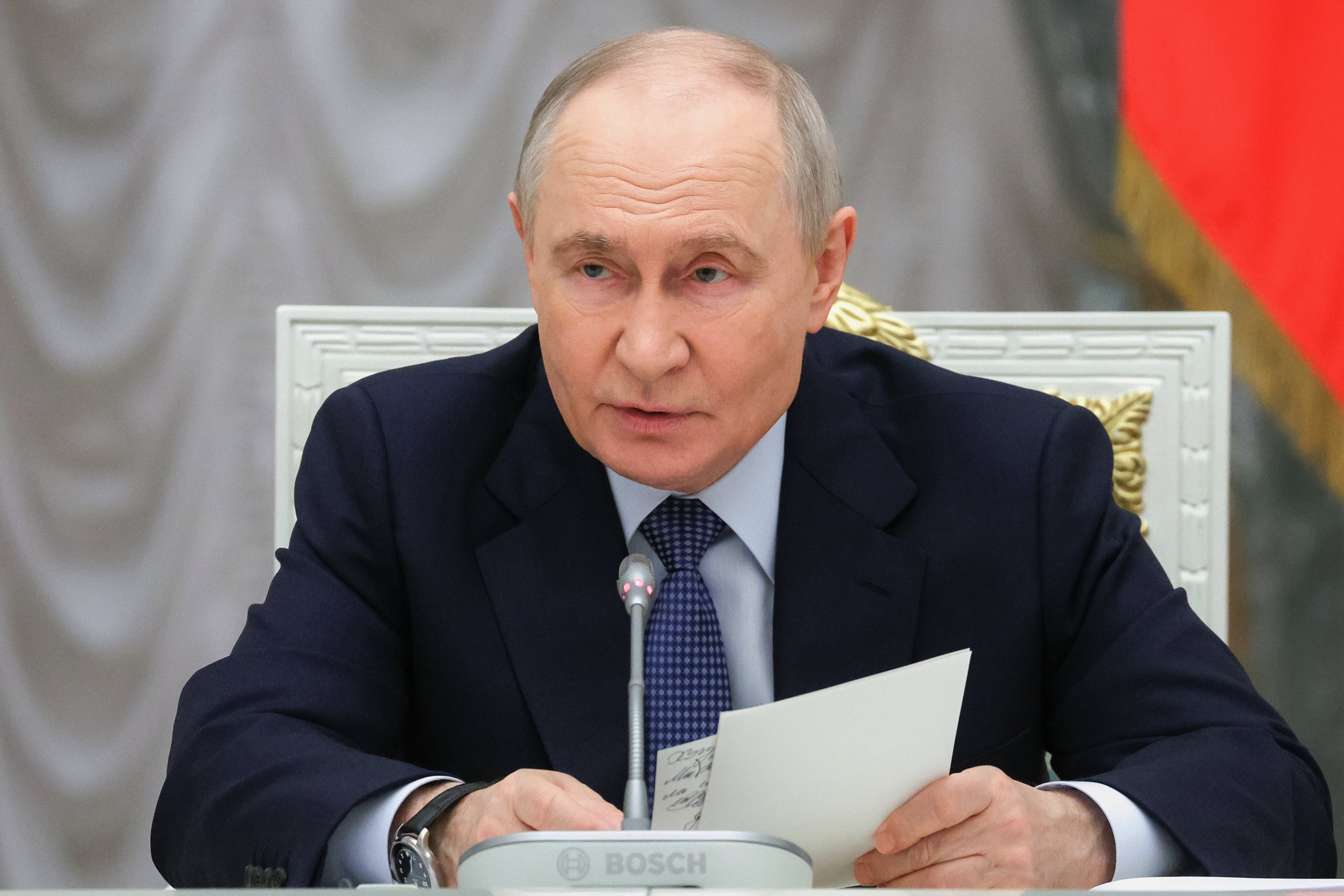
The programs include Time of Heroes, a Kremlin-backed program that seeks to prepare former soldiers for careers in government.
Russia has previously implemented broad tax increases that proved unpopular among small businesses.
The new hikes, part of the 2027-2029 budget bill, are more selective in scope.
They include a 20% to 30% windfall profits tax on mining companies that have benefited from rising prices in iron ore, nickel and gold.
Another measure imposes higher rates of 13% to 22% on income from interest, dividends and proceeds from selling property.
Such income is currently taxed at 13% for amounts under 2.4 million rubles ($29,800) and 15% above that.
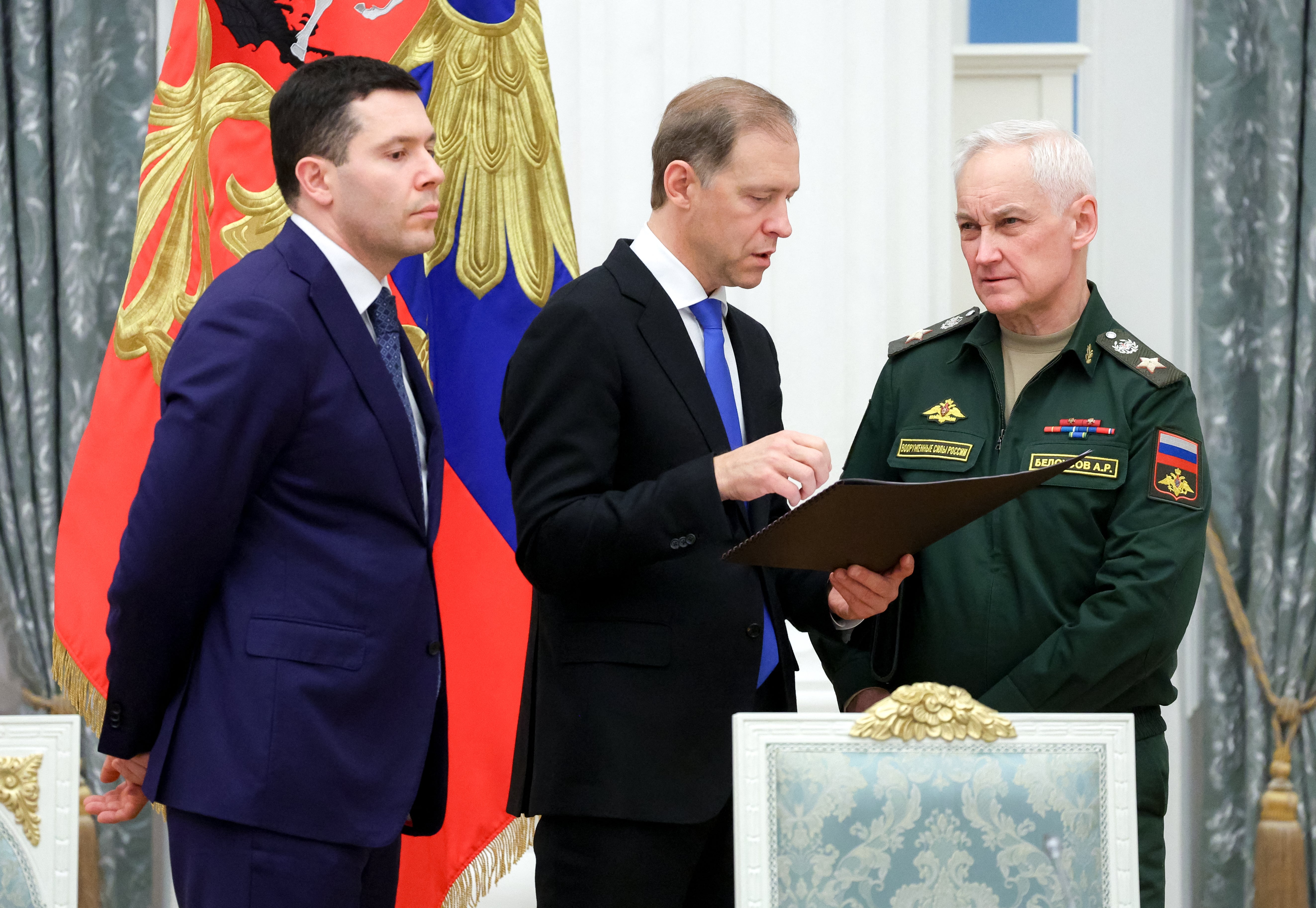
Other proposals taking effect Jan. 1 include a 100-ruble per parcel charge.
A 22% value-added tax will also apply from that date to online purchases of foreign goods worth less than 200 euros ($219), which are currently tax-exempt.
The changes will allow the Kremlin to raise more revenue from its domestic financial resources as sanctions continue to bar Moscow from international bond markets, foreign banks and investors.
Chris Weafer, CEO of consultancy Macro-Advisory Ltd, told the Associated Press in October that Russia has enough financing to cover its budget deficit in 2027 and probably 2028.
“But that is at the expense of raising taxes, of increasing costs for households as well as businesses,” he said.
Weafer said that the Russian budget now prioritizes the military over normal economic development or infrastructure, creating an image of growth only by boosting state-linked defense industries.
On the streets of Moscow, most people linked rising taxes and other economic pressures to Russia’s war in Ukraine.
Homemaker Oksana Savitskaya said she believed the situation would worsen until the end of the “special military operation,” the Kremlin’s preferred term for the invasion.
“It seems to me that the economic instability right now and the rise in taxes is bad for development, for small businesses, for example. It’s bad for the everyday person,” she said.
Retired journalist Boris Khizhnyak said that Russia’s economic situation in the upcoming year would be “complicated.”
“You know that we have a “special military operation” underway, and that first and foremost will bring economic adjustments,” he said.

