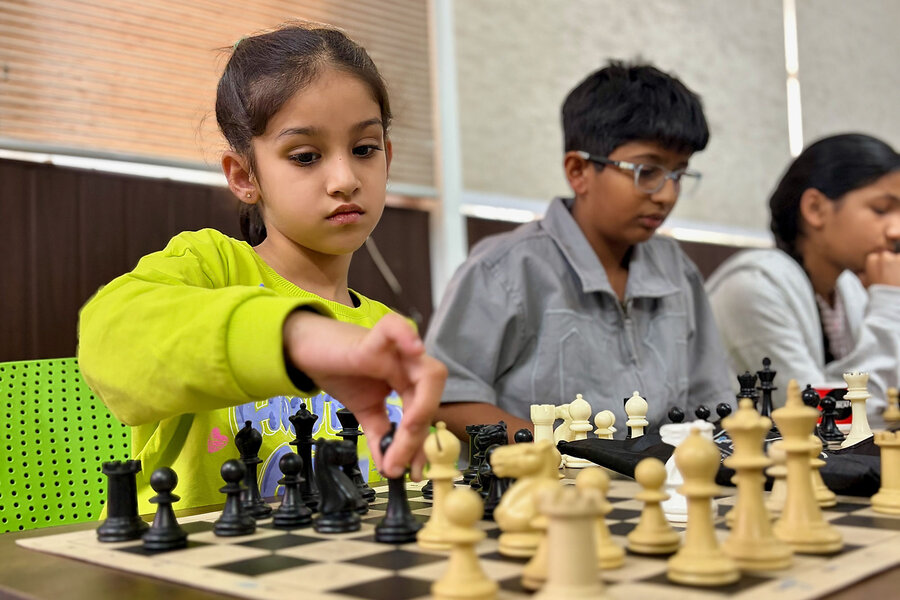
Шатар Энэтхэгт өргөн дэлгэрч, энэ сард тус улсын 100 дахь их мастер тодорлоо.
Ануж Шриватри энэ сард Энэтхэгийн 100 дахь их мастер болж, Олон улсын шатрын холбоо (FIDE)-ноос олгодог дээд цолонд хүрэв. Женев хотод мягмар гарагт эхэлсэн 2026 оны дэлхийн аваргын төлөөх тэмцээнд одоогийн аварга, Ченнай хотын уугуул Гукеш Доммаражу Узбекистаны Жавохир Синдаровтой өрсөлдөж байна. 14 өрөг үргэлжлэх тоглолтын эхний өрөг тэнцээгээр дууссан бөгөөд Энэтхэгийн шатар сонирхогчид тэмцээнийг анхааралтай дагаж байна.
Энэтхэгт шатар сүүлийн хэдэн арван жилд түгээмэл болжээ. 2000 онд Вишванатан Ананд FIDE-ийн дэлхийн аварга болсон нь эцэг эхчүүдийн сонирхлыг нэмэгдүүлж, Чандигарх хотод шатрын академи ажиллуулдаг Навин Бансал зэрэг дасгалжуулагчдад хүүхдүүдээ сургах хүсэлт олноор ирэхэд нөлөөлсөн байна. Интернэтээр тоглолт судлах, цахимаар хичээллэх боломж нэмэгдсэн нь энэ өсөлтийг улам дэмжжээ.
Chess.com компанийн энэ зун хуваалцсан мэдээллээр, Энэтхэгт тус платформд бүртгэлтэй 30 сая хэрэглэгч байна. Энэ нь АНУ-ын дараа орох үзүүлэлт бөгөөд 2019 оныхоос арав дахин их ажээ. Бансалын академид хүүхдээ сургахаар ирдэг эцэг эхийн зарим нь шатрын сургалтыг шинэ ур чадвар эзэмшүүлэх арга гэж үздэг бол зарим нь хүүхдээ аварга болгох зорилго тавьдаг.
Таван настай охин Кайрагийн шатрын авьяас тодорсны дараа ээж Кирти Сет веб дизайнерын ажлаа орхиж, охиныхоо бэлтгэлд анхаарахаар болжээ. Тэрээр охиноо академид ээлжлэн хүргэж, өөрөө ч шатар сурч эхэлсэн бөгөөд мягмар, баасан гараг бүр хамтдаа дасгал хийдэг байна. Бансалын хэлснээр, залуу тамирчдыг тэмцээнд дагуулан явах шаардлагатай тул аваргуудын ард тэднийг тууштай дэмждэг эцэг эх байдаг.
Дэлгэрэнгүйг эх сурвалжаас харах
↓Эх сурвалжийг нээх ↓
Chandigarh, India
|
Nov. 25, 2026, 5:00 a.m. ET
|
4 min read
Naveen Bansal couldn’t understand what his grandmother had given him for his 10th birthday: a folding cardboard mat marked with black-and-white squares and a jumble of plastic pieces. His grandmother didn’t know, either. She had just asked a toy-shop owner for an inexpensive gift for her shy grandson.
Curious, Naveen carried the puzzle around the neighborhood until someone recognized it as a chess set. The boy’s friends gathered around as a neighbor taught him the basics.
That was 1985. Today, Mr. Bansal runs a chess academy in the northern city of Chandigarh, India, training hundreds of students in the game. Over the past three decades, he’s watched chess rocket into the mainstream in India – and it’s still growing.
This month, Anuj Shrivatri became the country’s 100th grandmaster, the highest lifelong title awarded by the International Chess Federation, or FIDE. The federation’s 2026 World Chess Championship kicked off in Geneva on Tuesday, in which reigning champion Gukesh Dommaraju – a Chennai native who became the youngest undisputed world champion at 18 – is defending his title against Uzbekistan’s Javokhir Sindarov. The 14-game match (Game 1 ended in a draw) is being followed closely by chess enthusiasts throughout India, including many parents who have come to view this tactical board game as an important part of their children’s development.
“Chess is increasingly becoming part of Indian culture,” says Mr. Bansal.
Aakash Hassan
Naveen Bansal talks to young students during a practice session at his chess academy in Chandigarh, India, Nov. 21, 2026.
Viswanathan Anand and the World Wide Web
Chess is widely believed to have originated in India. An early form of the game, known as chaturanga, was played here more than 1,000 years ago, before spreading west through Persia and later to Europe. Over time, the colorful elephants, ministers, and chariots of chaturanga became the black-and-white bishops, queens, and knights of chess, with their own rules for moving around the board.
While regional forms of chaturanga continued to be popular, several factors – including a lack of chess clubs and limited literature about the game – kept chess confined to India’s elite, urban circles well into the late 20th century.
Mr. Bansal only learned the formal rules of chess when he attended college in Chandigarh. By 1992, he was captain of the Punjabi University chess team and went on to win several state-level titles. But he still considered chess a hobby. Then, in 2000, Viswanathan Anand became the first Indian to win the FIDE world championship, along with a $528,000 cash prize.
The high-profile victory stirred parents’ interest. First, a father asked Mr. Bansal to train his daughter, and then similar requests started pouring in.
“We call it the ‘Viswanathan Anand moment,’” says Mr. Bansal. “Everyone in the country was fascinated, and people like me could see a bright future.”
Aakash Hassan
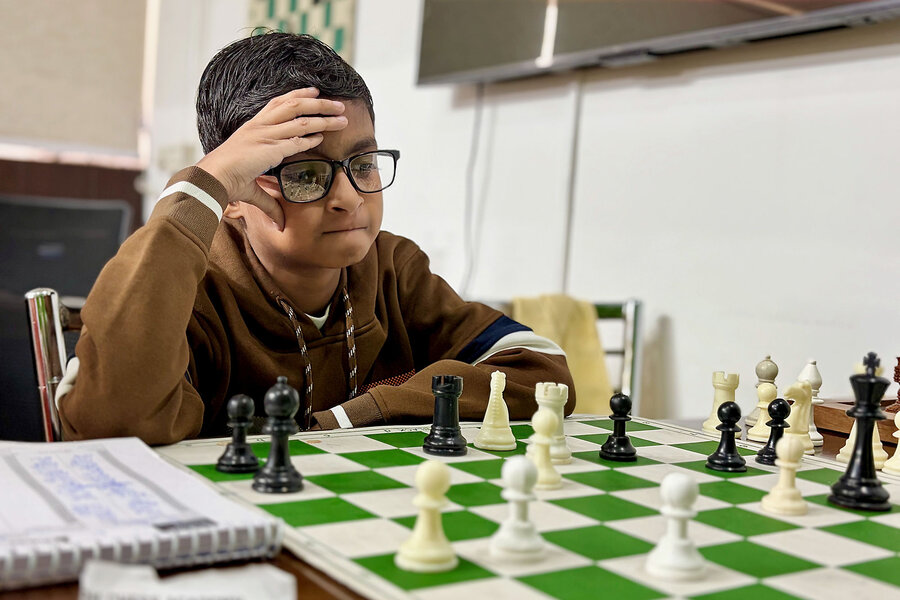
10-year-old Shashwawat studies the board during a chess game at Chandigarh Chess Academy in Chandigarh, India, on Nov. 21, 2026. The FIDE-rated player hopes to someday become a world champion.
Shortly after opening his academy in 2005, Mr. Bansal’s students began winning state, national, and even international titles. At the same time, growing access to computers transformed how players learned and practiced.
“The internet changed everything,” Mr. Bansal says. From 2005 to 2010, he spent most of his day at the British Council in Chandigarh, using a computer there to study new moves and read chess books online.
The pandemic also gave online chess a huge boost. As of this past summer, India has 30 million registered users on Chess.com – second only to the United States and about 10 times its 2019 player base, according to data shared by the company.
Virtual coaching grew, too, making lessons more accessible. But in person at Mr. Bansal’s academy, it’s easy to see students’ passion for the game – and the sacrifices some families are willing to make in the name of chess.
Kids – and parents – flock to chess
Chandigarh is mostly known as an education hub. In the city’s center, Mr. Bansal’s chess academy sits amid a sprawling commercial complex packed with tutoring services, overseas studies programs, early career coaching, and other businesses that speak to the hopes and aspirations of middle-class Indians.
In the afternoon, once local schools let out, a stream of young students trickles in, swiping chessboards from a metal locker. Mr. Bansal floats between rows of tables, watching and waiting for students to approach him with questions.
“We have a stalemate,” one says. Another asks to use the restroom. Off to the side, 10-year-old Shashwawat, who sports black specs and started playing chess at age 3, works through a move in his head. A regular in the FIDE tournament circuit, he spends about 2 1/2 hours each morning solving puzzles, reading chess books, and playing online.
Aakash Hassan
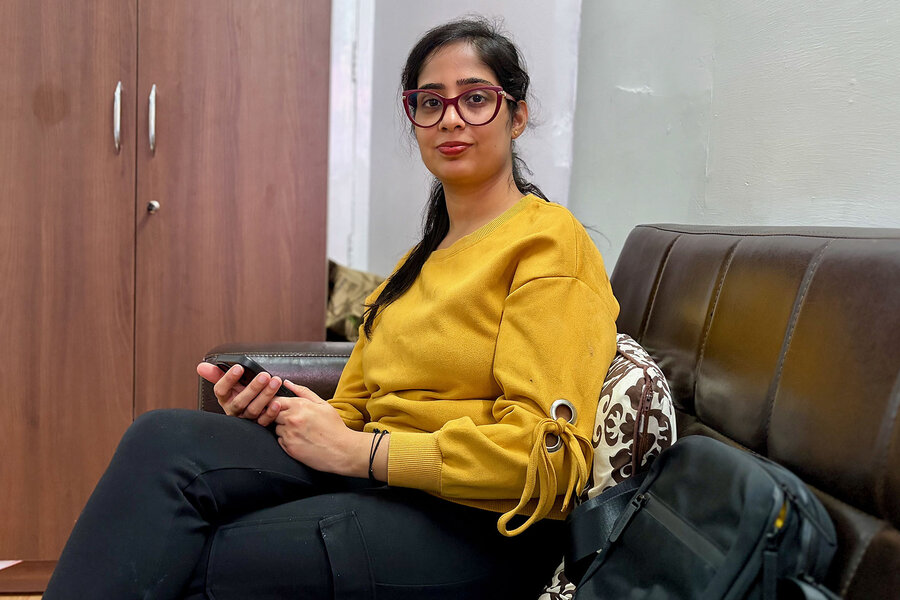
Kirti Seth sits in on a practice session at Chandigarh Chess Academy in Chandigarh, India, on Nov. 21, 2026. Ms. Seth recently left her job to focus on her daughter Kaira’s chess aspirations.
“My goal is to become a world champion,” he says, without breaking his focus.
Mr. Bansal says nurturing a young player starts with a supportive family. Parents come to the academy with different expectations: some simply want their children to learn a new skill, others hope chess will provide a healthy outlet for a rambunctious kid. And some dream of raising a champion.
In that case, “one parent has to give their life to the game,” says Mr. Bansal, partly because young players need chaperones to accompany them to national and international competitions. “Behind all the champions is a dedicated parent who gave up a career and their own dreams.”
Kirti Seth left her job as a web designer a few months ago after her 5-year-old daughter, Kaira, began showing promise at the academy.
Deepen your worldview
with Monitor Highlights.
Politics with respect
Get political stories with respectful analysis.
There‘s a world of new ideas in every
Books newsletter.
There‘s more to life, enrich yours with
Culture & Learning weekly.
Follow humanity‘s discoveries with
Science & Nature stories in your inbox.
Gain a spiritual perspective
from the stories in your inbox.
Want to understand the deeper impact of critical events? Learn the Monitor‘s insight.
Already a subscriber?Log in to hide ads.
“She was very naughty, and we thought chess would help channel her energy,” says Ms. Seth, sitting on the classroom’s black couch. “But she kept doing very well, and has won dozens of trophies and medals in local competitions.”
Ms. Seth takes her daughter to the academy every other day and has begun learning to play herself, sitting in on Mr. Bansal’s lessons. The mother-daughter duo set aside time every Tuesday and Friday to practice together.

