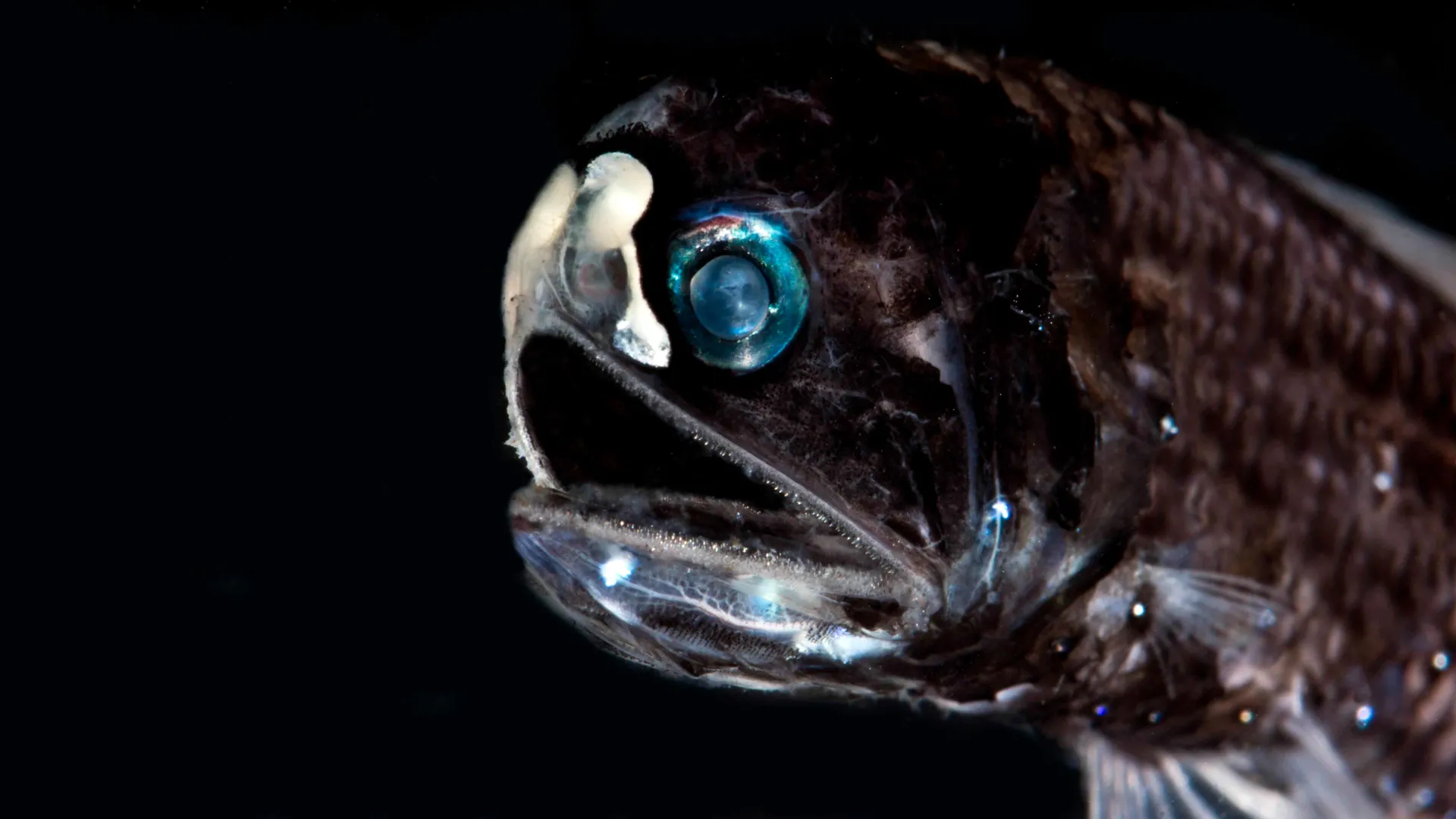
Флоридагийн Олон улсын их сургуулийн судлаачид далайн гүний амьтдын генетик бүтцэд гарч буй сөрөг өөрчлөлтүүд нь тэднийг устах эрсдэлд оруулж болзошгүйг тогтоожээ.
Судлаачид 2011-2023 оны хооронд цуглуулсан дэнлүү загасны гурван зүйл болон далайн гүний сам хорхойн хоёр зүйлийн 486 дээжид генетикийн шинжилгээ хийжээ. Судалгааны үр дүнд эдгээр амьтдын генетик олон янз байдал эрс буурсан нь тогтоогдсон бөгөөд энэ нь тэдний хүрээлэн буй орчны өөрчлөлтөд дасан зохицох, өвчин эсэргүүцэх чадварыг сулруулж байна. Тухайлбал, дэнлүү загасны нэгэн зүйл болох Diaphus dumerilii-ийн генетик олон янз байдал ердөө 12 жилийн дотор 8 хувиар буурсан нь анхаарал татаж байна.
Эрдэмтэн Педро А. Пересээр удирдуулсан тус баг далайн гүнийг байгалийн хамгаалалттай дархан цаазат газар гэж үзэх нь өрөөсгөл болохыг онцолжээ. Шинжилгээнд хамрагдсан таван зүйл бүгд генетик эрсдэлийн шинж тэмдгийг агуулж байсан бөгөөд үржил төлжилтөд оролцох боломжтой популяцийн хэмжээ харьцангуй бага байгаа нь ирээдүйд амьд үлдэх чадварыг бууруулж болзошгүй юм.
Уур амьсгалын загварчлалын урьдчилсан тооцоогоор 2050-2100 он гэхэд эдгээр амьтдын амьдрах орчин 70 хүртэлх хувиар хумигдах эрсдэлтэй байна. Энэхүү судалгаа нь 2010 оны “Deepwater Horizon” газрын тосны асгаралтын дараах удаан хугацааны нөлөөллийг шинэ өнцгөөс харах боломжийг олгож байгаа бөгөөд далайн гүний амьтад байгалийн гамшгийн өмнө ч генетикийн хувьд эмзэг байсныг харуулж байна.
Судлаачид далайн гүний экосистемийг хамгаалахын тулд генетикийн урт хугацааны мониторинг хийх шаардлагатайг санууллаа. Энэхүү арга нь уламжлалт хүн амын тооллогоор илрүүлэх боломжгүй аюулыг эрт шатанд таньж, биологийн олон янз байдлыг хадгалахад чухал ач холбогдолтой юм.
Дэлгэрэнгүйг эх сурвалжаас харах
↓Эх сурвалжийг нээх ↓
New genetic findings reveal that marine animals living deep beneath the surface of the Gulf may be at greater risk of extinction than scientists once thought.
As biodiversity declines around the world, the deep ocean has largely been regarded as a natural sanctuary where marine life is better protected from environmental threats. However, new research led by scientists at Florida International University (FIU) is challenging that assumption.
Drawing on 12 years of genetic data, researchers identified concerning signs of extinction risk in five marine species that inhabit waters hundreds of meters below the surface of the Gulf. Their findings suggest that a biodiversity crisis may also be developing in one of Earth’s most extensive and poorly understood environments.
The research was led by FIU marine scientist Pedro A. Peres of the Bracken-Grissom Lab and focused on three species of lanternfish and two species of deep-sea shrimp collected between 2011 and 2023.
The team examined DNA from 486 specimens to determine how the populations have changed over time and assess their ability to withstand future environmental stress. According to Peres, few studies have investigated changes in the genetic makeup of deep-sea animals over an extended period.
Hidden Genetic Signs of Extinction Risk
Every species examined displayed genetic characteristics linked to a greater risk of extinction, Peres said. One species of lanternfish, Diaphus dumerilii, experienced an approximately 8% reduction in genetic diversity in just 12 years. This loss matches or exceeds declines recorded in some threatened and endangered animals across considerably longer timespans.
All five species also had relatively small effective population sizes. Rather than indicating that the animals are necessarily scarce, this finding suggests that only a limited proportion of individuals are passing their genetic information on to subsequent generations.
“This challenges the idea that deep-sea species are naturally more resilient because they occupy such vast environments,” Peres said. “It shows how much we can miss when we look only at population abundance without considering their genetic diversity and long-term viability.”
Genetic variation plays a fundamental role in determining whether a species can survive environmental changes, explained Heather Bracken-Grissom, assistant director of the Institute of Environment’s Coastlines and Oceans Division. Bracken-Grissom, a co-author of the study, has led research exploring the genetic health and resilience of animals living in the deep ocean.
“Genetic diversity provides the variation populations need to adapt to changing conditions, resist disease and recover from environmental disturbances,” she said. “When that diversity disappears, a species can also lose the ability to withstand future threats.”
Climate Change Could Dramatically Shrink Deep-Sea Habitats
The team also used climate models to estimate how environmental conditions in the Gulf could affect the availability of suitable deep-sea habitats by 2050 and 2100. The projections indicate that four of the five species could face substantial habitat losses, potentially reaching 70%.
Peres noted that these results are especially troubling given the longstanding belief that the enormous habitats and widespread geographic distributions of deep-sea animals allow them to maintain large, resilient populations.
The discoveries also prompt new questions about the long-term environmental impact of the 2010 Deepwater Horizon oil spill. Earlier research revealed considerable reductions in deep-sea animal populations in the aftermath of the disaster.
While the scientists have not established a direct link between the oil spill and the genetic changes they observed, their results indicate that environmental disruptions could have repercussions extending well beyond their initial impact.
“Our results suggest some deep-sea populations may have already been genetically vulnerable before the Deepwater Horizon oil spill,” Peres said. “This has important implications for understanding the consequences of environmental disturbances. Events such as oil spills may affect populations that already have limited genetic resilience.”
An Urgent Need To Monitor Deep-Sea Biodiversity
The study, which also includes co-authors Keith Sellers of FIU and Tracey T. Sutton of Nova Southeastern University, highlights the importance of examining the genetic health of marine populations. Monitoring changes in DNA over time could help scientists identify threats to species survival that conventional population surveys fail to detect.
“This study serves as a wake-up call for the scientific community,” Peres said, “highlighting the urgent need to integrate genetic monitoring into biodiversity assessments and emphasizing the importance of long-term monitoring to better understand and detect changes in marine populations over time.”

