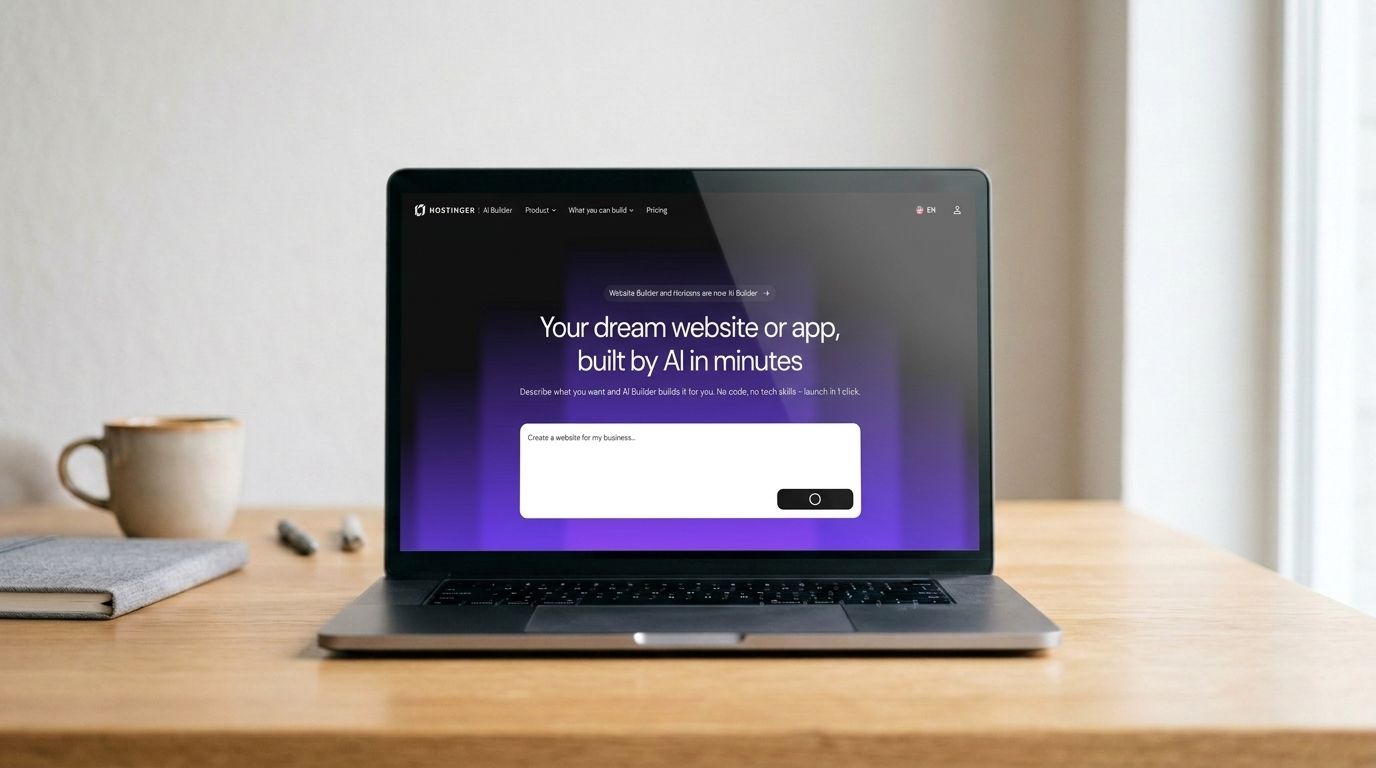
Хэрэглэгч төслийнхөө талаар тайлбарлахад платформ тохирох арын системийг сонгож, сайтыг байршуулна.
Hostinger хиймэл оюунаар бүтээсэн вэбсайтын арын системийг тохируулах, байршуулж ажиллуулах үйл явцыг нэгтгэсэн Headless платформоо танилцууллаа. Хэрэглэгч төслөө тайлбарлахад хиймэл оюуны туслах тохирох шийдлийг сонгон тохируулж, бэлэн болсон сайтыг Hostinger-т байршуулна. Компанийн бүтээгдэхүүн хариуцсан захирал Саулиус Лазаравичюсийн хэлснээр, дэд бүтцийг зөвхөн хүн бус хиймэл оюуны агентууд ашиглахад ойлгомжтой байхаар платформыг бүтээжээ.
Контентын сайт бол WordPress, онлайн дэлгүүртэй блог бол WooCommerce тохируулах боломжтой. Мөн Node.js болон MySQL зэрэг захиалгат технологийн багц хүсэж болох бөгөөд Headless нь Next.js, Astro, Nuxt, SvelteKit, Vite зэрэг хэрэгслийг дэмжинэ. Шинэ сайт үүсгэж, Headless болон домэйнээ сонгосны дараа хэрэглэгч бэлэн зааврыг хиймэл оюуны код бичих хэрэгсэлд оруулах эсвэл тухайн хэрэгслийг заавартай нь нээж, туслахаар төслийн тохиргоог хийлгэнэ.
Сайт удирдлагатай хостинг дээр SSL, веб аппликэйшний галт хана, DDoS халдлагаас хамгаалалт, дэлхийн CDN-тэй ажиллана. Хэрэглэгч хиймэл оюуны туслахаар сайтаа шинэчилж, Hostinger-ийн хяналтын самбараас удирдах боломжтой бөгөөд ажил тасалдсан тохиолдолд хадгалсан явцаа үргэлжлүүлж болно. Бүх үйлчилгээний төлбөрийг нэг нэхэмжлэлээр авах бөгөөд багтаамжийг төсөл өсөхийн хэрээр нэмэгдүүлж, 24/7 тусламж авах боломжтой гэж компани мэдээлжээ.
Hostinger-ийн мэдээлснээр, эрт нэвтрүүлэлтийн долоо хоногоос илүү хугацаанд 1,000 гаруй сайт тохируулсан байна. Дөрвөн өөр компанийн хиймэл оюуны загварыг ашигласнаас Claude 45.8 хувь, GPT 29.6 хувийн хэрэглээтэй байсан бөгөөд ихэнх хэрэглэгч арын системээрээ WordPress сонгожээ. Үйлчилгээ бүх багцад багтах эсэх болон нэмэлт төлбөртэй эсэхийг компани тодорхойлоогүй байна.
Дэлгэрэнгүйг эх сурвалжаас харах
↓Эх сурвалжийг нээх ↓
- Hostinger launches Headless, an AI-driven platform that automates backend setup, deployment, and hosting for AI-generated websites
- The service lets users describe a project and automatically provisions tools such as WordPress, WooCommerce, databases, or custom stacks
- Hostinger says the platform simplifies deploying AI-built applications by combining infrastructure, security, hosting, and management in a single workflow
So, you’ve prompted Claude Code or Codex, and you’ve built a nice little website for your business. Now you need a place to host it, a domain to tie it to, a content management system in the backend, and an idea on how to make the site – and the business – grow.
In this age of AI, your tools should be able to sort all of those things out, but it’s a lot more difficult than it sounds – fortunately website builder giant Hostinger has introduced a new tool to fill that exact gap.
Hostinger Headless will let users, “turn that tangle of sign-ups and connections into a few clicks and a prompt”. To make a website more than just an interactive business card, users will now be able to describe the project to an AI, and the assistant will choose and configure the backend that fits best.
How to get started with Hostinger Headless
For a content site, that might mean setting up WordPress, while for a blog with a shop, most likely WooCommerce. Those with more web development experience under their belt will also be able to ask for a custom stack like a Node.js app with a MySQL database and the assistant will build that instead.
When all of this is done, the assistant can deploy the finished project to Hostinger.
“For decades, hosting was designed for people clicking through control panels. AI flipped that in a matter of months. Infrastructure now has to make sense to agents, not just to people, and Hostinger Headless is built that way from the start,” said Saulius Lazaravičius, Chief Product Officer at Hostinger.
The company says getting started only takes a few steps, and the first one is to create a new website in the Hostinger dashboard, choose Headless, and pick a domain. The tool then returns a ready-made prompt to paste into the AI coding tool, or opens the tool with the prompt already prepared. The assistant then connects to Hostinger, asks a few questions about the project, and sets up the backend.
It builds the site and puts it online, and in case the build gets interrupted it can resume later, since all of the progress gets saved on the user’s own machine.
Headless supports all of the major frameworks and tools, including Next.js, Astro, Nuxt, SvelteKit, and Vite, but those who built something earlier using an AI coding tool can connect their products to Hostinger, as well. After launching the website, it will run on managed hosting with SSL, a web application firewall, DDoS protection, and a global CDN, Hostinger further explained. Users can update it through their assistant and manage it through the dashboard.
Early birds show interesting patterns
Aside from the obvious advantages, Hostinger also says users will benefit from getting a single invoice for all of this.
“Capacity follows the hosting plan and can be upgraded as the project grows, with agentic and human support available 24/7,” the announcement reads.
It was not said if the tool is available across all of its packages or if it costs anything extra – we have asked for additional clarifications and will update the article when we receive word.
We were told that early access is showing “interesting patterns” – more than 1,000 sites were set up in over a week, builds ran on models from four different AI companies, and Claude was by far the most popular choice (45.8%), followed by GPT (29.6%). Most of the users chose WordPress as their backend.

