Дайны улмаас бараг хаагдсан байсан тус усан замаар дамжсан хөлөг онгоцны тоо нэмэгдсэн ч газрын тос, хийн урсгал бодитоор сэргээгүй байна.
Далайн тээврийн тагнуулын Windward компанийн мэдээлснээр, Хормузын хоолойгоор бямба гарагт 19 хөлөг онгоц нэвтэрсэн нь хэдэн өдрийн турш үргэлжилсэн саатлын дараах “огцом сэргэлт” болсон байна. Гэвч энэ үзүүлэлт нь дайн эхлэхийн өмнөх өдөр тутмын 129 хөлөг онгоцны нэвтрэлттэй харьцуулахад өчүүхэн хэвээр байна. Хоёрдугаар сарын 28-нд АНУ, Израйл, Ираны хооронд эхэлсэн дайны улмаас тус усан замаар нэг өдөрт ердөө гурван хөлөг онгоц нэвтэрсэн үе бий.
Эрчим хүч, цэвэр агаарын судалгааны төв (CREA)-ийн газрын тосны шинжээч Айзек Левигийн хэлснээр, хөлөг онгоцны нэвтрэлт нэмэгдсэн ч газрын тос, хийн нийлүүлэлт бодитоор огцом өсөөгүй, тогтвортой түвшинд хэвээр байна. Ираны Харг арлын газрын тосны экспортын гол төвд хоёр том танкер газрын тос ачиж, найман танкер ачаалал хүлээж байгаа нь хиймэл дагуулын зургаар тогтоогджээ. Хөлөг онгоцууд анх удаа байршлаа далдлахгүй ил тод дамжуулж эхэлсэн нь нэг талын ахиц гэж тооцогдож байна.
Дайн есдүгээр долоо хоногтоо орсон бөгөөд гал зогсоох гэрээ хүчин төгөлдөр мөрдөгдөж байгаа ч мөргөлдөөнийг бүрэн зогсоох тохиролцоонд хүрээгүй байна. Associated Press агентлагийн мэдээлснээр, Иран улс цөмийн хөтөлбөрөө хөндөхгүйгээр Хормузын хоолой дээрх хяналтаа сулруулахаар санал болгож байгаа боловч АНУ-ын Ерөнхийлөгч Дональд Трамп Тегераны цөмийн хөтөлбөрийг ерөнхий хэлэлцээрийн нэг хэсэг болгохыг шаардаж байна. Трамп Fox News-д өгсөн ярилцлагадаа “Бүх хөзөр манай гарт байна. Хэрэв тэд ярилцахыг хүсвэл өөрсдөө ирэх ёстой” гэж мэдэгджээ.
Энэ амралтын өдрүүдэд Исламабадад болохоор төлөвлөгдсөн хэлэлцээ цуцлагдсан. Трампын төлөөлөгч Стив Виткофф, Жаред Кушнер нар Пакистан руу хөдлөх ёстой байсан ч Ираны Гадаад хэргийн сайд Аббас Арагчи Исламабадаас гарсны дараа Трамп айлчлалыг цуцалжээ. Арагчи даваа гарагт Санкт-Петербургт нисч, ОХУ-ын Ерөнхийлөгч Владимир Путинтэй уулзах юм. Иран мөн усан замаар нэвтэрч буй хөлөг онгоцноос татвар авах механизмыг дэмжихийг Оман улсаас хүсэж байгаа гэгддэг.
Хэвийн тээвэрлэлт сэргэхийн тулд Иран улсын байрлуулсан тэнгисийн хорлоныг устгах шаардлагатай. АНУ-ын Батлан хамгаалахын сайд Пит Хегсет тэнгисийн хорлон нь аюул заналхийлсэн хэвээр байгааг хүлээн зөвшөөрсөн бөгөөд америкийн цэргийн хүчин түүнийг устгах ажлыг үргэлжлүүлж байна. TankerTrackers.com-ын тооцоогоор АНУ-ын хяналтад 380 сая ам.долларын газрын тос, Иранд буцаасан танкеруудад 1 тэрбум ам.долларын газрын тос байна. Brent маркийн газрын тосны үнэ дайны өмнөх нэг баррель нь 72 ам.доллар байсан бол даваа гарагт 107 ам.долларт хүрсэн байна. Goldman Sachs банк он гарсны эцсийн төсөөллөө 80 ам.доллараас 90 ам.доллар болгон нэмэгдүүлжээ.
Дэлгэрэнгүйг эх сурвалжаас харах
↓Эх сурвалжийг нээх ↓
Shipping through the Strait of Hormuz is showing early signs of recovery, with 19 vessels crossing on Saturday after days of disruption, but analysts say the traffic hasn’t translated into any real increase in oil and gas actually flowing through the crucial waterway.
The strait, which once carried a fifth of the world’s oil and gas, has been effectively closed since the US–Israeli war with Iran began on 28 February, with just three ships crossing a day at its lowest point, according to maritime intelligence firm Windward.
Saturday’s figure marked what Windward called a “sharp rebound” following several days of suppressed movement, although it remains a fraction of the 129 daily transits recorded before the conflict began.
“While there are reports of increased vessel crossings in the Strait of Hormuz, CREA’s analysis of Kpler [data and analytics company] data shows there is no real surge in oil and gas shipments, and flows appear to be remaining at a steady, measured pace,” Isaac Levi, oil analyst at the Centre for Research on Energy and Clean Air (CREA), told The Independent.
For the first time in weeks, vessels broadcast their location openly, rather than concealing their movements to evade detection – a pattern that has become widespread among ship operators since the conflict began.
Across the broader Gulf, the total number of vessels rose by 126 in a single day to 892, pointing to a gradual rebuilding of maritime activity in the region, the intelligence firm said.
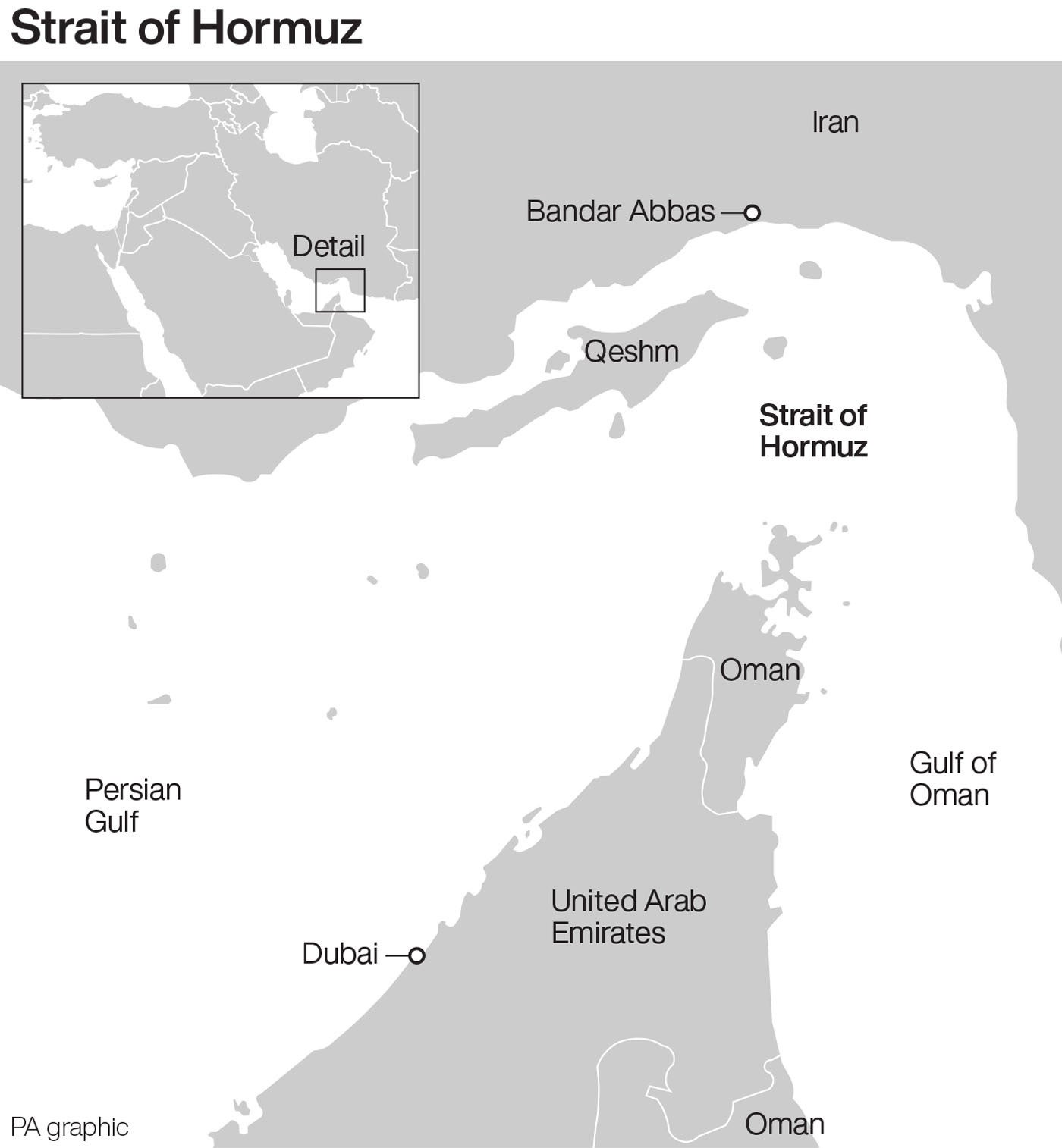
At Iran’s main oil export terminal on Kharg Island in the Gulf, satellite imagery from Sunday showed two large tankers loading crude while at least eight more waited at anchor, Windward said, suggesting Iranian exports are moving, but slowly and under strain.
Windward’s own assessment stops well short of declaring a recovery.
The firm said the operating environment remained one of partial traffic recovery, active enforcement, persistent sanctions pressure, and continuing adaptation by high-risk maritime networks.
The caution is unsurprising given where diplomacy stands.
The war is now in its ninth week, although a ceasefire has paused most fighting but with no agreement reached on ending the conflict. Iran is offering to end its chokehold on the strait without addressing its nuclear programme, two regional officials with knowledge of the proposal told the Associated Press, but the offer is unlikely to satisfy US president Donald Trump, who wants Tehran’s atomic programme dealt with as part of any overall deal.
“We have all the cards. If they want to talk, they can come to us, or they can call us,” Mr Trump told Fox News on Sunday.
Talks had been expected in Islamabad over the weekend, with Mr Trump’s envoys Steve Witkoff and Jared Kushner due to travel to Pakistan. But Iranian foreign minister Abbas Araghchi left the Pakistani capital on Saturday, and Mr Trump shortly afterwards cancelled the mission.
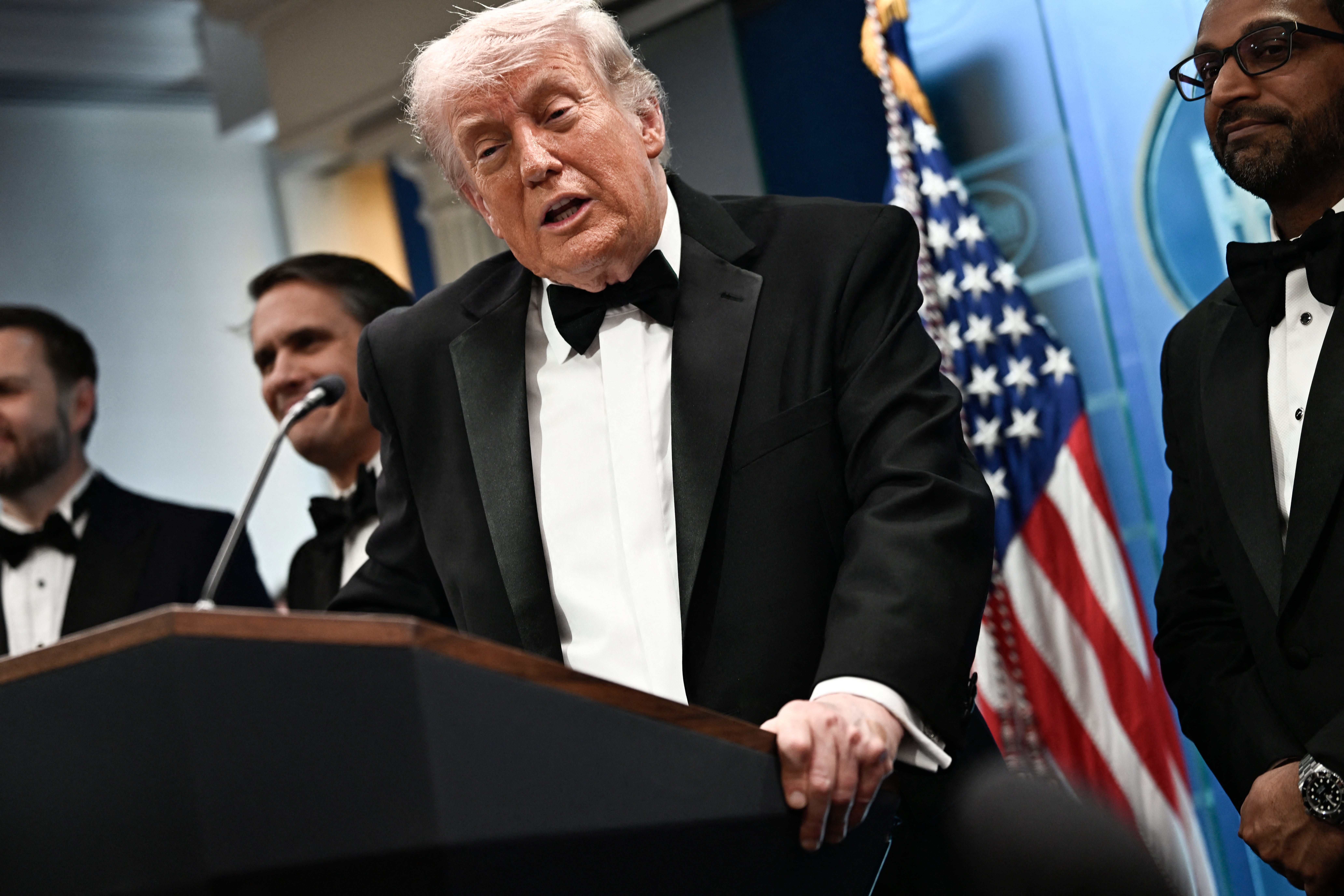
He told journalists that within 10 minutes of cancelling the trip, Iran sent a “much better” proposal, though he did not elaborate. Mr Araghchi blamed Washington’s “excessive demands” for the delay, saying it was America’s approach that “caused the negotiations to be delayed”.
Mr Araghchi spent the weekend shuttling between Islamabad and Muscat before flying to Saint Petersburg on Monday to meet Russian president Vladimir Putin.
“It is a good opportunity for us to consult with our Russian friends about the developments that have occurred in relation to the war,” he told Iran’s state news agency IRNA.
Iran is also said to be pushing Oman to support a mechanism to collect tolls from vessels passing through the waterway.
A full return to normal traffic will also require clearing the naval mines Iran has deposited near the strait’s designated sea lanes. US defence secretary Pete Hegseth acknowledged on Friday that the mines remain a danger and that risks of transiting were higher than desired, even as American forces worked on clearing them.
Among the more striking transits on Saturday was the Nord, a superyacht linked to sanctioned Russian billionaire Alexey Mordashov, which safely passed through the Iranian side of the waterway and is now docked in Muscat, according to a report from the Maritime Executive.
Iran has a close relationship with Moscow rooted in defence ties, and has an incentive to allow Russian vessels through, the outlet reported.
TankerTrackers.com estimates $380m (£280) worth of crude is now in US custody following interceptions, with another $1bn in oil back in Iran aboard tankers that were turned around by the blockade.
Brent crude was trading at around $107 a barrel on Monday, compared with $72 before the war began. Goldman Sachs lifted its year-end forecast to $90 a barrel from $80, basing the expectation on a return to normal Gulf exports by the end of June, but warned that “non-linear price increases are likely if inventories drop to critically low levels, which we have not seen in the last few decades”.
The disruption extends well beyond oil, with global shipments of liquefied natural gas, fertiliser and other supplies also hit by the near-closure of the strait, deepening fears for the world economy two months into the conflict.