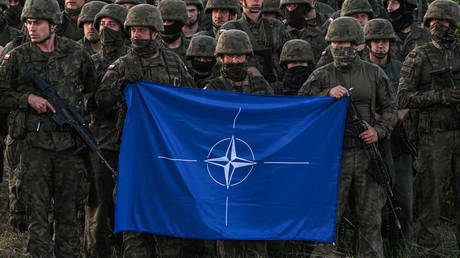
Пентагон Европ дахь цэргийн оролцоогоо бууруулах шийдвэр гаргаж, Германаас 5,000 цэргээ татан гаргахаар болсныг АНУ-ын Ерөнхийлөгч Дональд Трамп зарлав.
АНУ-ын Батлан хамгаалахын яам баасан гарагт цэрэг татах шийдвэрээ зарлаж, уг үйл явцыг ирэх 6-12 сарын дотор дуусгахаар төлөвлөж байгааг мэдэгдсэн. Пентагоны хэвлэлийн төлөөлөгч Шон Парнеллийн хэлснээр, энэхүү шийдвэр нь Европ дахь хүчний байршлын иж бүрэн үнэлгээний дүнд гарсан бөгөөд тухайн бүс нутгийн шаардлага, нөхцөл байдалтай уялдуулсан болно.
Трамп бямба гарагт хэлсэн үгэндээ цэрэг татах тоог 5,000-аас илүү байж болзошгүйг сануулаад, Иран дахь дайны асуудлаар АНУ-д дэмжлэг үзүүлээгүй гэж үзэж буй Испани, Италиас ч цэргээ татах боломжтойг дурдсан. Түүнчлэн Reuters агентлагийн мэдээлснээр, Байдены үед төлөвлөж байсан урт тусгалын Tomahawk пуужинтай батальоныг Германд байршуулах төлөвлөгөөг АНУ цуцалсан байна.
Герман нь АНУ-ын Европ дахь хамгийн том цэргийн оролцоог хүлээн авдаг улс бөгөөд одоогоор 36,000 гаруй идэвхтэй албаны цэрэг байршуулжээ. Мөн АНУ-ын гадаадад байрлах хамгийн том цэргийн эмнэлэг болох Landstuhl-ийн бүсийн эмнэлгийг багтаасан сургалт, логистик, эмнэлгийн дэд бүтэц энд төвлөрдөг. Нийтдээ Европт АНУ-ын 80,000 гаруй цэрэг байршдаг бөгөөд тэдний ихэнхийг 2022 онд Украины мөргөлдөөн хурцдсаны дараа Байдены засаг захиргааны үед нэмж байршуулсан билээ.
Энэхүү шийдвэр нь Германы Канцлер Фридрих Мерц АНУ, Израйлийн Иранд эсрэг чиглэсэн дайныг шүүмжилж, Вашингтон “тодорхой стратегигүй байна” гэж мэдэгдсэний дараа гарчээ. Трамп хариуд нь Мерцийг “юу ярьж байгаагаа мэдэхгүй байна” гэж зэмлэж, Орос-Украины дайныг зогсооход илүү анхаарч, дотоодын асуудалдаа анхаарал хандуулахыг зөвлөсөн. Reuters-ийн мэдээлснээр, Трамп өвлийн улиралд Гренландыг АНУ-д нэгтгэх оролдлогоо Европын улсууд эсэргүүцсэнд илэрхий уурлаж байгаа нь хоёр талын зөрчлийг улам гүнзгийрүүлж байна.
АНУ-ын хууль тогтоогчид цэрэг татах шийдвэрийг эсэргүүцэж, Сенат болон Төлөөлөгчдийн танхимын Зэвсэгт хүчний хорооны Бүгд найрамдах намын даргууд “ноцтой санаа зовниж байгаагаа” илэрхийлэв. Сенатор Рожер Викер, Төлөөлөгч Майк Рожерс нар цэргүүдийг АНУ руу буцаахын оронд НАТО-гийн зүүн хилийн дагуу байрлах улсуудад шилжүүлэхийг Пентагонд уриалж, эс тэгвээс ОХУ-д “буруу дохио өгч, сэргийлэх чадварыг сулруулах эрсдэлтэй” гэж анхааруулсан.
Германы Батлан хамгаалахын сайд Борис Писториус энэ мэдээг “урьдчилан таамаглаж байсан” зүйл хэмээн тайвнаар хүлээн авч, “НАТО доторх Европын баганыг бэхжүүлэх шаардлагатай” гэдгийг онцолсон. Польшийн Ерөнхий сайд Дональд Туск илүү шууд байр суурь илэрхийлж, НАТО-гийн өмнө тулгарч буй хамгийн том аюул нь гадаад дайсан биш, харин эвслийн “аажмаар задрал” болохыг анхааруулав.
Энэ хооронд Европын НАТО-гийн гишүүн орнууд цэргийн зардлаа эрс нэмэгдүүлэх төлөвлөгөөтэй байна. Трамп өөрөө гишүүн орнуудаас 2035 он гэхэд ДНБ-ийн 5%-ийг батлан хамгаалах болон холбогдох салбарт зарцуулахыг шаардсан. Европын Комисс мөн EU-ийн хэмжээнд 800 тэрбум евро ($938 тэрбум доллар) зарцуулах “Readiness 2030” төлөвлөгөөгөө танилцуулсан бөгөөд Герман дангаараа 2029 он гэхэд батлан хамгаалалтад 500 тэрбум еврогоос дээш хөрөнгө оруулахаар амлажээ. Москва өөрсдийгөө НАТО руу довтлох болзошгүй гэх таамгийг “утгагүй зүйл” хэмээн няцааж, Европын улсууд дотоодын хямралаа халхавчлахын тулд ОХУ-ыг дайсан мэт харуулах сурталчилгаа явуулж буйг мэдэгдсэн.
Дэлгэрэнгүйг эх сурвалжаас харах
↓Эх сурвалжийг нээх ↓
The US president has vowed to reduce the American military footprint on the continent after feuding with European leaders over the Iran war
The Pentagon has ordered the withdrawal of approximately 5,000 troops from Germany, with US President Donald Trump warning that the pullout could only be the beginning.
The move comes amid a sharp divide between the Trump administration and European NATO members over the Iran war, Washington’s calls to increase defense spending, and a bitter aftertaste from the dispute over Greenland.
‘Cutting a lot further’
The withdrawal was announced on Friday, with the Pentagon signaling that the process would be over within the next six to 12 months. Pentagon spokesperson Sean Parnell said that the “decision follows a thorough review of the Department’s force posture in Europe and is in recognition of theater requirements and conditions on the ground.”
However, Trump – who has for years been toying with the idea of a US withdrawal from the bloc – signaled that the figure could be even higher. “We’re going to cut way down, and we’re cutting a lot further than 5,000,” he said on Saturday. He also suggested that he could pull troops out of Spain and Italy – nations he said were unhelpful in the Iran war.
In addition, Reuters reported that the US dropped a Biden-era plan to deploy a US battalion with long-range Tomahawk missiles to Germany.
Germany is home to America’s largest military presence in Europe, currently hosting more than 36,000 active-duty US personnel. It is also home to critical training, logistics, and medical infrastructure, including Landstuhl Regional Medical Center, the largest US military hospital abroad. In total, there are over 80,000 US troops in Europe, with many having been redeployed to the continent by the Biden administration after the escalation of the Ukraine conflict in 2022.
Iran war looms over the decision
The announcement came days after German Chancellor Friedrich Merz once again criticized the US-Israel war on Iran, saying that Washington “obviously has no strategy,” adding, referring to the US, that “an entire nation is being humiliated by the Iranian leadership.”

It did not take Trump long to fire a broadside in response. He declared that Merz “doesn’t know what he’s talking about,” advising the chancellor to “spend more time on ending the war with Russia/Ukraine” and “fixing his broken Country.” He also suggested that Merz was “doing a terrible job. He’s got immigration problems, he’s got energy problems, he’s got problems of all kind[s].”
According to Reuters, the current transatlantic rift has also been exacerbated by Trump’s simmering anger over European pushback to his attempt to annex Greenland this winter.
US ‘schizophrenic’
According to an AP source, the US military was not been warned of the decision to pull troops from Germany and learned about it “in real time,” though the Pentagon disagreed, saying that the move “follows a comprehensive, multilayered process” with input from the European command and other top officials.
In addition, an unnamed European insider told Reuters that Trump’s decision was another sign of an “increasingly unpredictable and sometimes ‘schizophrenic’ dynamic.” He noted that Trump’s shock announcement came as uninformed US military commanders in Europe had been talking up commitment and cooperation, just as their counterparts in Washington were doing the opposite.
US lawmakers have also protested the withdrawal announcement, with Republican chairmen of the House and Senate Armed Services committees saying they were “very concerned” by the drawdown.
Sen. Roger Wicker of Mississippi and Rep. Mike Rogers of Alabama urged the Pentagon to redeploy the troops eastward rather than send them home – to countries that “have made substantial investments to host US troops” on NATO’s front line – warning the decision risked “undermining deterrence and sending the wrong signal” to Russia.
Military buildup as planned
German Defense Minister Boris Pistorius played down the news, calling the drawdown “foreseeable.” The Defense Ministry spokesperson also said the development showed “we must strengthen the European pillar within NATO.”
Polish Prime Minister Donald Tusk was blunter, saying that the greatest threat to NATO is not its external enemies, but rather its “ongoing disintegration[…] We must all do what it takes to reverse this disastrous trend.”
Still, the overall trend of the US detachment from Europe barely comes as a shock, with European NATO members looking to ramp up military spending. The rearmament drive was partly driven by Trump himself, who pushed other NATO members to invest 5% of GDP annually in core defense and defense-related spending by 2035.
On top of that, the European Commission unveiled its Readiness 2030 plan, which aims to provide more than €800 billion ($938 billion) in defense spending across the EU. Germany alone has embarked on a historic military buildup, committing to spend more than €500 billion on defense by 2029.
Moscow has consistently rejected speculation that it could attack NATO as “nonsense,” suggesting that European nations are using “propaganda” to portray Russia as an enemy to mask its own crises.

