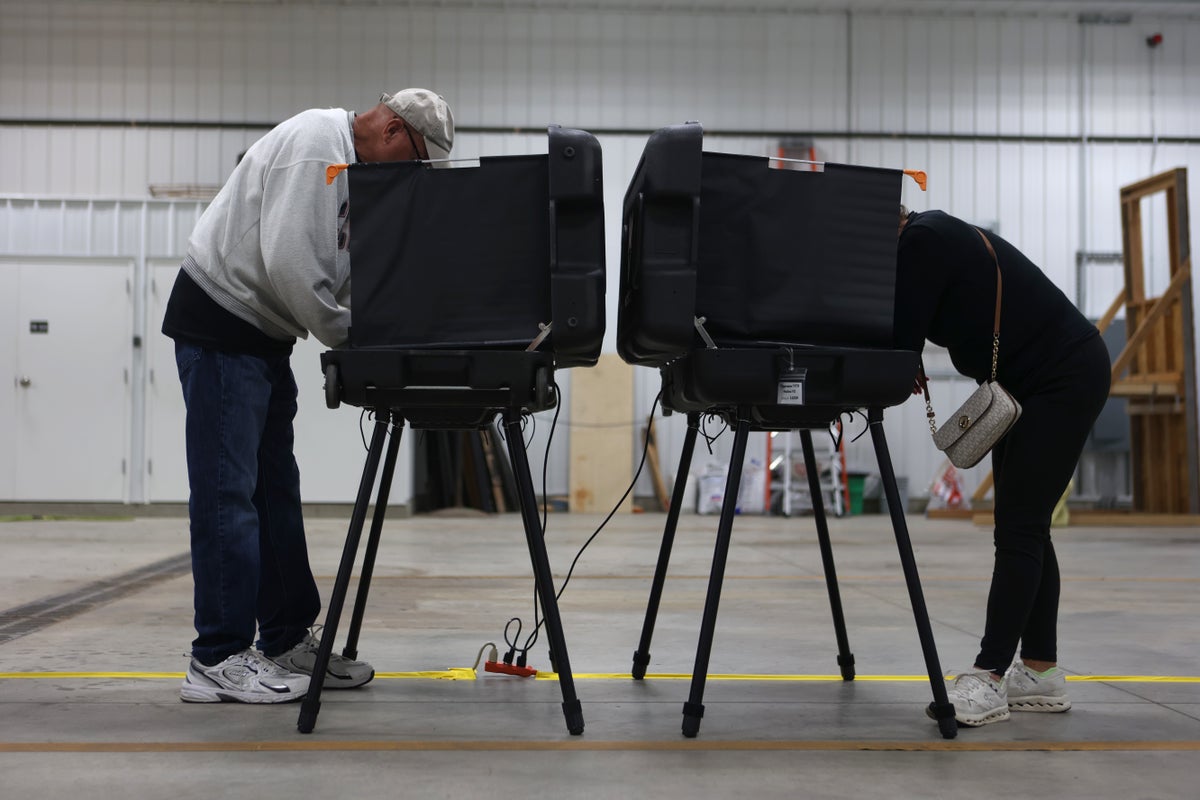
АНУ-ын экс Ерөнхийлөгч Дональд Трампын дэмжсэн нэр дэвшигчдийн Индиана мужийн улс төрийн сонгуульд ялалт байгуулснаар Бүгд найрамдах намааc доторх түүний нөлөөг харууллаа.
АНУ-ын экс Ерөнхийлөгч Дональд Трампын дэмжсэн Индиана мужийн сенатын сонгуульд нэр дэвшигчдийн дийлэнх нь ялалт байгуулж, Трампын улс төрийн нөлөөг дахин харууллаа. Энэхүү үр дүн нь Трампын Бүгд найрамдах нам доторх эрх мэдлийг онцолж, өмнө нь мужийн хууль тогтоогчид түүний тойрог шинэчлэлийн саналуудыг хүлээж аваагүй байдлыг давсан явдал юм.
Трампын дэмжсэн долоон нэр дэвшигчээс тав нь ялалт байгуулсан бөгөөд нэг нь ялж, нэг нь үр дүн нь тодорхой болоогүй байна. Сенатор Жим Бэнкс “Индиана мужид MAGA-гийн хувьд том шөнө байлаа” хэмээн мэдэгдэж, илүү консерватив Бүгд найрамдахчуудыг Индиана мужийн Сенатад сонгоход тусалсандаа бахархаж байгаагаа илэрхийлжээ. Трампын холбоотнууд энэхүү мужийн түвшний сонгуульд 8.3 сая гаруй ам.доллар зарцуулсан нь улс төрийн тойрогт төдийлэн анхаарал татдаггүй томоохон хөрөнгө оруулалт байв.
Трампын эсрэг байр суурьтай байсан нэгэн суудалтай сенатор Травис Холдман ялагдлаа хүлээн зөвшөөрч, сонгогчдынхоо хүссэнийг хийсэн нь ажлаа алдахад хүргэлээ хэмээн хэлжээ. Тэрээр Индиана мужид Вашингтоны улс төрийн идэвхтэй арга барил нэвтэрч байна хэмээн анхааруулсан байна.
Өнгөрсөн жил Трамп Бүгд найрамдах намын улсын хэмжээний цөөнхийн олонхийг бэхжүүлэх зорилгоор тойрог шинэчлэлийг шахаж эхэлсэн ч Индиана мужийн сенаторууд үүнийг эсэргүүцэж, Трампын хувьд нэгэн цохилт болсон юм. Энэхүү тойрог шинэчлэлийн маргаан нь Трампыг гурван удаа 16 хувиас илүү оноогоор ялж байсан Индиана мужийн Бүгд найрамдахчуудыг гүн гүнзгий хуваасан.
Дэлгэрэнгүйг эх сурвалжаас харах
↓Эх сурвалжийг нээх ↓
<![CDATA[{"className":"sc-1ge0fwe-0","newsletterData":{"regSourceNewsletter":"IND_INSIDE_WASHINGTON","regTitle":"Inside Washington","subscriptionGroup":"inside_washington","subscriptionGroupId":"af764e04-87eb-45e6-a84b-a7455ba70a1e","type":"inside_washington","pathPrefix":"/news/world/americas/us-politics","associatedAuthors":["Eric Garcia","John Bowden"],"title":"Sign up for the daily Inside Washington email for exclusive US coverage and analysis sent to your inbox","mobileTitle":"Get our free Inside Washington email","imageSrc":"https://static.independent.co.uk/static-assets/images/newsletters/insideWashington1_1.png","label":"I would like to receive morning headlines Monday – Friday plus breaking news alerts by email“,”newsletterKey”:”receiveInsideWashingtonNews”,”regSourceSection”:”US politics”,”regSourceMethod”:”NSCs”},”isClimate”:false}]]>
Donald Trump celebrated a significant win on Truth Social, as a majority of Republican Indiana state senators whose challengers he endorsed were defeated in Tuesday’s primaries. The outcome underscores his enduring influence within the Republican Party, particularly after state lawmakers rebuffed his redistricting proposals just five months prior.
Of the seven challengers backed by the president, at least five secured victories. One incumbent managed to prevail, while the seventh race remained too close to call.
“Big night for MAGA in Indiana,” Sen. Jim Banks posted on social media, adding that he was “proud to have helped elect more conservative Republicans to the Indiana State Senate.”
cookie.trim() === ‘__DEBUG__=true’)) { console.log(‘Ad logs: “mpu1”, injectedAtParagraph: 3’); }]]>
While Trump reposted dozens of images of various candidates who had won with his endorsement, as well as a headline from the Indianapolis Star announcing the results.
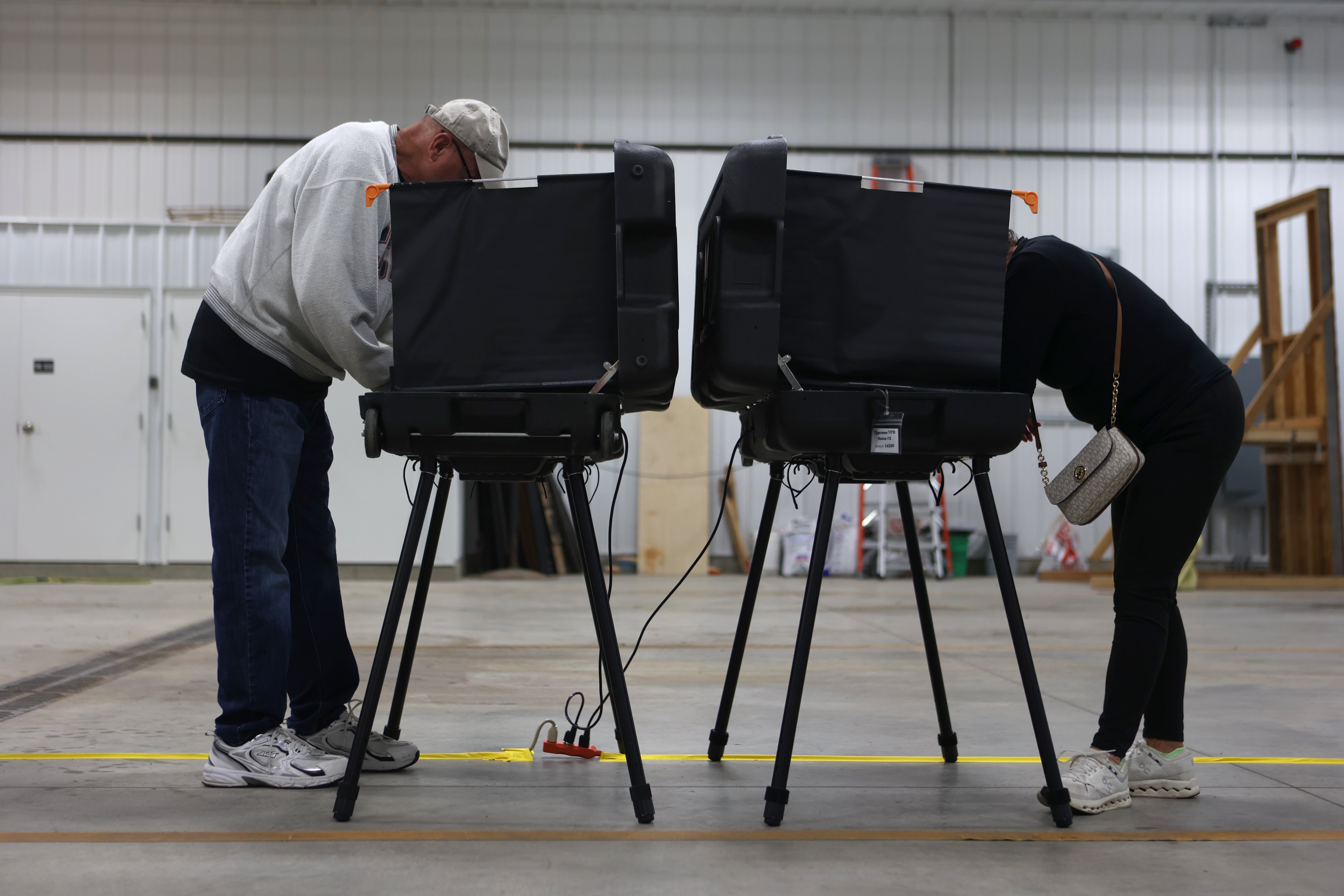
Allies of Trump poured at least $8.3 million into these state-level contests, which typically garner little attention from national political circles. This costly and unprecedented intraparty battle has intensified tensions among Republicans, with implications for the upcoming November midterm elections that will decide control of Congress.
State Sen. Travis Holdman, one of the incumbents who lost his primary, expressed peace with his defeat. He had voted against the redistricting plan and faced over $1.3 million in attack advertising funded by organizations linked to Banks and Gov. Mike Braun.
cookie.trim() === ‘__DEBUG__=true’)) { console.log(‘Ad logs: “taboola-carousel-thumbnails”, injectedAtParagraph: 6’); }]]>
“I did what my constituents asked me to do and it cost me my job,” he said. “But that’s OK.”
Holdman warned that a more aggressive style of campaigning was now arriving in his state. “Welcome to D.C. politics in Indiana because this means that’s what’s coming,” he stated.
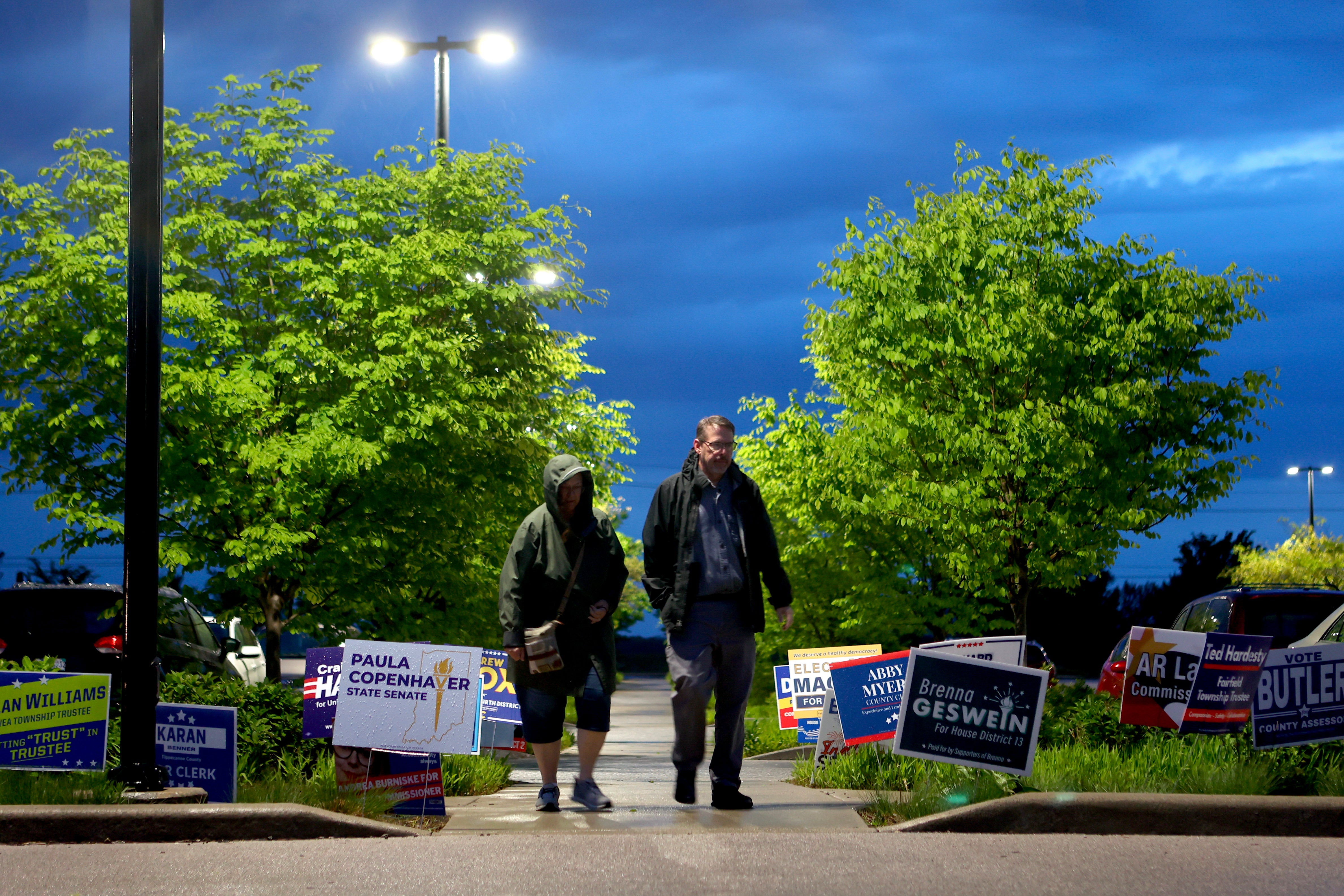
The primary that remained too close to call was also the most expensive of the seven. Super PACs led by Banks and Braun collectively spent more than $815,000 on advertising, had only spent a combined $142,000 on his 2022 primary and general election when first elected.
cookie.trim() === ‘__DEBUG__=true’)) { console.log(‘Ad logs: “mpu2”, injectedAtParagraph: 8’); }]]>
Last year, Trump began pressuring Republican-controlled states to redraw their congressional maps, aiming to bolster his party’s slim majority in the U.S. House.
While redistricting typically occurs once a decade following a new census, Trump sought to bypass this tradition for political advantage. Texas was the first to comply, and the White House subsequently urged Indiana to follow suit. Vice President JD Vance met with state politicians in Washington and Indianapolis, and Trump himself weighed in via conference call.
cookie.trim() === ‘__DEBUG__=true’)) { console.log(‘Ad logs: “mpu3”, injectedAtParagraph: 10’); }]]>
However, Indiana senators resisted the initiative, marking one of Trump’s notable political setbacks during his second term. The redistricting dispute deeply divided Republicans in Indiana, a state Trump won three times by no less than 16 points.
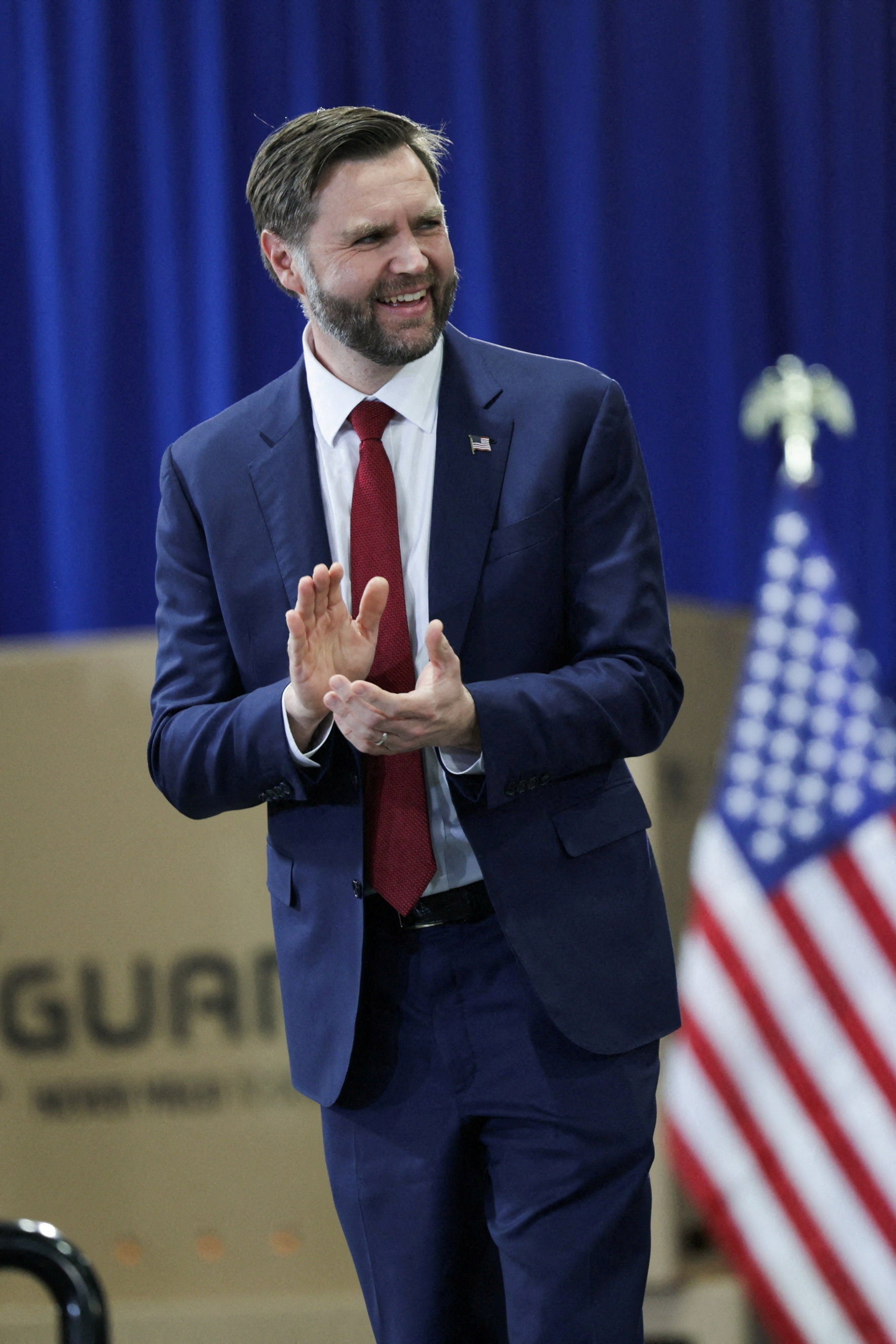
Braun, Banks, and organizations like Turning Point collaborated with Trump to unseat the incumbents.
Jim Bopp, a prominent Indiana attorney leading a political action committee aligned with Braun, predicted that Trump’s endorsement would be decisive for the challengers. “Republican voters overwhelmingly support Trump and when they find out Trump has endorsed a particular Senate candidate, they swing their support behind them,” he explained.
In Columbus, Ronda Millig voted for Trump-backed Michelle Davis over redistricting opponent Sen. Greg Walker, with Davis ultimately winning. “I really believed some of the things I had heard about him,” said Millig, a retiree. “It didn’t seem like he was someone I wanted in office.” However, Millig clarified that the president’s endorsement was not the sole deciding factor. “That doesn’t always mean anything,” she noted.
Madison Long, a 28-year-old lawyer who also voted for Walker, criticized Davis for her ties to Trump. “She doesn’t have any promises of her own or any agenda of her own. Her goal is to just follow Trump,” Long said. “I find that extremely concerning given the nature of the nationwide politics.”
Former Republican Gov. Mitch Daniels, who had stepped away from politics after leaving office in 2015, reemerged to help raise money for targeted incumbents.
The state senators who defied the commander-in-chief stated they were listening to constituents who largely opposed his redistricting proposal. Some expressed dislike for Trump’s aggressive tone in pushing the plan. “We hate to be told what to do,” said Mike Murphy, a former Republican state representative.
“We’re very independent-thinking people. So when Donald Trump and his goons come in and try to tell us that we need to redistrict to help his political future, that’s the worst thing you can do.”
Bopp, who supported the Trump-backed challengers, argued the primary offered Indiana Republicans a chance to emphasize the importance of redrawing congressional lines. “It’s not a matter of Trump’s power,” Bopp asserted. “It’s about Republican primary voters who support his agenda and don’t want a Democratic House that will be hugely destructive to the Trump presidency and the country.”

