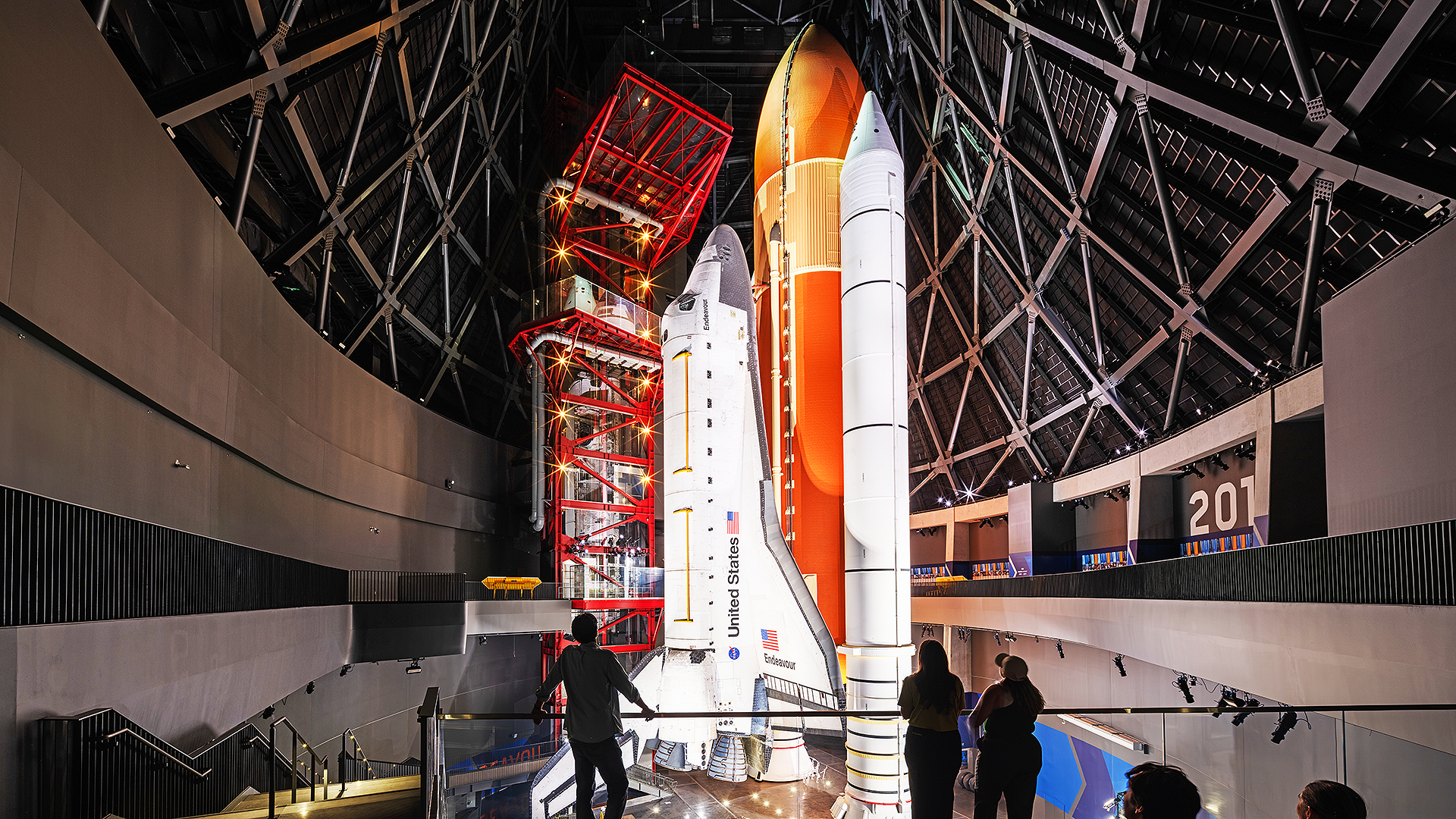
Калифорнийн Шинжлэх ухааны төв “Endeavour” сансрын хөлгийг бүрэн бүтэн, хөөргөхөд бэлэн байрлалаар олон нийтэд танилцуулахаар бэлтгэж байна.
Калифорнийн Шинжлэх ухааны төв (CSC) “Endeavour” сансрын хөлгийг “Samuel Oschin” агаар, сансрын төвд 2026 оны арваннэгдүгээр сарын 13-нд нээхээр төлөвлөж байна. Энэхүү 200,000 хавтгай дөрвөлжин фут талбай бүхий шинэ байгууламж нь сансрын хөлгийн иж бүрэн системийг 20 давхар барилгын өндөртэй тэнцэхүйц хөөргөх байрлалаар дэлгэн үзүүлэх дэлхийн цорын ганц газар болох юм.
“Challenger” хөлгийн эмгэнэлт ослын дараа бүтээгдсэн “Endeavour” нь сансрын хөлгүүдийн хамгийн сүүлийн бөгөөд хамгийн дэвшилтэт технологиор тоноглогдсон загвар юм. 1992 онд анхны нислэгээ үйлдсэн тус хөлөг нь нийт 25 удаагийн нислэгээр 123 сая орчим милийг туулж, Олон улсын сансрын станцыг байгуулах, Hubble сансрын дуранг засварлах зэрэг стратегийн чухал даалгавруудыг гүйцэтгэжээ.
Тус хөлөг нь дэвшилтэт авионик систем, хөлгийн үндсэн хөдөлгүүрүүдийн ажиллагааг хянах эрүүл мэндийн удирдлагын систем, навигацийн GPS зэрэг технологиудыг нэвтрүүлснээрээ онцлог юм. Мөн 2000 онд цэргийн болон шинжлэх ухааны хамтарсан төслийн хүрээнд дэлхийн гадаргын өндөр нарийвчлалтай топограф зураглалыг гаргах ажлыг гүйцэтгэсэн түүхтэй.
“Endeavour” хөлгийг 2012 онд Лос-Анжелес хотод хүргэсний дараа түр хугацаанд ангарт хадгалж байсан бөгөөд газар хөдлөлтөд тэсвэртэй байнгын үзэсгэлэнгийн танхим барих ажил ийнхүү биеллээ олж байна. Одоогийн байдлаар АНУ-д үлдсэн бусад сансрын хөлгүүд болох “Atlantis”, “Discovery”, “Enterprise” зэргийг өөр өөр муж улсын музейнүүдэд дэлгэн үзүүлж байгаа боловч “Endeavour”-ийг хөөргөх байрлалаар үзүүлэх нь хамгийн өвөрмөц шийдэл болох юм.
Дэлгэрэнгүйг эх сурвалжаас харах
↓Эх сурвалжийг нээх ↓
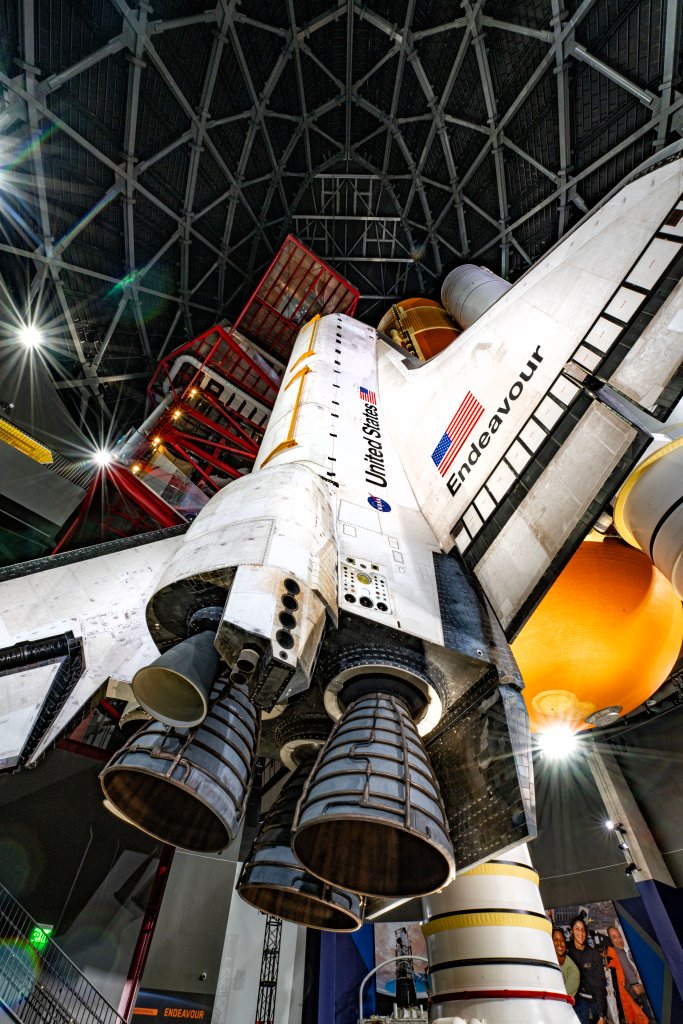
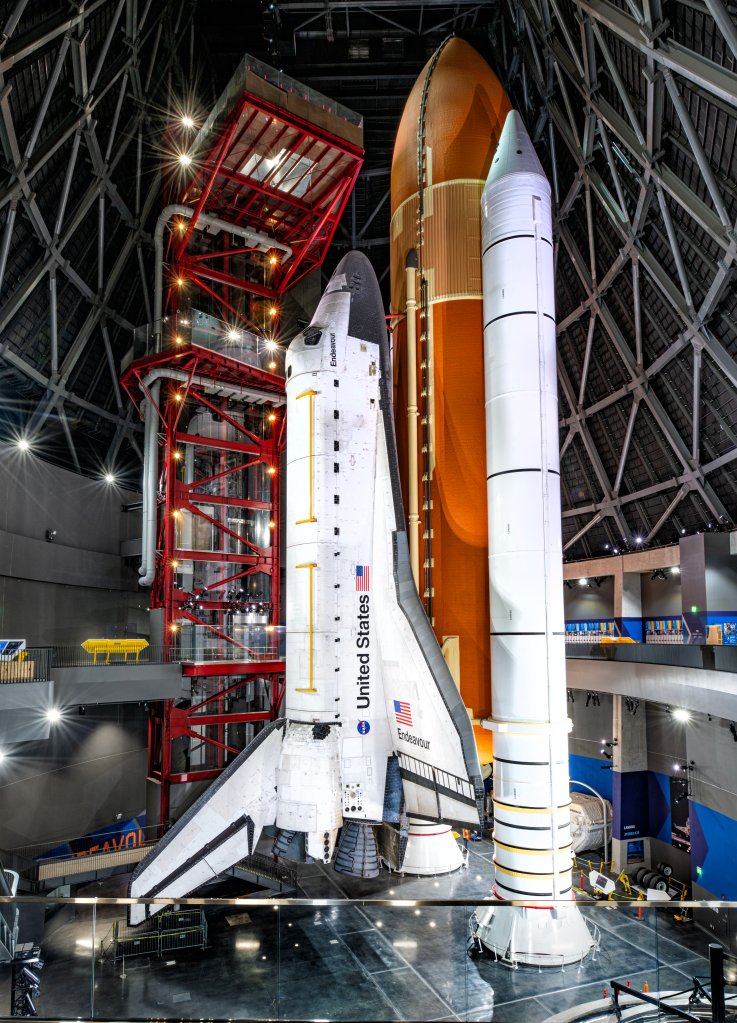
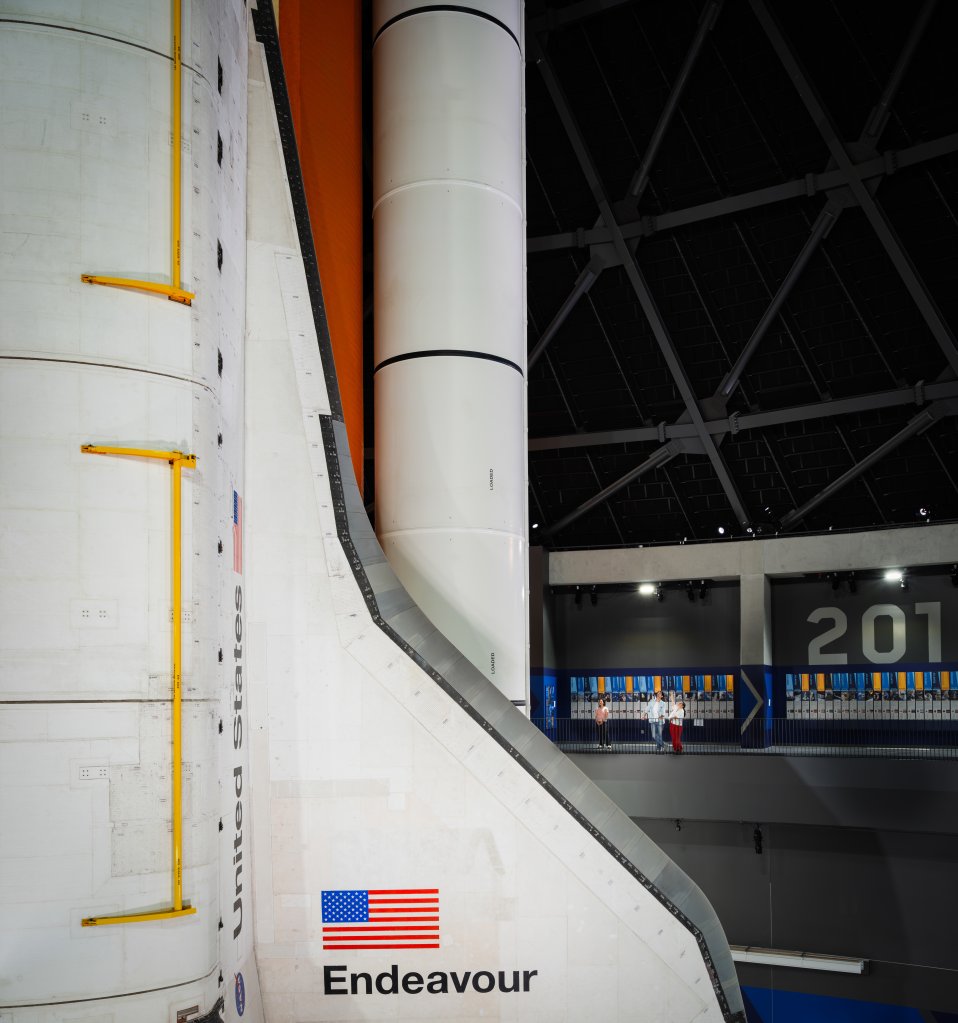
The California Science Center (CSC) in Los Angeles gave a sneak peek today of its long-awaited, much anticipated attraction — the towering Space Shuttle Endeavour in its ‘full stack’ configuration. The spacecraft was the last of five orbiters ever built and the most advanced. After a long wait, the public will soon be able to view it in all its glory inside its purpose-built permanent display building.
Endeavour is the centerpiece of The Samuel Oschin Air and Space Center. It is a 200,000-square-foot expansion of the museum and will be “the only place in the world to see a complete, authentic space shuttle system, displayed in a 20-story launch position,” CSC said in a media release on Wednesday.
The exhibit is set to open on Nov. 13, 2026.
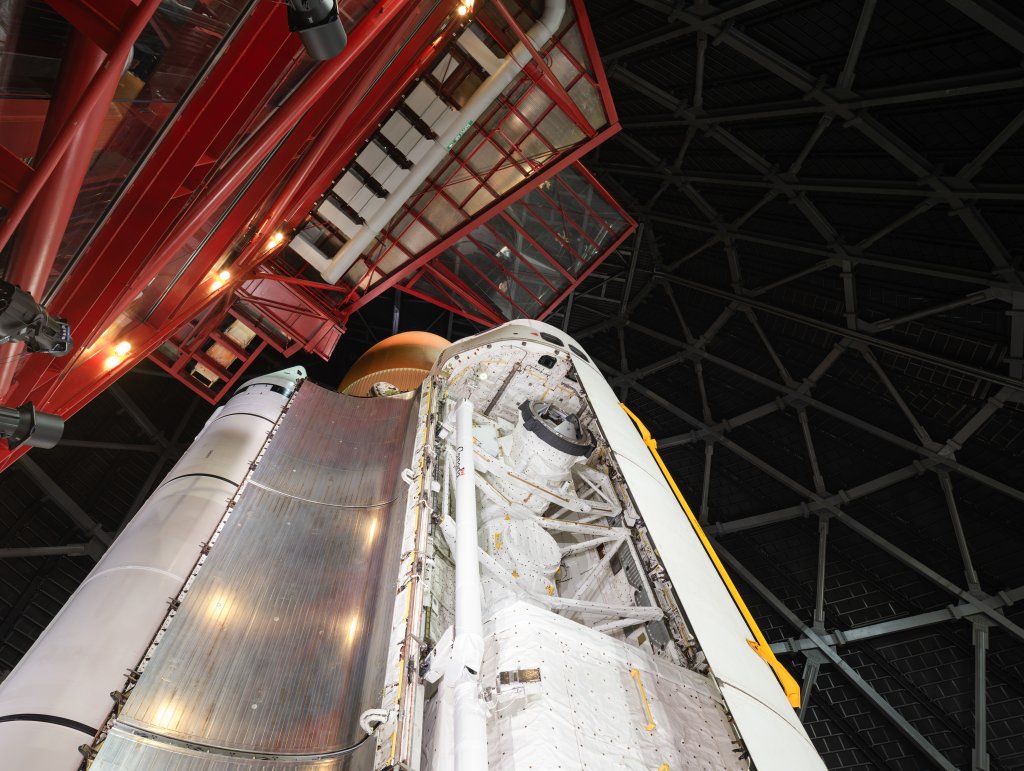
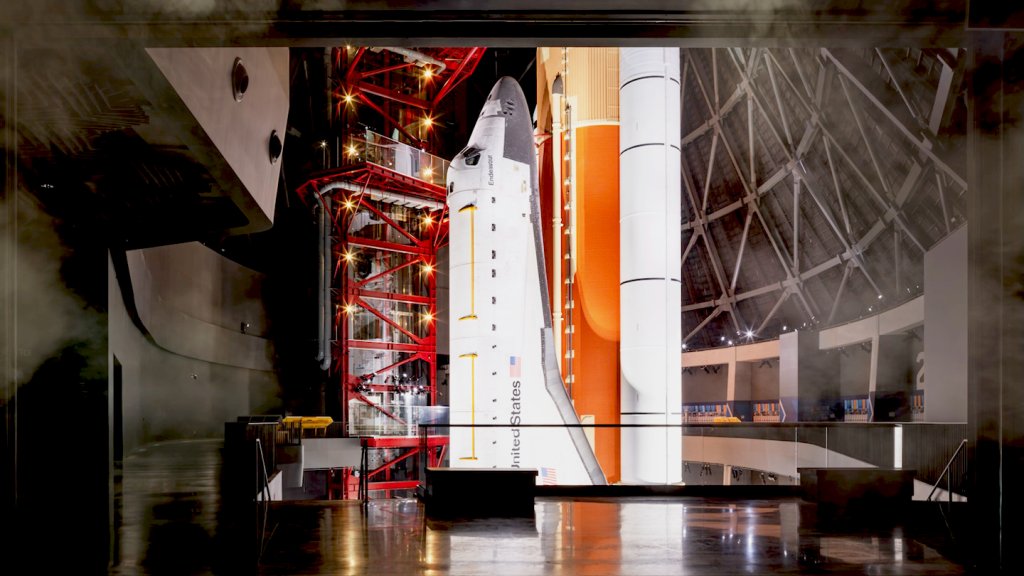
Endeavor was born out of the tragic loss of Challenger on January 28, 1986. NASA had to figure out how to replace the doomer orbiter. It looked at several options.

Feb. 1, 2003: Space shuttle Columbia disaster
The first shuttle, Enterprise, was built as a developmental test vehicle and made its first independent flight from the back of the converted 747 Shuttle Carrier Aircraft (SCA) on Aug. 12, 1977. Enterprise was also used for fit checks on the launch pad and many other engineering and testing activities, but it was not built to fly into space. Although it was available for modification and could feasibly be altered for full duty, NASA decided converting it for orbital work was not the best move. Instead, the all new orbiter that would be named Endeavor was authorized for construction in 1987.
Endeavour lifted off on its maiden voyage on May 7, 1992, and flew 25 times, with its final flight coming in May 2011. As the last of its breed, it incorporated new features and upgrades, including being the first shuttle to carry a Station-Shuttle Power Transfer System (SSPTS), according to Space.com. Endeavour also had “the first fully activated Advanced Health Management System to watch over the shuttle’s three main engines during launch, as well as a three-string global positioning system (GPS) for pinpoint navigation during landings,” the publication added. In addition, the last of the orbiters was built with the most advanced avionics, with glass displays, when it entered service.

Space Shuttle Enterprise – Free flight Test – ABC News – 8/12/1977
During its time in space, Endeavour performed a variety of tasks, including helping to construct and sustain the International Space Station. Throughout its career, it spent 299 days in space, orbiting the Earth nearly 4,700 times and logging close to 123 million miles, according to NASA.
“Among Endeavour’s missions was the first to include four spacewalks, and then the first to include five,” the space agency added. “Its STS-67 mission set a length record almost two full days longer than any shuttle mission before it. Its airlock is the only one to have seen three spacewalkers exit through it for a single spacewalk. And in its cargo bay, the first two pieces of the International Space Station were joined together.”
It also flew the first mission to service the Hubble Space Telescope.
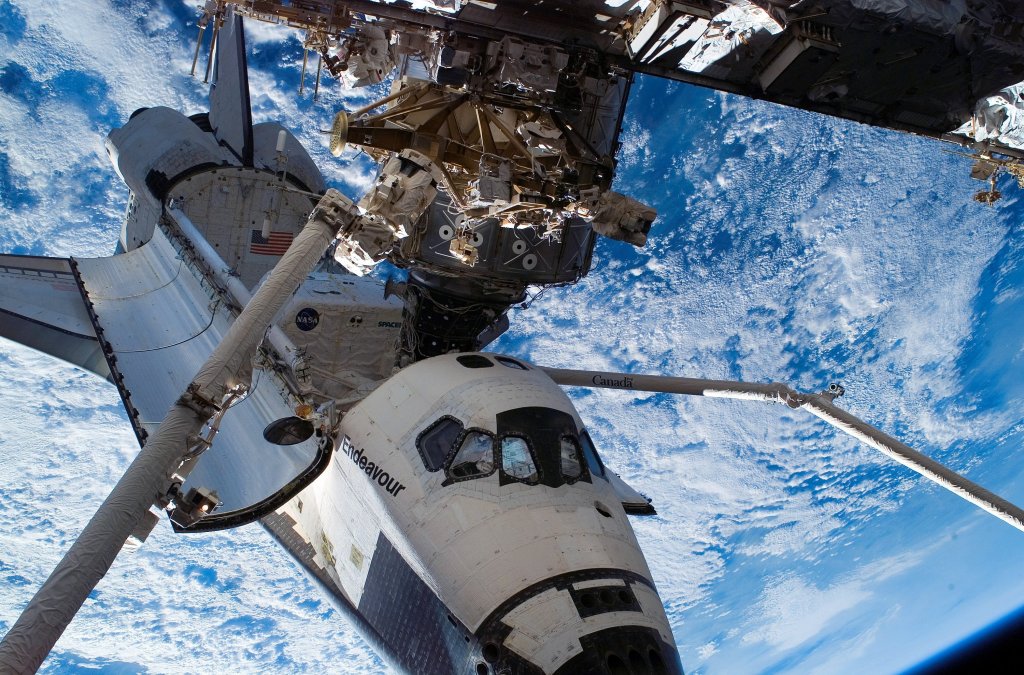
During an 11-day mission in 2000, the astronauts “used the radar instruments in Endeavour’s payload bay to obtain elevation data on a near global scale,” NASA noted about the mission with a military connection. “The data produced the most complete, high-resolution digital elevation model of the Earth. The SRTM comprised a cooperative effort among NASA with the Jet Propulsion Laboratory (JPL) in Pasadena, California, managing the project, the Department of Defense’s National Imagery and Mapping Agency [now the National Geospatial Intelligence Agency], the German space agency, and the Italian space agency. Prior to SRTM, scientists had a more detailed topographic map of Venus than of the Earth, thanks to the Magellan radar mapping mission.”
Endeavour, like the rest of the orbiters, always captured the public’s imagination. In December 2008 the spacecraft made its voyage back to Kennedy Space Center in Florida after landing at Edwards AFB. A photo of that trip, taken from an F/A-18B Hornet flying overhead, was once described by TWZ as “Arguably The Most Spectacular Photo Of NASA’s Shuttle Carrier Aircraft Ever.” You can read more about that picture and the flight in our story from the time here.
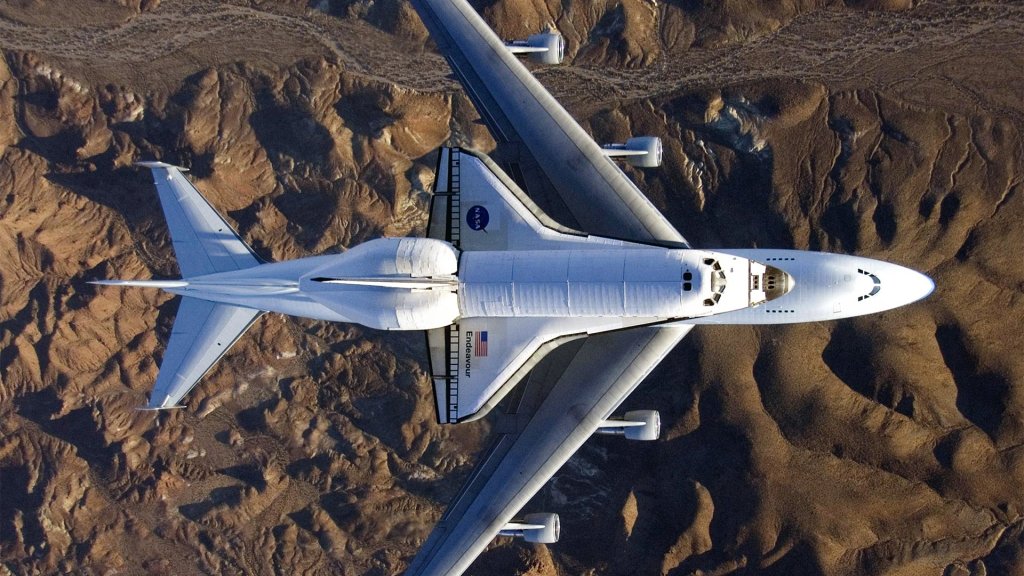
On September 21st, 2012, NASA delivered Endeavour to Los Angeles, noted AmericaSpace.com. “Over the course of four days in October, the orbiter gradually crept her way through the city’s narrow streets.” The move captured a huge amount of attention.
While plans had been in the works for a while to house Endeavour in a purpose-built exhibit, a major issue developed.
“An earthquake-resistant building large enough to house a 184-foot-tall Shuttle stack had a staggering cost estimate of $400 million,” AmericaSpace.com explained. “The California Science Center was unable to raise enough money to build the facility prior to Endeavour’s arrival. The museum still needed to protect the orbiter from the elements, so it built a metal hangar to temporarily house the spacecraft. The more aspirational exhibit would be conducted at a later date.”
That later date will be in November, as we noted earlier.
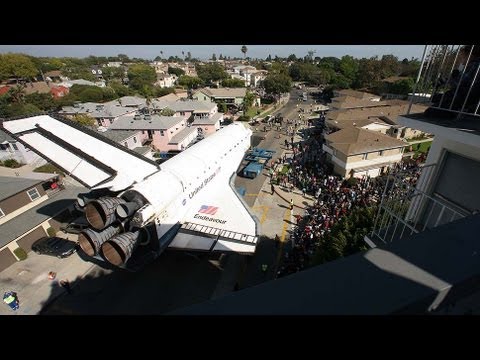
Space shuttle Endeavour’s trek across LA: Timelapse
The CSC is one of four locations where the surviving shuttle fleet is being displayed.
Shuttle Atlantis is located at the Kennedy Space Center Visitor Complex; Discovery at the Steven F. Udvar-Hazy Center and Enterprise at the Intrepid Sea, Air & Space Museum. While each display is unique, and Kennedy Space Center’s is very dramatic, showing the orbiter as it would look in orbit, nothing compares to how CSC is displaying the full Shuttle Launch System (SLS) with its boosters and fuel tank in the vertical orientation, looking like it’s about to blast off one more time.
Contact the author: howard@twz.com

